Jan 04, 2026
In pneumatic and fluid systems, thread type is not just a dimensional standard—it directly determines how sealing is achieved. Among common connection standards, G thread fittings are frequently misunderstood. Many leaks blamed on poor machining or installation are actually caused by using G threads without the correct sealing method. For distributors, engineers, procurement teams, and end users, understanding why G threads require sealing rings is essential for reliable system design and product selection.
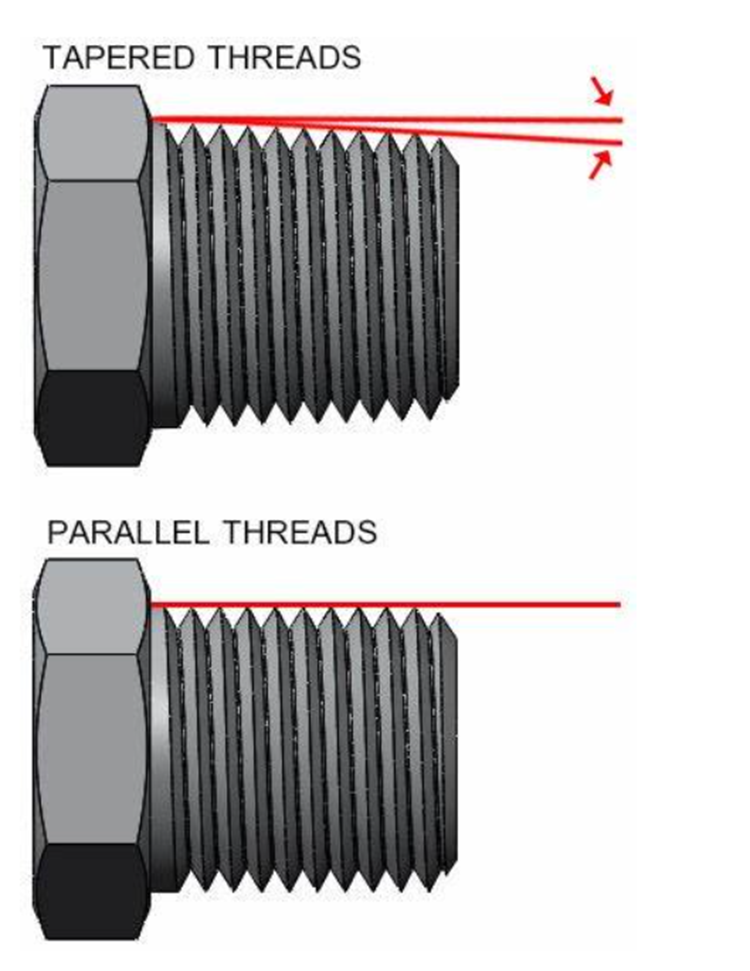
The key difference between G threads and many other pipe threads lies in geometry. G threads are straight (parallel) threads, defined by ISO 228. Unlike tapered threads, the diameter of a G thread does not change along its length. This means there is no wedging effect and no inherent self-sealing capability when the male and female threads are tightened.
When a G thread is screwed in, the threads only provide mechanical positioning and holding force. Even if tightened firmly, microscopic clearances remain along the thread flanks. Under compressed air or fluid pressure, these gaps become leakage paths. This is why a G thread used alone will inevitably leak, regardless of machining accuracy.
To understand the need for sealing rings, it helps to compare G threads with tapered threads such as NPT or BSPT. Tapered threads seal by radial interference. As the male thread advances, it wedges tightly into the female thread, deforming slightly and creating friction-based sealing along the thread surfaces.
G threads do not taper. Tightening them only increases axial clamping force, not radial sealing pressure. Adding thread tape or liquid sealant may reduce leakage temporarily, but this is not the intended or reliable sealing method for G threads—especially in pneumatic systems subject to vibration and repeated pressure cycles.
Because BSPP Fitting cannot seal themselves, sealing must occur outside the thread geometry. This is achieved by placing a sealing ring between the fitting’s sealing face and the mating surface of the port. Once the fitting is tightened, axial force compresses the sealing ring, causing controlled deformation that blocks all leakage paths.
In this design, the thread’s role is purely mechanical: alignment, load-bearing, and maintaining compression force. The sealing ring does all the actual sealing work. This separation of functions is why G thread connections can be very reliable—but only when the correct seal is used.
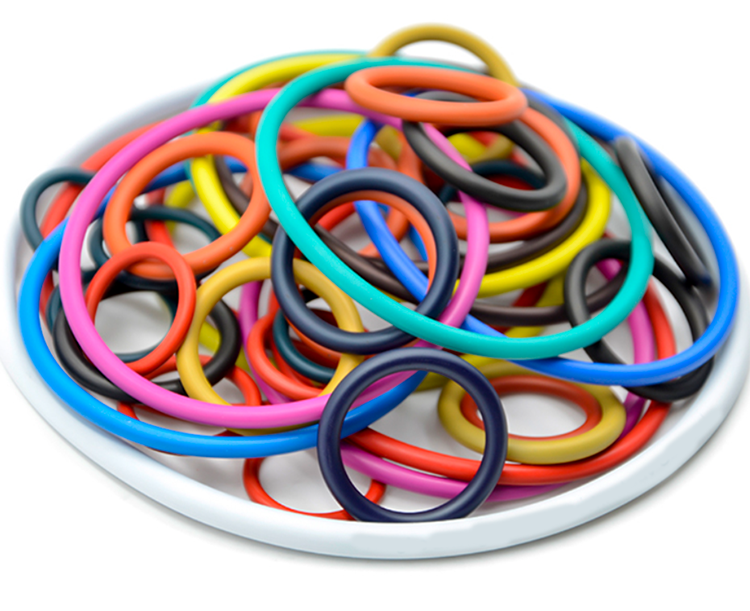
The most widely used sealing element with G thread fittings is the O-ring. O-rings are circular elastomer seals that deform under compression to fill gaps between flat surfaces. When used correctly, an O-ring provides excellent sealing performance for pneumatic and low-to-medium pressure fluid applications.
O-rings are popular because they are cost-effective, easy to replace, and compatible with a wide range of media. However, they are most effective when the mating surface is flat and well-machined. Uneven surfaces, scratches, or improper torque can compromise sealing performance, even with a high-quality O-ring.
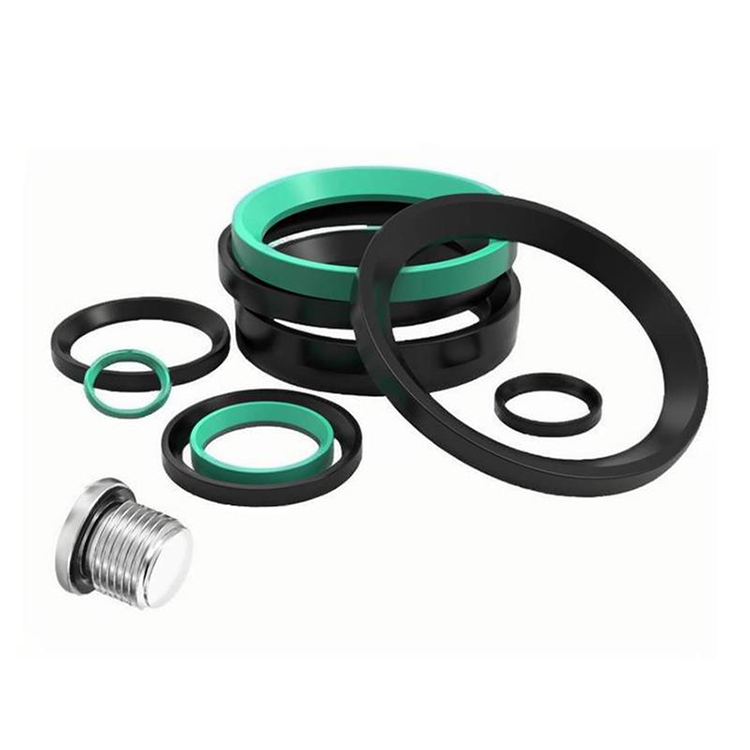
For applications that demand higher reliability or where surface conditions are less predictable, ED sealing rings offer a more robust solution. An ED seal typically combines an elastomer sealing element with a metal support ring. This structure limits over-compression and ensures consistent sealing pressure.
ED seals are especially suitable for flat face sealing in G thread ports, where repeatable assembly and resistance to vibration are required. Compared to standard O-rings, ED seals provide better long-term stability and are less sensitive to installation torque variations—an advantage for OEM equipment and high-volume production lines.
Even when users know that G threads require sealing rings, leaks still occur due to improper practices. Typical mistakes include:
1.Installing G thread fittings without any sealing ring
2.Using thread tape instead of a face seal
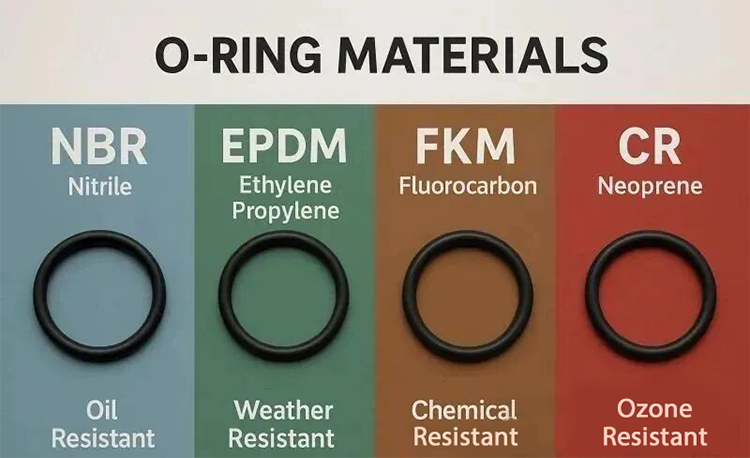
3.Selecting the wrong O-ring size or material
4.Over-tightening, causing seal extrusion or damage
5.Installing on scratched or uneven port faces
These issues are common in field installations and are a major source of after-sales complaints for distributors. Educating customers on correct sealing methods significantly reduces these problems.
Despite lacking self-sealing capability, G Series Pipe Thread Fitting are extremely popular in pneumatic and fluid systems. Their straight-thread design allows precise positioning, easy disassembly, and consistent orientation—important for valves, manifolds, and compact assemblies. When combined with proper sealing rings, G threads offer clean, repeatable, and service-friendly connections.
This is why many international pneumatic standards and component manufacturers continue to rely on G threads as a default interface.
At FOKCA Automation, G thread fittings are designed with sealing as a system, not an afterthought. Precision-machined sealing faces, correctly sized O-ring grooves, and compatibility with ED seals ensure consistent performance across different installations. For OEM and ODM customers, FOKCA can also customize sealing solutions based on pressure, media, and environmental requirements.
By supplying fittings with properly matched sealing rings, FOKCA helps distributors reduce installation errors and after-sales issues, while giving engineers confidence in long-term leak prevention.
When selecting G thread fittings, consider the following:
◆Always specify the sealing method (O-ring or ED seal)
◆Match seal material to air, oil, or fluid media
◆Ensure the mating port has a suitable flat sealing surface
◆Avoid using thread tape as a primary seal
These small decisions make a large difference in system reliability and customer satisfaction.
If you have any requirements or questions,please feel free to Contact us.
(FK9026)
 PVC Tubing vs Polyurethane Tubing: Choosing the Better Air Hose for Modern Pneumatic Systems
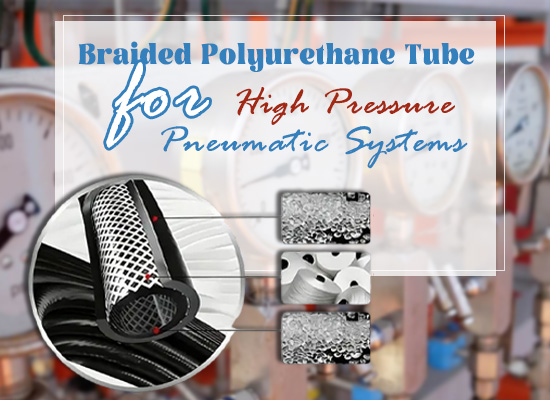 Braided Polyurethane Tube for High Pressure Pneumatic Systems
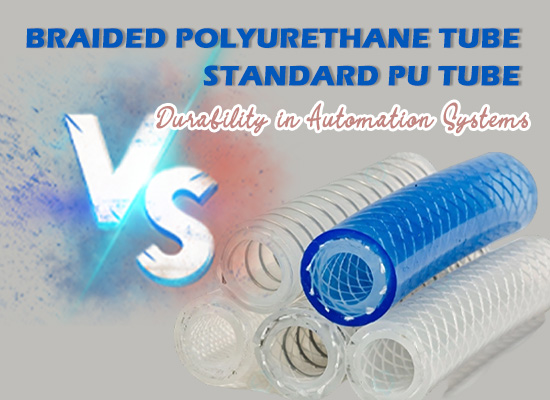 PUB Braided Polyurethane Tube vs Standard PU Tube: Durability in Automation Systems
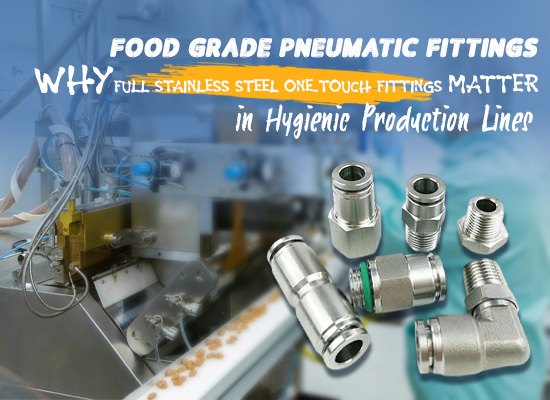 Food Grade Pneumatic Fittings: Why Full Stainless Steel One-Touch Fittings Matter in Hygienic Production Lines
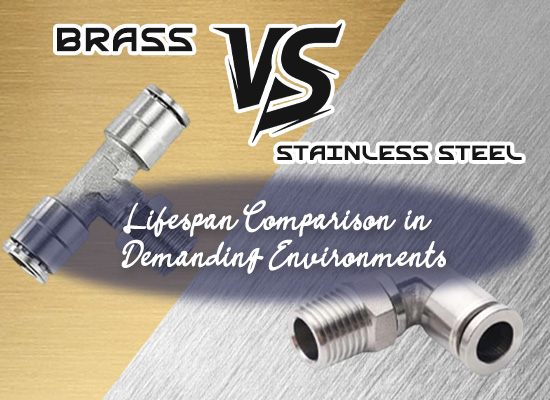 Brass vs Stainless Steel Fittings: Lifespan Comparison in Demanding Environments
You May Interest In
Dec 26, 2025 Blog
What Is Vacuum and What Is a Vacuum System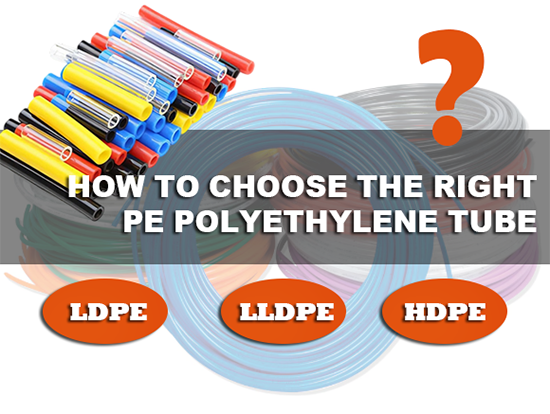
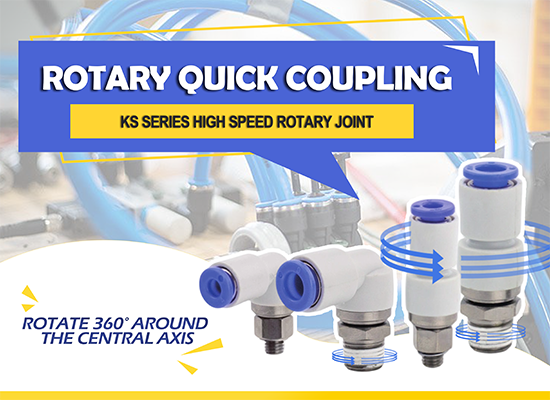
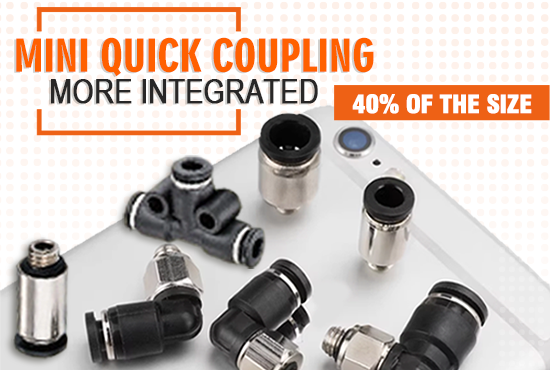
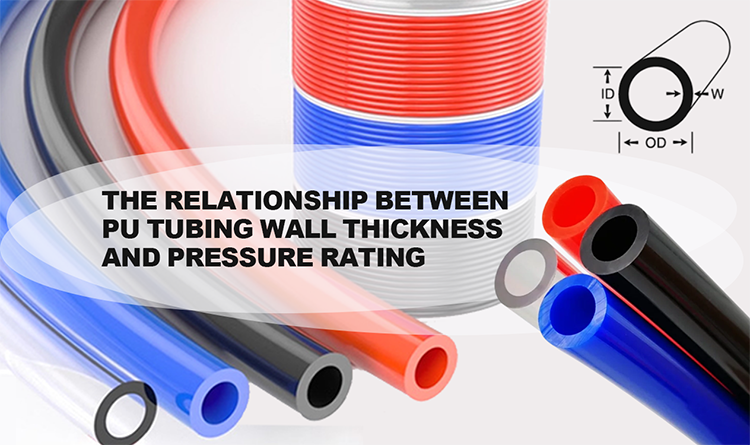
Dec 23, 2025 Blog
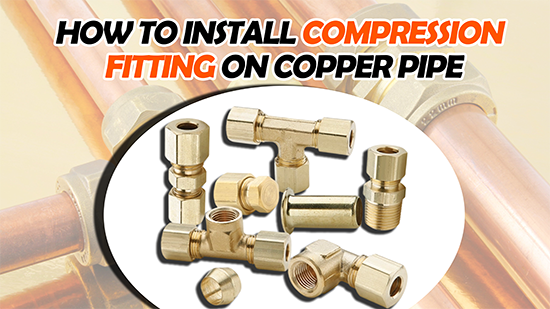
How to install compression fitting on copper pipe
Dec 22, 2025 Blog
Can Pneumatic Quick Couplings Be Used for Water


Dec 10, 2025 Blog
How to Choose and Use Rapid Pneumatic Fittings
Dec 08, 2025 Blog
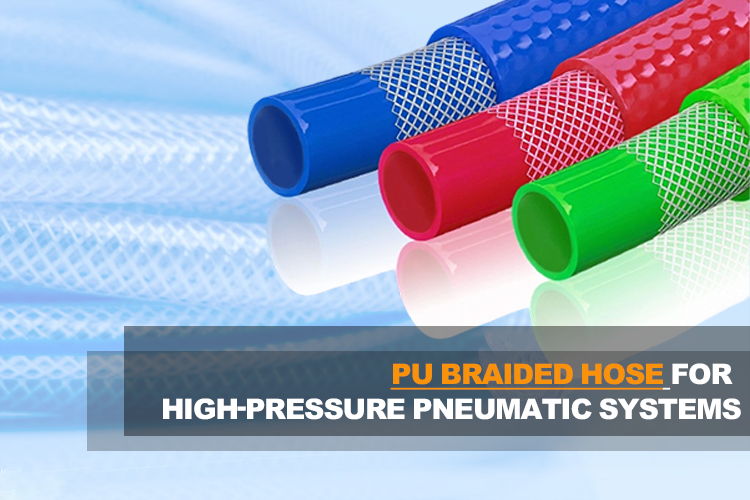
PU Braided Hose for High-Pressure Pneumatic Systems
Get a free sample

Links: www.fescolo.com(Pneumatic)
FOKCA ©1998-2025 All Rights Reserved Sitemap