Dec 11, 2025
Production lines in food, beverage, dairy, and pharmaceutical plants operate under strict hygiene standards. Every tube, valve, and connector directly affects product purity. When a pipe releases odors, leaches chemicals, or hardens after chemical cleaning, the impact goes far beyond equipment downtime—it affects brand credibility and regulatory compliance.
This is where food grade PVC plays a crucial role. While standard PVC tubing remains valuable in industrial applications, it is not designed to meet the strict requirements of food contact environments. The difference between the two is far more than the label on the packaging—it starts at the molecular and formulation level.
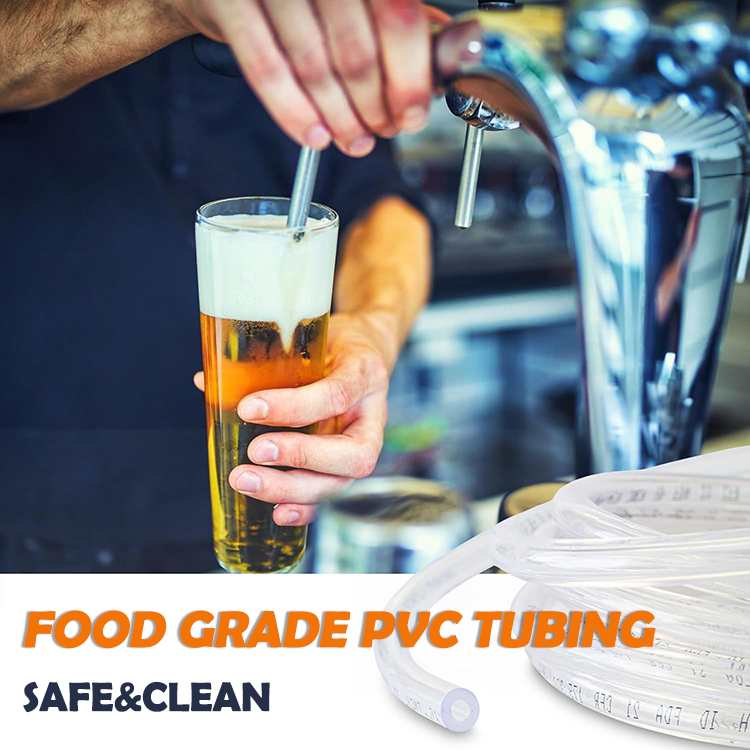
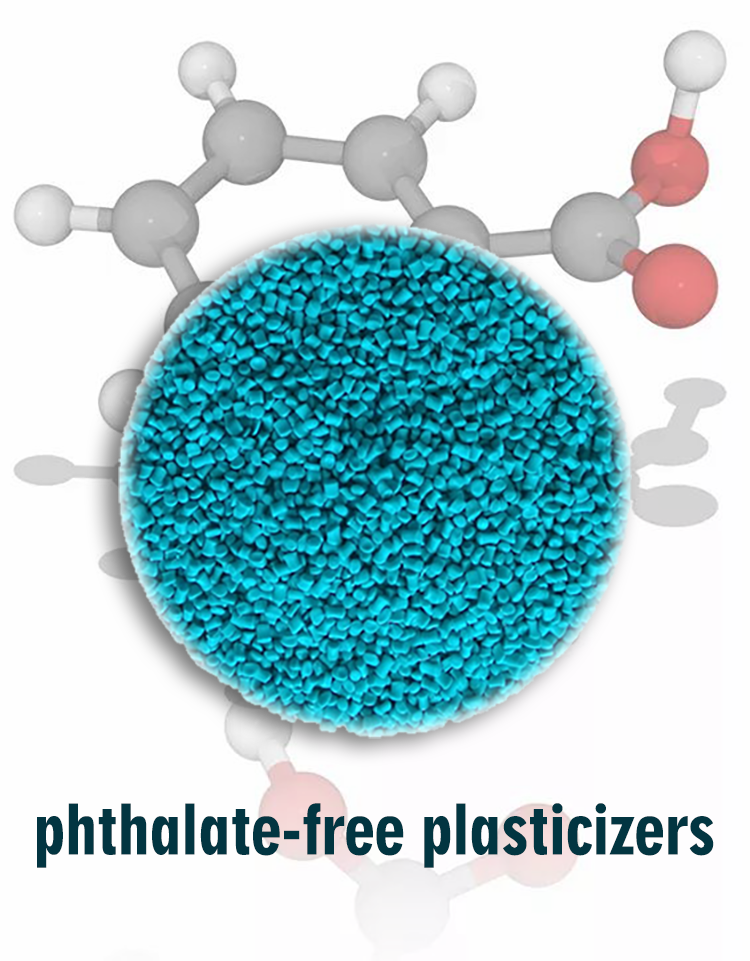
The most important distinction lies in the purity of the materials used. Food grade PVC is produced with FDA-compliant, phthalate-free plasticizers and virgin-grade PVC resin. Its formulation avoids toxic additives, recycled scrap, and unstable colorants.
Standard PVC, intended for industrial environments, may include cost-efficient additives that are unsuitable for food or drink production.
Key Differences in Material Formulation
Feature / Property | Food Grade PVC Tube | Standard Industrial PVC |
Plasticizer | Phthalate-free, FDA compliant | Industrial phthalates commonly used |
Resin Purity | High-purity virgin resin | May contain recycled resin |
Odor / Taste Transfer | No odor, no taste migration | Possible chemical scent under heat |
Certification | FDA, EU 10/2011, RoHS | Not certified for food contact |
Fluid Safety | Designed for direct food contact | Not suitable for food, beverage, or dairy |
Studies from international material safety institutions show that high-purity PVC tubing significantly reduces contamination risk. On beverage and dairy lines, plants using food grade pvc pipe typically report 20–35% fewer cleaning cycles, because the tubing surface does not trap residue or release scent during operation.
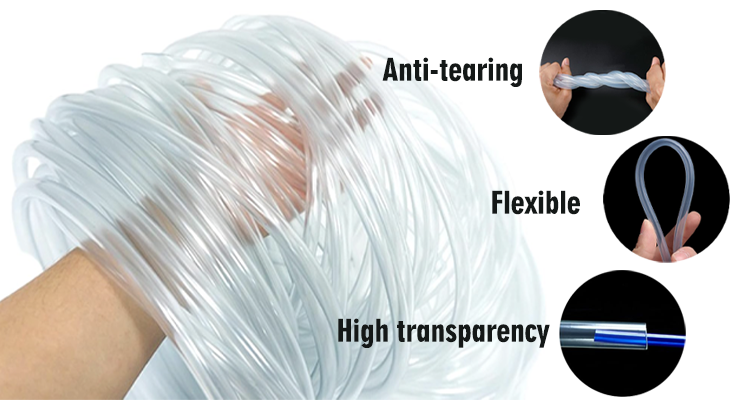
Food equipment rarely stops. Tubing must withstand vibration, bending, heat, cleaning chemicals, and pressure fluctuations every day. Food grade PVC is reinforced with higher-grade flexibility modifiers, giving it long-term softness and resistance to cracking.
Standard PVC tubing performs well in fixed installations but is not engineered for repetitive bending or dynamic motion. Its hardness increases faster under cooler temperatures, especially in winter, raising the risk of micro-cracks or whitening during bending.
In pneumatic food packaging systems, pvc food grade tubing offers superior flexibility, helping valves and fittings maintain airtight performance. This stability is especially valuable on robots, filling machines, and dispensers where tubing movement is constant.
Food factories rely on daily CIP/SIP cleaning cycles using disinfectants, weak acids, alkaline solutions, and oxidizers. Food grade PVC is built to withstand these chemicals without discoloration, swelling, or degrading surface smoothness.
Standard PVC may react with oils, syrups, or certain additives, causing slight swelling or internal haze. These effects are often overlooked until they interfere with sensors or flow meters.
Real-world case example
A beverage manufacturer noticed inconsistent flow readings on its syrup dosing line. The root cause was the absorption of sugary liquids by standard PVC, which created a sticky internal film. After switching to food grade pvc tubing, viscosity stability and dosing accuracy were restored, reducing manual cleaning time each week.
Although PVC is not a high-temperature polymer, food grade formulations maintain transparency and elasticity across a wider temperature range. In cold storage, yogurt filling plants, and winter production environments, food grade PVC remains flexible, while standard PVC tends to harden.
This performance difference directly affects pneumatic reliability. Engineers using FOKCA’s pneumatic cylinders and valves frequently pair them with food grade pvc pipe to achieve stable pressure regulation even under cold or humid conditions. Consistent tubing softness also minimizes stress on fittings, extending component lifespan.
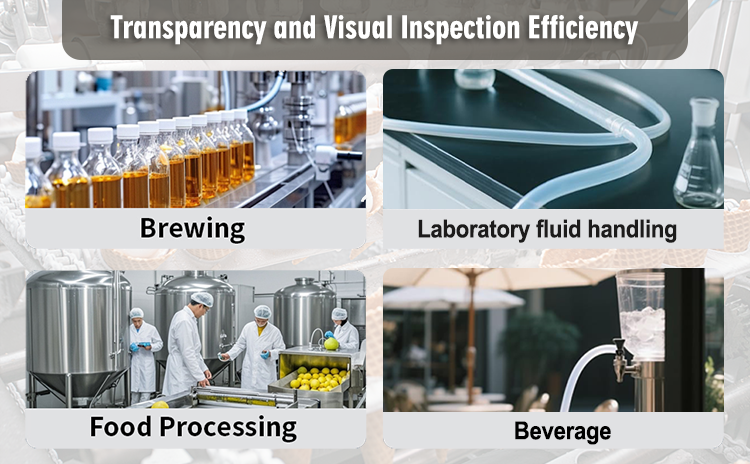
Food grade PVC typically offers high clarity, allowing operators to detect bubbles, residue, or inconsistent flow instantly. This visual advantage improves quality control across industries such as:
Beverage filling
Sauce and condiment production
Laboratory fluid handling
Pharmaceutical testing lines
Standard PVC, often containing recycled materials, pigments, or fillers, lacks this clarity. In environments where fast troubleshooting is essential, higher transparency often leads to significantly shorter downtime.
FOKCA Automation supplies distributors, machine builders, and OEM partners worldwide with pneumatic and fluid-handling solutions. Our food grade PVC tube series is one of the most widely adopted due to four core strengths:
1. Certified high-purity material
Every batch uses FDA-compliant, non-toxic, odor-free raw materials, ensuring safe contact with beverages, dairy, and liquid food ingredients.
2. Full compatibility with global pneumatic standards
Dimensions match SMC, FESTO, AIRTAC and other widely used industrial specifications. This ensures easy integration with cylinders, valves, fittings, and quick couplers.
3. System-level optimization support
With experience in pneumatic cylinders, solenoid valves, angle seat valves, and air treatment, FOKCA provides complete air-line configuration guidance for equipment upgrades or new installations.
4. OEM/ODM customization for distributors
Brand owners and distributors can customize colors, hardness, wall thickness, packaging, and private-label printing, enhancing product differentiation in competitive markets.
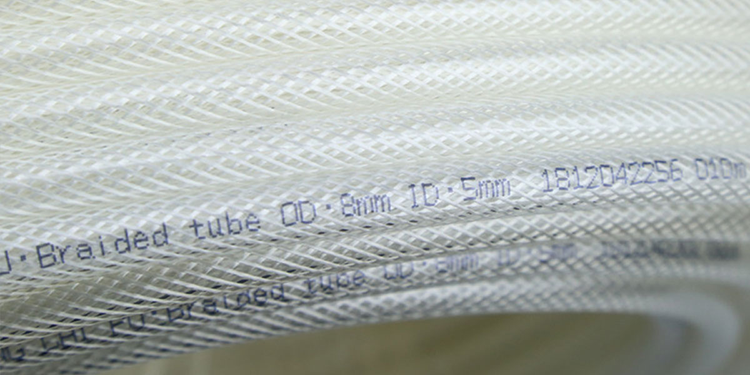
Based on long-term field experience, the following quick rules help determine when food grade pvc is essential:
Any line touching food, beverage, additives, or pharmaceutical liquids → choose food grade
Production requiring visual flow check → use transparent food grade PVC
Cold environment, seasonal outdoor operation → food grade is safer due to reduced hardening
Gas pipelines in food packaging → food grade avoids odor migration
General pneumatic or cabinet wiring → standard PVC is suitable
These guidelines help prevent common installation mistakes and reduce long-term maintenance costs.
The real value of food grade PVC lies not only in regulatory approval but also in its cleanliness, material stability, chemical safety, and long-term durability. For engineers, it reduces troubleshooting; for purchasing managers, it eliminates risk; for distributors, it strengthens product competitiveness in high-standard markets.
This video will help you quickly understand food-grade PVC.
FOKCA continues to support food processing, packaging, and automation businesses with reliable material choices and professional pneumatic expertise. Whether you require standard specifications or full OEM customization, our team can help tailor a solution that fits your equipment and industry demands.
For more information on polyolefin tubings, please do not hesitate to Contact us.
(FK9026)
 PVC Tubing vs Polyurethane Tubing: Choosing the Better Air Hose for Modern Pneumatic Systems
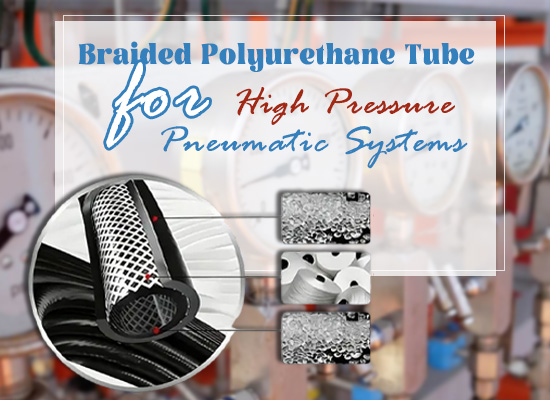 Braided Polyurethane Tube for High Pressure Pneumatic Systems
 PUB Braided Polyurethane Tube vs Standard PU Tube: Durability in Automation Systems
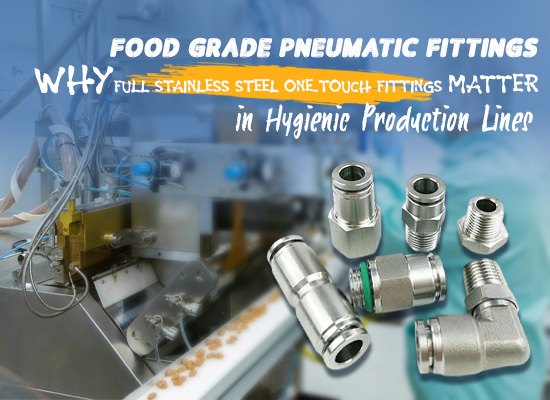 Food Grade Pneumatic Fittings: Why Full Stainless Steel One-Touch Fittings Matter in Hygienic Production Lines
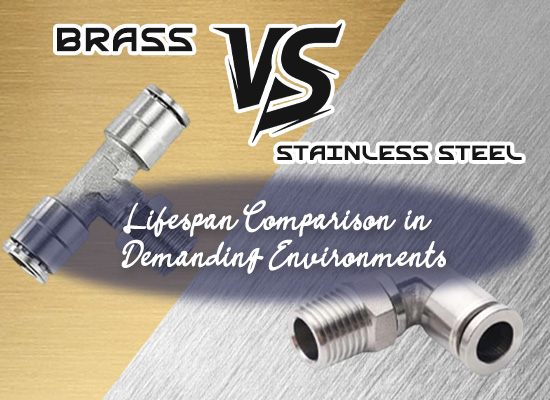 Brass vs Stainless Steel Fittings: Lifespan Comparison in Demanding Environments
You May Interest In
Dec 05, 2025 Blog
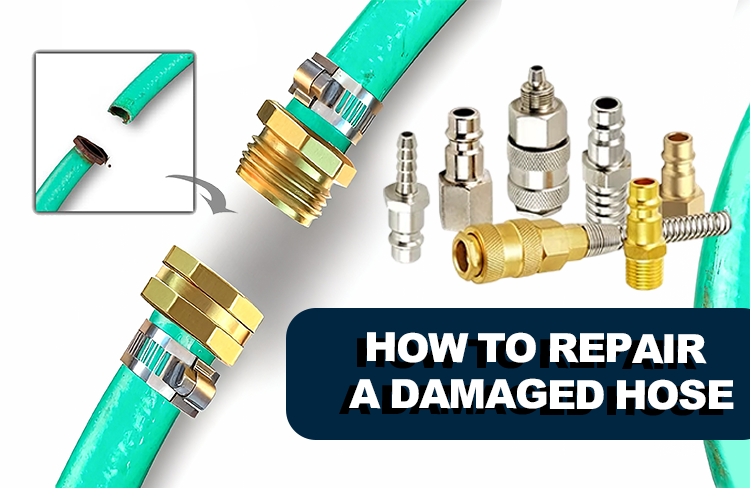
How to Repair a Damaged Hose Using a Hose Mender

Nov 27, 2025 Blog
Why PVC Pipe Is Flame-Retardant

Get a free sample

Links: www.fescolo.com(Pneumatic)
FOKCA ©1998-2025 All Rights Reserved Sitemap