Dec 18, 2025
In industrial piping and fluid systems, selecting the correct stainless steel grade for fittings is crucial. While 304 stainless steel handles general applications well, certain environments demand higher corrosion resistance and mechanical reliability. Here, 316L stainless steel fittings stand out for applications that involve welding, high temperatures, or exposure to aggressive chemicals, seawater, or purified water systems.
Understanding the differences between 304, 316, and 316L stainless steels can save costs, prevent premature failures, and ensure long-term system reliability.
Stainless steel grades vary in chemical composition and corrosion resistance. 304 stainless steel is widely used in general industrial settings due to its excellent cost-performance balance and weldability.
However, it is less resistant to chloride-induced corrosion, making it unsuitable for marine, chemical, or high-purity water applications.
316 stainless steel improves upon 304 by adding molybdenum, enhancing resistance to pitting and crevice corrosion. Yet, when subjected to welding or high-temperature operations, standard 316 can experience intergranular corrosion, compromising structural integrity.
316L stainless steel is the low-carbon variant of 316, specifically designed to resist corrosion after welding or forming. Its high corrosion resistance, excellent weldability, and long-term durability make it ideal for critical applications, despite higher material costs.
Stainless Steel Grade | Corrosion Resistance | Weldability | Typical Applications | Price Level |
304 | Moderate | Excellent | General industrial | Low |
316 | High | Good | Mild corrosive environments | Medium |
316L | Very High | Excellent | Aggressive/high-temp environments | High |
Intergranular corrosion occurs when stainless steel is exposed to high temperatures during welding, causing chromium carbides to precipitate at grain boundaries. This reduces the local corrosion resistance and can lead to leakage, contamination, or equipment failure.
For example, in mining operations, chemical processing, or water treatment systems, standard 316 fittings may develop micro-cracks at weld seams. Over time, these cracks propagate, causing downtime and costly repairs. In contrast, 316L stainless steel fittings maintain structural integrity and resist intergranular attack, ensuring safe and reliable operation.
Applications involving high-temperature fluids, saline environments, or acidic media place extreme demands on piping systems. 316L fittings resist pitting and crevice corrosion, even under harsh conditions like steam piping, seawater desalination, and chemical process lines.
In comparison, 316 stainless steel can suffer localized corrosion in the same environments, reducing equipment life.
Using 316L stainless steel pipe fittings prevents premature failures, protects sensitive equipment, and supports compliance with strict industry standards.
FOKCA Automation offers a comprehensive range of 316L stainless steel push to connect fittings, including customized OEM/ODM options, tailored to specific industrial requirements. Key advantages include:
◆High-purity material composition ensuring maximum corrosion resistance
◆Excellent weldability suitable for assembly in critical systems
◆Compatibility with standard piping systems, including 316 SS pipe fittings and custom configurations
◆Durable design supporting long-term operations in water treatment, chemical, and mining industries
By choosing FOKCA’s 316L fittings, distributors and engineers gain confidence that their systems will withstand aggressive environments without compromising safety or performance.
While 316L fittings carry a higher upfront cost compared to 304 or standard 316, the long-term benefits outweigh the initial investment. Reduced maintenance, fewer system shutdowns, and extended equipment life translate into lower total cost of ownership.
For procurement managers, investing in 316L stainless steel fittings means avoiding unplanned downtime and expensive replacements. FOKCA supports customers with cost-effective sourcing and technical guidance, ensuring the right material selection for every application.
Several industries require 316L stainless steel fittings for critical operations:
◆Water and wastewater treatment: Ensures corrosion resistance in chlorinated or purified water pipelines
◆Pharmaceutical and food processing: Meets hygiene and chemical resistance standards
◆Chemical and petrochemical: Handles aggressive chemicals and acids
◆Marine and offshore applications: Withstands seawater corrosion and high humidity
◆Mining and heavy industry: Resists wear and chemical attack in extreme conditions
In these scenarios, FOKCA’s 316L fittings provide a reliable solution, combining material excellence with customizable designs to meet precise engineering needs.
Selecting the correct stainless steel grade is more than a technical detail; it determines the longevity, safety, and reliability of critical systems. For welding applications, high-temperature operations, or aggressive chemical exposure, 316L stainless steel fittings are indispensable. FOKCA Automation offers a complete line of 316L fittings, tailored to demanding industries, helping distributors, engineers, and procurement professionals make informed, cost-effective decisions.
(FK9026)
 PVC Tubing vs Polyurethane Tubing: Choosing the Better Air Hose for Modern Pneumatic Systems
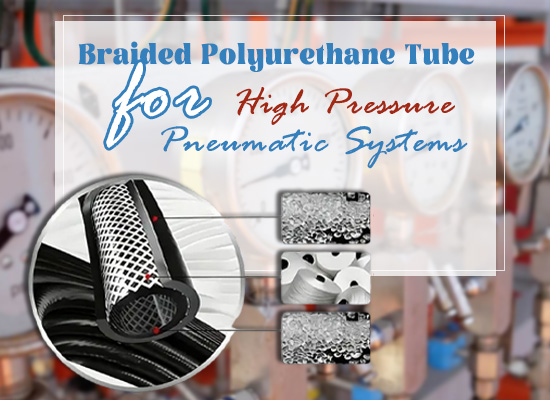 Braided Polyurethane Tube for High Pressure Pneumatic Systems
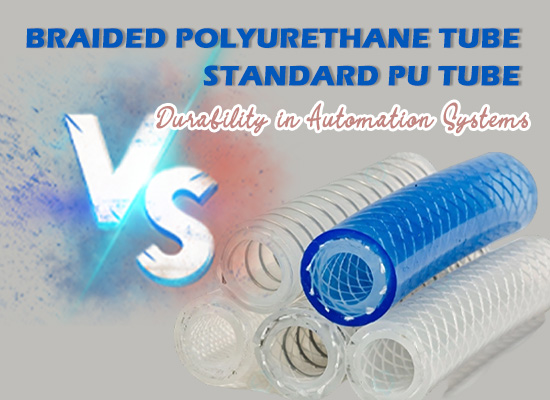 PUB Braided Polyurethane Tube vs Standard PU Tube: Durability in Automation Systems
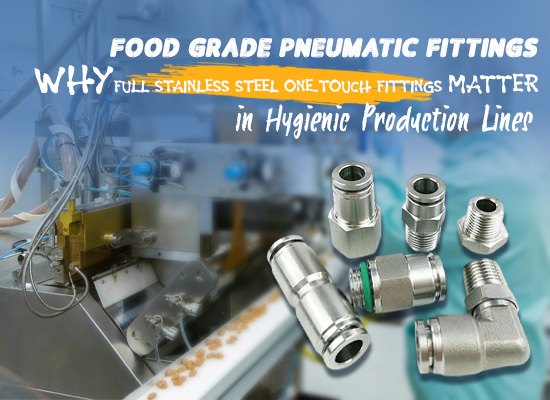 Food Grade Pneumatic Fittings: Why Full Stainless Steel One-Touch Fittings Matter in Hygienic Production Lines
 Brass vs Stainless Steel Fittings: Lifespan Comparison in Demanding Environments
You May Interest In


Get a free sample

Links: www.fescolo.com(Pneumatic)
FOKCA ©1998-2025 All Rights Reserved Sitemap