Dec 12, 2025
When a pneumatic line operates below atmospheric pressure, the entire system shifts from pushing air to resisting external pressure. Many users wonder whether standard pneumatic fittings, polyurethane tubing, or pneumatic quick couplings can withstand this inverse load. In most industrial settings, the answer is yes—provided the fitting and tubing maintain enough rigidity and sealing strength. For distributors, equipment engineers and procurement teams, understanding the science behind vacuum use helps avoid leakage, collapse, and unnecessary cost.
When air pressure drops below ambient levels, the tubing and fitting body experience compressive stress instead of internal expansion. A typical vacuum line may operate around –80 to –100 kPa, which is already close to full vacuum at sea level. Under such load, the fitting’s structural stability becomes critical, especially for push-in connectors and lightweight polymer fittings.
Most high-quality pneumatic fittings—including FOKCA’s push-in series—use reinforced polymer or nickel-plated brass. These materials provide rigid walls and stable thread engagement, preventing deformation even during rapid pressure fluctuations. For OEM machinery or packaging equipment where vacuum cycles repeat thousands of times, this rigidity directly translates to system reliability.
A frequent misconception among buyers is that push-in fittings only work for positive pressure. In reality, the internal structure of a pneumatic push-in fitting is built around collet grip, stainless-steel claws, and an embedded O-ring. When vacuum occurs, the O-ring experiences the same sealing force but in a reverse direction. Since the sealing force comes from radial compression rather than air pressure itself, the system maintains integrity.
Several polymer fittings used in automation explicitly mark their rating as –100 kPa vacuum capable. FOKCA’s plastic push-in fittings use precision-molded bodies and double-seal structures that maintain airtight performance in both directions. This is especially important for OEM packaging machines where the same pneumatic network may switch between vacuum gripping and positive-pressure actuation.
Pneumatic quick couplings provide convenience but must be selected with caution in vacuum applications. A poorly designed coupling may allow micro-leaks that are not visible under positive pressure. Brass quick couplers with precision-machined poppets and stable locking sleeves are far more reliable than lightweight hobby-grade connectors.
For equipment engineers, a vacuum leak of just 1–2 kPa can dramatically reduce suction cup lifting force. This is why many integrators prefer FOKCA’s vacuum-capable quick couplings: the hardened valve core, tight-tolerance O-rings, and polished sealing cones reduce leak paths during frequent connect/disconnect cycles. In food-processing automation or electronics pick-up systems, these characteristics become crucial.
Understanding failure symptoms helps both dealers and maintenance teams diagnose issues faster. Tubing collapse is the most visible sign, typically occurring with undersized polyurethane tubing. Another failure mode is O-ring contraction caused by low-temperature environments; in extreme cold, O-ring elasticity decreases, leading to minute leaks that grow during continuous operation.
A more subtle issue arises with improperly tightened threads. Under vacuum, thread leakage becomes more pronounced, especially with tapered threads installed without proper sealants. Brass and stainless-steel pneumatic fittings generally exhibit better temperature stability and maintain constant thread engagement torque.
To help procurement teams evaluate optionsL:
Material / Component | Vacuum Performance | Typical Range | Notes |
Polyurethane tubing | Good at –70 to –85 kPa | Flexible, may deform at near full vacuum | Short runs preferred |
Nylon tubing | Excellent at –95 to –100 kPa | Rigid, stable under load | Long runs or main vacuum lines |
Plastic push-in fittings | Suitable to –100 kPa | Lightweight | Check temperature rating |
Brass push-in fittings | Excellent stability | Full vacuum | Best for industrial equipment |
Quick couplings | Varies by valve structure | Medium–high | Choose vacuum-rated design |
With this information, distributors can recommend combinations that balance cost, durability, and system efficiency.
Pneumatic vacuum lines appear in more industries than many users realize. In automated packaging, suction cups rely on stable negative pressure to lift cartons and pouches. Electronics factories use vacuum to position delicate components where vibration must be minimized. Palletizing robots depend on wide-bore nylon tubing and reinforced fittings to maintain bulk lifting force.
In each scenario, system designers often face the same challenge: how to keep vacuum stable during continuous cycle operation. High-precision pneumatic fittings play a central role by providing maintained sealing, reduced leakage paths, and consistent grip strength across the network.
FOKCA develops pneumatic fittings and tubing specifically engineered for demanding negative-pressure environments.
Reliable Vacuum-Rated Pneumatic Fittings
FOKCA’s nickel-plated brass push-in fittings provide:
◆Full –100 kPa vacuum capability
◆Stainless-steel claws for secure tube retention
◆Precision O-rings ensuring long-term airtight performance
◆Compatibility with polyurethane and nylon tubing
These fittings suit OEM designers, distributors, and equipment builders who require both durability and flexible installation.
Nylon Tubing for High-Stability Vacuum Lines
Engineered using high-purity polyamide with superior collapse resistance, FOKCA nylon tubing offers:
◆Consistent inner diameter under vacuum
◆Lower gas permeability
◆Better temperature resistance for cold environments
It is highly recommended for pick-and-place systems, vacuum conveyors, and automated packaging lines.
Vacuum-Capable Quick Couplings
FOKCA quick couplings are manufactured with tight-tolerance valves and precision sealing surfaces. They minimize micro-leakage and maintain strong suction force even during frequent disconnections.
FOKCA supplies a full range of pneumatic fittings, nylon tubing, polyurethane tubing, pneumatic quick couplings, valves, actuators and air-treatment components. For OEMs and distributors, this means the entire vacuum system can be sourced from one manufacturer with ISO-grade quality control and fully documented specifications.
Key advantages include:
◆OEM/ODM customization for non-standard thread types or special vacuum structures
◆Global supply capability suitable for distributors in automotive, textile, packaging and robotics industries
◆Rapid sampling for new machine designs
For more information on polyolefin tubings, please do not hesitate to Contact us.
(FK9026)
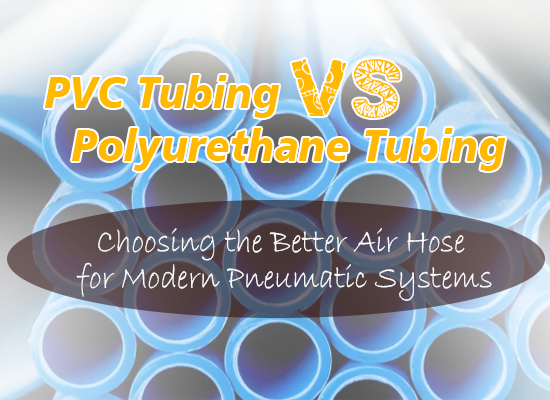 PVC Tubing vs Polyurethane Tubing: Choosing the Better Air Hose for Modern Pneumatic Systems
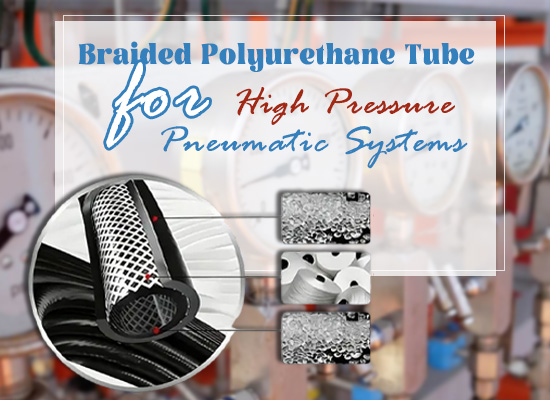 Braided Polyurethane Tube for High Pressure Pneumatic Systems
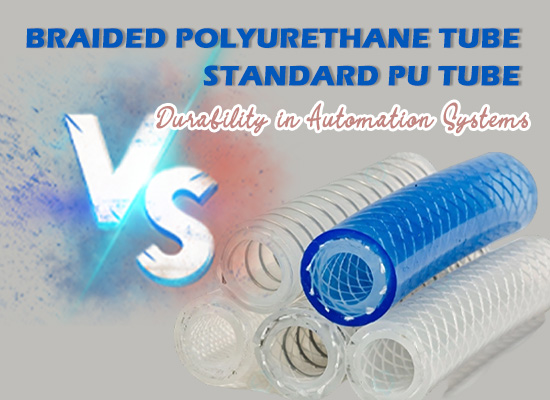 PUB Braided Polyurethane Tube vs Standard PU Tube: Durability in Automation Systems
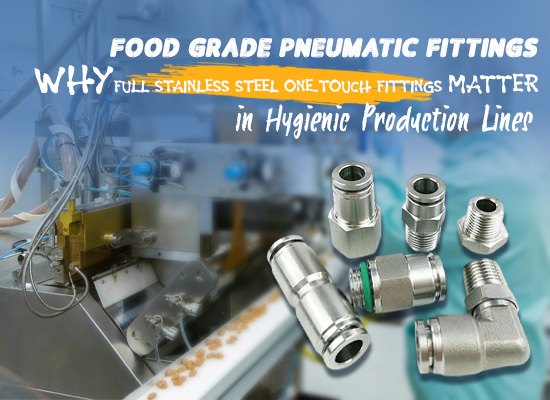 Food Grade Pneumatic Fittings: Why Full Stainless Steel One-Touch Fittings Matter in Hygienic Production Lines
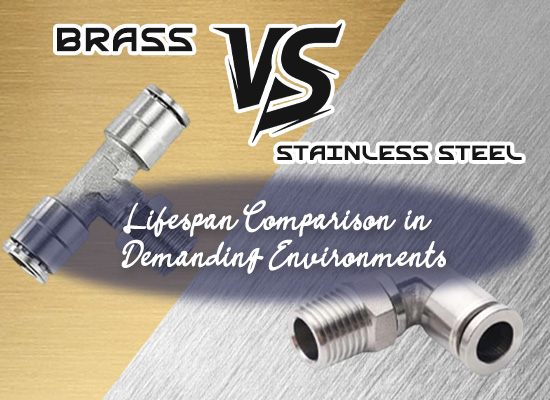 Brass vs Stainless Steel Fittings: Lifespan Comparison in Demanding Environments
You May Interest In
Dec 10, 2025 Blog
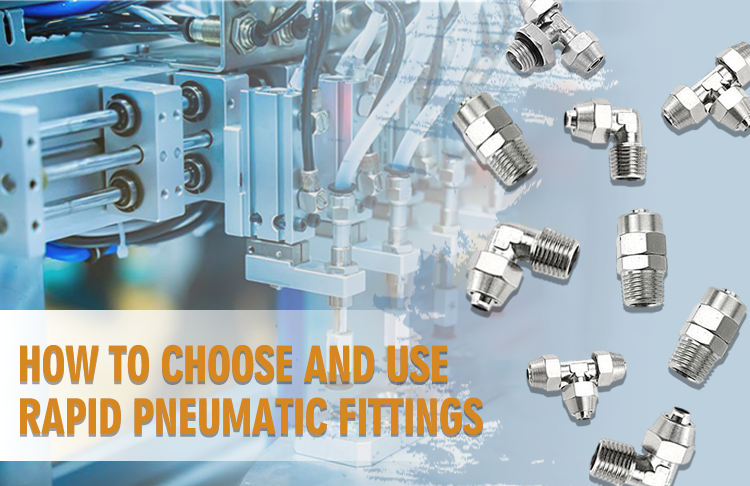
How to Choose and Use Rapid Pneumatic Fittings
Dec 08, 2025 Blog
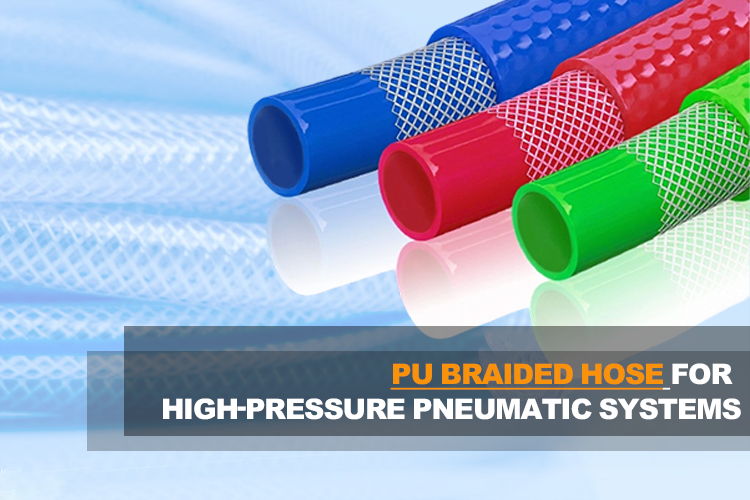
PU Braided Hose for High-Pressure Pneumatic Systems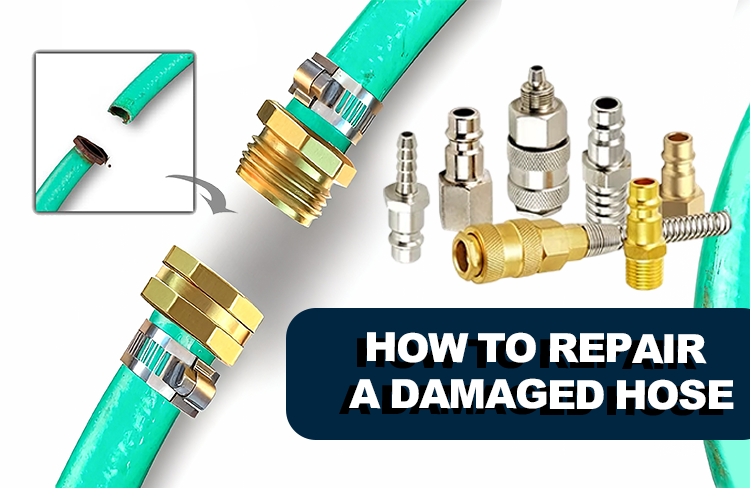
Dec 05, 2025 Blog
How to Repair a Damaged Hose Using a Hose Mender
Get a free sample

Links: www.fescolo.com(Pneumatic)
FOKCA ©1998-2025 All Rights Reserved Sitemap