Dec 30, 2025
In industrial automation, Polyurethane pneumatic tubes are widely used for their flexibility, chemical resistance, and ease of installation. However, like all materials, PU tubes are not immune to aging. Recognizing early signs of fatigue helps prevent unexpected downtime, reduces maintenance costs, and ensures consistent performance in pneumatic systems.
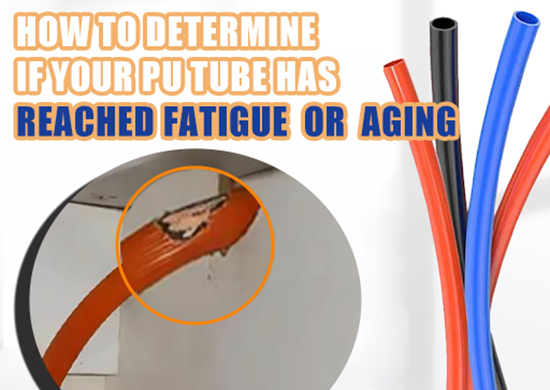
One of the most straightforward ways to assess tube health is through visual inspection. Discoloration, surface cracks, or brittleness often indicate polymer degradation. In long-term installations, a PU tube may appear slightly hardened or develop micro-fissures, especially near fittings where stress concentration occurs. Routine inspection allows engineers to identify high-risk areas before failure.
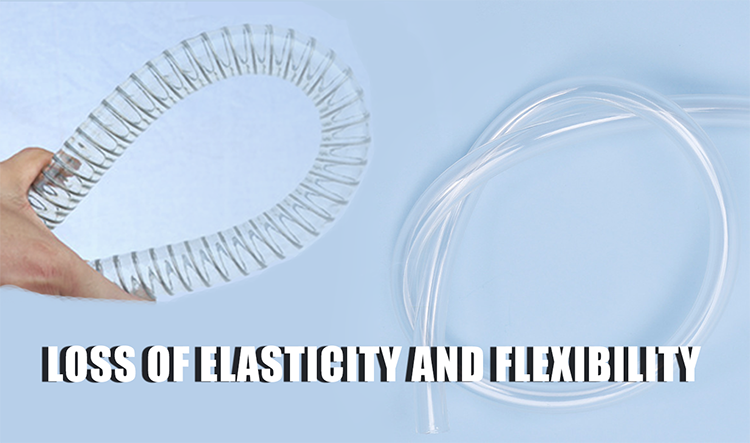
Flexible pneumatic hoses should return to their original shape after bending. If a tube becomes stiff, resists bending, or shows permanent deformation, it is a sign of material fatigue. Over time, repeated expansion and contraction under normal working pressure gradually reduce the polymer’s elasticity, shortening the tube’s service life. FOKCA’s anti-aging PU tubes are engineered to maintain flexibility longer, even under dynamic pressure cycles.
PU tubes under continuous use may experience a drop in pressure tolerance. Minor leaks or slower system response can be early indicators of aging. For industrial automation tubing, maintaining consistent air flow and pressure is critical. Using high-quality FOKCA polyurethane pneumatic tubes ensures that pressure performance remains stable over time, extending tube lifespan and system reliability.
Another sign of aging is surface hardening. In high-temperature or high-cycle environments, PU tubes may lose the soft, flexible texture and become brittle. Brittle tubes are more prone to cracking under mechanical stress or vibration. Engineers and end-users can use simple manual tests, such as gently bending and compressing the tube, to detect reduced resilience.
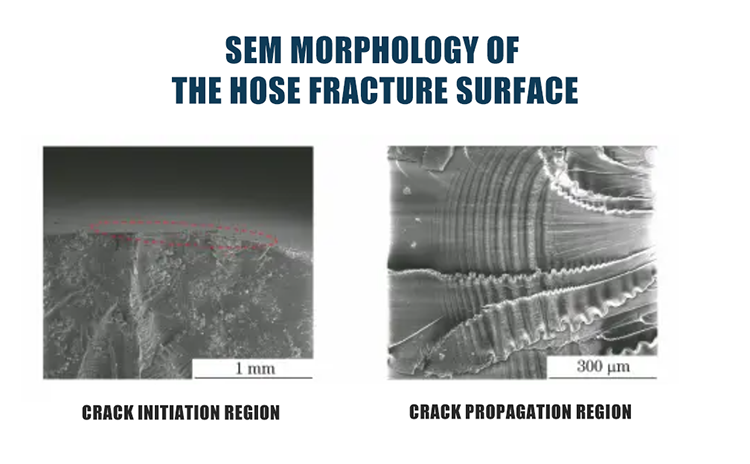
Temperature fluctuations, UV exposure, moisture, and chemical contact can all accelerate PU tube fatigue. Outdoor installations or proximity to heat sources are particularly at risk. FOKCA’s tubing series addresses these challenges with enhanced material formulation and protective layers, ensuring anti-aging properties and stable performance in diverse environments.
To maximize the service life of flexible pneumatic hoses, regular monitoring is essential. Schedule inspections for discoloration, brittleness, micro-cracks, and pressure performance. Replace tubes showing any of these signs to prevent unexpected system downtime. For distributors, engineers, and procurement teams, specifying FOKCA anti-aging PU tubes guarantees longer maintenance intervals, reduced replacement frequency, and higher customer satisfaction.
PU tube fatigue is cumulative, not sudden. Detecting visual changes, testing flexibility, monitoring pressure performance, and considering environmental factors are key to proactively maintaining tube reliability. Using FOKCA polyurethane pneumatic tubes provides a reliable solution with extended lifespan, helping your automation systems perform safely and efficiently.
(FK9026)
 PVC Tubing vs Polyurethane Tubing: Choosing the Better Air Hose for Modern Pneumatic Systems
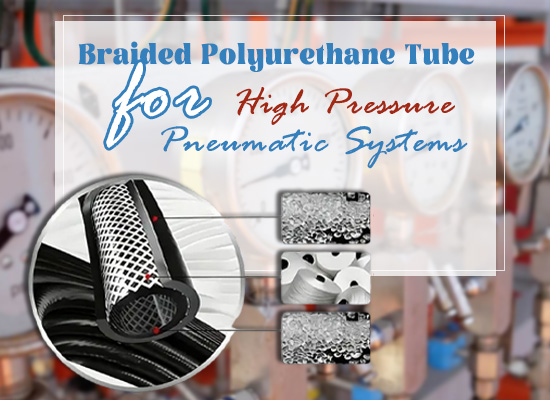 Braided Polyurethane Tube for High Pressure Pneumatic Systems
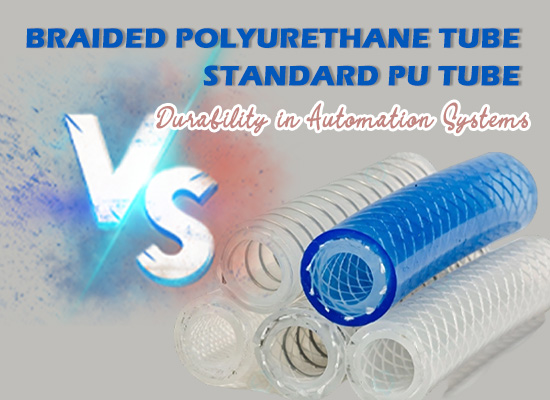 PUB Braided Polyurethane Tube vs Standard PU Tube: Durability in Automation Systems
 Food Grade Pneumatic Fittings: Why Full Stainless Steel One-Touch Fittings Matter in Hygienic Production Lines
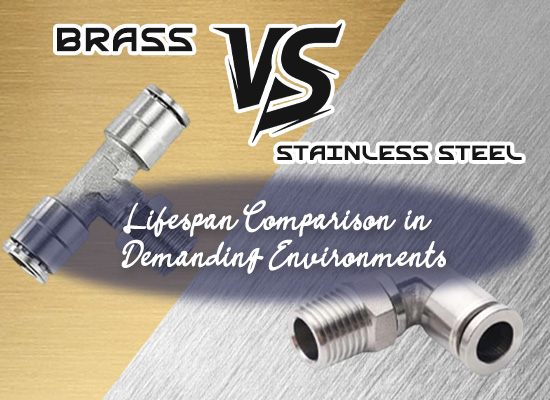 Brass vs Stainless Steel Fittings: Lifespan Comparison in Demanding Environments
You May Interest In
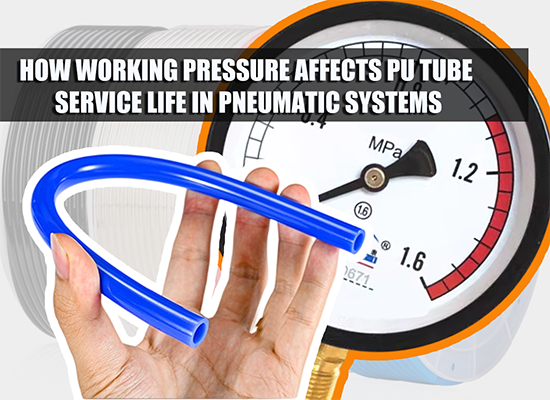

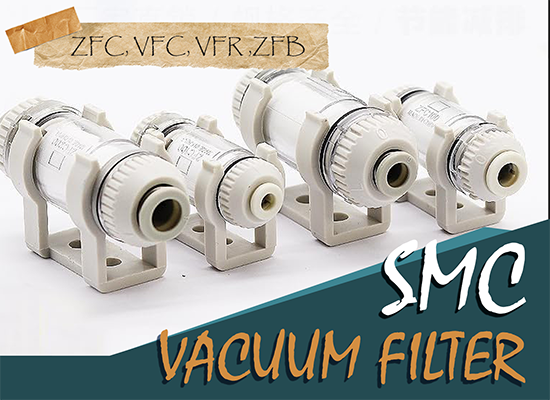



Dec 23, 2025 Blog
How to install compression fitting on copper pipe
Dec 22, 2025 Blog
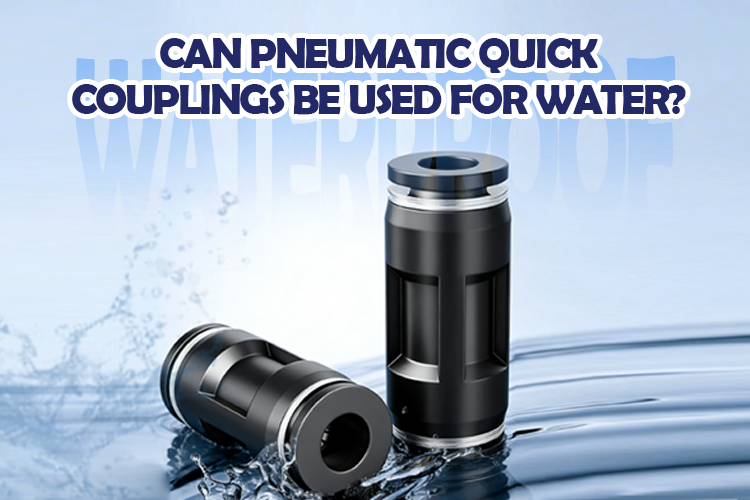
Can Pneumatic Quick Couplings Be Used for Water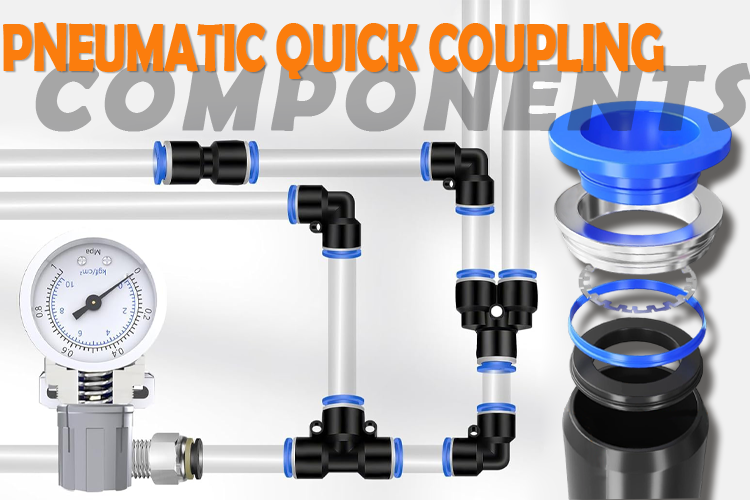








Dec 10, 2025 Blog
How to Choose and Use Rapid Pneumatic Fittings
Dec 08, 2025 Blog
PU Braided Hose for High-Pressure Pneumatic Systems


Get a free sample

Links: www.fescolo.com(Pneumatic)
FOKCA ©1998-2025 All Rights Reserved Sitemap