Dec 12, 2025
Most performance issues in pneumatic systems begin with unsteady motion or excessive cylinder speed. In these cases, technicians typically start by checking whether the end actuator is equipped with a throttle valve. This small but essential device controls airflow by changing the effective flow cross-section, allowing the speed of a pneumatic cylinder to be adjusted with precision.
For equipment engineers and distributors, choosing and adjusting a throttle valve correctly determines whether a machine can run smoothly and consistently over long production cycles.
A throttling valve is usually placed directly on the cylinder’s inlet or exhaust port. Although both control methods regulate speed, their effects are distinct. Inlet throttling is suitable for light-load, faster adjustments, while exhaust throttling generates smoother motion and minimizes impact at stroke ends.
Imagine a packaging machine where a cylinder slams onto a bottle cap mold. Slightly reducing the exhaust-side opening allows the cylinder to decelerate naturally, reducing mechanical vibration and preventing product misalignment. This is why throttle valves remain one of the most cost-effective and reliable tools for speed control in industrial automation.
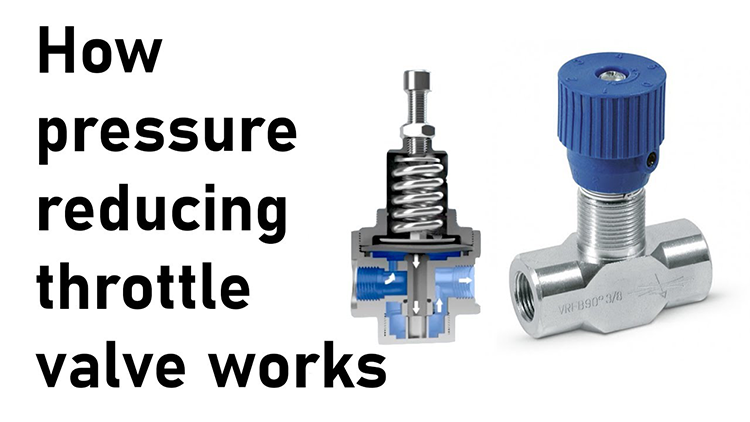
Selecting a throttle valve is not a one-size-fits-all process. Different systems require different flow characteristics, and matching valve specifications with cylinder dimensions is essential. Key selection parameters include:
1.Cv value / effective orifice size — determines maximum airflow
2.Thread type and size — M5, 1/8", 1/4", 3/8" and others
3.Body material — brass, nickel-plated brass, stainless steel, engineering plastic
4.Sealing structure — influences pressure stability and durability
The following reference table is commonly used in equipment design and aftermarket servicing. It helps prevent speed-control failure caused by using an undersized throttling valve.
Throttle Valve Selection Guide
Cylinder Bore | Recommended Valve Port | Typical Flow Range (Industry Data) |
16–25 mm | M5 / 1/8 | 80–150 L/min |
32–63 mm | 1/4 | 200–450 L/min |
80–125 mm | 3/8–1/2 | 500–900 L/min |
For large cylinders, long-stroke actuators, or equipment operating at high cycle rates, FOKCA offers customized throttling valves with enlarged orifices, reinforced threads, and corrosion-resistant materials, ensuring stable flow even under demanding conditions.
A throttle valve adjusts speed, not pressure. When technicians need clear visibility and consistent control of supply pressure, a pressure regulator becomes essential.
This regulator is typically part of an FRL (Filter–Regulator–Lubricator) unit, installed at the front end of the pneumatic system. The pressure regulator — often referred to as a pressure regulator valve — is equipped with a pressure gauge, making it easy to set and maintain the desired operating pressure.
A stable pressure supply ensures that downstream components such as cylinders, solenoid valves and air grippers do not experience overload. Combining a pressure regulator with a thorough throttling strategy helps reduce wear, improve repeatability and extend the lifespan of the entire pneumatic system — a key concern for factories seeking to lower maintenance costs.
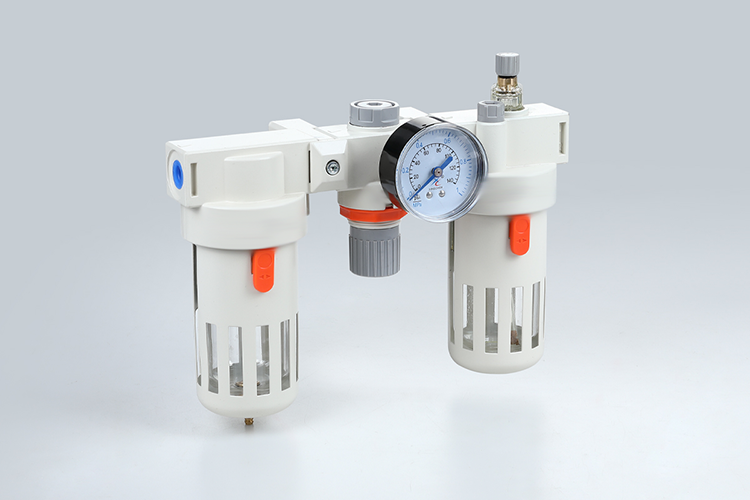
Technicians frequently fine-tune speed and pressure after installation or during maintenance. A structured adjustment method ensures the system remains safe and predictable:
1.Set the supply pressure using the pressure regulator valve on the FRL unit. For most industrial machines, 0.5–0.7 MPa is considered a standard working range (based on general industry guidelines).
2.Start with a smaller throttle opening, then gradually increase. This avoids sudden movement that can damage fixtures or injure operators.
3.Prefer exhaust throttling when stabilizing high-speed operation—especially on sorting machines, pick-and-place arms, or packaging lines.
4.Lock the adjustment nut after fine-tuning. Vibrations during long-term operation may cause unprotected valves to drift from their settings.
This method allows maintenance staff to troubleshoot quickly and helps distributors provide competent technical support.
Throttle valves are widely used in sectors where movement consistency, cycle speed and reliability are critical. Common applications include:
◆Robotic handling and pick-and-place systems requiring precise stroke timing
◆Clamping and pressing modules where controlled deceleration protects workpieces
◆High-frequency cylinders on packaging, cutting and assembly lines
◆Noise-sensitive equipment, where smoother airflow reduces mechanical impact
For engineers, a reliable throttling valve provides predictable motion control. For distributors and procurement managers, it ensures compatibility across different brands and models, simplifying spare part management and improving system stability.
FOKCA throttle valves are widely supplied to OEM manufacturers, automation equipment builders and global distributors. They offer several advantages that stand out in real machine environments:
◆Precise and stable throttling curves: High-precision machined valve cores maintain consistent flow, preventing speed fluctuations during long-term operation.
◆Multiple material options: Stainless steel, anodized aluminum and nickel-plated brass versions suit food processing, chemical exposure, moisture-rich environments or standard industrial applications.
◆Full compatibility: All throttle valves follow global thread standards and can be used as drop-in replacements for well-known brands.
◆OEM/ODM flexibility: Custom flow ranges, miniaturized designs, corrosion-resistant structures, and special mounting styles are available for equipment manufacturers.
For distributors, these features translate into a high-margin, low-failure-rate product line. For end users, they deliver predictable control and long service life.
Speed control and pressure regulation are often treated as separate topics, but in practice they work best together. A correctly sized throttle valve determines the motion quality of each actuator, while a stable pressure regulator sets the baseline performance for the entire system.
Factories benefit from fewer breakdowns and smoother operation. Procurement teams gain a reliable supply chain with compatible components. Distributors can offer professional recommendations with confidence, backed by a complete product ecosystem.
FOKCA provides a full pneumatic portfolio — from throttling valves and pressure regulators to cylinders, solenoid valves, fittings and customized solutions — making it easier for partners to support diverse industrial sectors without managing multiple suppliers.
For more information on polyolefin tubings, please do not hesitate to Contact us.
(FK9026)
 PVC Tubing vs Polyurethane Tubing: Choosing the Better Air Hose for Modern Pneumatic Systems
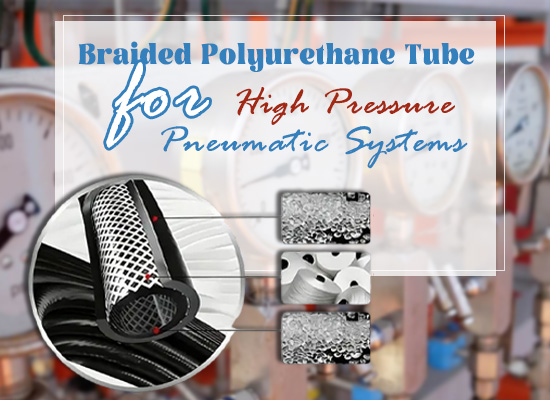 Braided Polyurethane Tube for High Pressure Pneumatic Systems
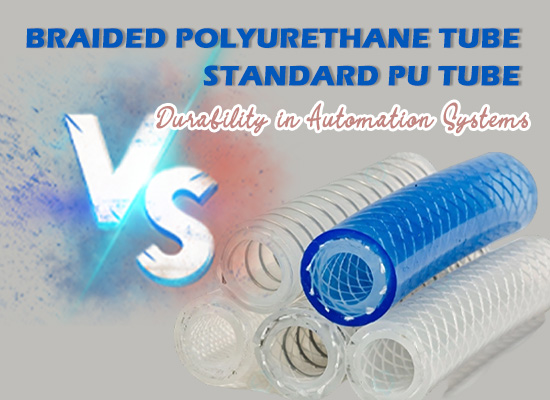 PUB Braided Polyurethane Tube vs Standard PU Tube: Durability in Automation Systems
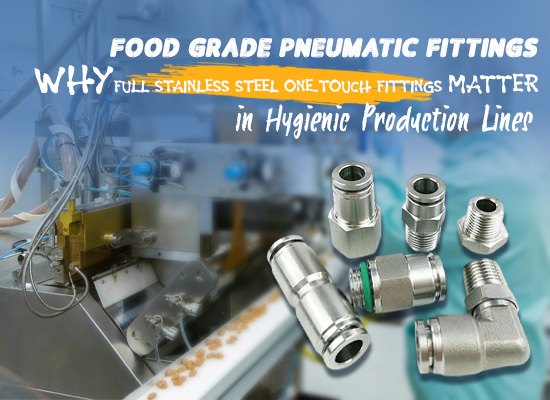 Food Grade Pneumatic Fittings: Why Full Stainless Steel One-Touch Fittings Matter in Hygienic Production Lines
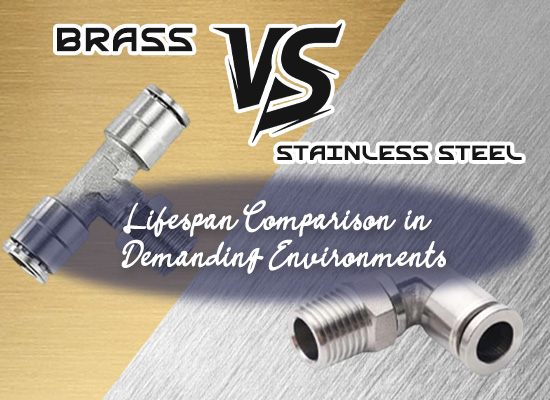 Brass vs Stainless Steel Fittings: Lifespan Comparison in Demanding Environments
You May Interest In
Dec 08, 2025 Blog
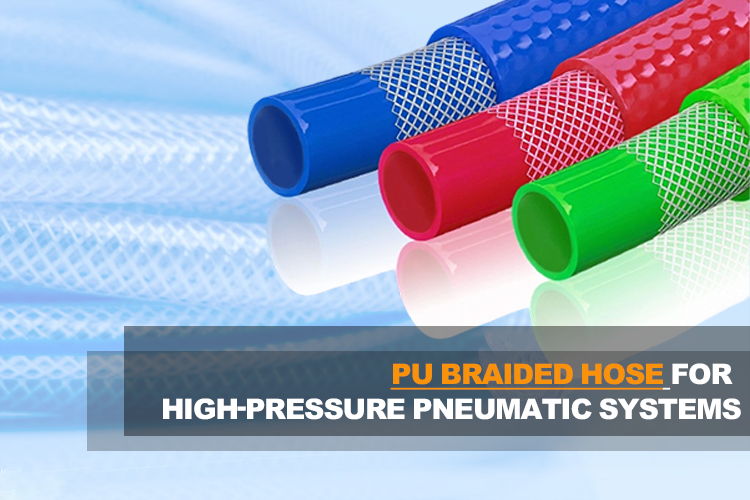
PU Braided Hose for High-Pressure Pneumatic Systems


Get a free sample

Links: www.fescolo.com(Pneumatic)
FOKCA ©1998-2025 All Rights Reserved Sitemap