Mar 31, 2026
In industrial systems where moisture, chemicals, or salt exposure are unavoidable, selecting the right stainless steel push in fitting becomes a critical engineering decision. While both 304 and 316 are widely used materials, their real-world performance in corrosive environments can vary significantly, directly affecting system reliability, maintenance cycles, and long-term cost.
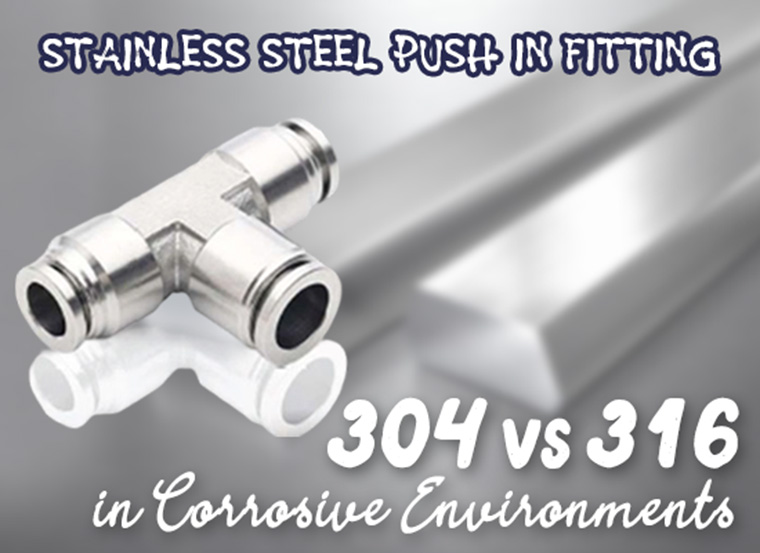
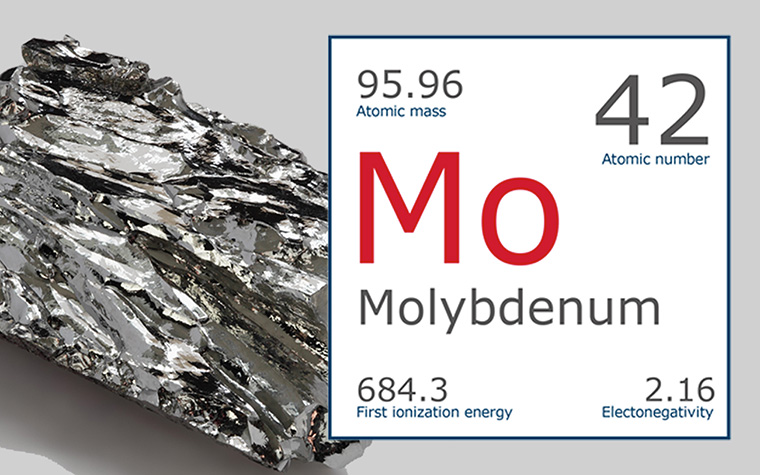
When comparing a 304 stainless steel pneumatic fitting with a 316 version, the main difference lies in chemical composition—specifically the addition of molybdenum in 316. This element significantly enhances resistance to chloride corrosion.
In salt-heavy or humid environments, 304 fittings may develop surface rust over time, especially in areas with poor ventilation. In contrast, 316 stainless steel fitting offers superior resistance to pitting and crevice corrosion, making it more suitable for harsh conditions.
Key takeaway: 316 performs better in aggressive environments, while 304 is sufficient for general industrial use.
Salt spray testing is often used to simulate long-term exposure in marine or coastal environments. Based on industry testing data, 316 stainless steel typically withstands over 1000 hours of salt spray exposure, while 304 may begin to show corrosion signs much earlier.
| Material | Salt Spray Resistance | Typical Outcome |
|---|---|---|
| 304 Stainless Steel | 200–500 hours | Surface corrosion may appear |
| 316 Stainless Steel | 1000+ hours | Minimal to no corrosion |
This difference makes corrosion resistant pneumatic fittings made from 316 the preferred choice in shipbuilding, offshore platforms, and coastal automation systems.
Beyond salt exposure, chemical resistance is another key factor. In industries such as chemical processing or wastewater treatment, fittings are often exposed to acidic or alkaline substances.
A 316 stainless steel fitting performs significantly better when exposed to mild acids and chlorides, whereas 304 may degrade faster under the same conditions. For example, in environments containing sulfuric acid traces or cleaning chemicals, 316 maintains structural integrity longer.
This is particularly important in applications where leakage could lead to safety risks or product contamination.
From a purchasing perspective, 304 fittings are generally more cost-effective upfront. However, when evaluating total lifecycle cost, the picture changes.
1.304 stainless steel pneumatic fitting: Lower initial cost, suitable for dry or low-corrosion environments
2.316 stainless steel fitting: Higher upfront cost, but longer service life and reduced maintenance
For distributors and procurement managers, this distinction is crucial. In high-corrosion environments, frequent replacement of 304 fittings can quickly exceed the initial savings.
Conclusion in practice: choosing 316 often reduces downtime and long-term operational cost.
Selecting the right stainless steel push in fitting should always be based on actual working conditions rather than material cost alone.
| Application Environment | Recommended Material |
|---|---|
| Indoor automation equipment | 304 Stainless Steel |
| Food & beverage processing | 316 Stainless Steel |
| Chemical industry | 316 Stainless Steel |
| Marine / coastal systems | 316 Stainless Steel |
For example, in a beverage filling line, frequent washdowns and cleaning agents require corrosion resistant pneumatic fittings to prevent contamination and ensure compliance with hygiene standards.
Material selection is only one part of system reliability. Matching fittings with compatible tubing and valves is equally important.
When designing a system, engineers often combine stainless steel fittings with high-performance tubing such as PTFE or reinforced PU hoses. For more details on tubing compatibility, you can refer to our guide on pneumatic tubing selection.
Additionally, pairing fittings with high-quality valves improves overall system efficiency. Learn more in our article on pneumatic valve selection for automation systems.
In one coastal automation project, a system initially used 304 fittings due to budget constraints. Within six months, visible corrosion led to air leakage and repeated maintenance. After switching to 316 stainless steel fitting, the system operated for over two years without significant issues.
This kind of scenario highlights a common engineering lesson: material choice directly impacts system stability.
Choosing between 304 and 316 is not just a material decision—it’s a balance between environment, performance, and lifecycle cost. For applications exposed to corrosion, investing in the right corrosion resistant pneumatic fittings ensures long-term reliability and reduces operational risks.
(FK9026)
 PVC Tubing vs Polyurethane Tubing: Choosing the Better Air Hose for Modern Pneumatic Systems
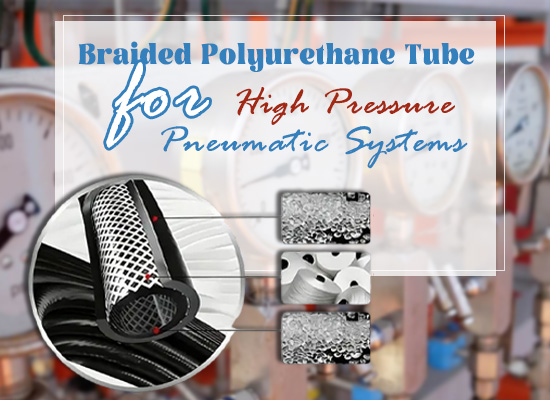 Braided Polyurethane Tube for High Pressure Pneumatic Systems
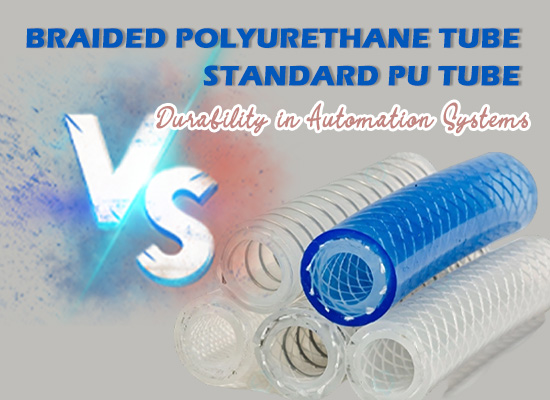 PUB Braided Polyurethane Tube vs Standard PU Tube: Durability in Automation Systems
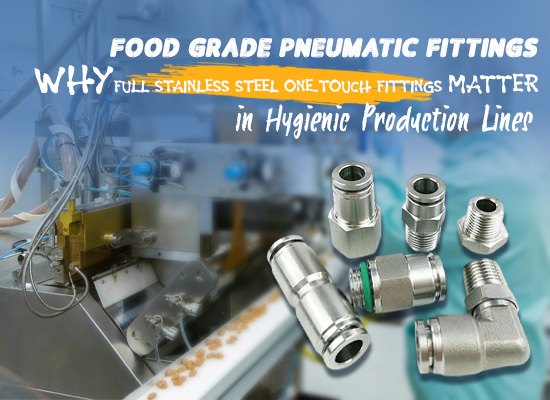 Food Grade Pneumatic Fittings: Why Full Stainless Steel One-Touch Fittings Matter in Hygienic Production Lines
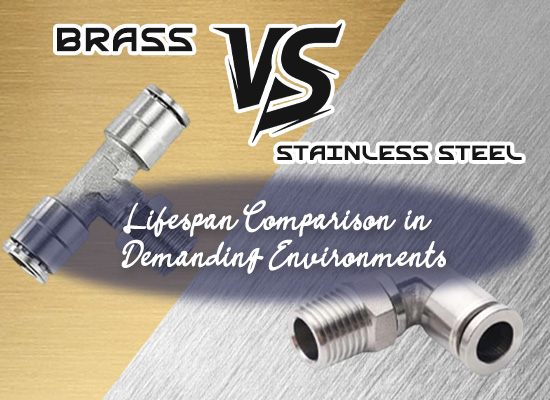 Brass vs Stainless Steel Fittings: Lifespan Comparison in Demanding Environments
You May Interest In
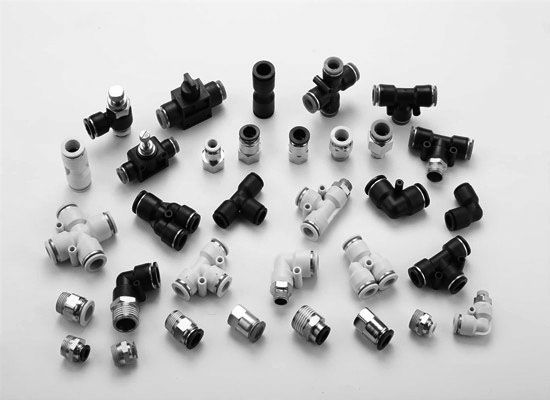
May 07, 2025 Blog
Comprehensive Analysis of Pneumatic Push in Fittings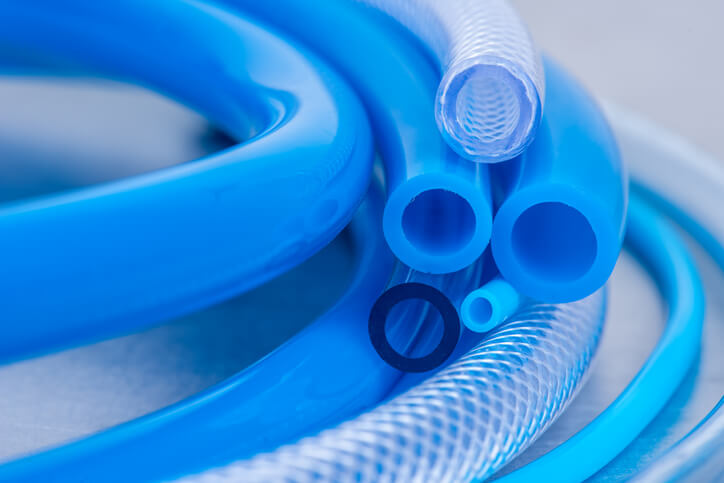
Apr 22, 2025 Blog
Solution for Nylon Tube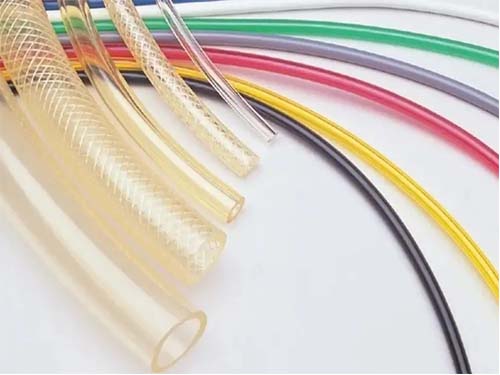
Apr 16, 2025 Blog
PVC Tubing vs. Polyurethane Tubing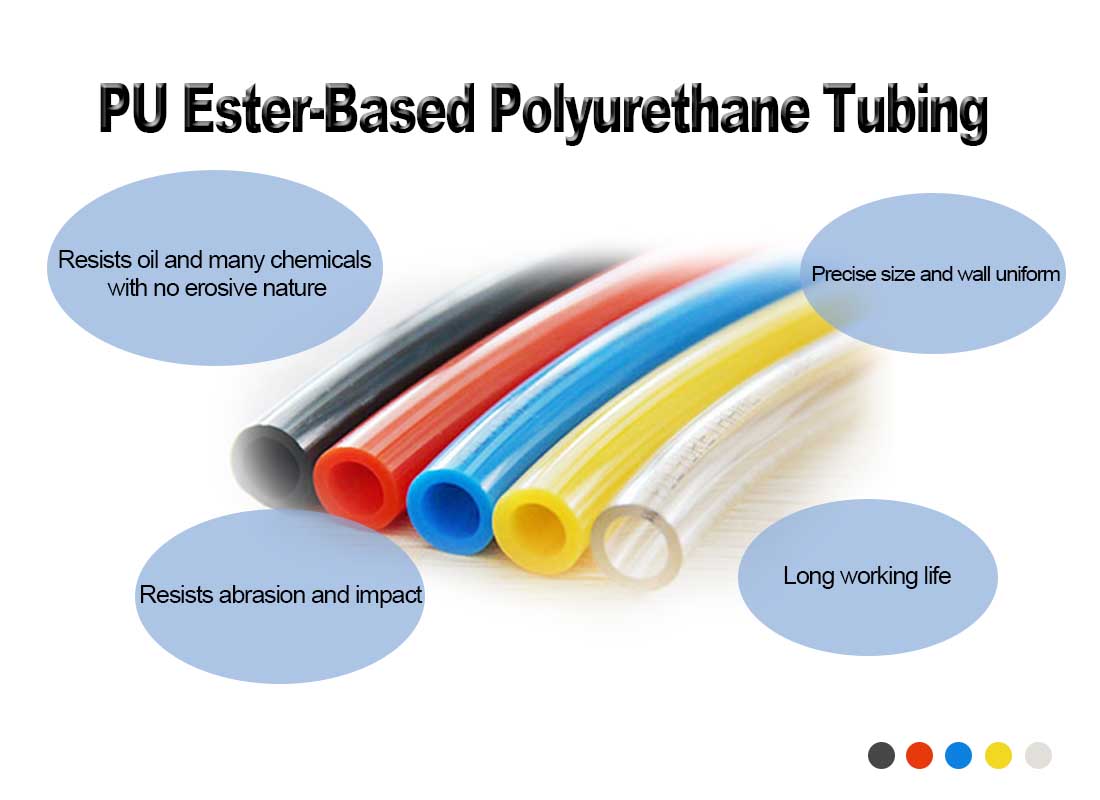
Apr 10, 2025 Blog
What is the difference between pu and pvc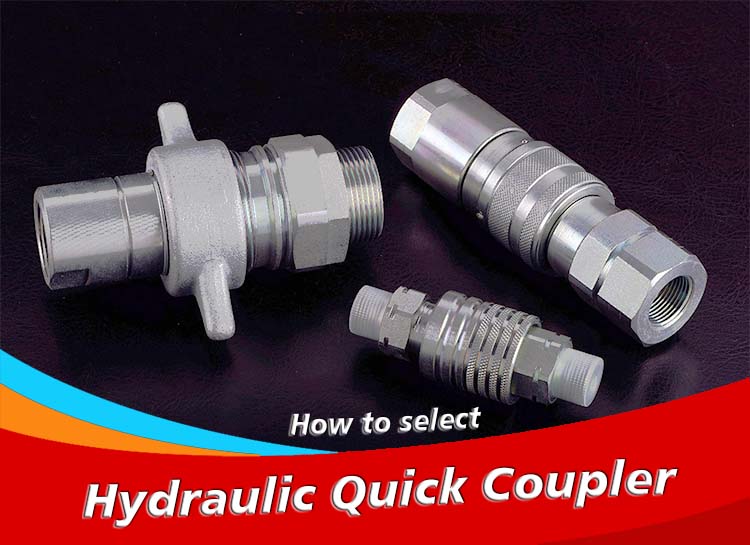
Feb 24, 2025 Blog
How to Identify Hydraulic Quick Couplers?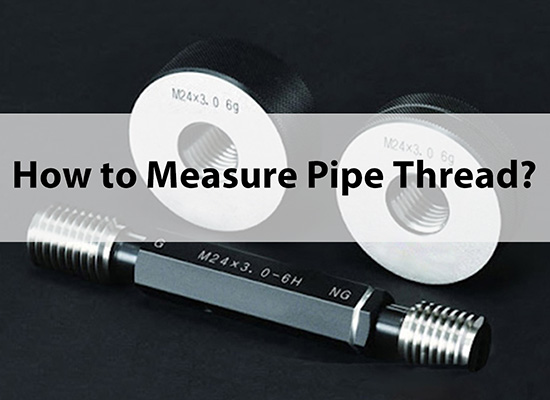
Jan 21, 2025 Blog
How to Measure Pipe Thread?
Jan 16, 2025 Blog
What Is Pipe thread?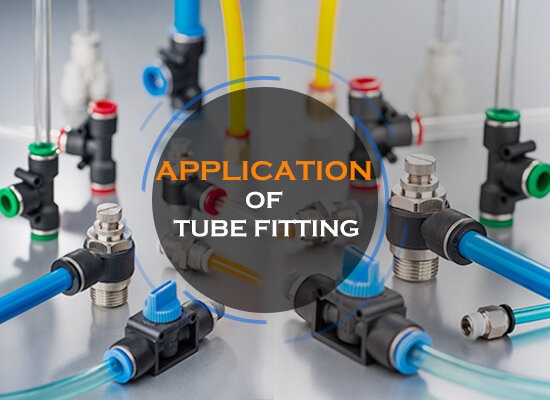
Dec 04, 2024 Blog
Application Of Tube Fitting
Jun 26, 2023 Blog
What Is The Difference Between LLDPE And LDPE?
Jan 17, 2023 Blog
What Are The Classification Of Plastics?
Get a free sample

Links: www.fescolo.com(Pneumatic)
FOKCA ©1998-2025 All Rights Reserved Sitemap