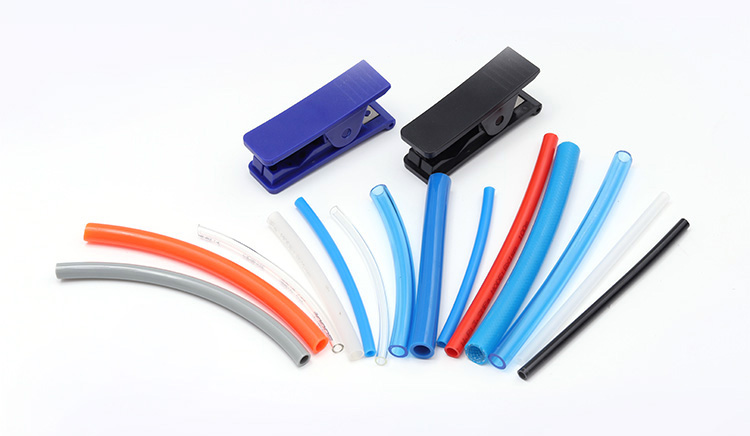
In high-speed automation, polyurethane tubing is widely used due to its flexibility and ease of installation. However, in many packaging machine tubing systems, engineers often notice faster-than-expected wear. This is not a material defect, but a result of specific operating conditions within a pneumatic system. Understanding these factors helps reduce downtime and improve overall equipment efficiency.
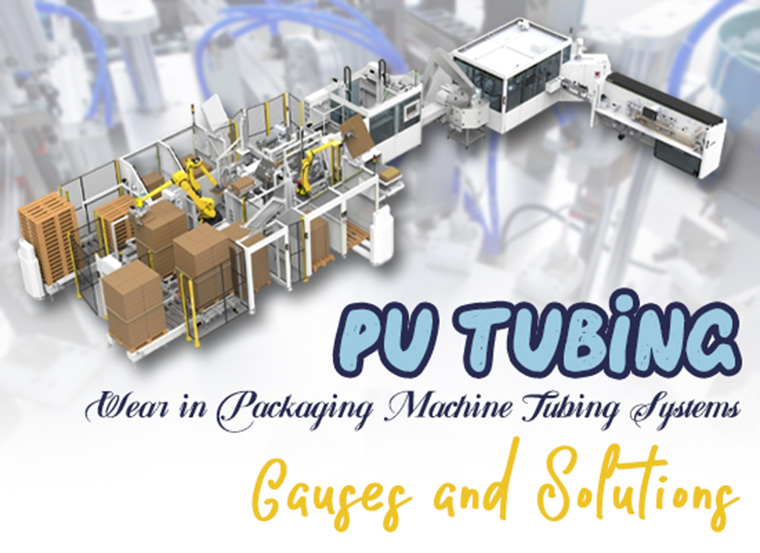
Why Polyurethane Tubing Wears Faster in Packaging Equipment
Packaging lines typically run at high cycle speeds, with continuous motion and rapid air switching. In this environment, PU hose is constantly exposed to dynamic stress, including vibration, bending, and friction.
Unlike static installations, tubing in packaging machines is rarely fixed in place. It moves with actuators and robotic arms, increasing surface contact with machine frames. Continuous micro-friction is one of the primary causes of abrasion tubing failure in these systems.
High-Speed Motion and Repeated Bending Stress
Another critical factor is repeated bending. In cartoning or filling machines, tubing follows moving parts thousands of times per hour. Over time, this leads to material fatigue.
Compared to rigid materials, polyurethane tubing offers flexibility but sacrifices long-term fatigue resistance under extreme cycling. This is especially evident in tight routing areas where the bending radius is small. Engineers often underestimate how quickly this stress accumulates.
Contact with Machine Surfaces and Abrasion Points
In real production lines, tubing is often routed through brackets, metal edges, or cable chains. These contact points become wear hotspots.
The table below shows common abrasion sources in packaging machine tubing setups:
| Contact Area | Wear Risk Level | Typical Issue |
|---|
| Metal brackets | High | Surface scratching |
| Cable chains | Medium | Repeated friction |
| Sharp edges | Very High | Rapid cutting damage |
| Loose routing areas | Medium | Random vibration wear |
This highlights a key insight: abrasion tubing failure is often caused by external contact, not internal pressure.
Air Pressure Fluctuation and Micro-Movement
In a fast-cycle pneumatic system, pressure changes happen rapidly. These fluctuations cause slight expansion and contraction of the tubing.
While minimal, this repeated movement increases friction between the tubing and surrounding surfaces. Over time, this micro-movement accelerates wear in polyurethane tubing, especially in long air lines or poorly secured layouts.
Material Selection vs Application Reality
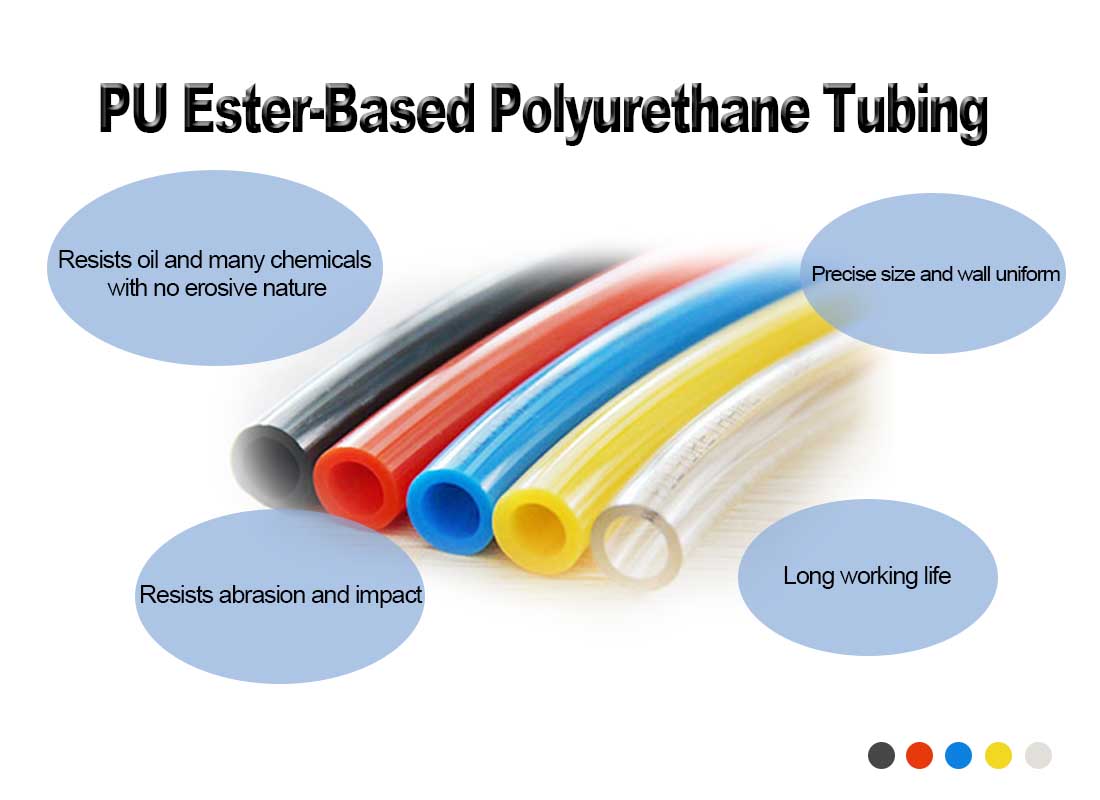
Although PU hose is known for excellent flexibility and abrasion resistance, it is not always the optimal choice for every packaging scenario. In high-friction zones, nylon tubing may offer better rigidity, while reinforced tubing provides improved durability.
For demanding environments, combining materials can be more effective. For example:
→ [polyurethane tubing for flexible routing]
→ [reinforced pneumatic tubing solutions]
This approach allows engineers to balance flexibility and wear resistance.
Practical Ways to Reduce Tubing Wear
To extend service life, system optimization is often more effective than simply changing materials. Several practical improvements can significantly reduce wear:
1.Use protective sleeves or spiral wraps in high-friction areas
2.Avoid sharp edges and ensure smooth routing paths
3.Maintain proper bending radius to reduce stress
4.Secure tubing to minimize vibration and movement
In packaging environments, tubing wear is rarely caused by a single factor. It results from the combined effects of motion, friction, and system design. Selecting the right polyurethane tubing, combined with proper routing and component matching, ensures longer service life and more stable operation in demanding production lines.
(FK9026)

 PVC Tubing vs Polyurethane Tubing: Choosing the Better Air Hose for Modern Pneumatic Systems
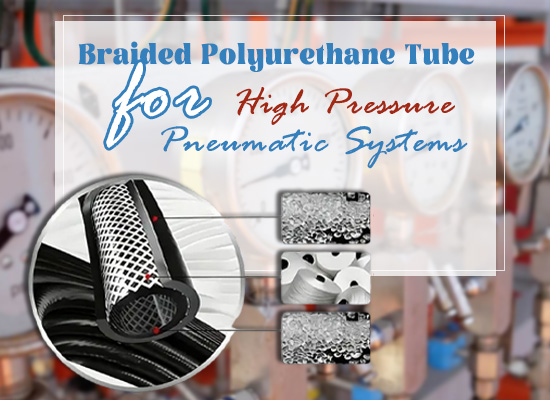 Braided Polyurethane Tube for High Pressure Pneumatic Systems
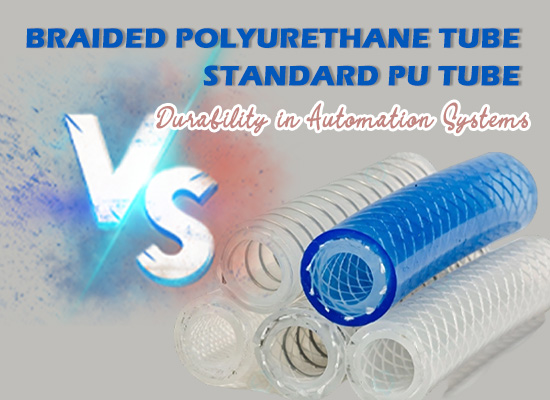 PUB Braided Polyurethane Tube vs Standard PU Tube: Durability in Automation Systems
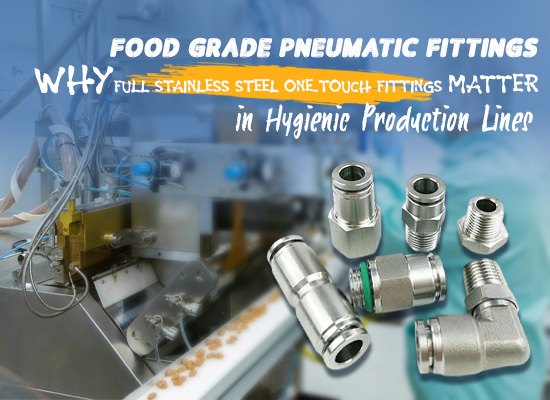 Food Grade Pneumatic Fittings: Why Full Stainless Steel One-Touch Fittings Matter in Hygienic Production Lines
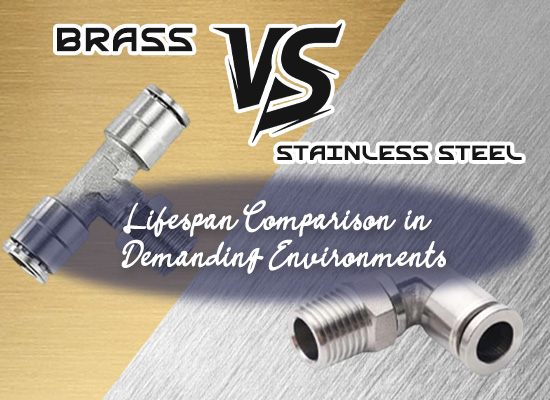 Brass vs Stainless Steel Fittings: Lifespan Comparison in Demanding Environments