Mar 26, 2026
In compressed air systems, pneumatic push in fitting designs may look similar at first glance, yet their internal structure can vary significantly. One of the most noticeable differences is the presence—or absence—of a release sleeve. This small component directly affects installation, maintenance, and system reliability, making it a key consideration for engineers and buyers working with Pneumatic Quick Coupling solutions.
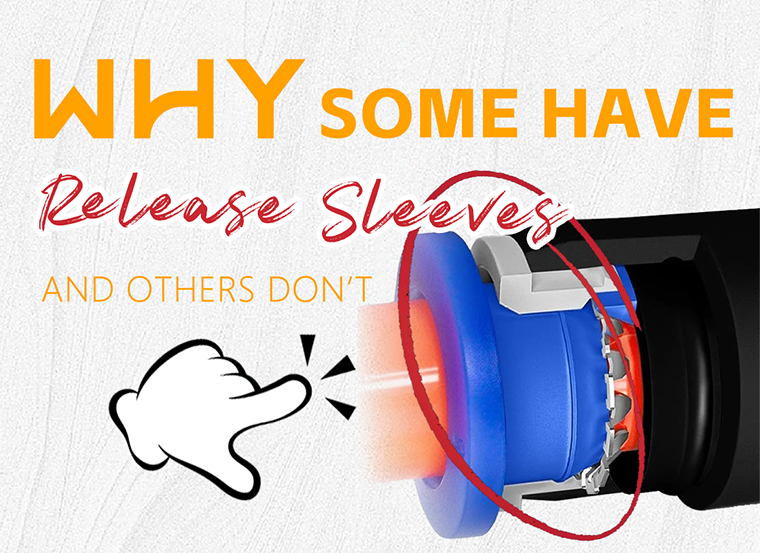
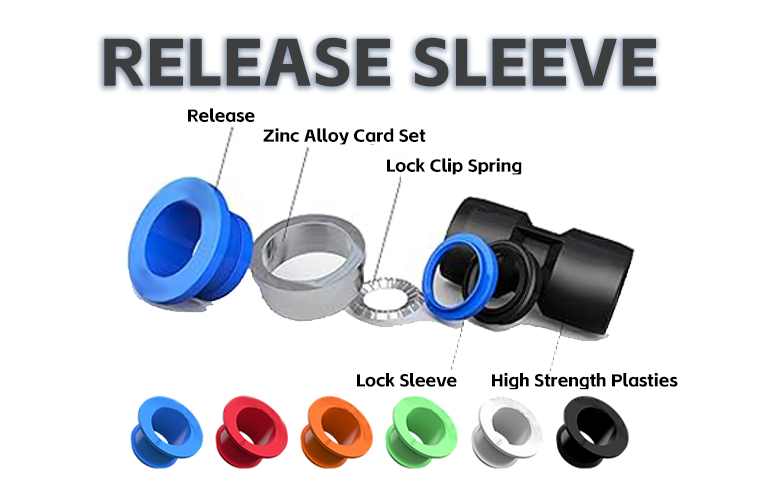
A release sleeve is the outer ring or collar on a pneumatic push in fitting that allows users to disconnect tubing quickly. By pressing the sleeve, the internal gripping mechanism loosens, enabling safe removal of the tube without damage.
This design is widely used in automation because it provides tool-free disconnection and reduces downtime during maintenance. In contrast, fittings without a release sleeve often rely on threaded or fixed connections, which require tools and more time to disassemble.
In high-cycle production lines, even a few seconds saved per maintenance task can significantly impact overall efficiency.
Not all air fitting design approaches include a release sleeve, and this is usually intentional rather than a cost-cutting decision.
Fittings without sleeves are typically used where:
◆Permanent or semi-permanent connections are preferred
◆Vibration resistance is critical
◆Space constraints limit external components
In these cases, eliminating the sleeve reduces the risk of accidental disconnection. For example, in heavy machinery or mobile equipment, a more rigid connection can improve operational safety.
The presence of a release sleeve changes the internal structure of a pneumatic push in fitting, especially in how it grips and seals the tubing.
| Feature | With Release Sleeve | Without Release Sleeve |
|---|---|---|
| Tube Removal | Quick and tool-free | Requires tools or cutting |
| Installation Speed | Fast | Moderate |
| Vibration Resistance | Moderate | High |
| Maintenance Frequency | Frequent systems | Low-maintenance systems |
| Risk of Accidental Release | Possible if misused | Very low |
These differences highlight a key engineering trade-off: ease of maintenance vs. connection security.
Selecting between sleeve and non-sleeve designs depends heavily on the application environment.
In automated assembly lines, Pneumatic Quick Coupling fittings with release sleeves are preferred because operators frequently adjust or replace tubing. The ability to disconnect quickly without tools improves workflow efficiency.
On the other hand, in industries such as mining or heavy equipment, fittings without sleeves are often chosen for their robust and tamper-resistant structure. These systems prioritize stability over flexibility.
For systems requiring frequent reconfiguration, using high-quality quick connect pneumatic fittings can significantly reduce labor time and error rates.
Beyond structure, material selection also influences whether a release sleeve is used. Plastic-bodied fittings often integrate sleeves due to their lightweight and modular design, while metal fittings—especially stainless steel—may favor fixed connections for durability.
Stainless steel fittings offer better corrosion resistance, making them suitable for harsh environments where sleeve mechanisms might be exposed to contaminants. In such cases, a simplified structure without a sleeve can improve long-term reliability.
When evaluating a pneumatic push in fitting, the decision should not be based solely on convenience. Instead, consider the full operating context:
◆Maintenance frequency: Choose sleeve designs for frequent adjustments
◆Environmental conditions: Dust, moisture, and vibration may favor non-sleeve designs
◆Safety requirements: Critical systems benefit from more secure connections
◆System flexibility: Modular systems require faster disconnection options
For example, many OEM projects integrate both types within the same system—using sleeve fittings in accessible areas and fixed fittings in critical zones. This hybrid approach balances efficiency and reliability.
If you're sourcing fittings for a new project, reviewing options like push in pneumatic fittings for automation systems or stainless steel air fittings for industrial use can help match performance with real-world demands.
Understanding why some fittings include a release sleeve while others don’t is less about product variation and more about engineering intent. Each design reflects a specific balance between usability, durability, and system safety—choosing the right one ensures the entire pneumatic system performs as expected over time.
(FK9026)
 PVC Tubing vs Polyurethane Tubing: Choosing the Better Air Hose for Modern Pneumatic Systems
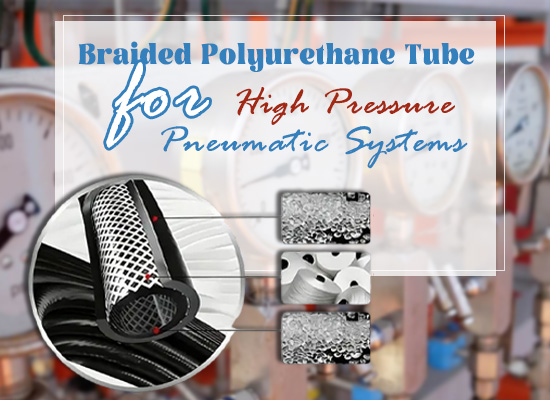 Braided Polyurethane Tube for High Pressure Pneumatic Systems
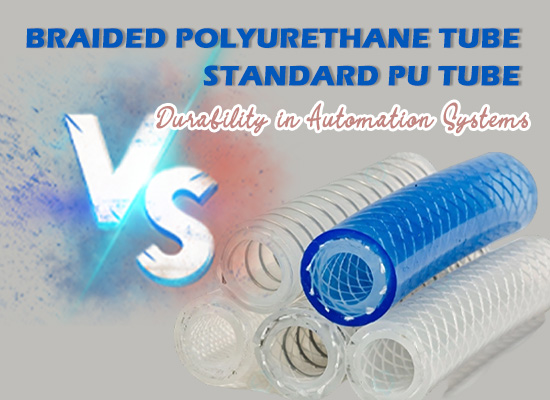 PUB Braided Polyurethane Tube vs Standard PU Tube: Durability in Automation Systems
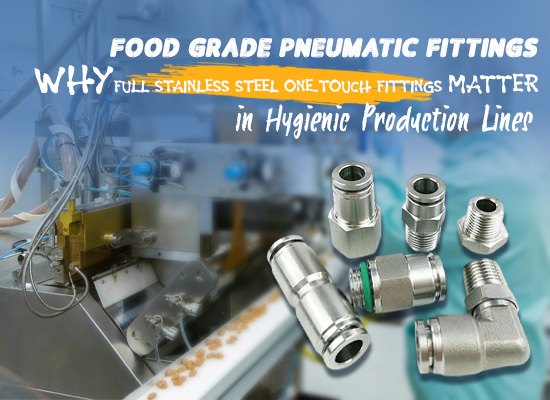 Food Grade Pneumatic Fittings: Why Full Stainless Steel One-Touch Fittings Matter in Hygienic Production Lines
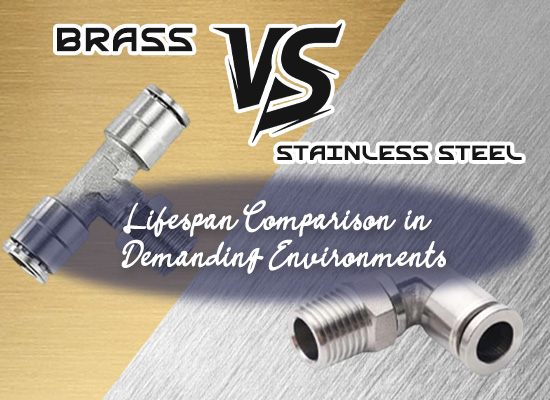 Brass vs Stainless Steel Fittings: Lifespan Comparison in Demanding Environments
You May Interest In
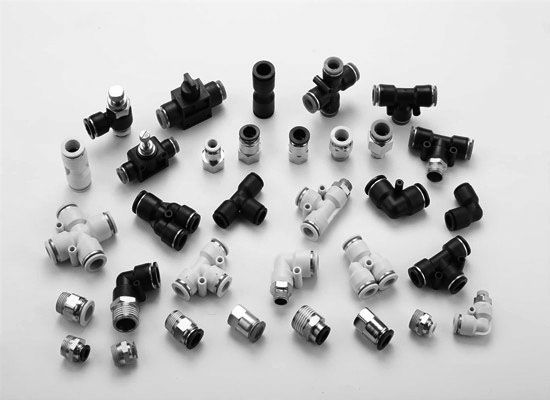
May 07, 2025 Blog
Comprehensive Analysis of Pneumatic Push in Fittings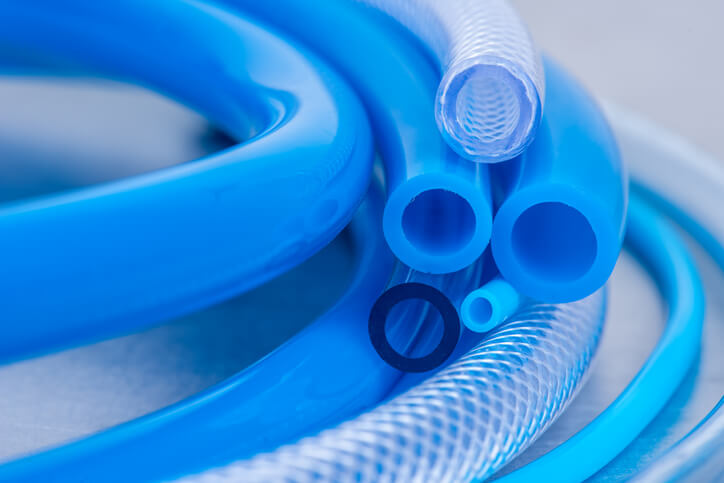
Apr 22, 2025 Blog
Solution for Nylon Tube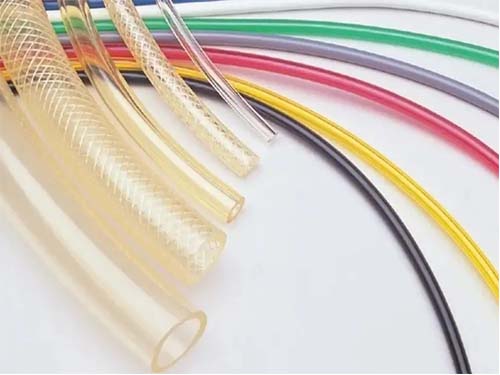
Apr 16, 2025 Blog
PVC Tubing vs. Polyurethane Tubing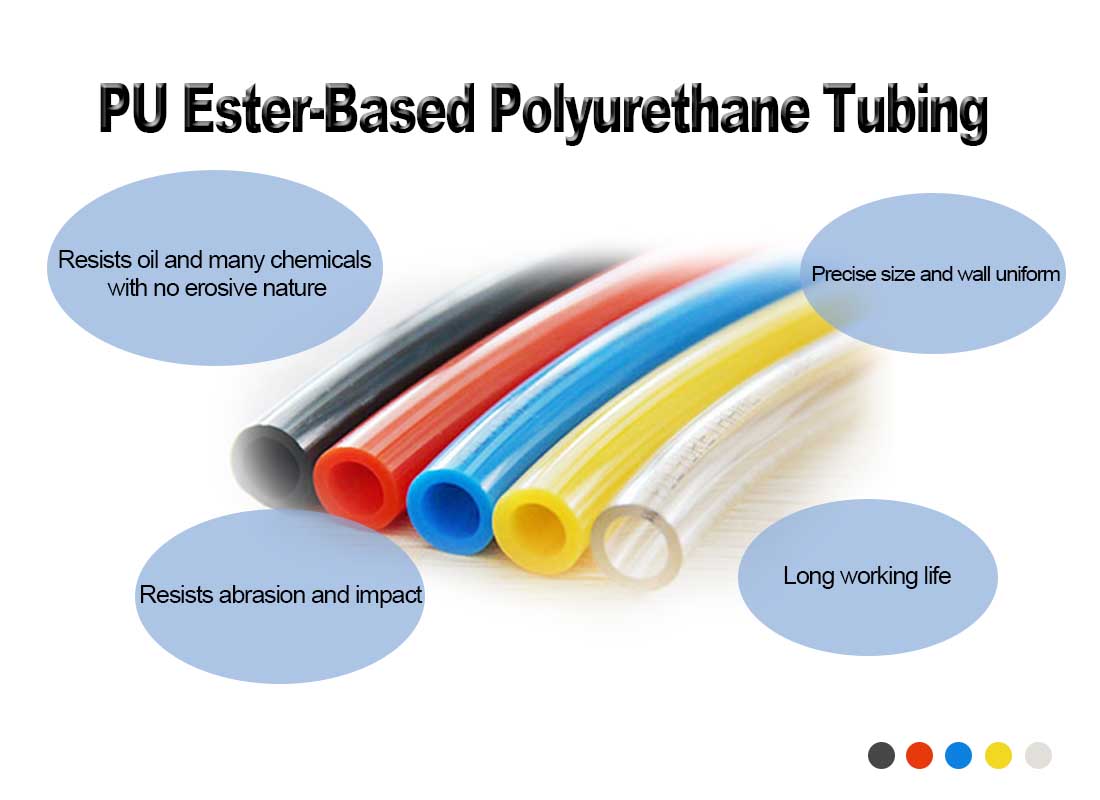
Apr 10, 2025 Blog
What is the difference between pu and pvc
Feb 24, 2025 Blog
How to Identify Hydraulic Quick Couplers?
Jan 21, 2025 Blog
How to Measure Pipe Thread?
Jan 16, 2025 Blog
What Is Pipe thread?
Dec 04, 2024 Blog
Application Of Tube Fitting
Jun 26, 2023 Blog
What Is The Difference Between LLDPE And LDPE?
Jan 17, 2023 Blog
What Are The Classification Of Plastics?
Get a free sample

Links: www.fescolo.com(Pneumatic)
FOKCA ©1998-2025 All Rights Reserved Sitemap