Dec 11, 2025
When temperatures drop below freezing, polyurethane hose begins to show a clear shift in behavior. The material normally offers excellent elasticity and clarity, yet under -20°C it gradually becomes harder and more brittle. Many distributors and equipment engineers encounter the same issue every winter: a PU tube that performs flawlessly in summer suddenly cracks during a routine bend. Understanding how low temperature affects PU tubing helps prevent unnecessary downtime and replacement costs.
Every polymer has a glass-transition point where its elasticity decreases sharply. Polyurethane tubing is no exception. When placed outdoors or used in unheated workshops during winter, the hose loses part of its inherent flexibility.
A tube that can be easily looped by hand at 20°C may resist bending entirely at –10°C. Direct impact, sudden bending or stretching at these temperatures can trigger micro-cracks, which later grow into full fractures once the system begins cycling under pressure.
This is why installers are advised to handle PU tubing gently when opening outdoor stock or performing maintenance in winter environments. A controlled warm-up period or temporary indoor storage prevents the initial cold-shock damage that commonly appears in colder regions.
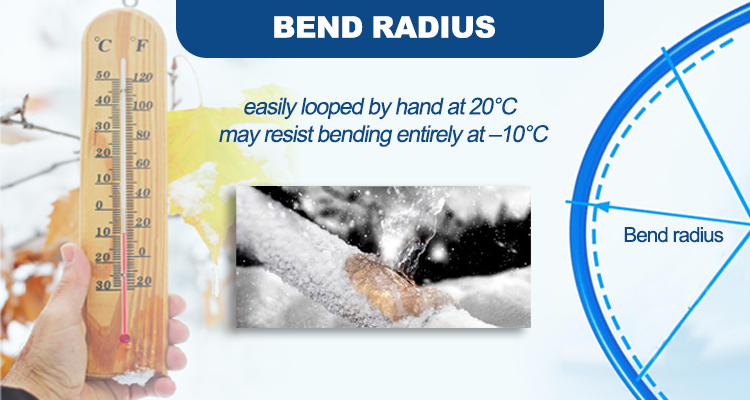
A brittle PU hose behaves differently under dynamic loads. When the material stiffens, its bending radius increases, making previously acceptable routing angles unsafe. In pneumatic systems, this can lead to stress accumulation near fittings, particularly quick-connect couplers or push-in joints. Once internal pressure builds up, a weakened segment is more likely to split longitudinally.
Unexpected exposure to high-temperature media during winter poses another hidden risk. A sudden flow of hot compressed air can generate rapid thermal expansion while the outer wall of the polyurethane tube remains cold. This temperature gradient may cause surface whitening, hard spots or even blistering. Equipment engineers who maintain automated production lines often avoid large thermal swings, especially when machines must start after long overnight shutdowns.
Compressed air always contains residual water vapor. When the tubing is exposed to outdoor conditions or unheated workshops, moisture inside the line can freeze. Ice formation expands the internal volume and produces radial pressure on the tube walls, eventually causing deformation or rupture.
Using a pneumatic air preparation unit is the most effective way to prevent this. A well-configured filter-regulator-lubricator set removes water droplets before air enters the tubing. Many maintenance teams share a similar observation: properly dried air rarely causes freeze-related failures, even when systems operate at –15°C. For plants that run 24/7, regular drainage of the air tanks and filters further reduces winter-related risks.
Incorrect winter storage is one of the main reasons distributors see increased tubing returns during cold seasons. Polyurethane hose should never be left outdoors or in containers exposed to sub-zero temperatures. When winding, unrolling or cutting frozen tubes, operators unknowingly introduce surface stress marks. Once installed, these marks turn into the first points of failure.
Indoor environments above 0°C, away from direct sunlight and humidity, provide the safest conditions. Many warehouse managers keep a small heated zone specifically for PU tube rolls. This ensures that the tubing stays flexible during inspection, measurement and cutting. Even a short acclimation period of one to two hours indoors significantly reduces installation-related cracking.
Pneumatic robots, packaging machines, air-cutting tools and textile equipment often work near exterior loading docks or semi-open structures. In these situations, the PU hose is exposed to alternating warm and cold zones. The joints near moving cylinders or actuators face the highest mechanical stress. Once brittleness increases, the tubing may fail during high-cycle movements.
Routine winter inspection—particularly around connection points, fittings, quick couplers and moving joints—helps identify early signs such as whitening, flattening or small surface ridges. Replacing a weakened segment early prevents larger system shutdowns.
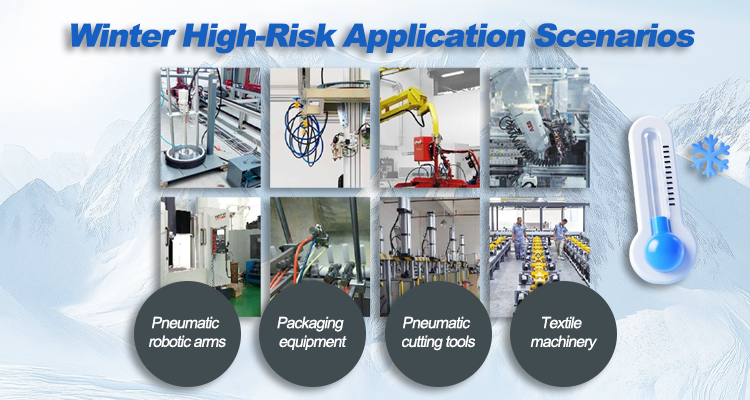
Service engineers often follow several practical habits to protect polyurethane tube performance in winter. Draining residual air and moisture after shutdown prevents internal condensation from freezing overnight. Routing the tube with a slightly larger bend radius prevents stress concentration when the material becomes stiff. Avoiding impact—such as knocking a cold tube with tools—helps prevent invisible surface fractures.
For systems requiring quick warm-up, some factories wrap critical tubing sections with protective sleeves or insulation foam. This avoids cold-shock when high-temperature compressed air enters the line. These small practices ensure smoother operation and reduce unexpected hose replacement during peak production periods.
Standard polyurethane tube performs well in most climates, yet extremely cold regions require enhanced material formulations. FOKCA develops premium-grade PU tubing designed to maintain higher toughness and elasticity under low-temperature stress. The improved polymer blend resists hardening better than conventional materials, helping distributors and engineers reduce maintenance intervals during winter.
Customers in Northern Europe, Canada and high-altitude industrial zones report that machines equipped with FOKCA polyurethane pipe continue running smoothly despite extended exposure to sub-zero ambient temperatures. The tubing remains less prone to whitening, kink damage and brittle fractures, offering a more stable performance profile for OEM machinery and pneumatic automation equipment.
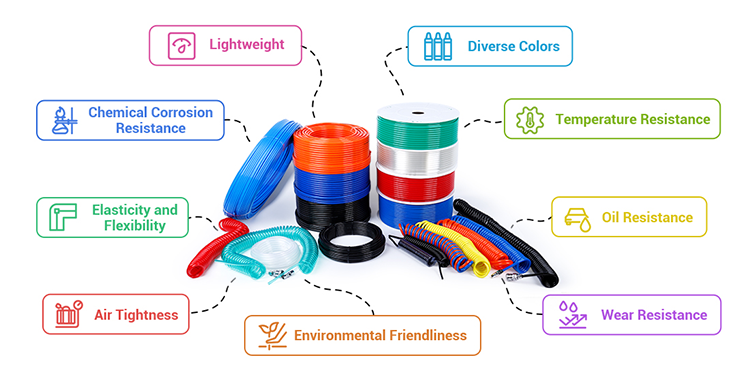
As a global manufacturer providing OEM and ODM services, FOKCA supplies polyurethane hose, pneumatic cylinders, solenoid valves and complete pneumatic accessories for distributors and equipment builders. The company selects high-purity raw materials, ensuring the tubing maintains consistent wall thickness and elasticity even when exposed to harsh climates.
For customers that require specific winter performance, FOKCA offers customized formulas and size options, allowing engineers to match hose specifications with their automation systems. Distributors appreciate the stable quality and packaging that prevents coil deformation during shipping through cold regions.
Winter does not have to be a problem for polyurethane tubing when the right material and maintenance strategy are in place. Selecting durable PU tubing, controlling moisture, avoiding cold-shock and storing the hose correctly ensures reliable pneumatic performance through the cold months. With FOKCA’s enhanced low-temperature polyurethane tube, equipment builders and buyers gain a safer and more stable solution for outdoor or unheated industrial environments.
Contact us anytime—we are your reliable partner in pneumatic technology.
(FK9026)
 PVC Tubing vs Polyurethane Tubing: Choosing the Better Air Hose for Modern Pneumatic Systems
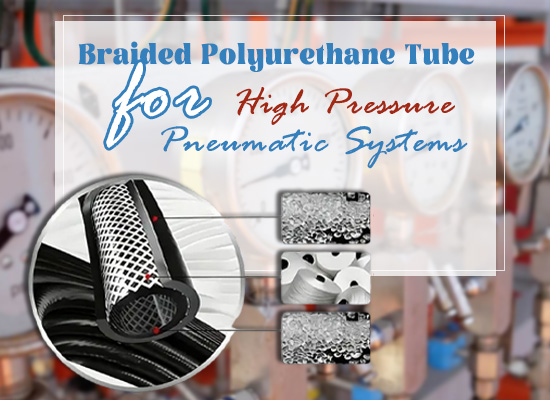 Braided Polyurethane Tube for High Pressure Pneumatic Systems
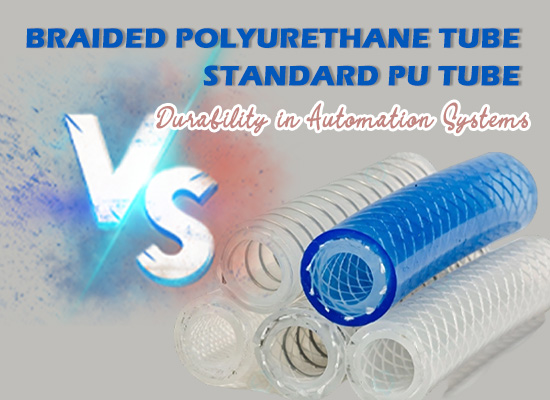 PUB Braided Polyurethane Tube vs Standard PU Tube: Durability in Automation Systems
 Food Grade Pneumatic Fittings: Why Full Stainless Steel One-Touch Fittings Matter in Hygienic Production Lines
 Brass vs Stainless Steel Fittings: Lifespan Comparison in Demanding Environments
You May Interest In
Dec 08, 2025 Blog
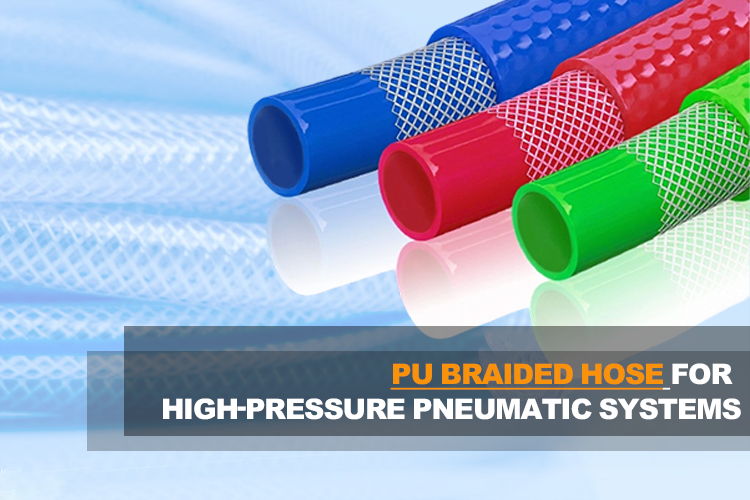
PU Braided Hose for High-Pressure Pneumatic Systems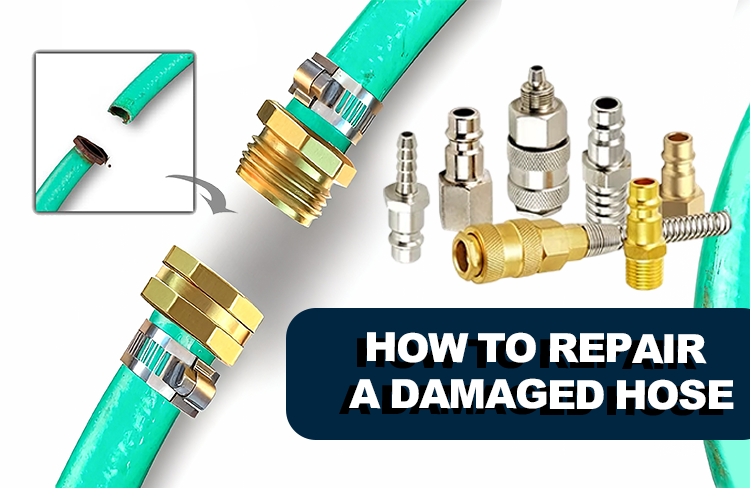
Dec 05, 2025 Blog
How to Repair a Damaged Hose Using a Hose Mender


Get a free sample

Links: www.fescolo.com(Pneumatic)
FOKCA ©1998-2025 All Rights Reserved Sitemap