Dec 30, 2025
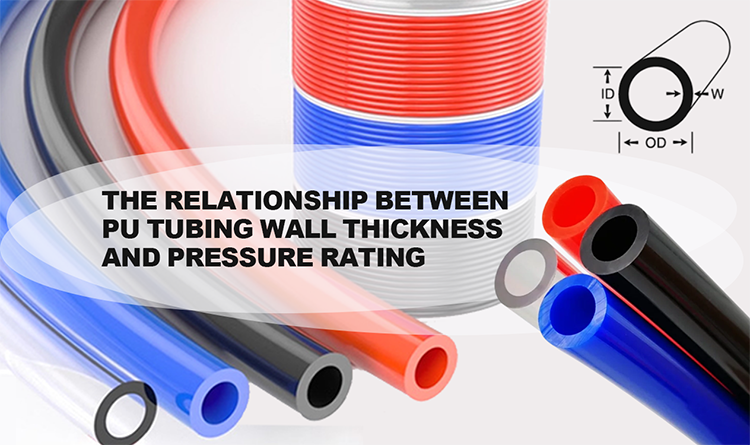
In pneumatic systems, working pressure is one of the most underestimated factors influencing PU tube service life. Many air leaks, sudden tube failures, or frequent replacements are not caused by poor material quality, but by long-term operation close to or beyond the tube’s pressure limit. Understanding how pressure interacts with polyurethane tubing helps engineers, distributors, and buyers make more reliable choices.
One common misunderstanding is treating rated pressure as a continuous working condition. In reality, rated pressure refers to short-term or ideal conditions, often tested at room temperature and static load. Continuous operation near this limit accelerates material fatigue.
When a PU air tube operates at a lower percentage of its rated pressure, internal stress on the tube wall remains stable. As pressure increases, microscopic deformation occurs more frequently, even if no visible damage appears. Over time, this leads to reduced elasticity and a higher risk of cracking or leakage, especially near fittings.
Pressure is rarely constant in real systems. Valves open and close, cylinders extend and retract, and compressors cycle. These fluctuations create repeated expansion and contraction of the PU pipe, a phenomenon similar to metal fatigue.
Under higher working pressure, each pressure cycle produces greater strain on the tube wall. In systems with frequent start-stop operations, this effect becomes more pronounced. Polyurethane tubing exposed to high-pressure cycling tends to age faster, even if average pressure appears acceptable.
For equipment engineers, this explains why tubes in dynamic systems often fail earlier than those in static air lines.

Polyurethane is valued for its flexibility, but flexibility does not mean unlimited endurance. At elevated pressure levels, polymer chains inside the material experience continuous stress. Over long periods, this leads to gradual hardening and loss of resilience.
In practical terms, a PU tube running at 70–80% of its maximum working pressure will typically have a shorter service life than one operating at 40–50%. This difference becomes critical in 24/7 production lines where downtime is costly.
For distributors and procurement managers, pressure margin directly translates into maintenance cost and customer satisfaction.
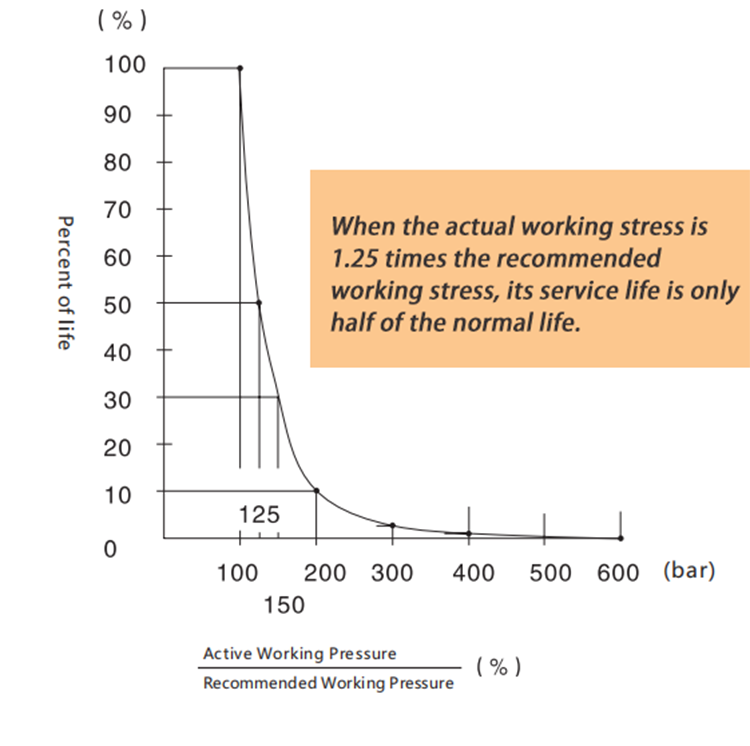
Pressure rarely acts alone. As working pressure increases, compressed air temperature also rises, especially near compressors or high-flow zones. Elevated temperature further accelerates material aging in PU tubing.
In industrial environments, pressure combined with oil mist, moisture, or vibration compounds the effect. A PU tube that performs well at moderate pressure may degrade quickly when pressure and temperature increase together.
This is why system-level evaluation is more reliable than focusing on pressure rating alone when selecting air polyurethane tubing.
Selecting a PU tube should always consider real working pressure, not just nominal system pressure. Engineers often apply a safety factor, ensuring the tube operates well below its maximum rating under normal conditions.
High-quality SMC-compatible PU tubing series typically offer consistent wall thickness and stable material properties, which helps distribute pressure more evenly. For OEM and automation builders, this consistency reduces unpredictable failures across different machines.
FOKCA supplies polyurethane tubing series designed with controlled extrusion accuracy, ensuring pressure resistance remains stable over long-term use. This is particularly important for distributors supporting diverse customer applications.
From a practical standpoint, pressure-related tube failure is rarely sudden—it is cumulative. Lower operating pressure extends service life, reduces maintenance frequency, and improves system reliability.
For procurement teams, selecting a PU pipe with sufficient pressure margin lowers total cost of ownership. For equipment engineers, it minimizes unexpected downtime. And for distributors, it means fewer complaints and stronger customer trust.
In pneumatic systems, pressure is not just a number on a datasheet—it is a long-term influence on every meter of tubing installed.
(FK9026)
 PVC Tubing vs Polyurethane Tubing: Choosing the Better Air Hose for Modern Pneumatic Systems
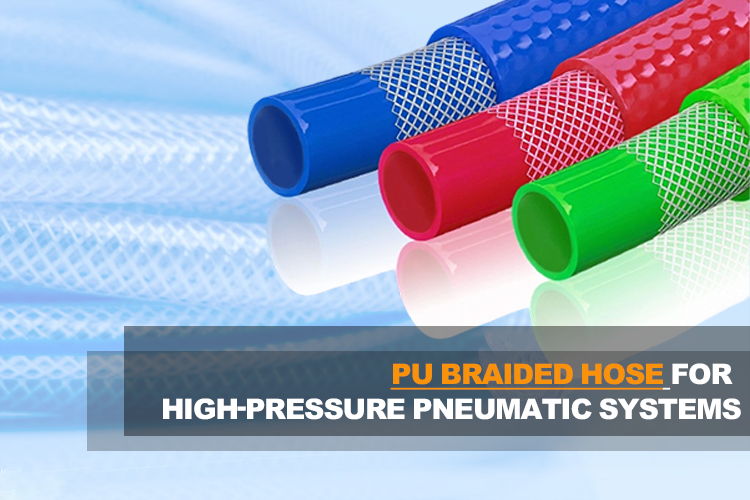
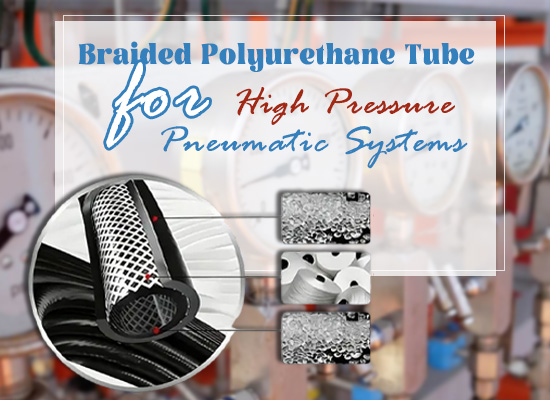 Braided Polyurethane Tube for High Pressure Pneumatic Systems
 PUB Braided Polyurethane Tube vs Standard PU Tube: Durability in Automation Systems
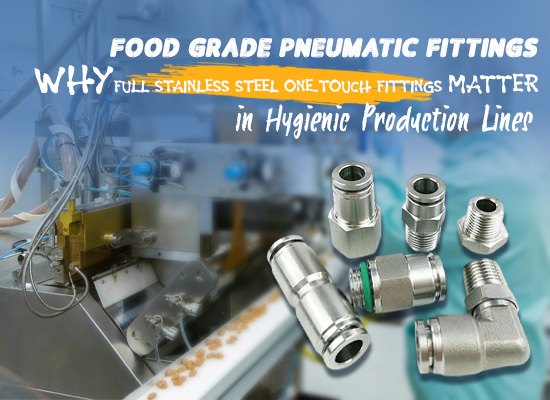 Food Grade Pneumatic Fittings: Why Full Stainless Steel One-Touch Fittings Matter in Hygienic Production Lines
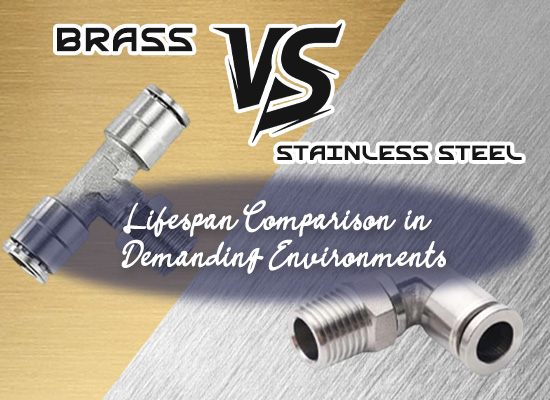 Brass vs Stainless Steel Fittings: Lifespan Comparison in Demanding Environments
You May Interest In
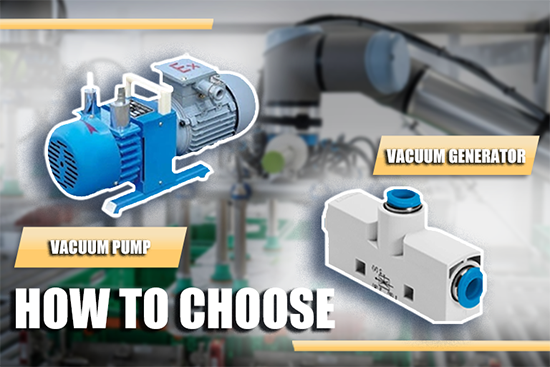
Dec 26, 2025 Blog
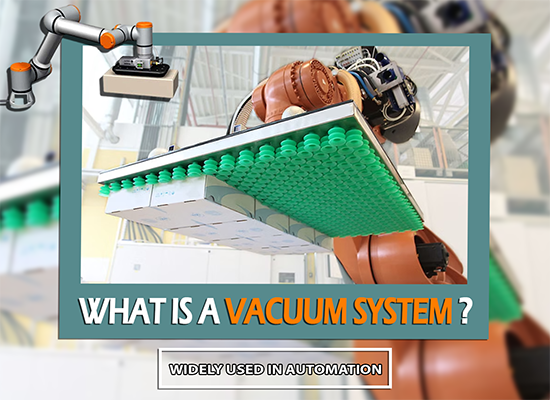
What Is Vacuum and What Is a Vacuum System
Dec 23, 2025 Blog
How to install compression fitting on copper pipe
Dec 22, 2025 Blog
Can Pneumatic Quick Couplings Be Used for Water

Dec 10, 2025 Blog
How to Choose and Use Rapid Pneumatic Fittings
Dec 08, 2025 Blog
PU Braided Hose for High-Pressure Pneumatic Systems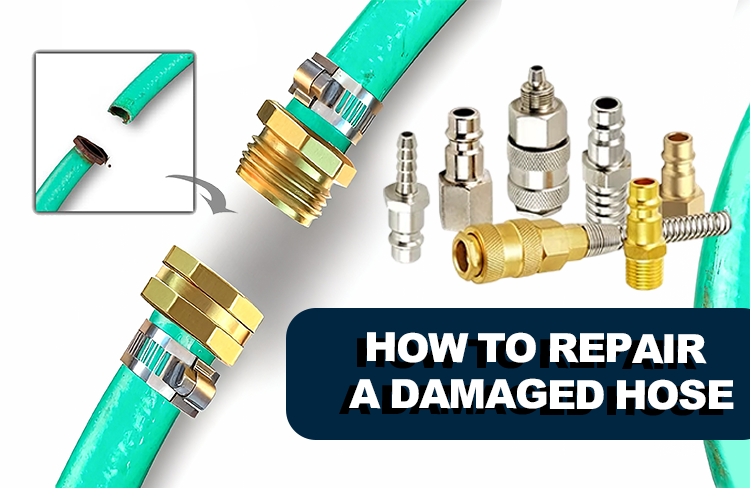
Dec 05, 2025 Blog
How to Repair a Damaged Hose Using a Hose Mender

Get a free sample

Links: www.fescolo.com(Pneumatic)
FOKCA ©1998-2025 All Rights Reserved Sitemap