Feb 12, 2026
Compact automation is pushing every component to become smaller and more precise. Mini Type Pneumatic Push In Fittings are often the final link between valves, tubing, and actuators, and the choice between M5 pneumatic fitting threads and 4mm push in fitting ports directly affects response speed, installation space, and long-term stability. In micro jigs, medical instruments, and electronics assembly lines, engineers frequently balance airflow with layout limitations, making the right mini air connector decision a practical skill rather than a catalog exercise.
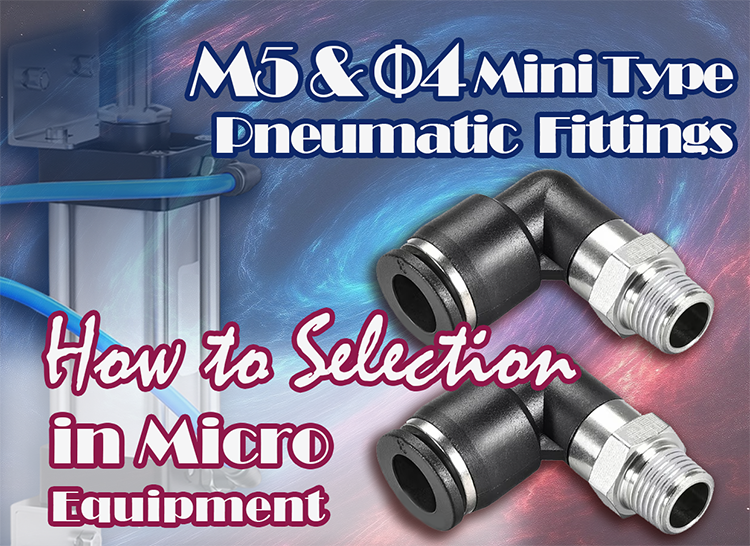
The M5 interface refers to a threaded connection commonly mounted on miniature valves and manifolds, while Φ4 represents the outer diameter of the tube used with compact pneumatic fittings. Although they often appear together, they serve different roles. M5 determines how the fitting attaches to the device body, and Φ4 defines the air path capacity. In many micro machines the designer chooses an M5 pneumatic fitting to save panel space, yet pairs it with a Φ4 tube to maintain adequate flow. This combination becomes the most common architecture for micro air fittings used on pick-and-place grippers and small cylinders.
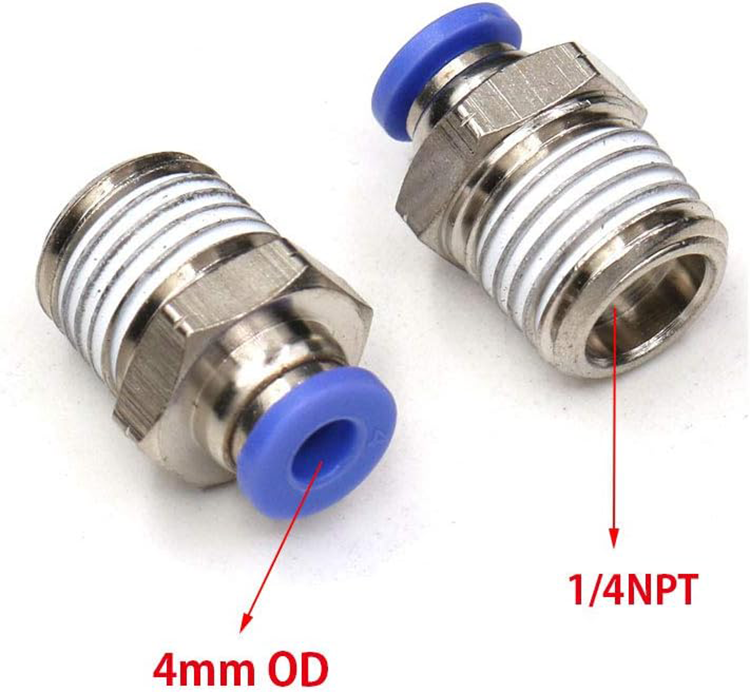
Inside a desktop dispenser or medical analyzer, every millimeter counts. M5 ports reduce mounting height by nearly 30% compared with G1/8 threads, allowing closer valve spacing. The challenge is that the internal passage of an M5 body is narrower, and when a long Φ4 tube is added, pressure drop can increase. Engineers often shorten tubing and avoid unnecessary elbows to protect speed. FOKCA mini series fittings are designed with a smoother internal contour to compensate for this limitation, helping equipment maintain cycle time without expanding the layout.
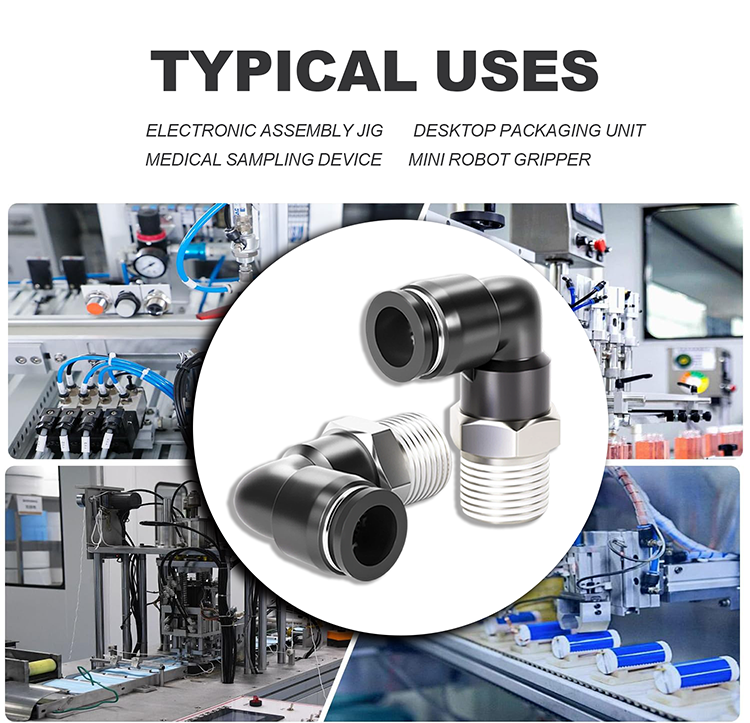
| Equipment type | Preferred connection | Key reason |
|---|---|---|
| Electronic assembly jig | M5 pneumatic fitting + Φ4 tube | smallest footprint on fixture plate |
| Medical sampling device | 4mm push in fitting on manifold | clean appearance and quick replacement |
| Mini robot gripper | M5 with short Φ4 line | fast exhaust response |
| Desktop packaging unit | Φ4 straight connectors | easy routing in narrow frame |
These patterns show that there is no single winner. The value of Mini Type Pneumatic Push In Fittings lies in flexible matching rather than absolute size.
In field maintenance, many leakage problems are not caused by the fitting itself but by the way it is installed. When using an M5 pneumatic fitting, thread sealing should be thin and even to prevent contamination from entering the valve. For 4mm push in fitting ports, the tube must be cut squarely; an angled cut reduces the contact area of the seal. Engineers in electronics factories often prefer pre-assembled hose sets from FOKCA to keep consistency between hundreds of identical stations. Good habits extend the service life more than choosing a higher specification product.
Standard PC series connectors are forgiving and suitable for general machinery, yet they appear bulky on micro devices. Compact pneumatic fittings shorten the body and reduce the hex dimension so that multiple components can sit side by side. However, mini models require more attention to airflow planning. When a system drives a 10mm bore cylinder at high frequency, a single Φ4 line may be insufficient; adding a parallel exhaust or switching to a short Φ6 section near the actuator can be a practical compromise. Such mixed design is common in medical equipment where both quietness and speed are required.
Selection begins with the actuator demand. If the device only needs signal-level air for sensors or micro clamps, an M5 pneumatic fitting with Φ4 tubing offers the cleanest layout. For continuous motion or vacuum pick-up, a straight 4mm push in fitting with minimal bends performs better. FOKCA provides both plastic-body and nickel-plated brass versions so that designers can match corrosion level and budget within the same mini air connector platform. Distributors appreciate this unified range because it reduces stock variety while covering most customer requests.
Micro equipment design is a conversation between space and performance. Understanding how Mini Type Pneumatic Push In Fittings behave in real assemblies allows engineers, purchasing managers, and resellers to communicate on the same ground. Whether building a compact medical device or upgrading an electronics line, the thoughtful match of M5 pneumatic fitting and 4mm push in fitting ensures stable motion without sacrificing precious millimeters, and the FOKCA mini series offers a practical path to achieve that balance.
(FK9026)
 PVC Tubing vs Polyurethane Tubing: Choosing the Better Air Hose for Modern Pneumatic Systems
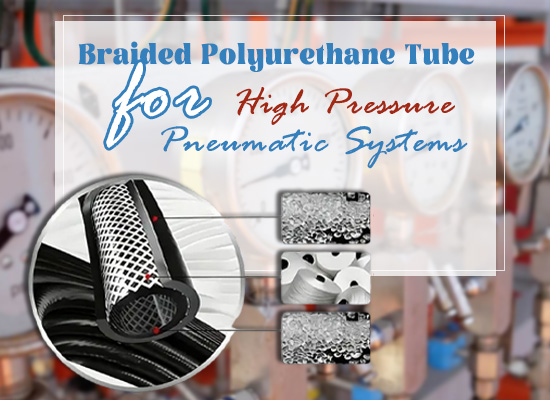 Braided Polyurethane Tube for High Pressure Pneumatic Systems
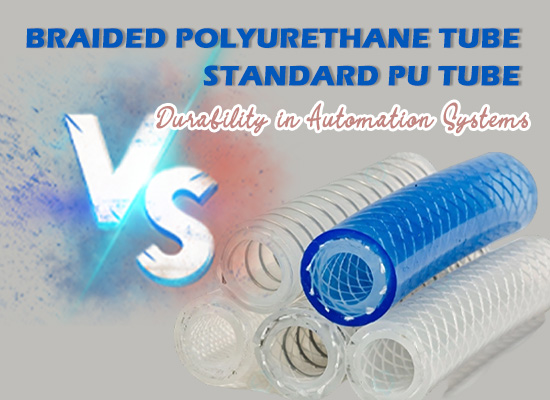 PUB Braided Polyurethane Tube vs Standard PU Tube: Durability in Automation Systems
 Food Grade Pneumatic Fittings: Why Full Stainless Steel One-Touch Fittings Matter in Hygienic Production Lines
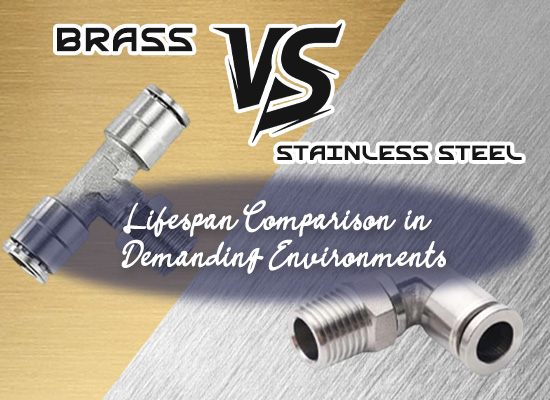 Brass vs Stainless Steel Fittings: Lifespan Comparison in Demanding Environments
You May Interest In
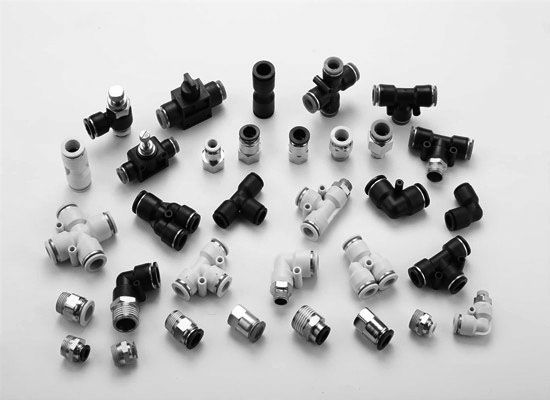
May 07, 2025 Blog
Comprehensive Analysis of Pneumatic Push in Fittings
Apr 22, 2025 Blog
Solution for Nylon Tube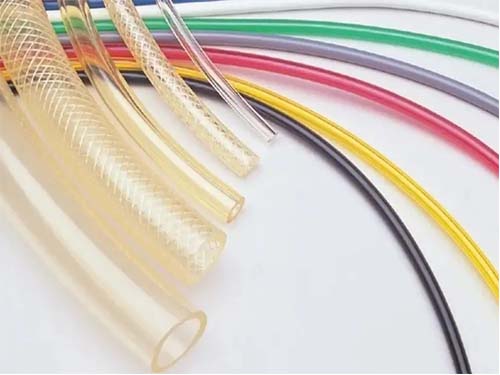
Apr 16, 2025 Blog
PVC Tubing vs. Polyurethane Tubing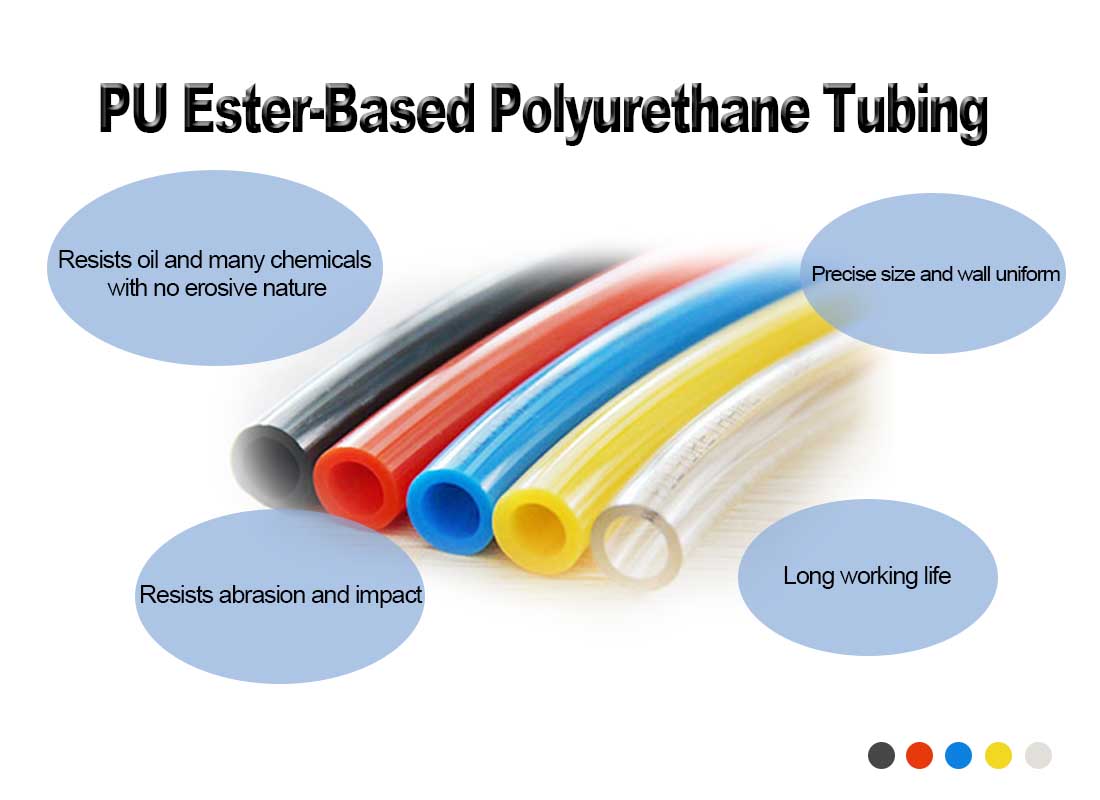
Apr 10, 2025 Blog
What is the difference between pu and pvc
Feb 24, 2025 Blog
How to Identify Hydraulic Quick Couplers?
Jan 21, 2025 Blog
How to Measure Pipe Thread?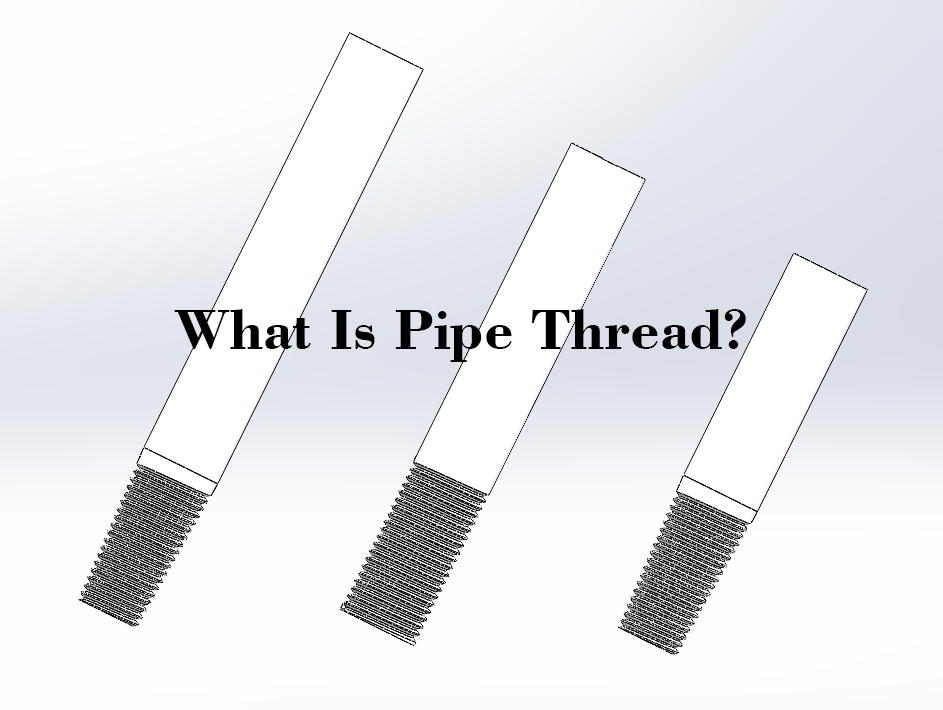
Jan 16, 2025 Blog
What Is Pipe thread?
Dec 04, 2024 Blog
Application Of Tube Fitting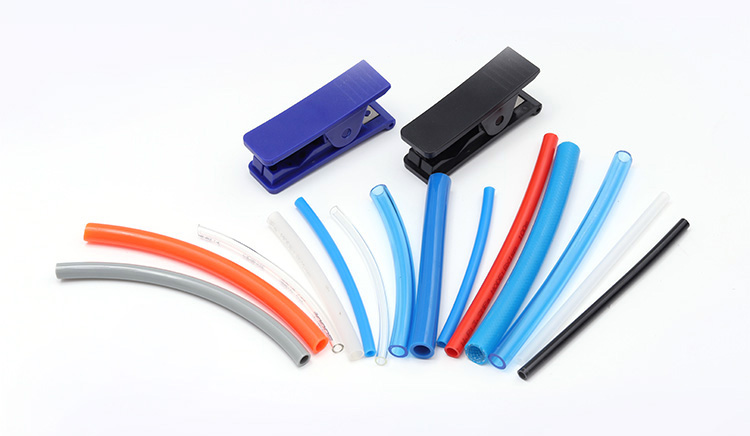
Jun 26, 2023 Blog
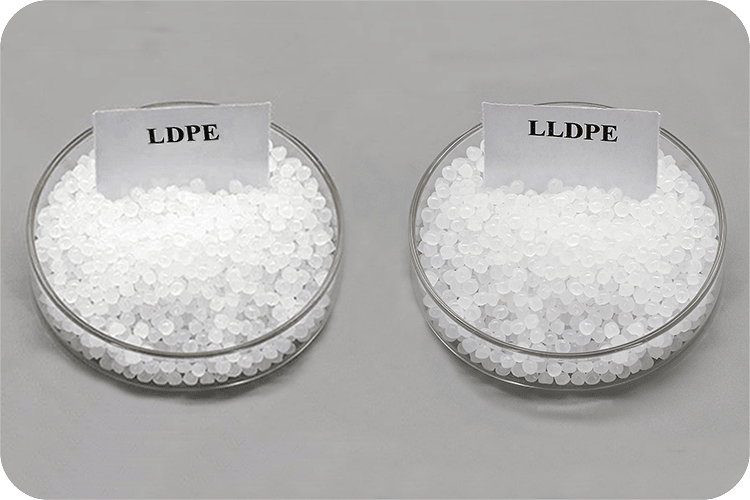
What Is The Difference Between LLDPE And LDPE?
Jan 17, 2023 Blog
What Are The Classification Of Plastics?
Get a free sample

Links: www.fescolo.com(Pneumatic)
FOKCA ©1998-2025 All Rights Reserved Sitemap