Dec 03, 2025
In workshops, assembly lines, and mobile maintenance sites, hose systems are constantly stretched, pulled, stepped on, and dragged across rough surfaces.
Traditional straight hoses often fail under this dynamic pressure. A PU spiral hose solves these real-world problems by automatically retracting when released,
staying out of the way, and keeping the workspace safer and cleaner. For operators who use air guns, dust collectors, or pneumatic screwdrivers all day,
a retractable spiral hose becomes not just convenient—it becomes essential.
The spiral structure acts like a built-in spring system. When the air tool is moved, the hose extends smoothly;
when released, it contracts without slack. This makes daily operation more efficient and extends hose life by reducing accidental bending and wear points.
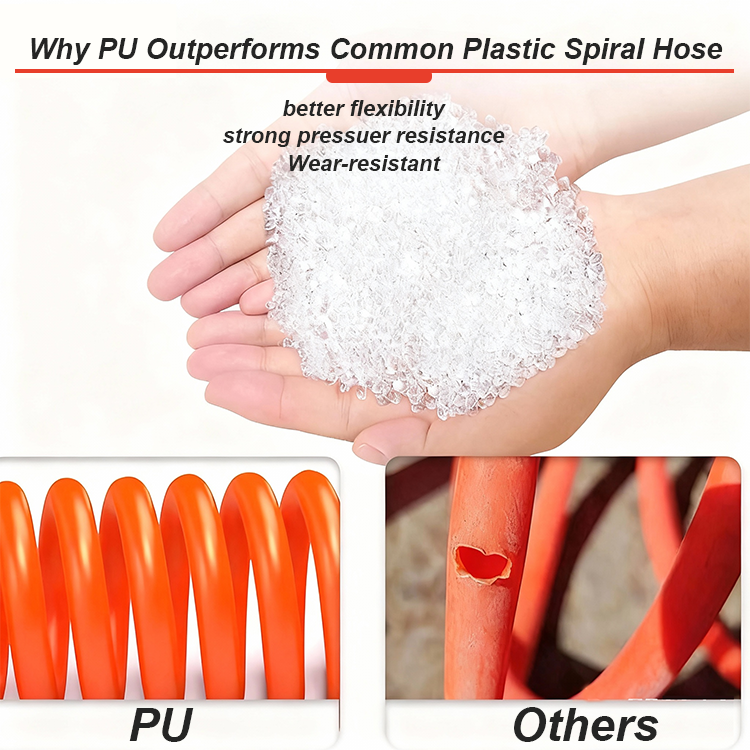
Not all plastic hoses are equal. Polyurethane (PU) has become the preferred material for spiral tubing because it combines elasticity,
abrasion resistance, and chemical stability in one material.
Compared with PVC or PE hoses, PU provides better flexibility at low temperatures and does not harden or crack easily in cold workshops or outdoor environments.
A properly formulated PU spiral air hosemaintains uniform wall thickness and elasticity across thousands of extension cycles.
According to industrial material test data from material engineering associations, PU abrasion resistance can exceed PVC by 3–5 times under the same friction conditions, making it suitable for long-term mobile use.
For environments where oil mist, coolant splash, or light chemical exposure exists, PU maintains its structure where common plastics degrade and stiffen over time.
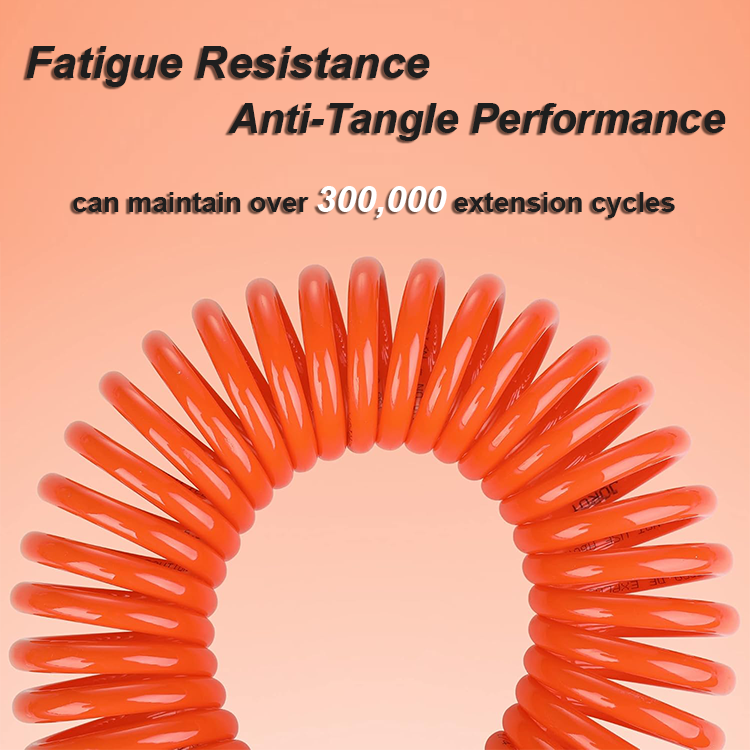
A major reason users replace spiral hoses frequently is fatigue failure. Coils lose elasticity, crack at stress points, or permanently deform.
With quality PU material and proper heat forming, a spiral hose can maintain over 300,000 extension cycles without loss of rebound force in controlled testing environments (data source: industrial polymer testing institutions).
Unlike straight hoses that leave loose loops across the floor, a hose spiral naturally lifts off the ground when not in use,
reducing trip hazards and accidental vehicle rolling damage inside factories or workshops.
For technicians working in tight spaces or overhead installations, anti-tangle behavior also minimizes constant repositioning,
making operations more fluid and less distracting.
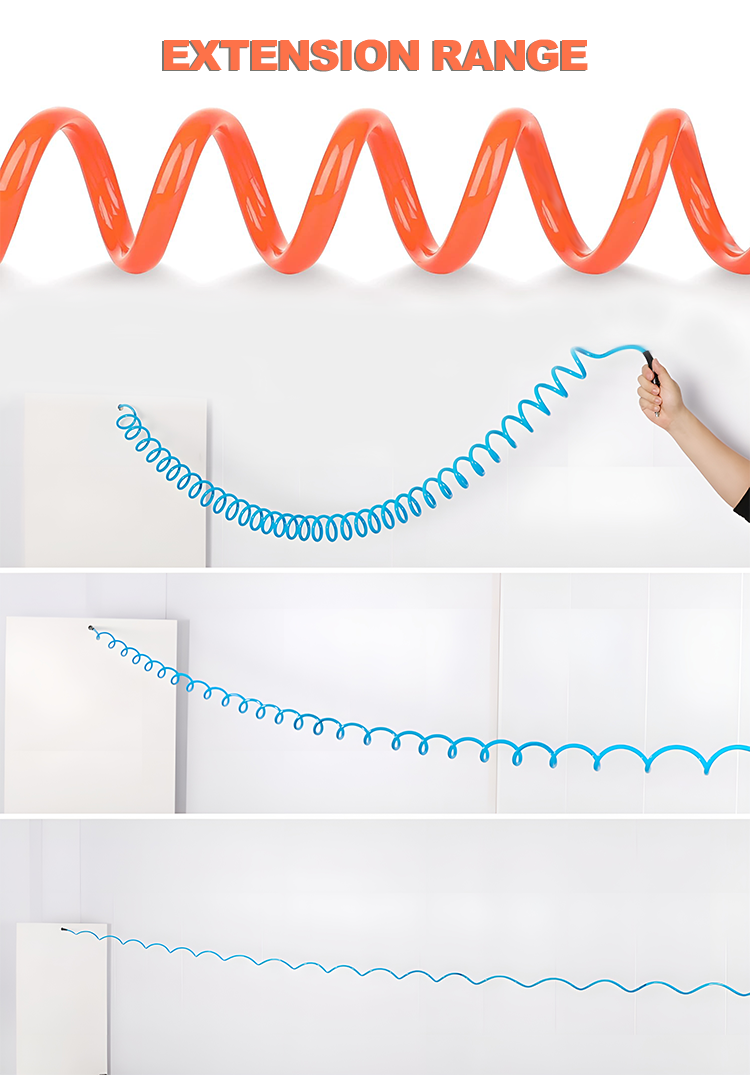
One of the most frequent questions engineers ask is: “How far can it stretch safely?”
A standard PU spiral tubing design allows 3–5 times of extension length without permanent deformation. For example:
Original Length | Max Extension | Inner Diameter | Normal Working Pressure |
5 m | 15–20 m | 6 mm | 8–10 bar |
8 m | 20–25 m | 8 mm | 8 bar |
10 m | 30 m | 10 mm | 6–8 bar |
Proper selection depends on both tool airflow demand and distance requirements.
Undersized hoses lead to pressure drop, while oversized hoses increase cost and weight unnecessarily.
For precise selection, engineers often evaluate airflow (L/min), connector size, and tool pressure rating together rather than focusing on length alone.
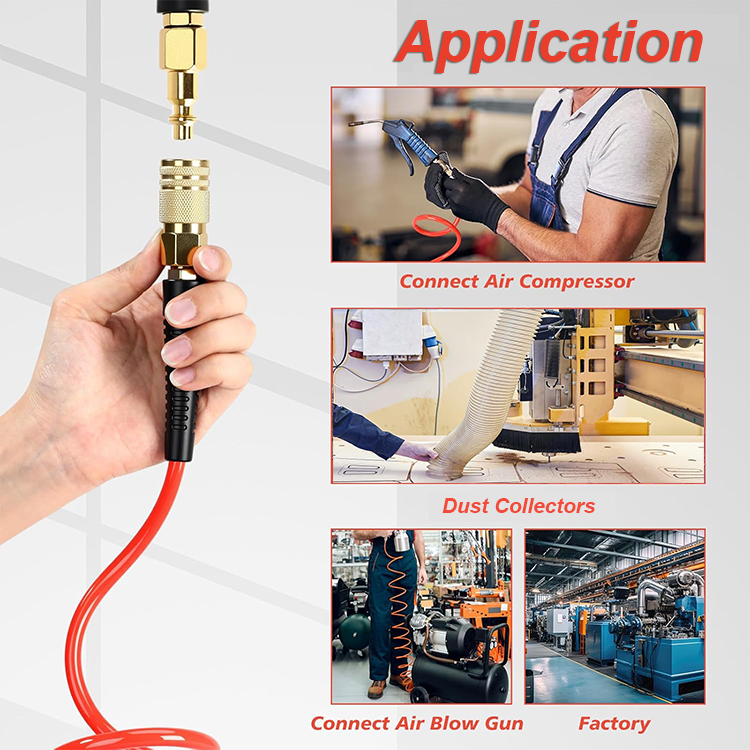
A plastic spiral hose is no longer limited to simple air supply. In modern workshops, it is widely used for:
Pneumatic guns and nailers
Robotic auxiliary air supply
Mobile vacuum systems
Packaging machines
Automotive repair bays
CNC peripheral air systems
In one European packaging plant, replacing straight hoses with air spiral hoses reduced tool hose replacement frequency by nearly 40% annually,
according to internal maintenance logs, due to lower friction wear and fewer trip-related damages.
The difference becomes especially noticeable in environments where tools are constantly moved between stations.
Before purchasing, professionals usually confirm:
Required working pressure
Expected maximum stretch length
Inner diameter for airflow
Environmental exposure (oil, dust, UV, moisture)
Fitting compatibility
Rebound strength preference
Matching spiral hose design with actual usage prevents early failure and extends the total system lifespan.
Not all installations are standard, and neither should hoses be. FOKCA produces the PUC series PU spiral hose with flexible customization options:
Custom coil length and extension ratio
Shore hardness tuning for softer or stronger rebound
Color matching for production line identification
OEM branding and packaging
Special inner diameters
Stainless steel or brass fittings
For distributors, color-coded hoses simplify inventory and customer identification.
For equipment manufacturers, branding directly on the hose enhances professional image and traceability in the field.
If you have any questions about Polyurethane tubing, PUC, pneumatic fittings, feel free to contact us at any time.
Our team is ready to provide you with professional support and the best possible service.
(FK9026)
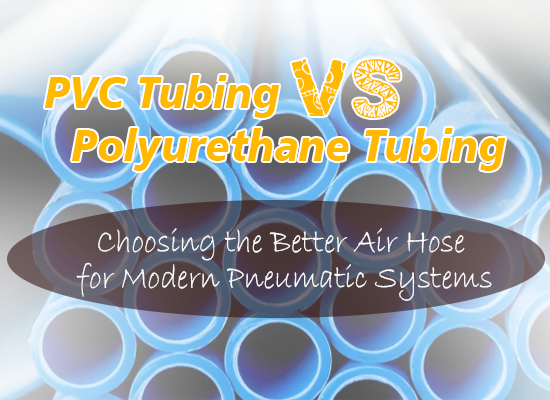 PVC Tubing vs Polyurethane Tubing: Choosing the Better Air Hose for Modern Pneumatic Systems
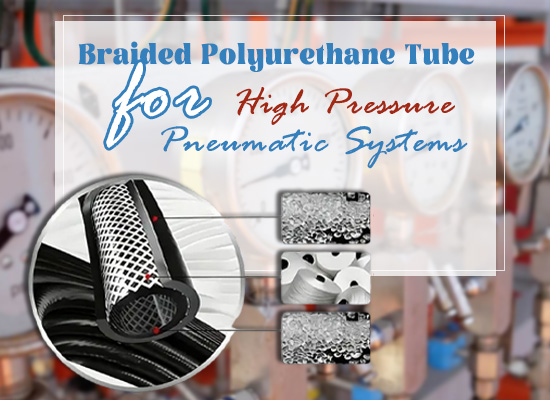 Braided Polyurethane Tube for High Pressure Pneumatic Systems
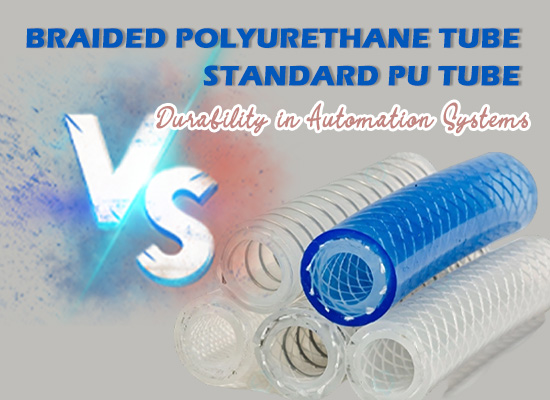 PUB Braided Polyurethane Tube vs Standard PU Tube: Durability in Automation Systems
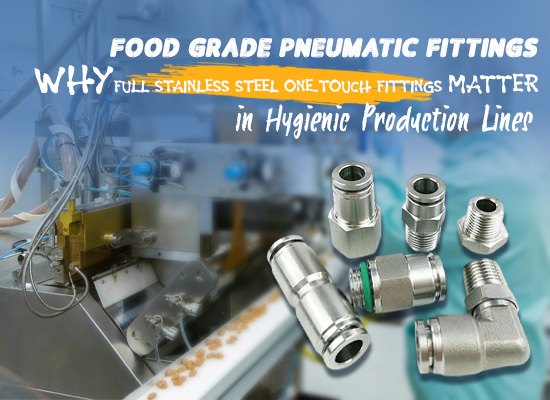 Food Grade Pneumatic Fittings: Why Full Stainless Steel One-Touch Fittings Matter in Hygienic Production Lines
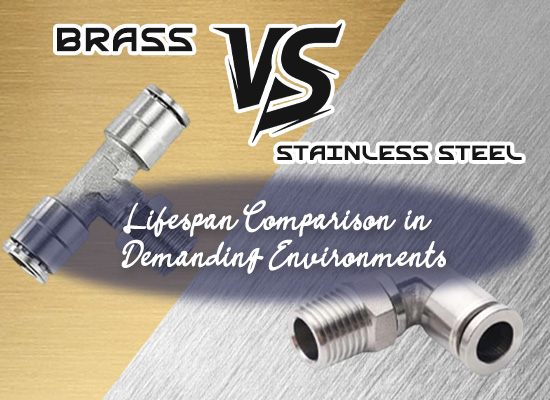 Brass vs Stainless Steel Fittings: Lifespan Comparison in Demanding Environments
You May Interest In

Nov 27, 2025 Blog
Why PVC Pipe Is Flame-Retardant

Get a free sample

Links: www.fescolo.com(Pneumatic)
FOKCA ©1998-2025 All Rights Reserved Sitemap