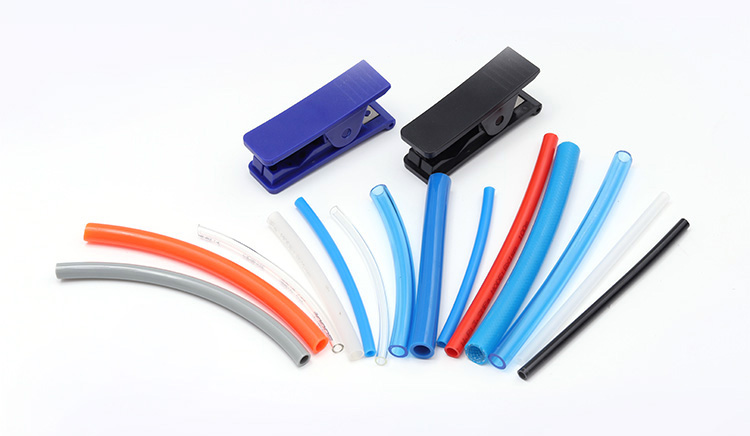
In pneumatic automation systems, actuator response time is not determined only by valves and cylinders; tubing elasticity also plays a significant role. The hardness of a Polyurethane Tube directly affects how compressed air energy is transmitted through the system. When tubing hardness is improperly selected, air pressure may be temporarily absorbed by tube expansion, resulting in delayed cylinder motion and inconsistent system timing. Understanding the relationship between PU Pneumatic Hose hardness and expansion behavior helps engineers improve motion precision and overall system stability.
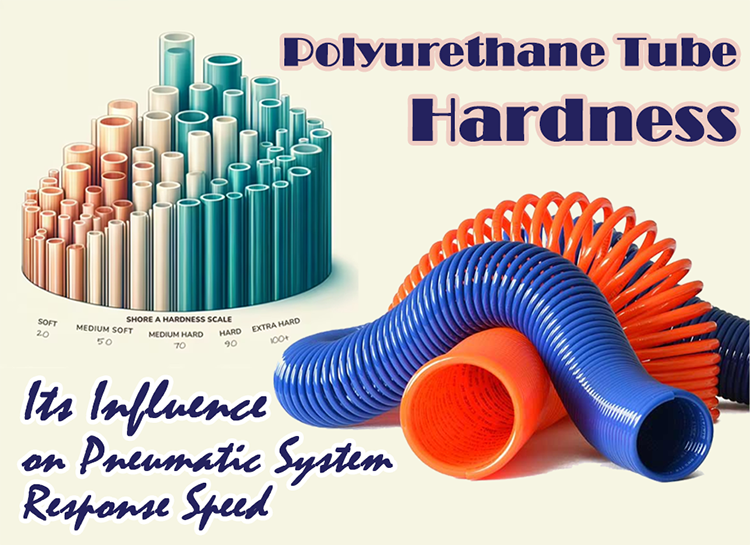
Shore Hardness Levels of PU Tubing and Their Characteristics
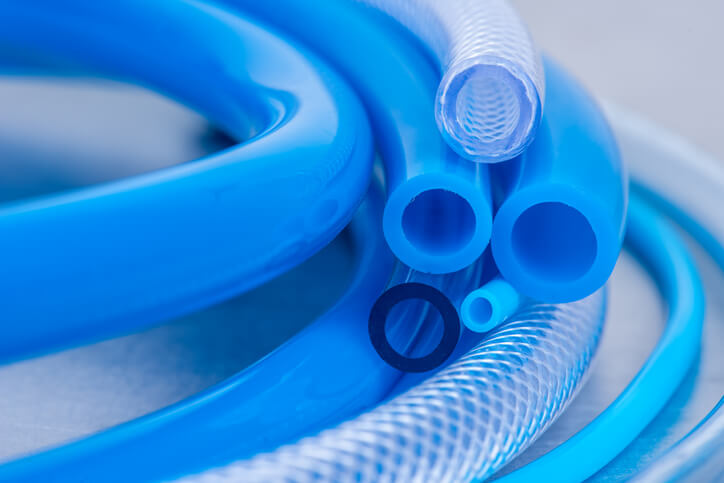
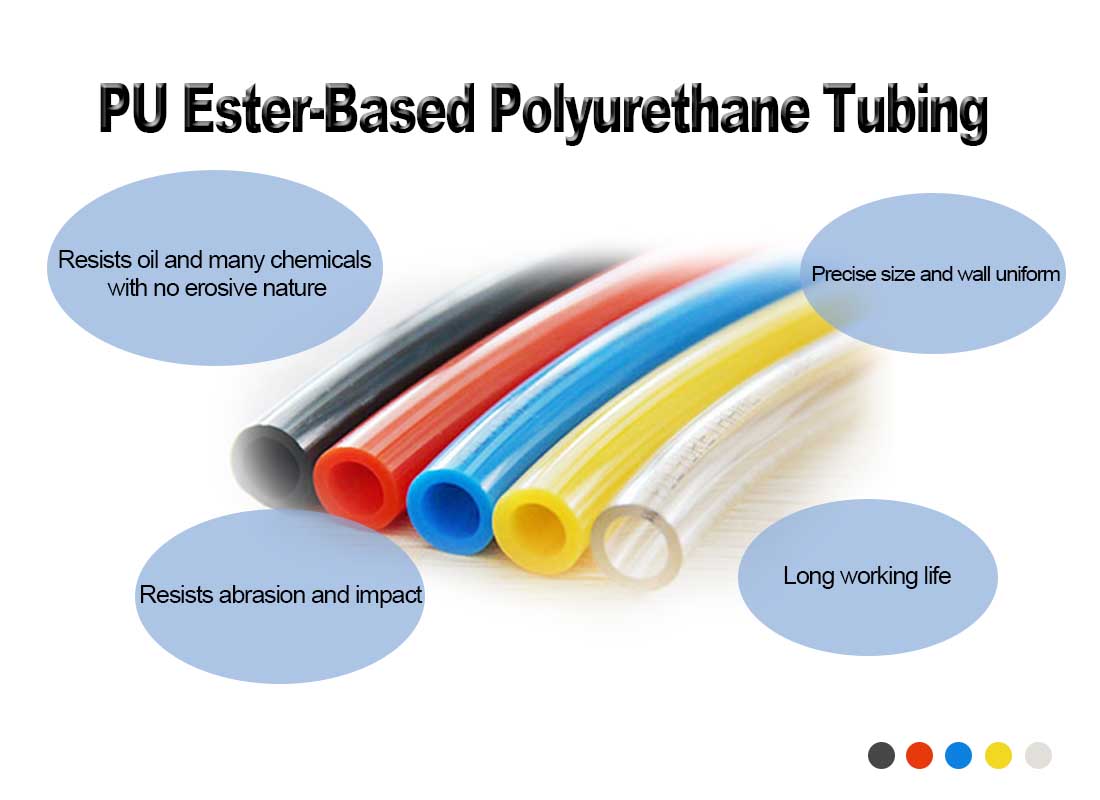
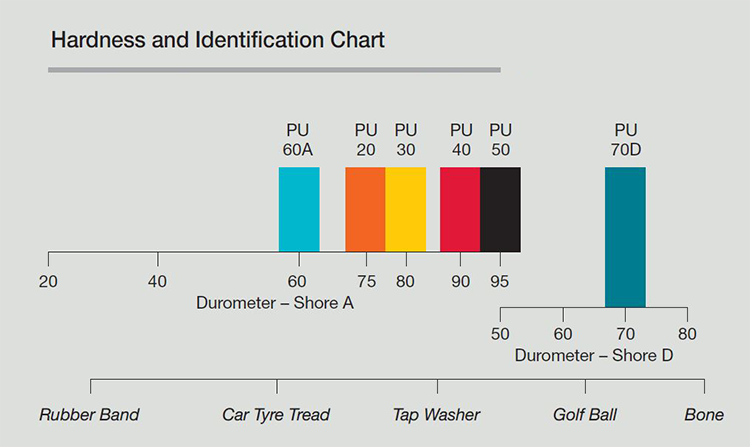
Polyurethane pneumatic tubing is commonly produced in several Shore A hardness grades, including 80A PU Tubing, 85A PU Tubing, 95A PU Tubing, and 98A PU Tubing. Lower hardness tubing provides excellent flexibility and easier routing, while higher hardness tubing offers improved structural stability and resistance to deformation.
Typical characteristics:
◆80A–85A: high flexibility, suitable for tight routing and compact installations
◆95A: balanced flexibility and pressure stability for general automation
◆98A: maximum dimensional stability for high-pressure or high-precision systems
Selecting the correct hardness is therefore a key step in PU Air Tubing Selection, particularly in systems where response timing is critical.
Relationship Between Tube Hardness and Expansion Rate
When compressed air flows into a pneumatic line, part of the pressure energy acts on the tube wall. Softer tubing expands more under the same pressure, while harder tubing maintains its internal diameter. Lower hardness tubing exhibits higher volumetric expansion, meaning more compressed air is required before system pressure reaches the actuator.
This expansion effect is usually small in short pipelines but becomes significant in long-distance routing or multi-axis automation systems. Using Industrial PU Hose with higher hardness reduces expansion and improves pressure transmission efficiency.
Influence on Cylinder Response Delay
Cylinder response speed depends on how quickly pressure builds at the actuator port. If the tubing expands noticeably during pressurization, a portion of the air volume is temporarily stored in the tube wall instead of driving the cylinder. This creates a measurable time delay between valve actuation and cylinder movement.
In synchronized automation equipment, even small delays can lead to positioning deviations.
Higher-hardness Industrial PU Tubing reduces elastic energy absorption, allowing faster pressure buildup and more consistent actuator response.
Comparative Performance of Different Hardness Levels
The following table illustrates typical response-related behavior differences observed in pneumatic installations (based on industrial application experience):
| Hardness | Expansion Under Pressure | Response Speed | Typical Application |
|---|---|---|---|
| 80A | High | Moderate | Compact routing systems |
| 85A | Medium-high | Medium-fast | General pneumatic lines |
| 95A | Low | Fast | Standard automation equipment |
| 98A | Very low | Fastest response stability | Precision motion systems |
Higher hardness does not always mean better performance; routing flexibility and installation space must also be considered.
Practical Selection Guidelines for Engineers
In practice, tubing hardness should be matched with system pressure, routing length, and motion accuracy requirements. For short pneumatic lines or installations requiring frequent bending, 85A or 90A-grade PU Pneumatic Hose may provide sufficient performance. However, in long pipelines, high-pressure distribution lines, or synchronized multi-cylinder systems, 95A PU Tubing or 98A PU Tubing significantly improves response consistency.
Many equipment manufacturers combine multiple hardness grades within the same machine—softer tubing in tight routing sections and Industrial PU Hose with higher hardness in long transmission paths—to balance installation convenience with operational performance.
(FK9026)