Jan 08, 2026
In many factories, the most noticeable sound is not coming from motors or gearboxes, but from compressed air being released. Each time a valve shifts or a cylinder completes a stroke, high-pressure air exits into the atmosphere with a sharp hiss. This sound is so common that it is often ignored, yet it remains one of the most criticized aspects of pneumatic systems.
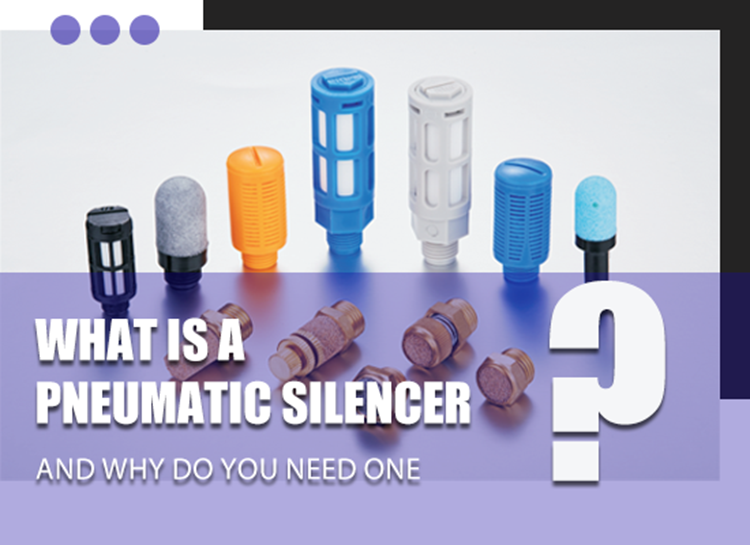
A pneumatic silencer, sometimes referred to as a pneumatic exhaust silenceror pneumatic exhaust muffler, is designed specifically to address this issue. It is a small fitting installed at the exhaust port of pneumatic components, but its impact on noise level, operator comfort, and system perception is far greater than its size suggests.
Compressed air stores energy. When it is released suddenly from a valve or cylinder exhaust port, the pressure difference between the internal system and ambient air causes rapid expansion. This expansion generates turbulent airflow and strong shear forces, producing high-frequency noise similar to blowing air forcefully through your mouth—but amplified by industrial pressure levels.
In real operating conditions, exhaust noise can easily reach 85–95 dB, especially in systems with:
1.High operating pressure
2.Large flow rates
3.Fast cycling solenoid valves
4.Compact machine layouts
For equipment engineers, this noise is often accepted as “normal.” For operators and factory managers, however, it quickly becomes a daily burden and, in some cases, a compliance issue.
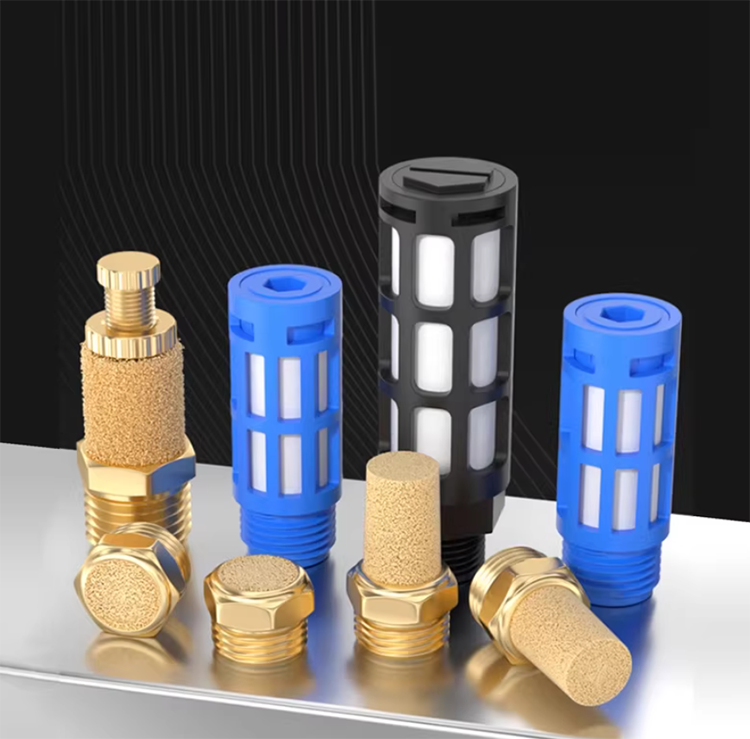
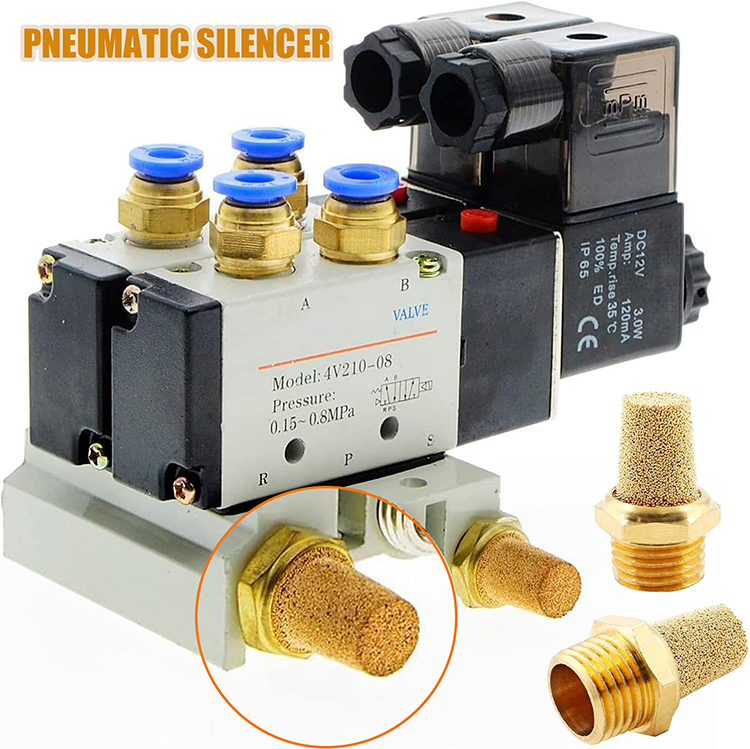
A pneumatic silencer is installed directly into the exhaust port of valves, air cylinders, air compressors, or vacuum generators. Internally, it uses porous structures, diffusion chambers, or sintered materials to break high-velocity airflow into smaller streams.
Instead of allowing compressed air to exit in one violent jet, the silencer:
◆Reduces airflow turbulence
◆Slows down pressure equalization
◆Converts part of the kinetic energy into heat
The result is a significant reduction in sound pressure level, often 10–30 dB, without sealing or blocking the exhaust.
This makes the pneumatic exhaust muffler one of the simplest noise-control components available in industrial automation.
Pneumatic silencers are used across a wide range of industries, not because they are optional accessories, but because exhaust noise is unavoidable in air-driven systems.
Common applications include:
◆Directional control valves and solenoid valves
◆Pneumatic cylinders with fast extension and retraction
◆Air compressors and compressed air manifolds
◆Packaging, bottling, and labeling machines
◆Assembly lines with high-cycle automation
In compact machines, where operators stand close to exhaust points, installing a properly sized pneumatic exhaust silencer often delivers immediate and noticeable improvement in working conditions.
One of the first questions engineers ask is whether adding a silencer will restrict exhaust flow. This concern is valid. If exhaust air cannot escape freely, back pressure may occur, affecting system performance.
Potential issues include:
◆Slower cylinder movement
◆Longer cycle times
◆Increased air consumption
However, these problems are usually caused by incorrect silencer selection, not by the concept itself. A well-designed pneumatic exhaust silencer balances noise reduction with sufficient airflow capacity.
Key selection parameters include:
◆Thread size
◆Maximum airflow (CV value)
◆Operating pressure
◆Internal structure and porosity
FOKCA pneumatic silencers are engineered to maintain stable exhaust flow while achieving effective noise attenuation, making them suitable for both standard automation and high-cycle industrial equipment.
Different applications require different silencer designs. The table below outlines the most common types and their typical use cases.
| Type of Pneumatic Silencer | Material | Key Features | Typical Applications |
|---|---|---|---|
| Sintered Bronze Silencer | Bronze | Good noise reduction, durable, compact | Valves, cylinders, general automation |
| Stainless Steel Silencer | Stainless steel | Corrosion resistant, cleanable | Food, chemical, harsh environments |
| Plastic Body Silencer | Engineering plastic | Lightweight, cost-effective | Compact machines, OEM equipment |
| Adjustable Exhaust Silencer | Metal + control element | Noise reduction + flow adjustment | Speed control, tuning cylinder motion |
For distributors and OEM customers, offering multiple pneumatic exhaust muffleroptions allows better alignment with different industries, budgets, and performance requirements.
Noise is not just an inconvenience. In many regions, workplace safety regulations define limits for continuous noise exposure. While exact thresholds vary, excessive pneumatic exhaust noise often triggers corrective actions.
Installing pneumatic exhaust silencers helps:
Reduce long-term hearing risks for operators
Minimize reliance on personal protective equipment
Improve compliance during safety audits
Enhance overall factory environment
From a management perspective, quieter machines are also easier to approve, sell, and deploy across different sites.
Pneumatic systems are valued for simplicity and reliability, but exhaust noise has always been their weak point. A properly selected pneumatic silencer does not change how a system works—it changes how it is experienced.
Lower noise levels improve operator comfort, simplify compliance, and enhance perceived machine quality. For such a small component, the return on investment is often immediate and measurable.
For engineers, buyers, and distributors, understanding when and how to use a pneumatic exhaust silencer is a simple step that delivers lasting value across the entire pneumatic system.
(FK9026)
 PVC Tubing vs Polyurethane Tubing: Choosing the Better Air Hose for Modern Pneumatic Systems
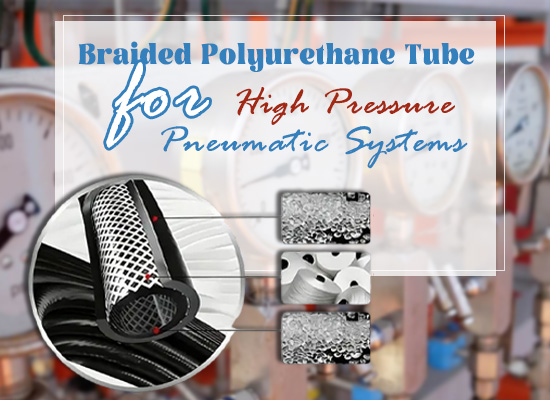 Braided Polyurethane Tube for High Pressure Pneumatic Systems
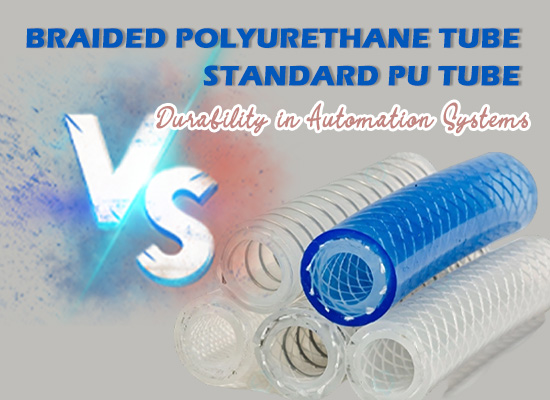 PUB Braided Polyurethane Tube vs Standard PU Tube: Durability in Automation Systems
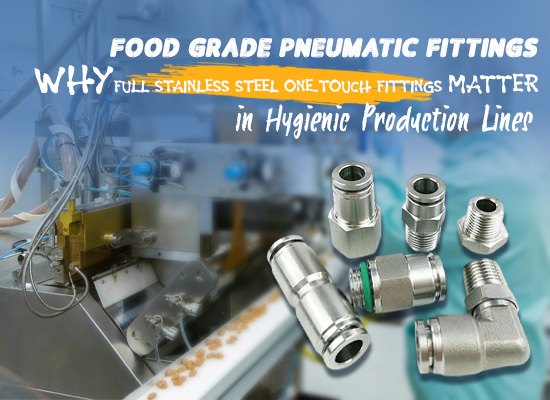 Food Grade Pneumatic Fittings: Why Full Stainless Steel One-Touch Fittings Matter in Hygienic Production Lines
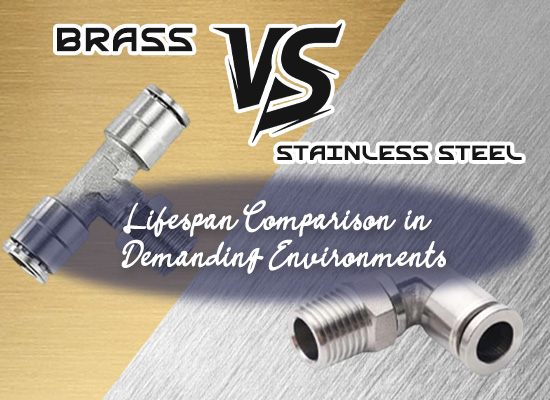 Brass vs Stainless Steel Fittings: Lifespan Comparison in Demanding Environments
You May Interest In
Jan 07, 2026 Blog
How to Choose the Right Hex Head Plug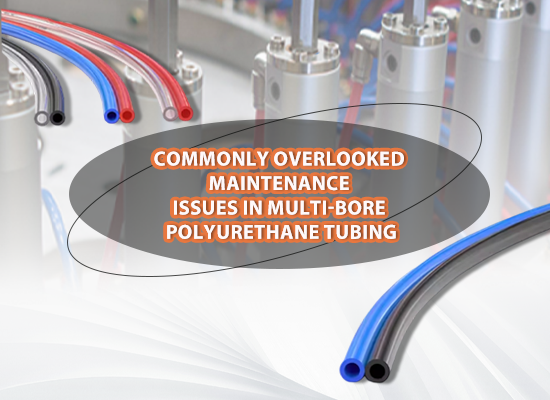
Jan 06, 2026 Blog
How to Measure NPT Threads Accurately on a Fitting

Dec 23, 2025 Blog
How to install compression fitting on copper pipe
Dec 22, 2025 Blog
Can Pneumatic Quick Couplings Be Used for Water





Get a free sample

Links: www.fescolo.com(Pneumatic)
FOKCA ©1998-2025 All Rights Reserved Sitemap