Jan 19, 2026
When selecting pneumatic fittings, many engineers and buyers instinctively assume that stainless steel air fittings are always the safer and more durable option. In reality, this is not always the case. For a large number of standard industrial applications, brass pneumatic fittings already provide reliable and cost-effective performance.
The real question is not whether stainless steel fittings are “better,” but whether they are necessary for your operating environment. Understanding where full stainless steel pneumatic one touch fittings add real value—and where they do not—helps avoid unnecessary cost while improving system reliability.
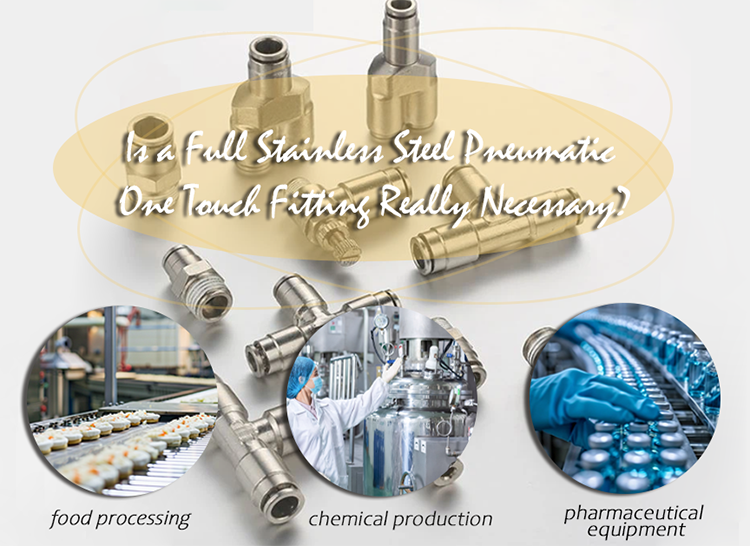
In typical factory environments with clean, dry compressed air and controlled indoor conditions, brass one touch fittings perform exceptionally well. They offer good corrosion resistance, stable sealing performance, and long service life when properly installed.
This is why brass push to connect fittings remain the mainstream choice across general automation equipment, packaging machinery, and assembly lines. Even well-known brands such as SMC one touch fittings rely heavily on brass constructions for standard models.
For distributors and procurement teams, brass fittings provide a strong balance between performance, availability, and cost efficiency. In these conditions, switching to full stainless steel pneumatic one touch fitting rarely brings measurable performance improvement.
The advantage of stainless steel fittings becomes clear when environmental conditions move beyond “normal factory use.”
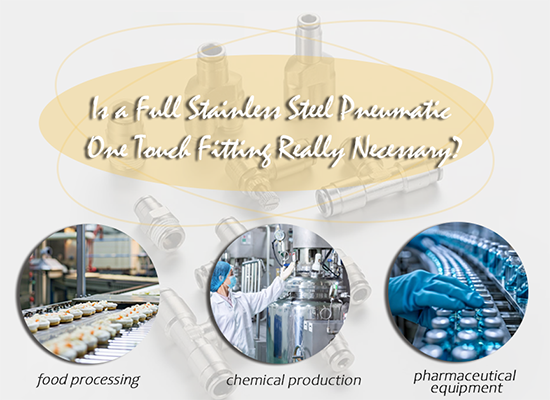
In food processing, chemical production, pharmaceutical equipment, and outdoor installations, fittings are exposed to moisture, aggressive cleaning agents, or corrosive substances. In such cases, brass fittings may discolor, corrode, or experience reduced sealing reliability over time.
Full stainless steel pneumatic one touch fittings offer superior resistance to:
◆Continuous moisture or washdown
◆Mild acids, alkalis, and chemical vapors
◆Salt spray and coastal environments
◆High hygiene and cleanliness requirements
In these applications, durability and stability matter more than initial cost.
Corrosion is not only a cosmetic issue. Once corrosion begins at the fitting body or threads, it can compromise sealing surfaces and increase the risk of air leakage.
Stainless steel air fittings maintain structural integrity and sealing stability even after long-term exposure to harsh conditions. This is one reason why SMC stainless steel push to connect fittings are commonly specified in hygienic and chemically aggressive environments.
From a system maintenance perspective, fewer fitting replacements mean lower downtime and more predictable operating costs—especially important for continuous production lines.
In food and beverage processing, fittings are frequently exposed to high-pressure washdown and cleaning chemicals. Brass fittings may degrade or discolor under repeated cleaning cycles, potentially raising hygiene concerns.
Full stainless steel pneumatic one touch fittings are easier to clean and less reactive to detergents and disinfectants. Their smooth surface finish helps prevent residue buildup, making them more suitable for hygienic system design.
In these industries, stainless steel fittings are not a premium option—they are often a basic compliance requirement.
While pneumatic systems typically operate at moderate pressures, temperature fluctuations and media exposure still affect fitting performance.
Stainless steel fittings offer better dimensional stability under temperature variation and broader compatibility with different compressed air qualities, including air containing oil mist or trace chemicals.
When combined with appropriate sealing materials, full stainless steel pneumatic one touch fittings maintain consistent performance where brass fittings may gradually lose sealing reliability.
| Factor | Brass One Touch Fitting | Stainless Steel One Touch Fitting |
|---|---|---|
| Cost | Lower | Higher |
| Corrosion resistance | Moderate | Excellent |
| Washdown suitability | Limited | Excellent |
| Chemical exposure | Limited | Strong |
| Hygiene applications | Not recommended | Recommended |
| Typical industries | General automation | Food, chemical, outdoor |
Instead of choosing fittings based on material preference alone, engineers should start with a simple question:
What will this fitting be exposed to over its service life?
If the answer involves moisture, chemicals, cleaning agents, or corrosive atmospheres, stainless steel is the rational choice. If not, brass fittings remain a reliable and economical solution.
This selection logic prevents both under-specification and over-specification.
A full stainless steel pneumatic one touch fitting is not always necessary—but in the right environment, it is absolutely justified. Understanding where stainless steel adds real value is the key to making smarter, system-level decisions.
For most standard factory applications, brass fittings perform reliably. In food, chemical, humid, or corrosive environments, stainless steel fittings provide durability, stability, and peace of mind that brass simply cannot match.
(FK9026)
 PVC Tubing vs Polyurethane Tubing: Choosing the Better Air Hose for Modern Pneumatic Systems
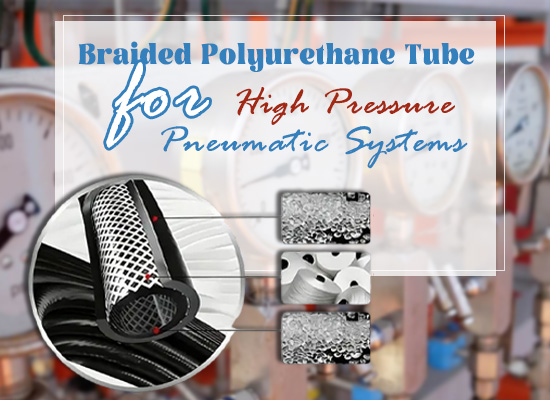 Braided Polyurethane Tube for High Pressure Pneumatic Systems
 PUB Braided Polyurethane Tube vs Standard PU Tube: Durability in Automation Systems
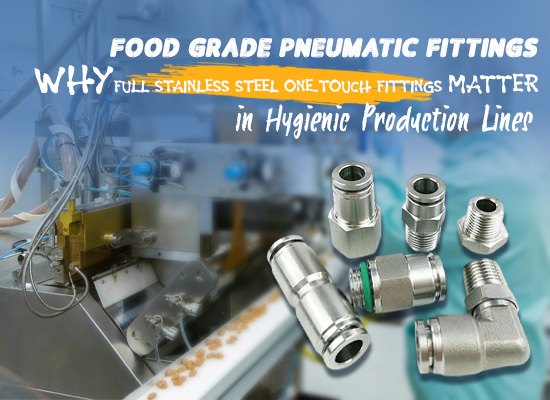 Food Grade Pneumatic Fittings: Why Full Stainless Steel One-Touch Fittings Matter in Hygienic Production Lines
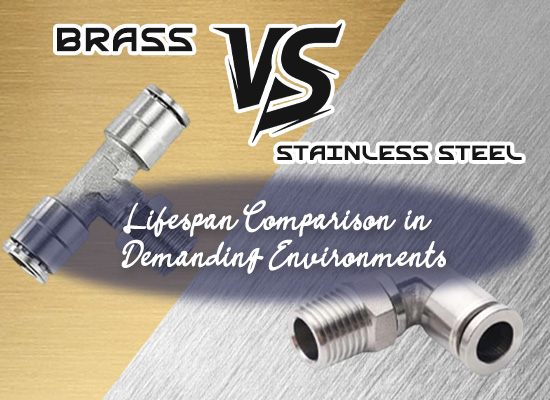 Brass vs Stainless Steel Fittings: Lifespan Comparison in Demanding Environments
You May Interest In
Jan 19, 2026 Blog
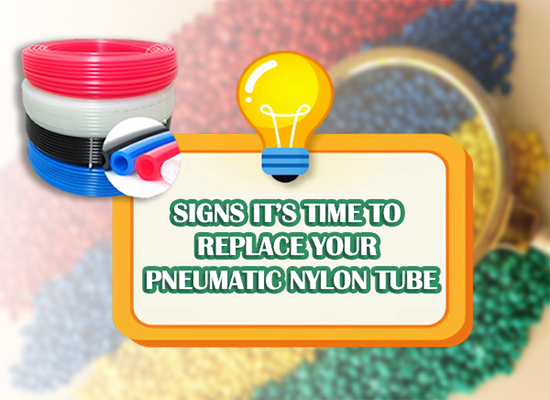
Signs It’s Time to Replace Your Pneumatic Nylon Tube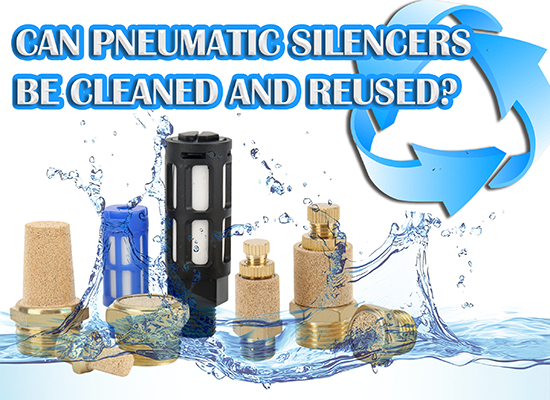
Jan 16, 2026 Blog
Can Pneumatic Silencers Be Cleaned and Reused

Jan 08, 2026 Blog
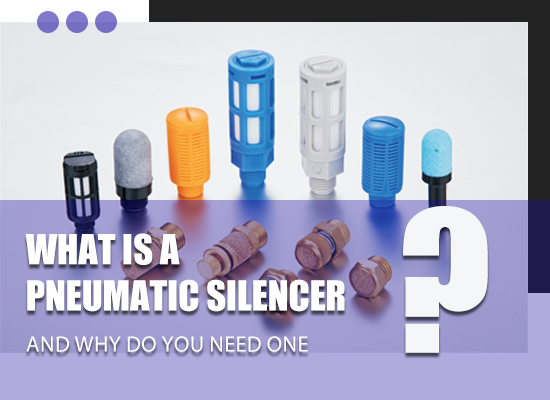
What Is a Pneumatic Silencer and Why Do You Need One

Get a free sample

Links: www.fescolo.com(Pneumatic)
FOKCA ©1998-2025 All Rights Reserved Sitemap