Jan 19, 2026
In pneumatic systems, nylon tubing is often treated as a “long-life” component. It resists pressure, tolerates temperature variation, and performs reliably in demanding industrial environments. However, pneumatic nylon tube are still consumable components. Aging, environmental exposure, and improper installation gradually reduce their safety margin.
The challenge is that nylon tubing rarely fails without warning. In most cases, visible and mechanical signs appear well before leakage or rupture occurs. Identifying these signals early allows engineers and maintenance teams to replace tubing at the right time—before downtime, safety incidents, or equipment damage occur.
Below are the most common and practical indicators that your pneumatic nylon tube should be replaced.
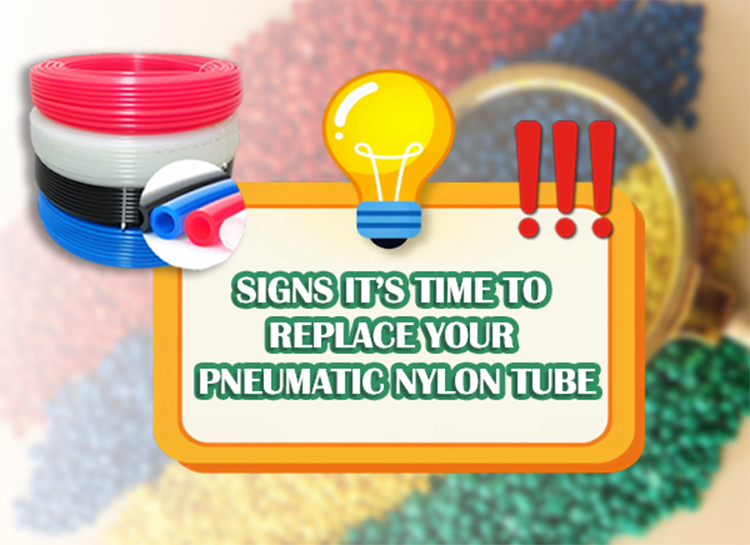
One of the earliest signs of aging in a nylon tube is yellowing or uneven discoloration. This is especially common in tubing installed near windows, outdoor machinery, or equipment exposed to continuous lighting.
Ultraviolet radiation breaks down polymer chains over time. In nylon hose, this process does not immediately cause leaks, but it reduces elasticity and impact resistance, making the tube more prone to cracking under pressure or vibration. Clear or light-colored pneumatic nylon tube tends to show this change more clearly.
Mild yellowing does not always require immediate replacement. However, when discoloration is accompanied by surface stiffness or reduced flexibility, the tube is already beyond its optimal service condition. For systems running at stable, low pressure, short-term continued use may be acceptable. In dynamic or high-pressure applications, replacement is the safer choice.
Practical note: UV-stabilized nylon tubing significantly extends service life in exposed environments and reduces long-term maintenance frequency.
Fine cracks on the tube surface are a clear warning sign. These cracks are typically caused by UV aging, sustained high temperature, or exposure to solvents and oils that are incompatible with standard nylon formulations.
At this stage, the tube may still hold pressure, but its structural integrity is already compromised. In pneumatic systems, cracks act as stress concentrators, and failure often occurs suddenly when pressure spikes or ambient temperature changes.
For high-pressure pneumatic nylon tube systems, any visible cracking should trigger immediate replacement. Even in medium-pressure lines, cracked nylon hose should not remain in service, as the cost of replacement is negligible compared to the risk of air loss or equipment shutdown.
From an engineering perspective, surface cracking indicates that the polymer has entered the early brittle phase, where fatigue resistance drops sharply.
Bulging near fittings is one of the most dangerous warning signs and should never be ignored.
The interface between the nylon tube and the fitting is naturally the weakest point in the system. When bulging appears, it indicates that internal pressure has exceeded the tube’s remaining load-bearing capacity, often due to pressure surges, incorrect tubing wall thickness, or long-term fatigue.
Once bulging occurs, the pneumatic nylon tube has already lost a significant portion of its pressure resistance. Continued use can lead to sudden blow-off or rupture, particularly during compressor cycling or valve switching.
Immediate actions recommended:
◆Replace the nylon tube without delay
◆Check system pressure stability
◆Consider switching to a thicker-wall nylon hose
◆Verify fitting compatibility and insertion depth
This is not a cosmetic issue—it is a structural failure in progress.
Nylon tubing is designed with a defined minimum bending radius. Repeatedly bending the tube beyond this limit leads to internal stress accumulation and gradual deformation.
When a nylon tube no longer returns to its original round shape after bending, or when it shows visible flattening at curved sections, the internal structure has been compromised. This condition restricts airflow and increases localized stress, accelerating fatigue.
In automated equipment with moving axes, this problem often develops slowly and goes unnoticed until air flow becomes unstable. Once permanent bending is visible, replacement is the correct response, not re-routing or straightening.
Selecting the correct tube diameter and routing path at installation stage is the most effective prevention.
In real industrial environments, nylon hose is exposed to mechanical hazards that are not always considered during design.
1.Deep scratches or abrasion reduce wall thickness and pressure tolerance
2.Bite marks from rodents or sharp edges create unpredictable failure points
3.Stress whitening often indicates internal micro-cracking caused by repeated bending or compression
Individually, some of these issues may appear minor. Collectively, they signal that the tube has entered a high-risk phase of its lifecycle. For pneumatic nylon tube used in safety-related or continuous-duty systems, replacement is strongly advised once these defects appear.
| Observed Condition | Likely Cause | Risk Level | Recommended Action |
|---|---|---|---|
| Mild yellowing | UV exposure | Low–Medium | Monitor, plan replacement |
| Deep discoloration + stiffness | Advanced aging | Medium | Replace soon |
| Surface cracks | UV / heat / solvent | High | Replace immediately |
| Bulging near fittings | Overpressure | Critical | Stop system, replace |
| Permanent bending | Over-bending | Medium–High | Replace |
| Abrasion / bite marks | Mechanical damage | Medium–High | Replace |
In pneumatic systems, tubing failures rarely remain isolated. A degraded nylon tube can cause pressure instability, valve malfunction, increased compressor load, and unplanned downtime. For distributors and equipment builders, this often translates into warranty claims or customer dissatisfaction.
Replacing pneumatic nylon tube at the right time is not an expense—it is a risk control measure. From a procurement perspective, predictable replacement cycles also reduce emergency orders and logistics costs.
When replacing nylon tubing, simply selecting the same size is not always sufficient. Engineers should reassess:
1.Operating pressure and pressure fluctuation range
2.Ambient temperature and UV exposure
3.Chemical or oil contact
4.Installation routing and bending frequency
FOKCA supplies standard and custom nylon tube solutions, including thick-wall, UV-resistant, and application-specific formulations. For OEM and ODM projects, tubing parameters can be adjusted to match real operating conditions rather than catalog assumptions.
This approach helps extend service life while maintaining system safety and performance.
A nylon hose rarely fails without warning. Discoloration, cracking, bulging, deformation, and surface damage are all messages from the system. Ignoring them shifts risk downstream—into downtime, safety incidents, or equipment damage.
For distributors, engineers, and factory managers, developing the habit of visual inspection and timely replacement is one of the simplest ways to improve pneumatic system reliability.
If you are unsure whether your current pneumatic nylon tube is still suitable, evaluating it against these signs is the fastest and most reliable starting point.
(FK9026)
 PVC Tubing vs Polyurethane Tubing: Choosing the Better Air Hose for Modern Pneumatic Systems
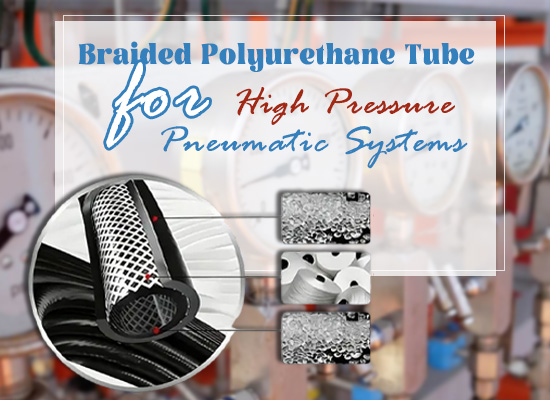 Braided Polyurethane Tube for High Pressure Pneumatic Systems
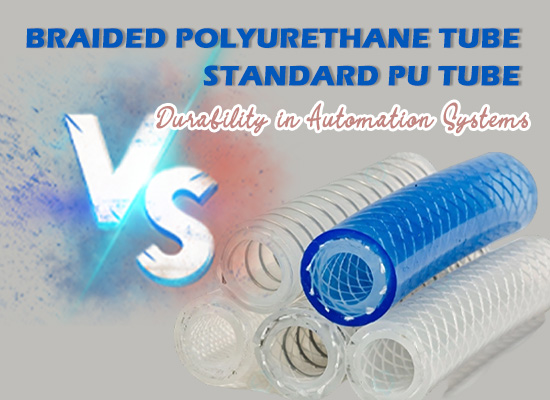 PUB Braided Polyurethane Tube vs Standard PU Tube: Durability in Automation Systems
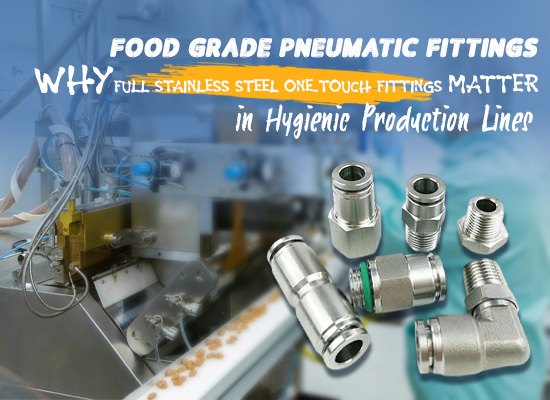 Food Grade Pneumatic Fittings: Why Full Stainless Steel One-Touch Fittings Matter in Hygienic Production Lines
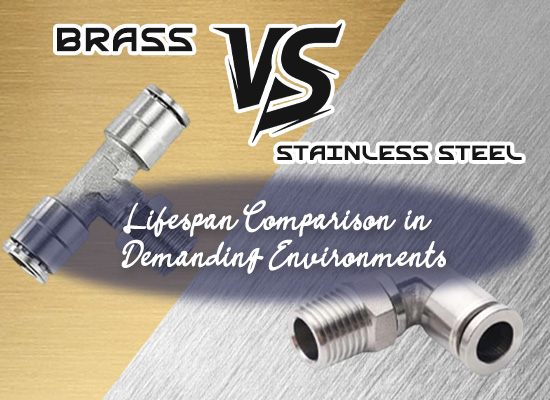 Brass vs Stainless Steel Fittings: Lifespan Comparison in Demanding Environments
You May Interest In
May 07, 2025 Blog
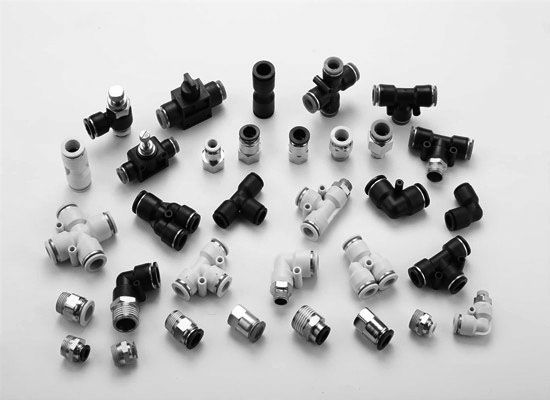
Comprehensive Analysis of Pneumatic Push in Fittings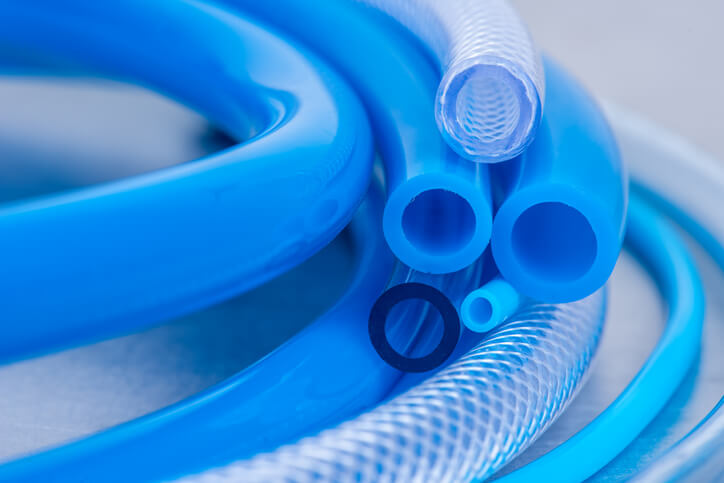
Apr 22, 2025 Blog
Solution for Nylon Tube
Apr 16, 2025 Blog
PVC Tubing vs. Polyurethane Tubing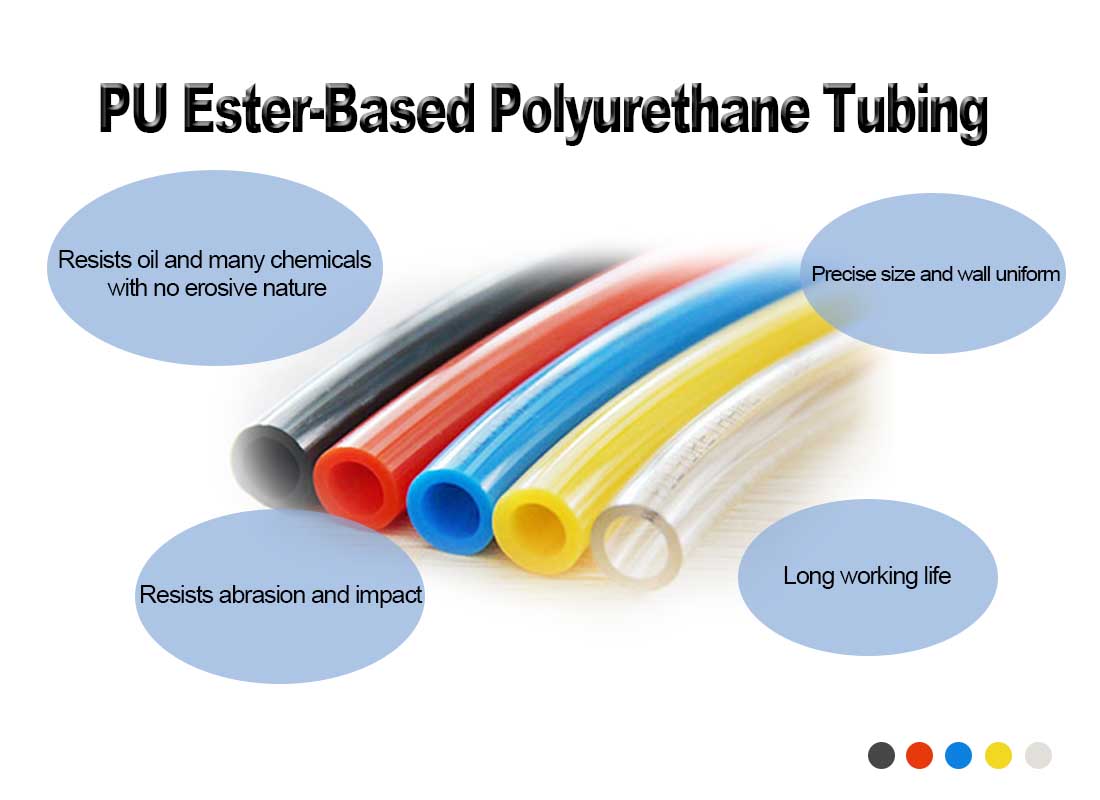
Apr 10, 2025 Blog
What is the difference between pu and pvc
Feb 24, 2025 Blog
How to Identify Hydraulic Quick Couplers?
Jan 21, 2025 Blog
How to Measure Pipe Thread?
Jan 16, 2025 Blog
What Is Pipe thread?
Dec 04, 2024 Blog
Application Of Tube Fitting
Jun 26, 2023 Blog
What Is The Difference Between LLDPE And LDPE?
Jan 17, 2023 Blog
What Are The Classification Of Plastics?
Get a free sample

Links: www.fescolo.com(Pneumatic)
FOKCA ©1998-2025 All Rights Reserved Sitemap