Jan 20, 2026
In hydraulic systems, oil leakage during coupling and uncoupling is more than a housekeeping problem. Escaped hydraulic fluid contaminates equipment, increases fire risk, shortens component life, and creates compliance issues in industries where environmental control matters. This is where the Flat Face Hydraulic Quick Coupling has earned its reputation, not as a premium option, but as a practical solution for modern machines that operate under stricter cleanliness and sustainability standards.
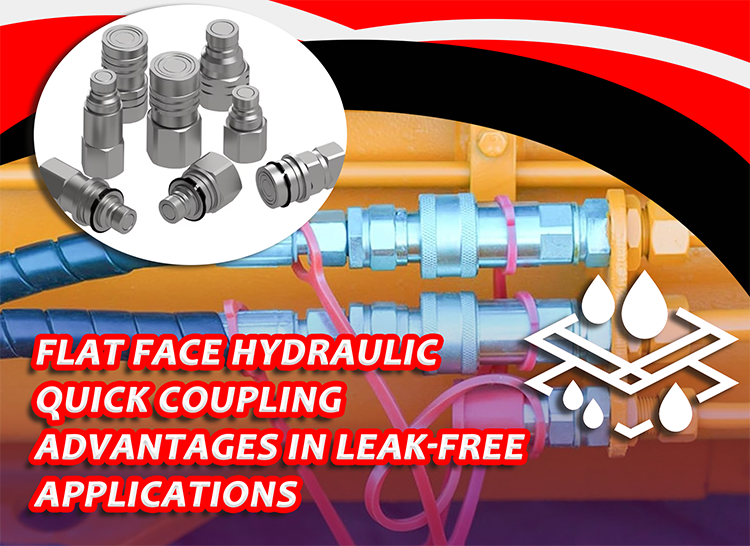
Traditional poppet-style hydraulic quick couplers rely on internal valve movement during disconnection. When pressure is released, residual oil trapped between the valves has nowhere to go except out of the interface. Even a small amount of oil loss can accumulate quickly on construction sites or inside production facilities, especially when couplers are connected and disconnected multiple times per shift.
For equipment engineers and maintenance teams, this creates a familiar dilemma: tolerate minor leaks or over-engineer sealing systems elsewhere. Flat face designs approach the problem at the source by changing how the sealing surface behaves at the moment of separation.
The defining feature of a flat face hydraulic quick connect coupler is its flush sealing surface. When the male and female halves disconnect, the sealing faces close almost instantly, leaving virtually no cavity for oil to escape. This design minimizes trapped fluid volume, which is the primary cause of spillage in conventional couplers.
From a technical standpoint, flat face couplings combine metal-to-metal face contact with precision elastomer seals. The result is a controlled disconnect process that reduces oil loss to negligible levels, even in systems operating at high pressure. For machines that must meet environmental or safety regulations, this characteristic alone justifies the design choice.
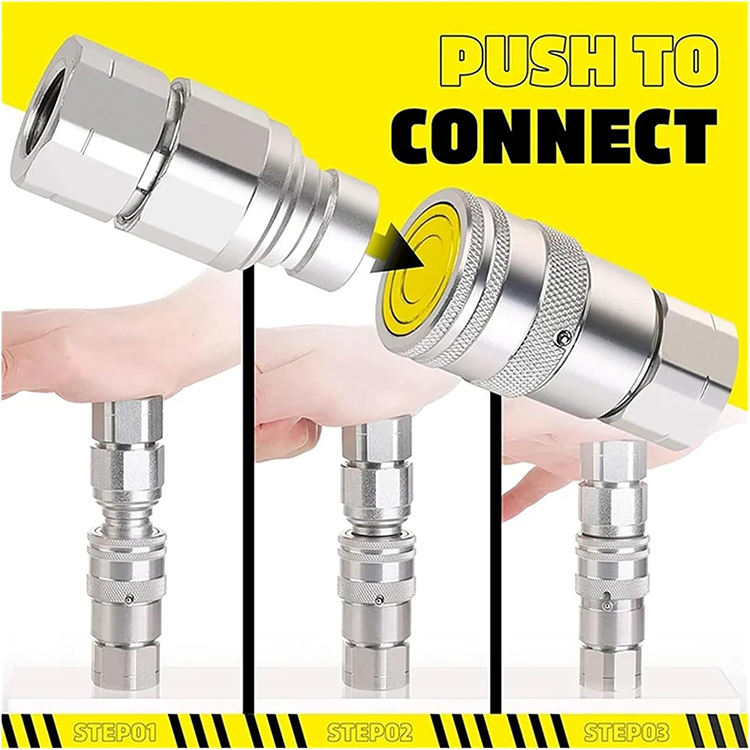
Leak control is not only about saving oil; it directly affects compliance. In agricultural machinery operating near crops or water sources, even small leaks can cause long-term soil contamination. Similarly, industrial equipment used in food processing plants or clean manufacturing environments cannot tolerate oil mist or surface residue.
Flat face hydraulic quick couplers are widely adopted in these scenarios because they help operators maintain clean work zones without additional containment measures. Industry data from environmental equipment reports consistently shows reduced cleanup time and lower fluid consumption when flat face couplers replace traditional designs.
While leak reduction is the headline advantage, flat face couplers also bring secondary performance benefits. Their smooth external surface resists dirt accumulation, making them easier to clean before reconnection. This directly lowers the risk of particulate contamination entering the hydraulic circuit.
In high-cycle applications, such as robotic tooling or auxiliary hydraulic attachments, reduced contamination translates into longer seal life and more stable system pressure. Engineers often notice fewer pressure spikes and smoother actuator response after switching to flat face designs.
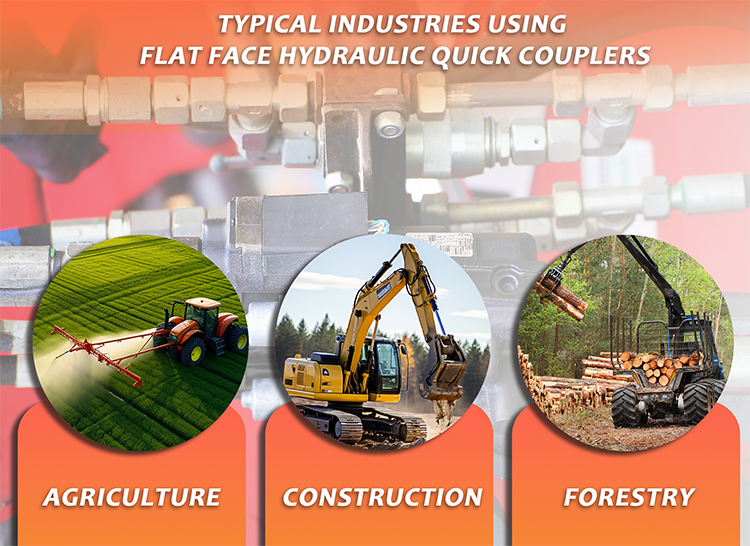
Flat face hydraulic quick couplers are not limited to niche equipment. Their adoption spans multiple sectors where reliability and cleanliness intersect.
| Industry | Typical Equipment | Key Reason for Flat Face Design |
|---|---|---|
| Construction | Excavators, hydraulic breakers | Reduced oil loss during attachment changes |
| Agriculture | Tractors, harvesters | Environmental protection and easy wash-down |
| Manufacturing | Hydraulic tooling, presses | Clean factory floors and stable pressure |
| Forestry & Recycling | Grabs, compactors | Resistance to dirt and debris ingress |
In excavators, for example, a hydraulic quick coupler excavator setup often involves frequent attachment swaps. Flat face couplers significantly reduce downtime caused by cleanup and maintenance after each changeover.
Choosing the right flat face hydraulic quick coupling involves more than matching thread size. Operating pressure, flow rate, connection force, and compatibility with existing hydraulic fluids all matter. For procurement teams, standardization across equipment fleets can simplify inventory and reduce long-term costs.
OEMs and distributors often prioritize couplers that meet ISO 16028 standards, ensuring interchangeability and consistent sealing performance. For those sourcing globally, working with manufacturers that offer material options such as carbon steel or stainless steel helps adapt the coupler to harsh or corrosive environments.
Flat face hydraulic quick connect couplers represent a design evolution driven by real operational needs. By addressing oil leakage at the connection point, they help equipment run cleaner, safer, and more efficiently. Whether applied to heavy construction machinery or precision industrial systems, their advantages extend well beyond environmental considerations.
For engineers refining system reliability, distributors expanding product portfolios, or buyers focused on long-term operating cost, flat face couplers are no longer an optional upgrade. They are a practical standard for hydraulic systems expected to perform responsibly in today’s working environments.
(FK9026)
 PVC Tubing vs Polyurethane Tubing: Choosing the Better Air Hose for Modern Pneumatic Systems
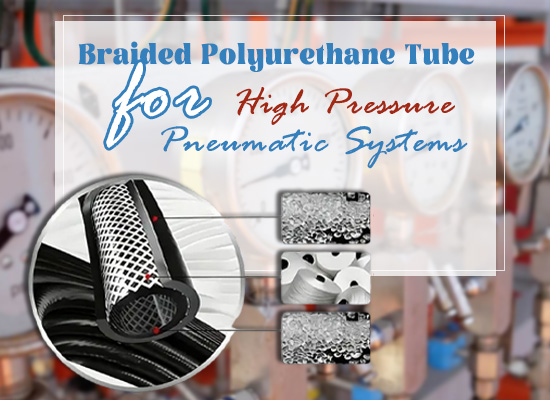 Braided Polyurethane Tube for High Pressure Pneumatic Systems
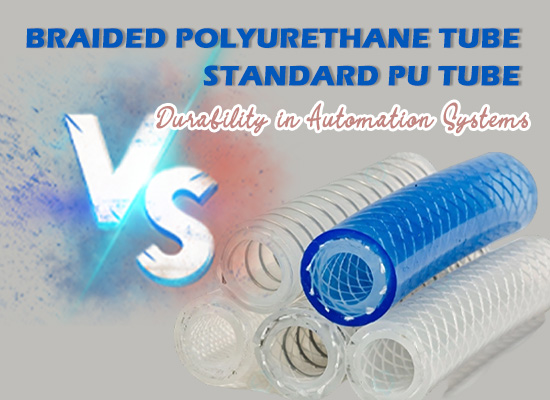 PUB Braided Polyurethane Tube vs Standard PU Tube: Durability in Automation Systems
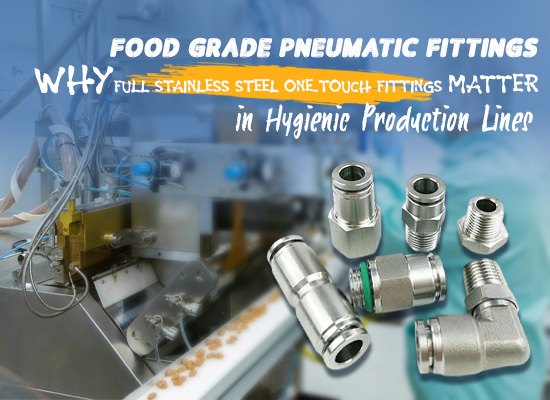 Food Grade Pneumatic Fittings: Why Full Stainless Steel One-Touch Fittings Matter in Hygienic Production Lines
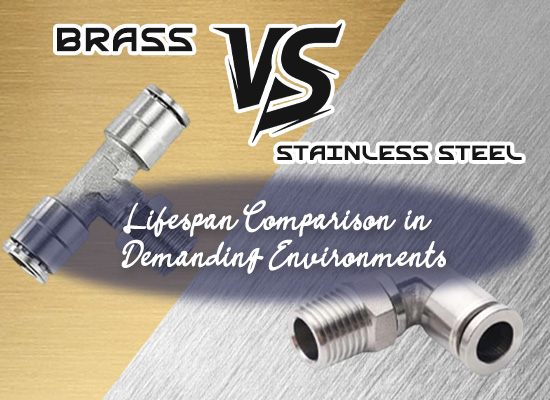 Brass vs Stainless Steel Fittings: Lifespan Comparison in Demanding Environments
You May Interest In
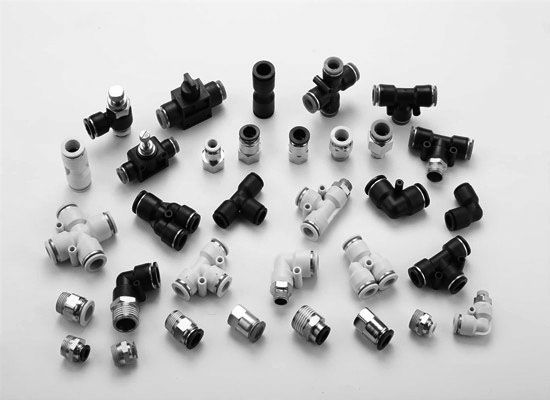
May 07, 2025 Blog
Comprehensive Analysis of Pneumatic Push in Fittings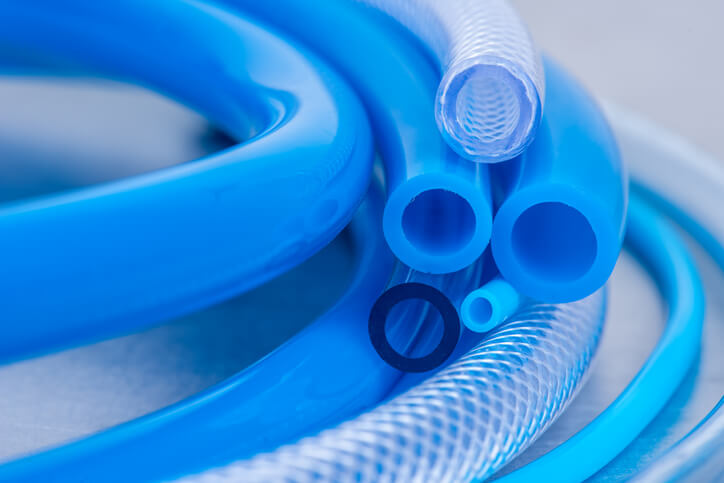
Apr 22, 2025 Blog
Solution for Nylon Tube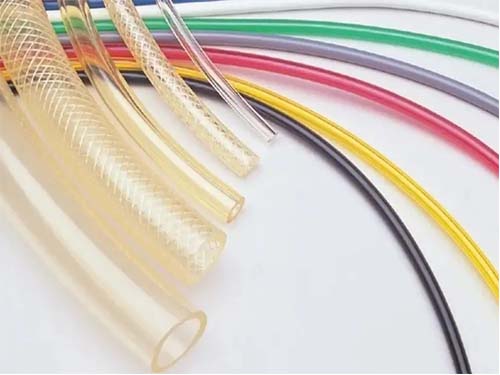
Apr 16, 2025 Blog
PVC Tubing vs. Polyurethane Tubing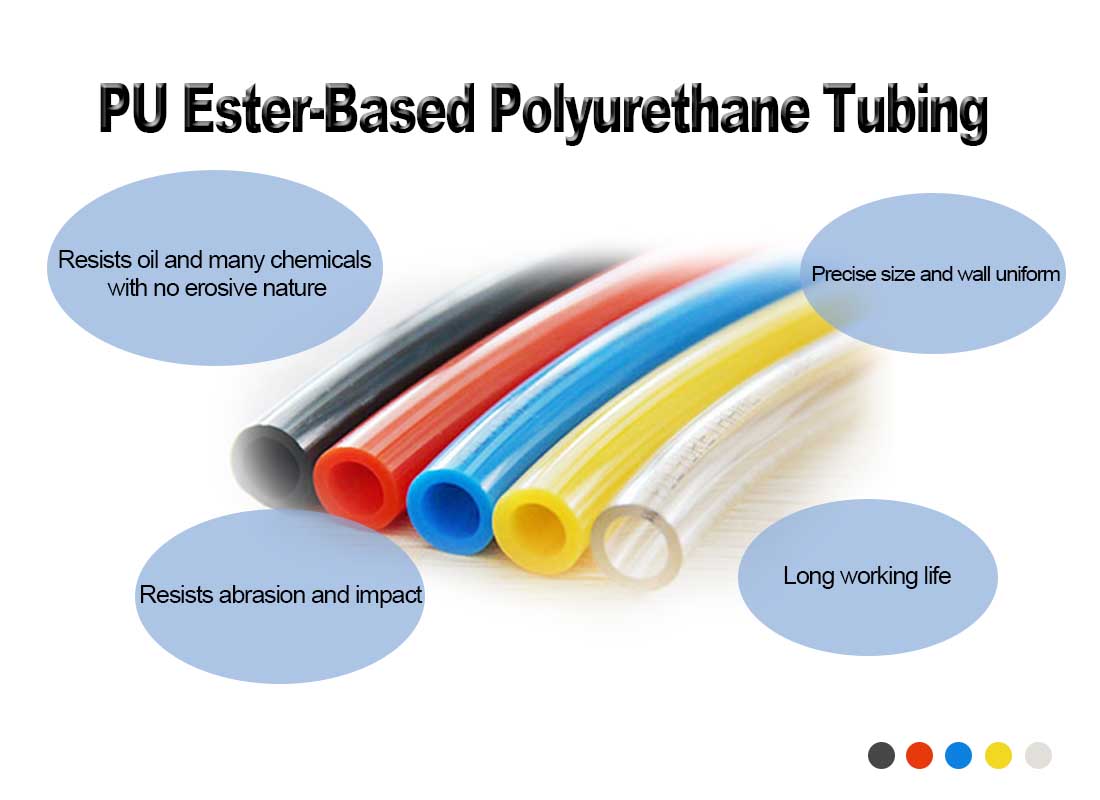
Apr 10, 2025 Blog
What is the difference between pu and pvc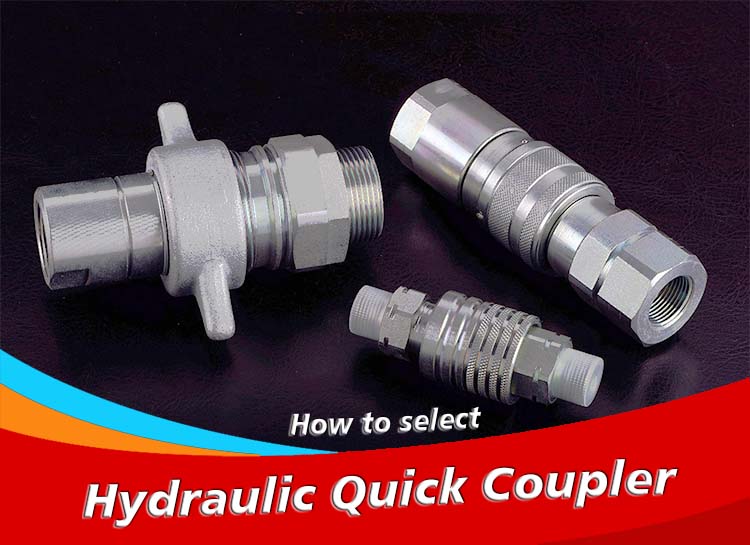
Feb 24, 2025 Blog
How to Identify Hydraulic Quick Couplers?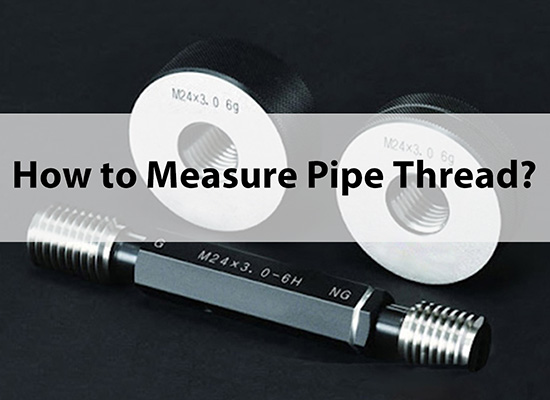
Jan 21, 2025 Blog
How to Measure Pipe Thread?
Jan 16, 2025 Blog
What Is Pipe thread?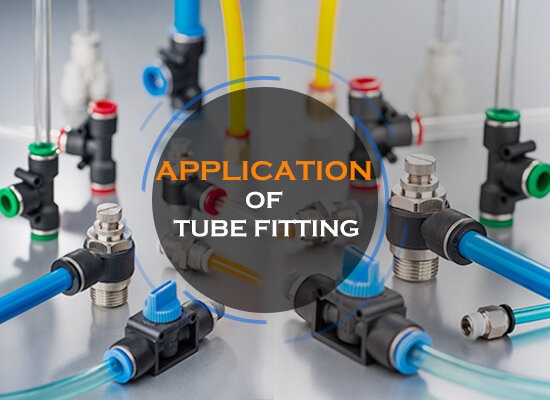
Dec 04, 2024 Blog
Application Of Tube Fitting
Jun 26, 2023 Blog
What Is The Difference Between LLDPE And LDPE?
Jan 17, 2023 Blog
What Are The Classification Of Plastics?
Get a free sample

Links: www.fescolo.com(Pneumatic)
FOKCA ©1998-2025 All Rights Reserved Sitemap