Feb 19, 2026
Hydraulic Quick Coupling products are expected to work under high pressure, vibration, oil contamination, and frequent connection cycles. Many buyers assume stainless steel would be the natural choice, yet in real industrial systems most hydraulic quick connect coupler models are made from carbon steel with surface treatment. The reason lies in a practical balance between strength, machinability, corrosion protection, and total cost.
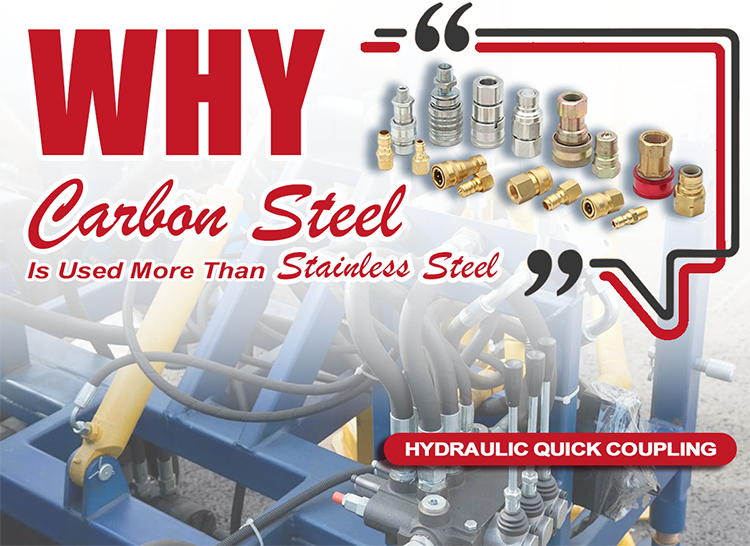
A Hydraulic Quick Coupler must endure pressure shocks that can exceed the nominal working pressure of the circuit. Medium-carbon steels provide higher yield strength and better fatigue resistance than common austenitic stainless grades such as 304 or 316. During repetitive connection of quick release couplings hydraulic, the locking balls and valve sleeves experience micro-impacts. Carbon steel keeps dimensional stability and reduces wear on critical sealing areas, while many stainless grades tend to gall or deform without special coatings.
Engineers in mobile machinery often report that carbon steel couplers maintain tighter tolerances after thousands of cycles. For equipment like excavators or injection machines, this stability directly influences leakage rate and service life.
Price is another decisive factor. Machining stainless steel requires slower cutting speed, special tools, and more post-processing. A standard carbon-steel hydraulic quick connect coupler can be produced 25–40% cheaper while offering the same pressure rating.
For distributors and procurement managers, this difference becomes significant when a project needs hundreds of units. The saving can be redirected to better seals or protective plating instead of paying for a material whose advantages may not be fully utilized.
Carbon steel is not left bare. Modern Quick Connect fittings normally receive electro-galvanizing, nickel plating, or zinc-nickel alloy. These layers create a dense barrier against moisture and hydraulic oil additives.
Common surface options
| Treatment | Typical Salt Spray | Advantage | Suitable Environment |
|---|---|---|---|
| Zinc plating | 72–120 h | economical, easy repair | indoor machinery |
| Nickel plating | 240–480 h | smooth surface, wear resistance | general industrial |
| Zinc-nickel | 720+ h | excellent corrosion protection | outdoor mobile equipment |
| Phosphate + oil | 48–72 h | good lubrication | heavy duty assembly |
With these treatments, a carbon-steel Hydraulic Quick Coupling can reach corrosion levels close to stainless solutions at a fraction of the cost. Only in marine or chemical exposure does stainless become truly necessary.
The sealing performance of hydraulic quick connect coupler products depends more on the interaction between body material and elastomers than on the base metal alone. Carbon steel offers a stable surface hardness that protects O-rings from extrusion. Stainless steel, when not properly polished, may have micro-roughness that shortens seal life.
For high-pressure lines using NBR or FKM seals, carbon steel with nickel plating often provides the most predictable behavior. This is why many OEM specifications for construction machinery still define plated carbon steel as the standard.
Stainless versions of quick release couplings hydraulic are not unnecessary; they simply serve specific scenarios:
◆food and pharmaceutical equipment requiring wash-down hygiene
◆offshore platforms with continuous salt atmosphere
◆aggressive chemicals incompatible with zinc coatings
◆high-temperature systems above 180°C
In these cases the higher price is justified. The key is matching material to actual risk instead of following a generic preference.
Selecting between carbon steel and stainless for a Hydraulic Quick Coupler should follow a structured evaluation:
1.Define real corrosion class of the workplace, not theoretical worst case.
2.Confirm pressure peaks and connection frequency.
3.Choose surface treatment before changing base material.
4.Consider spare-part cost for the whole lifecycle.
Many buyers discover that a zinc-nickel plated carbon-steel model meets all requirements while reducing total expense by 30% compared with stainless.
For detailed specifications of pressure ratings and interchange standards, see our range of hydraulic quick coupling products and compatible quick connect fittings.
A reliable hydraulic quick connect coupler is less about fashionable material and more about engineering logic. Carbon steel dominates the market because it delivers the best combination of strength, fatigue life, machinability, and coated corrosion resistance. Stainless steel remains a valuable option for niche environments, yet using it without necessity increases cost and sometimes even reduces mechanical performance.
The next time a project specifies stainless by default, reviewing the actual working conditions may reveal that a well-treated carbon-steel Hydraulic Quick Coupling is the smarter and more professional solution.
(FK9026)
 PVC Tubing vs Polyurethane Tubing: Choosing the Better Air Hose for Modern Pneumatic Systems
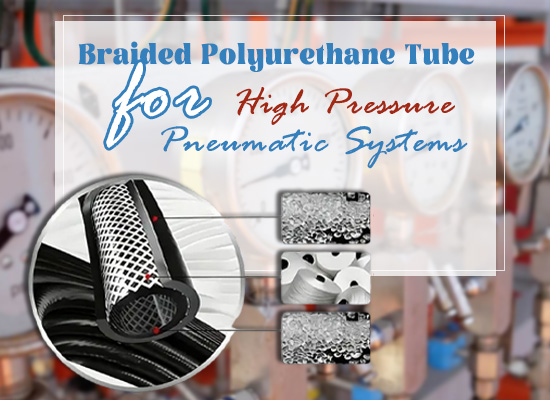 Braided Polyurethane Tube for High Pressure Pneumatic Systems
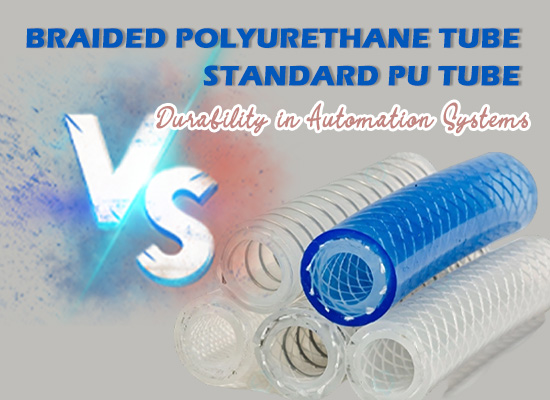 PUB Braided Polyurethane Tube vs Standard PU Tube: Durability in Automation Systems
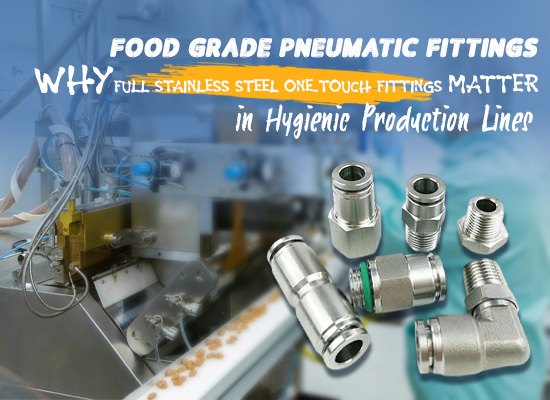 Food Grade Pneumatic Fittings: Why Full Stainless Steel One-Touch Fittings Matter in Hygienic Production Lines
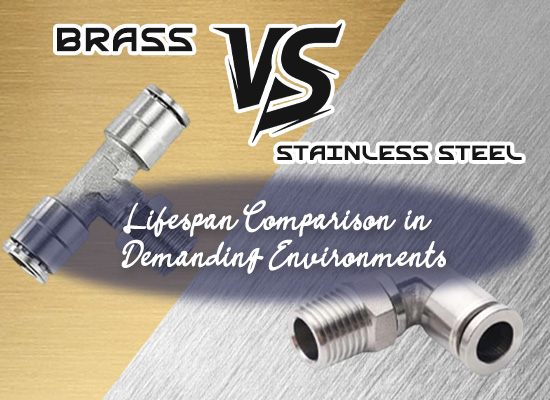 Brass vs Stainless Steel Fittings: Lifespan Comparison in Demanding Environments
You May Interest In
Jan 12, 2026 Blog
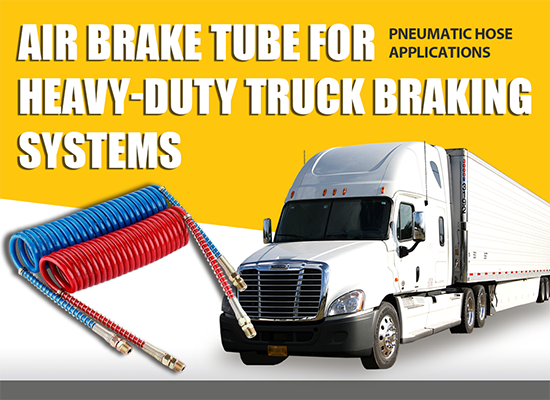
Air Brake Tube for Heavy-Duty Truck Braking Systems
Dec 23, 2025 Blog
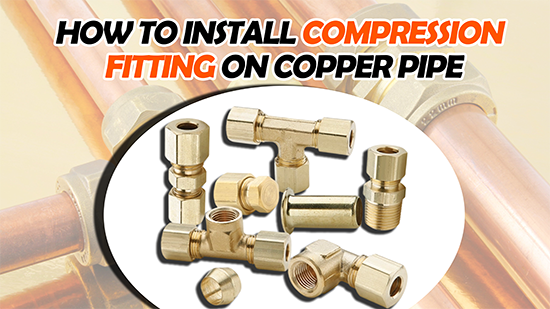
How to install compression fitting on copper pipe

Get a free sample

Links: www.fescolo.com(Pneumatic)
FOKCA ©1998-2025 All Rights Reserved Sitemap