Feb 13, 2026
In multi-station automation lines, different motion units operate under varying pressure, bending radius, and vibration conditions. Using a single hardness level for Polyurethane Pneumatic Tubing often leads to premature wear, kinking, or unstable air supply. A strategic combination of 98A, 95A, 85A, and 80A tubing within the same system can significantly improve durability and motion consistency.
For equipment engineers and distributors supporting high-speed production lines, understanding how to deploy mixed-hardness PU Hose configurations creates both technical and commercial advantages.

Hardness (Shore A) directly influences flexibility, pressure resistance, and recovery speed. In Industrial Pneumatic Tubing, higher hardness means stronger pressure tolerance and better dimensional stability, while lower hardness improves flexibility and routing convenience.
Instead of selecting one universal PU Air Line, advanced system design matches tubing hardness to motion type. Correct hardness allocation reduces failure rates and improves cycle stability.
Typical hardness characteristics:
| Hardness | Flexibility | Pressure Resistance | Best Application Area |
|---|---|---|---|
| 98A | Low | Very High | Fixed main air supply |
| 95A | Medium-Low | High | Medium-load motion units |
| 85A | Medium | Moderate | Robotic arms / moving axes |
| 80A | High | Lower | Tight routing / compact modules |
At the primary air distribution stage, structural rigidity is more important than flexibility. 98A Polyurethane Pneumatic Tubing offers high burst pressure and minimal expansion under load. This ensures stable air volume delivery across long distances.
95A tubing serves as a balanced solution in sub-branches where moderate movement exists but pressure consistency remains critical. Compared to softer PU Hose, these harder grades reduce micro-expansion, maintaining faster actuator response in high-cycle systems.
In packaging or assembly lines running above 50 cycles per minute, stable supply lines directly affect cylinder repeatability.
As air lines move closer to robotic arms or sliding modules, flexibility becomes essential. 85A Industrial Pneumatic Tubing provides an optimal compromise between bend radius and mechanical strength.
Repeated motion causes stress concentration at fittings. Using overly rigid tubing in dynamic zones increases fitting fatigue and leakage risk. An 85A PU Air Line absorbs vibration while maintaining adequate pressure capacity.
For systems integrated with compact cylinders and high-speed valves, matching flexible tubing with precision fittings prevents uneven airflow distribution.
In tight installations—such as labeling heads or small pick-and-place modules—space limitations demand maximum flexibility. 80A tubing allows smaller bend radii without kinking.
Although its pressure rating is slightly lower, in short-distance terminal connections this is rarely a limitation. Instead, flexibility reduces stress on push-in fittings and simplifies routing.
Using softer tubing only where needed optimizes both cost and lifespan.
A practical example in an electronics assembly line illustrates the advantage of mixed hardness deployment:
| Zone | Tubing Hardness | Function | Result |
|---|---|---|---|
| Main supply trunk | 98A | Central air distribution | Stable pressure over 20m |
| Sub-stations | 95A | Branch circuits | Reduced vibration loss |
| Moving gantry | 85A | Dynamic axis routing | Improved motion durability |
| Compact tooling | 80A | Terminal air lines | Easier installation |
After implementing this combination, the factory reported a 15% reduction in tubing-related maintenance over one year.
For distributors, offering multiple hardness grades within one Polyurethane Pneumatic Tubing portfolio strengthens system-level sales rather than single-product transactions.
When specifying mixed-hardness PU Hose solutions:
Evaluate motion frequency and bending radius
Match pressure rating with station demand
Avoid using soft tubing in long-distance supply lines
Ensure compatibility with push-in fittings and filtration units
In complex automation systems, tubing should not be treated as a commodity component. A structured hardness allocation strategy within your PU Air Line network improves airflow stability, reduces maintenance costs, and enhances overall production efficiency—while giving procurement teams flexible cost-performance options.
(FK9026)
 PVC Tubing vs Polyurethane Tubing: Choosing the Better Air Hose for Modern Pneumatic Systems
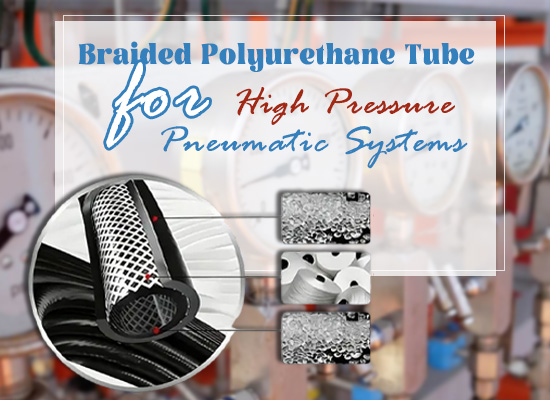 Braided Polyurethane Tube for High Pressure Pneumatic Systems
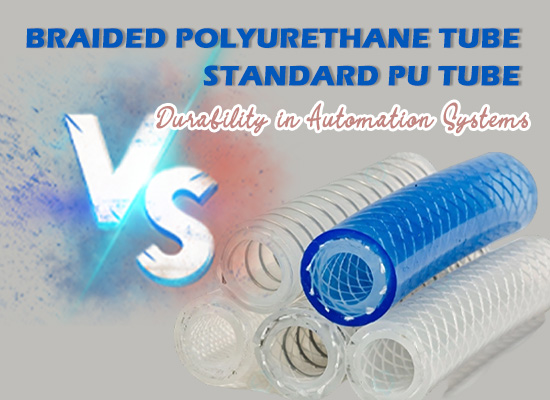 PUB Braided Polyurethane Tube vs Standard PU Tube: Durability in Automation Systems
 Food Grade Pneumatic Fittings: Why Full Stainless Steel One-Touch Fittings Matter in Hygienic Production Lines
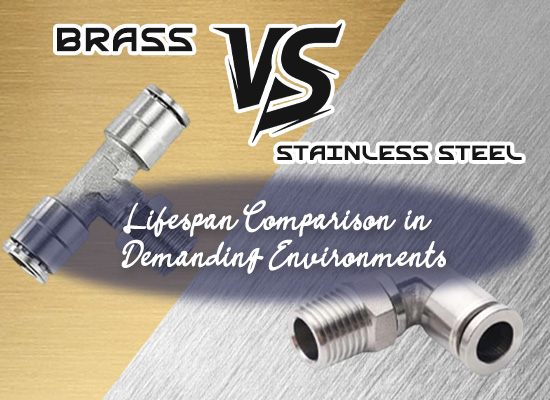 Brass vs Stainless Steel Fittings: Lifespan Comparison in Demanding Environments
You May Interest In
May 07, 2025 Blog
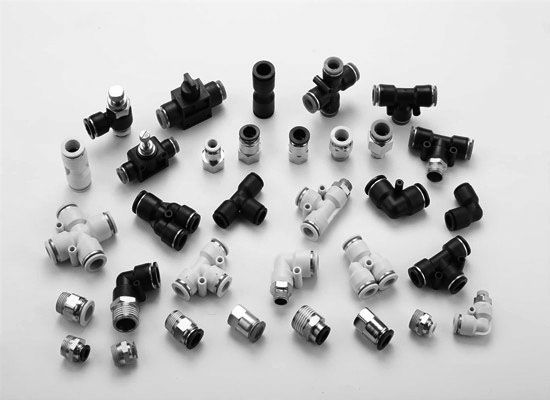
Comprehensive Analysis of Pneumatic Push in Fittings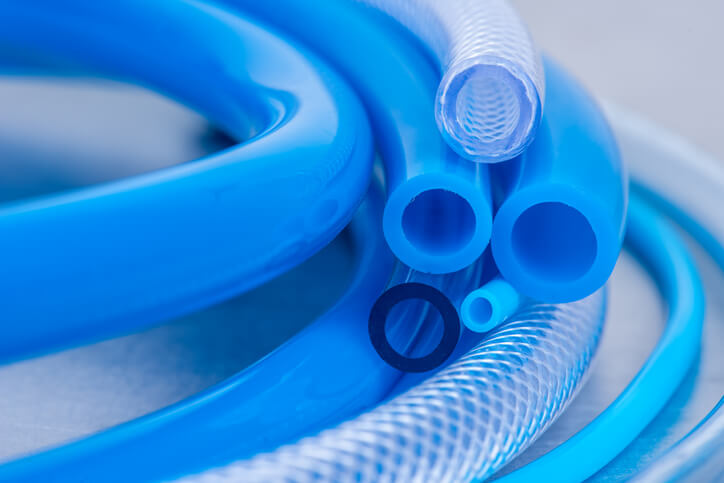
Apr 22, 2025 Blog
Solution for Nylon Tube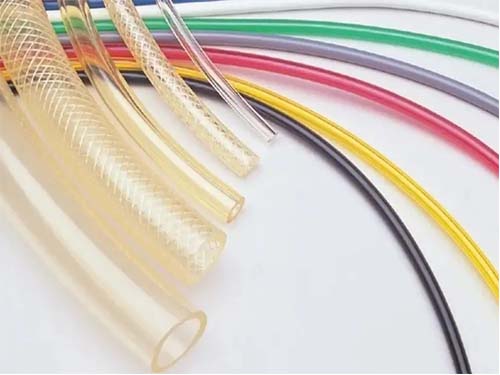
Apr 16, 2025 Blog
PVC Tubing vs. Polyurethane Tubing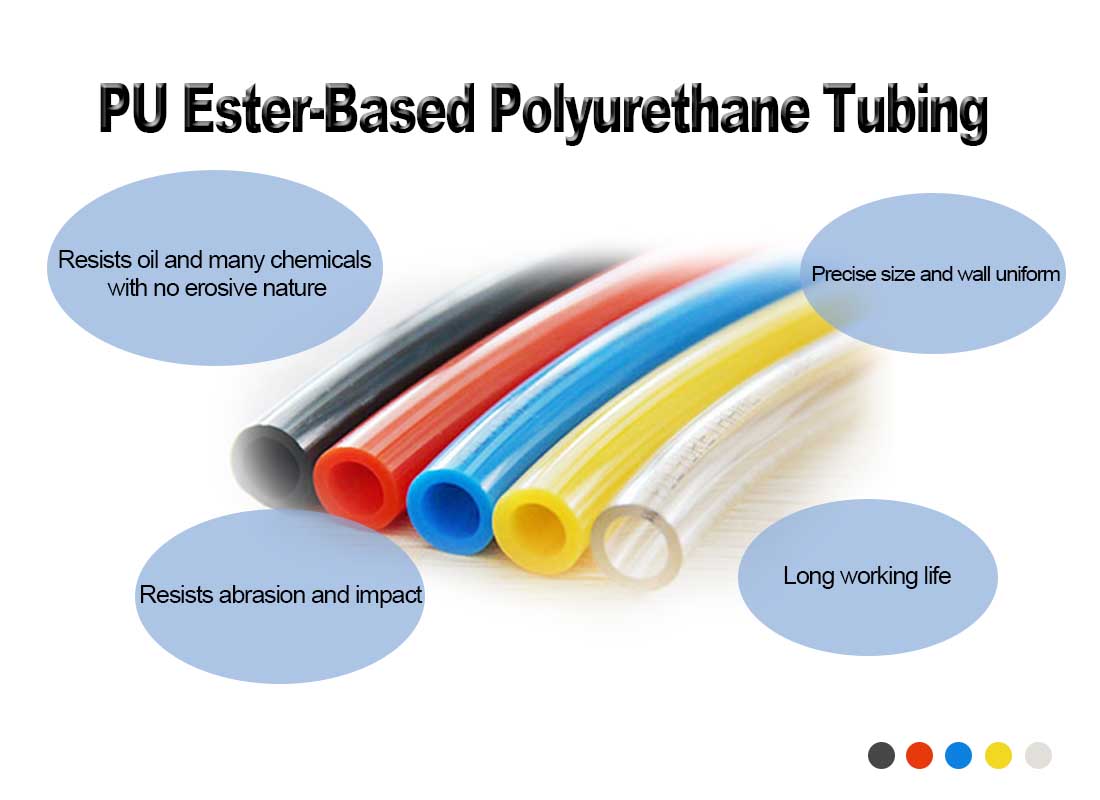
Apr 10, 2025 Blog
What is the difference between pu and pvc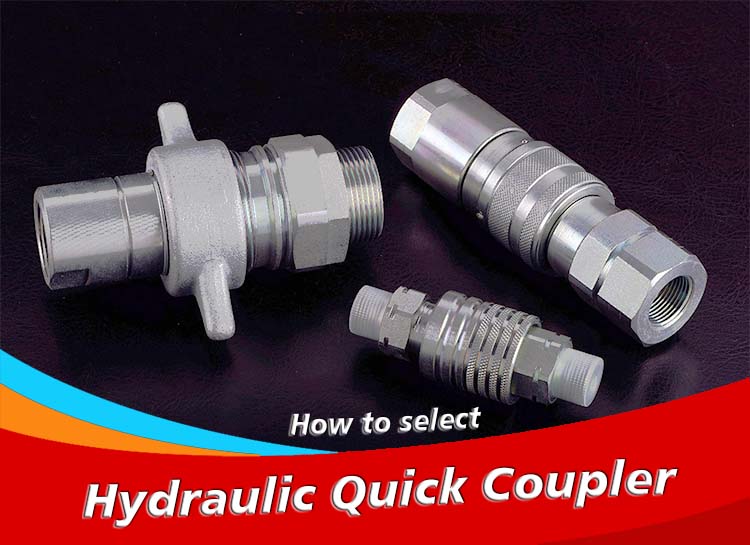
Feb 24, 2025 Blog
How to Identify Hydraulic Quick Couplers?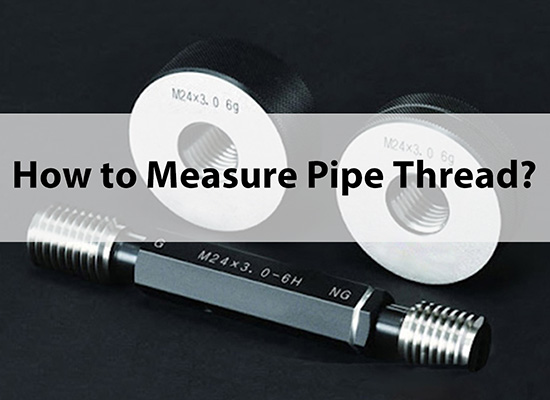
Jan 21, 2025 Blog
How to Measure Pipe Thread?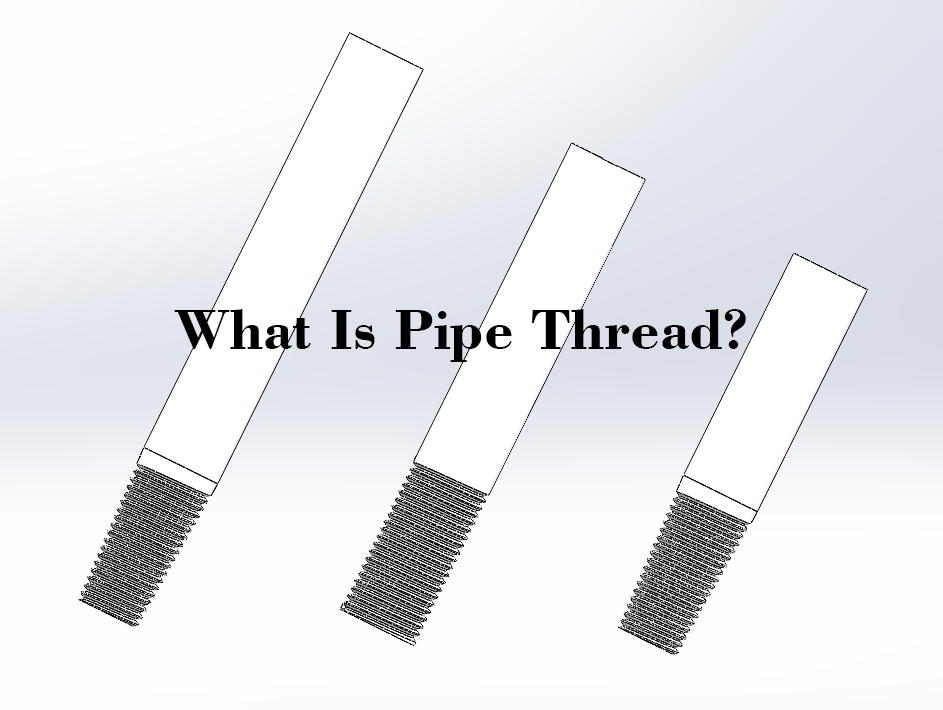
Jan 16, 2025 Blog
What Is Pipe thread?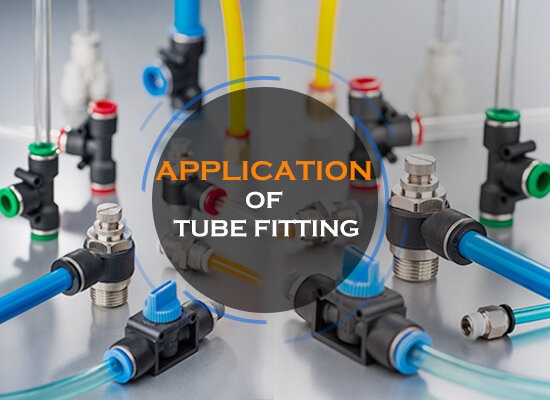
Dec 04, 2024 Blog
Application Of Tube Fitting
Jun 26, 2023 Blog
What Is The Difference Between LLDPE And LDPE?
Jan 17, 2023 Blog
What Are The Classification Of Plastics?
Get a free sample

Links: www.fescolo.com(Pneumatic)
FOKCA ©1998-2025 All Rights Reserved Sitemap