Jan 30, 2026
Brass compression pipe fittings are widely used in piping, heating, and pneumatic systems because they balance strength, pressure resistance, and ease of installation. In real-world industrial environments, installers value components that can be assembled quickly without compromising safety. Brass compression fittings meet this expectation by forming a tight mechanical seal without welding or soldering, making them a practical choice for both new installations and maintenance work across multiple industries.
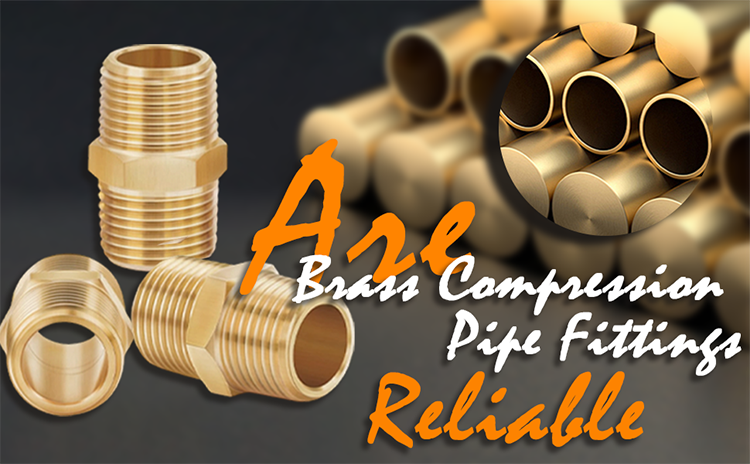
The reliability of a fitting begins with its material. Brass combines copper and zinc, creating a metal that offers high mechanical strength and stable performance under pressure. Brass pipe fitting components can withstand vibration, moderate temperature changes, and long-term mechanical stress better than many plastic alternatives. This is one reason why threaded brass pipe fittings and compression designs remain common in industrial fluid and air systems where downtime is costly.
Another advantage lies in corrosion resistance. Brass performs well in both indoor and outdoor environments, especially in applications involving air, water, and inert gases. While not immune to all chemical exposure, it resists rust far better than carbon steel, helping systems maintain consistent performance over time.
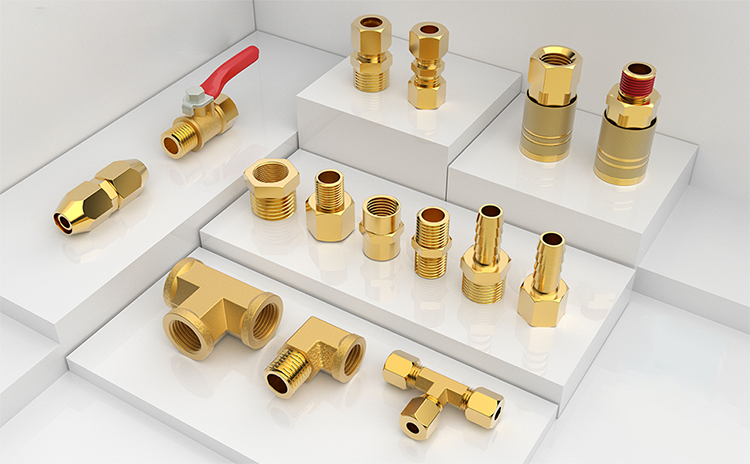
Unlike welded joints, compression fittings rely on controlled deformation. When tightened, the compression ring grips the pipe and seals against the fitting body. This design allows Brass Compression Tube Fittings to maintain sealing integrity even when systems experience pressure fluctuations.
For maintenance teams, this also means fittings can often be disassembled and reinstalled without replacing the entire connection.
In pneumatic systems, where air leaks reduce efficiency, brass connector fittings are frequently chosen to ensure stable airflow and minimize pressure loss. Their predictable sealing behavior makes them suitable for automation equipment and air distribution lines.
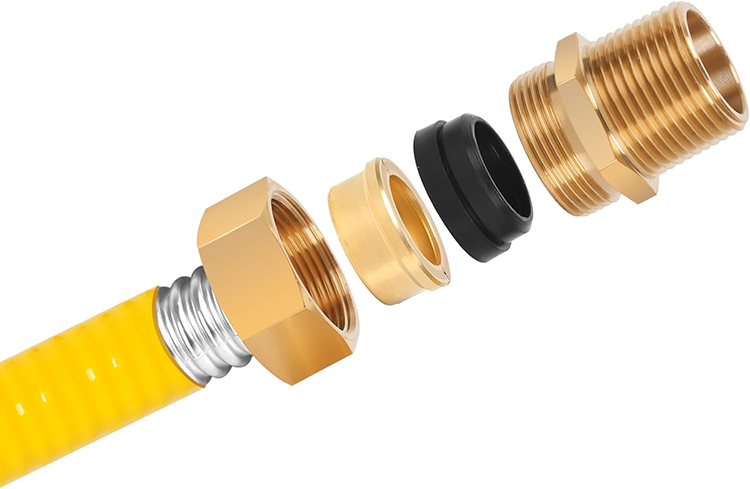
Compatibility is a key question when evaluating reliability. Many engineers successfully use brass compression fittings on copper pipe, as the similar hardness levels allow the ferrule to seal without damaging the tube. This combination is common in HVAC and fluid transport systems.
A frequent concern is whether a brass compression fitting on plastic pipe is dependable. It can be, provided the plastic pipe is properly supported and a stiffener insert is used. Without this support, softer plastics may deform over time, leading to leaks. Material pairing, not just fitting quality, plays a critical role in long-term reliability.
Because of their strength and adaptability, brass compression fittings appear in a wide range of industries. Equipment builders often specify Brass Compression Tube Fittings for pneumatic automation lines, while plumbing contractors rely on Brass Pipe Fitting solutions for water and heating systems. Outdoor installations also benefit from brass, as it tolerates temperature variation and moisture better than many alternatives.
For OEM customers, especially those sourcing components for machinery, choosing proven fittings reduces warranty risk and simplifies global compliance.
Even high-quality fittings can fail if misapplied. Over-tightening may damage the ferrule or pipe, while under-tightening compromises the seal. Clean pipe ends and correct sizing are essential. Selecting the right threaded brass pipe fittings standard also ensures compatibility with existing systems.
The table below highlights typical performance characteristics based on industry data:
| Feature | Brass Compression Fittings | Plastic Fittings |
|---|---|---|
| Pressure Resistance | High | Medium |
| Temperature Tolerance | Stable | Limited |
| Reusability | Good | Limited |
| Corrosion Resistance | Good | Excellent |
Source: Industry material performance comparisons from plumbing and pneumatic system reports.
In practice, brass compression fittings have earned their reputation through decades of use in demanding environments. When correctly selected and installed, brass compression pipe fittings provide a dependable, serviceable connection for air and fluid systems. For distributors, engineers, and procurement teams, they represent a proven balance between reliability, flexibility, and cost efficiency—especially when system uptime truly matters.
(FK9026)
 PVC Tubing vs Polyurethane Tubing: Choosing the Better Air Hose for Modern Pneumatic Systems
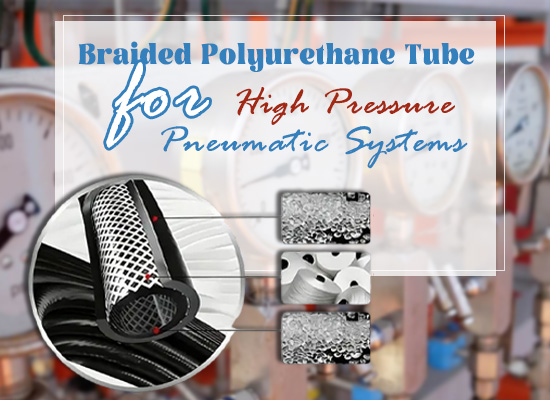 Braided Polyurethane Tube for High Pressure Pneumatic Systems
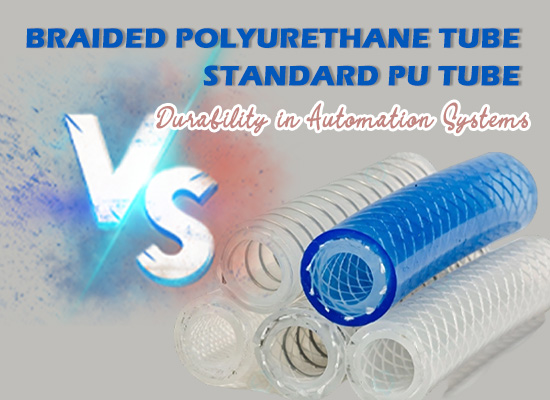 PUB Braided Polyurethane Tube vs Standard PU Tube: Durability in Automation Systems
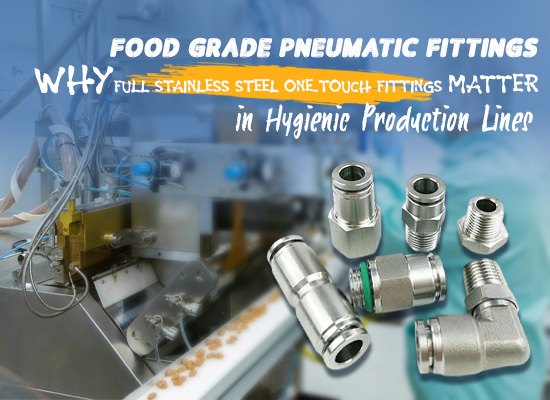 Food Grade Pneumatic Fittings: Why Full Stainless Steel One-Touch Fittings Matter in Hygienic Production Lines
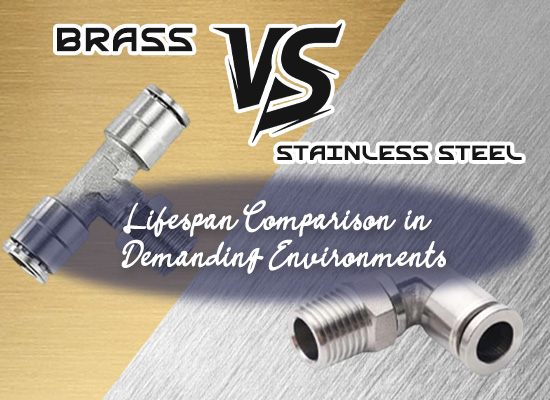 Brass vs Stainless Steel Fittings: Lifespan Comparison in Demanding Environments
You May Interest In
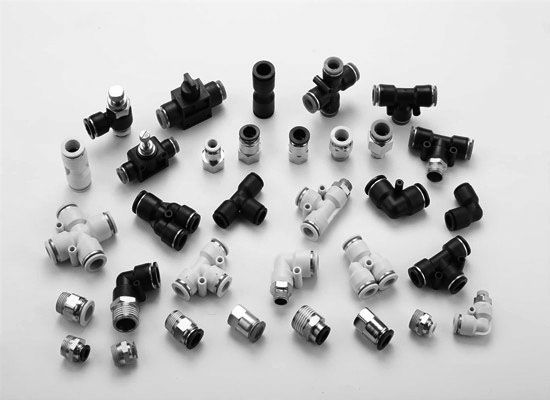
May 07, 2025 Blog
Comprehensive Analysis of Pneumatic Push in Fittings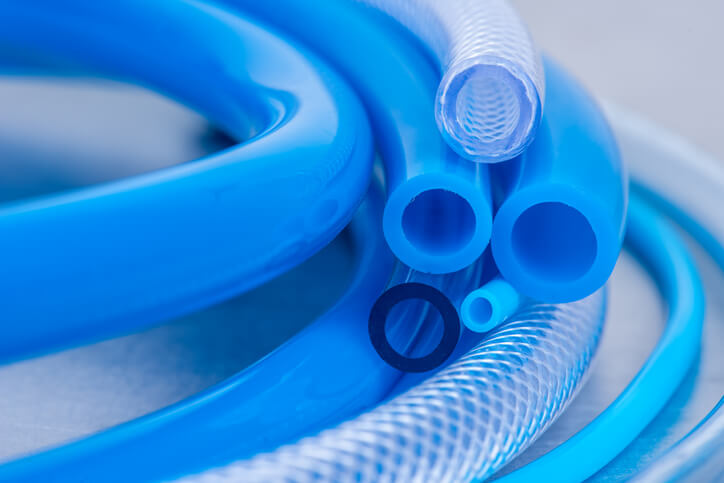
Apr 22, 2025 Blog
Solution for Nylon Tube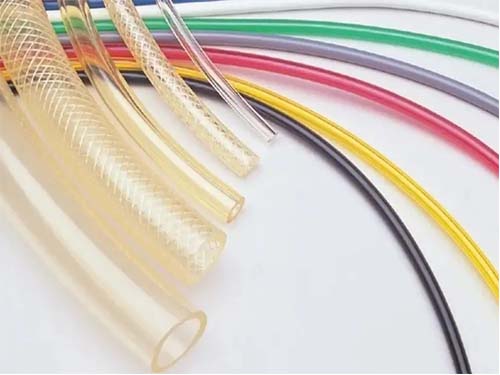
Apr 16, 2025 Blog
PVC Tubing vs. Polyurethane Tubing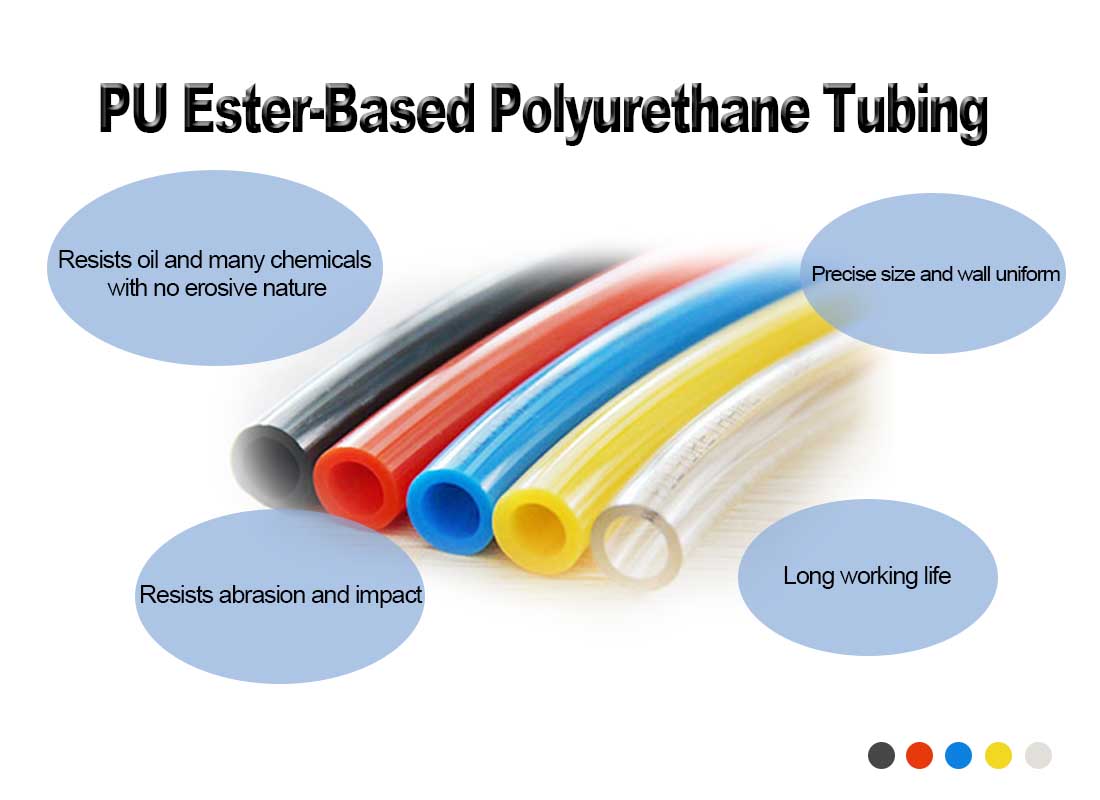
Apr 10, 2025 Blog
What is the difference between pu and pvc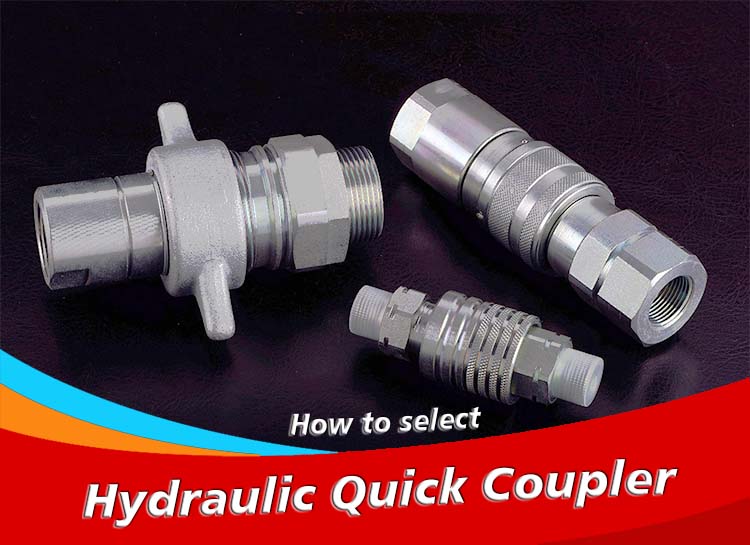
Feb 24, 2025 Blog
How to Identify Hydraulic Quick Couplers?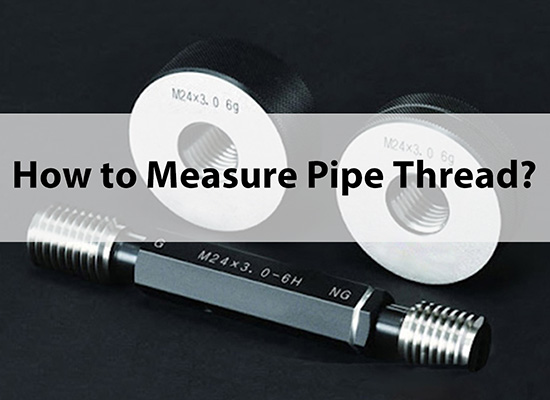
Jan 21, 2025 Blog
How to Measure Pipe Thread?
Jan 16, 2025 Blog
What Is Pipe thread?
Dec 04, 2024 Blog
Application Of Tube Fitting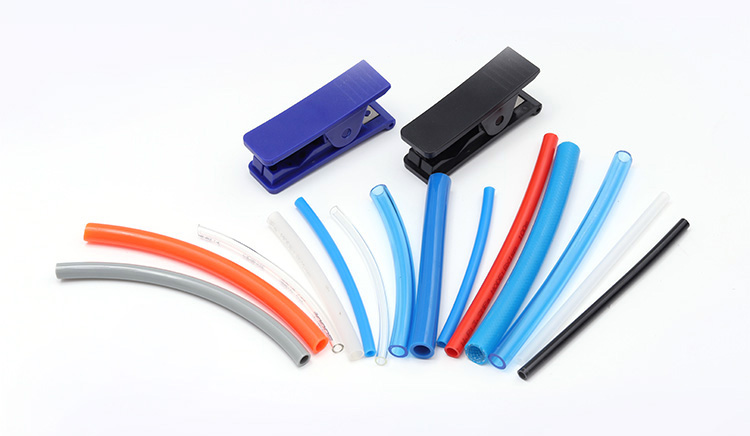
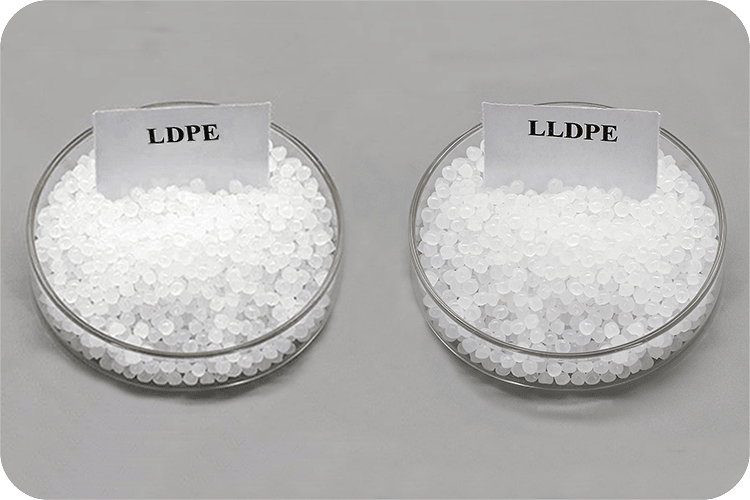
Jun 26, 2023 Blog
What Is The Difference Between LLDPE And LDPE?
Jan 17, 2023 Blog
What Are The Classification Of Plastics?
Get a free sample

Links: www.fescolo.com(Pneumatic)
FOKCA ©1998-2025 All Rights Reserved Sitemap