Mar 02, 2026
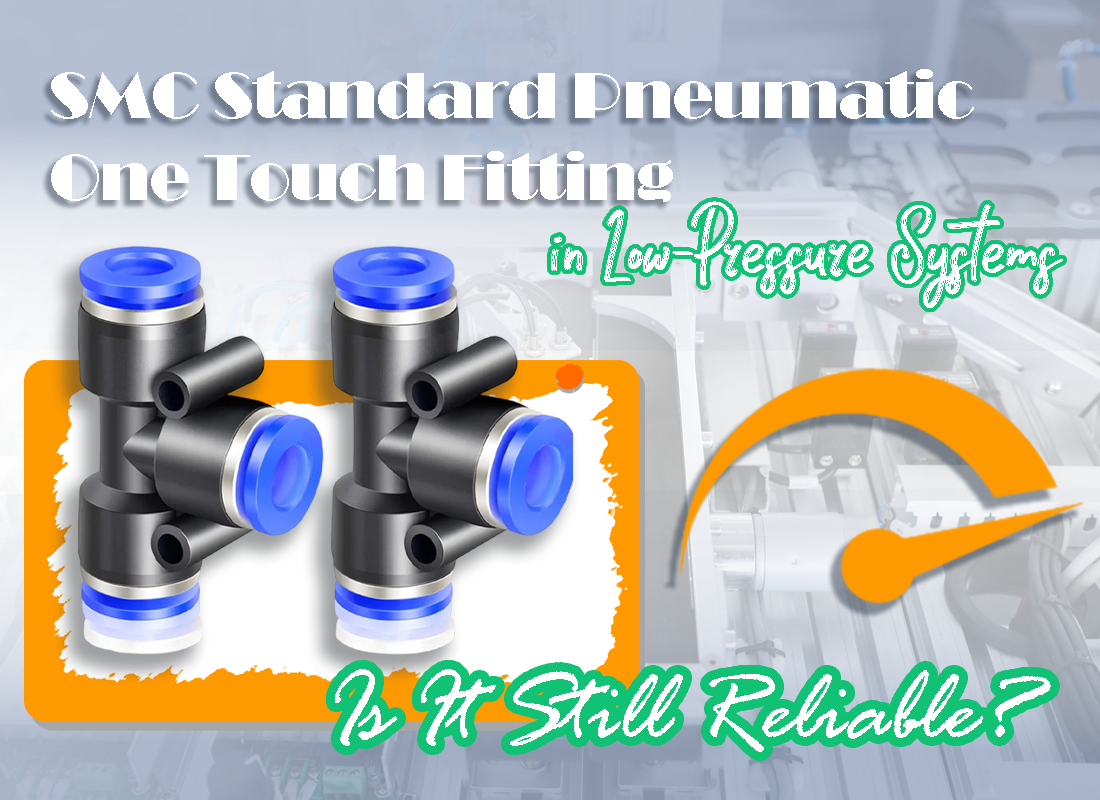
In global automation projects, many engineers notice that the same SMC Standard Pneumatic One Touch Fitting performs differently in equipment built for Asia, Europe, or North America. Leakage, tube pull-out, or premature wear may appear in one market but not another.
The key point is simple: it is often not the fitting itself, but the system environment that changes performance. Understanding these system-level differences helps distributors, equipment engineers, and purchasing managers choose more adaptable solutions such as optimized SMC Pneumatic Fittings alternatives.
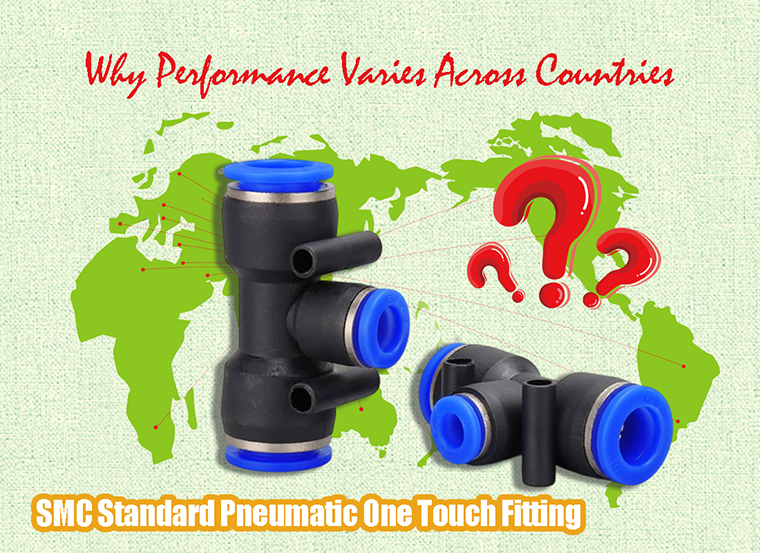
Compressed air quality varies significantly by region and factory standard. Oil content, moisture level, and particle contamination directly affect sealing behavior inside a Pneumatic Push-in Fitting.
In some countries, centralized air systems include multi-stage filtration and dryers. In others, basic filtration may allow micro water droplets or oil mist to enter the connector.
Common air quality variables:
| Factor | High-Control System | Basic System | Impact on Fitting |
|---|---|---|---|
| Moisture | ≤ -20°C dew point | Unstable dew point | Seal swelling or corrosion |
| Oil content | Minimal | Noticeable mist | O-ring degradation |
| Particle size | < 5 μm | > 20 μm possible | Internal scratching |
Even a high-quality quick connector can fail early under poor air conditions.
Another overlooked factor is installation method. In some regions, technicians strictly follow torque specifications. In others, fittings may be over-tightened using pneumatic tools.
Over-tightening can deform threads and damage internal locking claws inside a quick connector, especially when mounted on aluminum manifolds.
Typical installation variations:
◆Use of PTFE tape vs. liquid sealant
◆Manual tightening vs. impact tools
◆Tube cutting precision
Installation inconsistency often explains performance gaps between countries.
For OEM exporters, selecting a more installation-tolerant SMC Standard Pneumatic One Touch Fitting alternative can reduce after-sales complaints.
Tube quality differs significantly depending on supplier and regional manufacturing standards. Slight deviations in outer diameter (OD) or hardness can affect gripping strength in a Pneumatic Push-in Fitting.
For example:
| Tube Source | OD Tolerance | Surface Finish | Result |
|---|---|---|---|
| ISO-certified supplier | ±0.05 mm | Smooth | Stable locking |
| Low-cost local tube | ±0.15 mm | Slightly rough | Possible leakage |
Push-in fittings rely heavily on precise tube compatibility.
When exporting equipment globally, engineers often choose fittings designed with wider tolerance acceptance.
Climate also plays a major role. High humidity, extreme cold, or high UV exposure can influence plastic body materials and sealing elasticity in SMC Pneumatic Fittings.
Examples:
◆Tropical regions: Higher risk of internal condensation
◆Cold climates: Seal hardening
◆Coastal factories: Salt-induced corrosion
Environmental adaptation is critical for long-term reliability.
Selecting materials such as reinforced PBT bodies or corrosion-resistant threads can improve cross-region consistency.
Even when model numbers match, operating pressure and cycling frequency may differ.
Some factories operate at 0.5 MPa stable pressure. Others frequently spike above rated conditions. High-frequency actuation also stresses internal gripping mechanisms of a quick connector.
Key differences include:
◆Static vs. dynamic pneumatic circuits
◆High-speed automation lines
◆ntermittent vs. continuous duty cycles
Application mismatch can create the illusion of product inconsistency.
For export-ready machinery, distributors often recommend globally adaptable versions of SMC Standard Pneumatic One Touch Fitting designed for wider pressure and cycle ranges.
When evaluating performance variation across countries, decision-makers should consider:
1.Air source quality
2.Installation standards
3.Tube compatibility
4.Environmental conditions
5.System pressure range
Instead of assuming product defects, a system-level review often reveals the real cause.
For distributors, equipment engineers, and purchasing managers, selecting a more globally compatible SMC Pneumatic Fittings alternative helps reduce warranty risk and improve customer satisfaction.
Explore our full [SMC Standard Pneumatic One Touch Fitting replacement solutions] to ensure stable performance across diverse international markets.
(FK9026)
 PVC Tubing vs Polyurethane Tubing: Choosing the Better Air Hose for Modern Pneumatic Systems
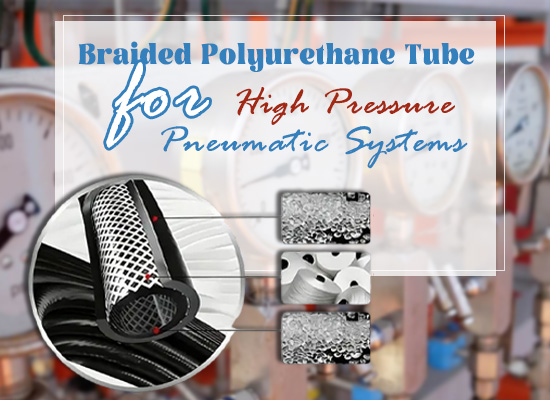 Braided Polyurethane Tube for High Pressure Pneumatic Systems
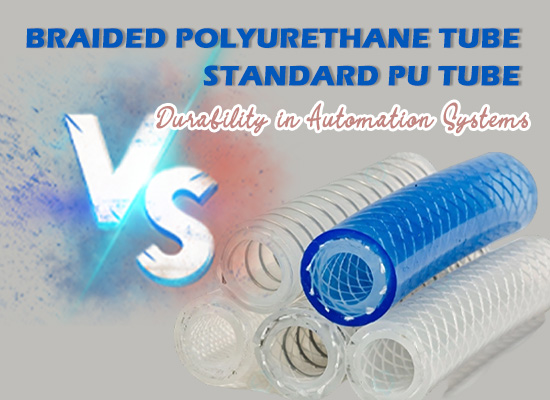 PUB Braided Polyurethane Tube vs Standard PU Tube: Durability in Automation Systems
 Food Grade Pneumatic Fittings: Why Full Stainless Steel One-Touch Fittings Matter in Hygienic Production Lines
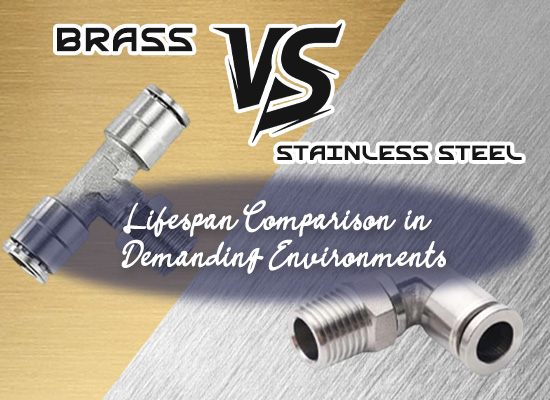 Brass vs Stainless Steel Fittings: Lifespan Comparison in Demanding Environments
You May Interest In


Get a free sample

Links: www.fescolo.com(Pneumatic)
FOKCA ©1998-2025 All Rights Reserved Sitemap