Jul 07, 2026
For many years, PVC tubing vs polyurethane tubing has been a common comparison in industrial automation. PVC remains popular because of its low cost and wide availability, but as production lines become faster and more compact, engineers are increasingly looking for tubing with better flexibility, longer service life, and improved pressure performance. As a result, PU air hose vs PVC hose has become an important consideration for equipment designers, distributors, and purchasing managers who want to reduce maintenance while improving machine reliability.
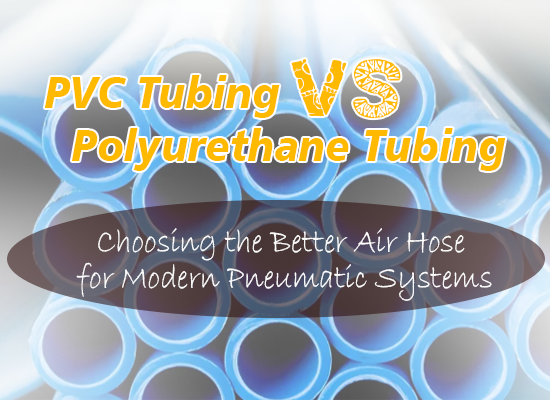
PVC flexible tubing is widely used in compressed air systems because it is economical and easy to source. It performs well in simple pneumatic applications where tubing remains stationary and operating pressure is moderate.
However, frequent bending, vibration, and repeated machine movements expose several limitations. PVC gradually hardens over time, especially in low-temperature environments, making it more susceptible to cracking and permanent deformation. Once the tubing loses flexibility, leaks become more likely, increasing maintenance costs and production downtime.
For distributors serving automation equipment manufacturers, these issues often lead customers to search for a flexible PVC tubing alternative that offers better long-term performance.
The biggest difference between PVC tubing vs polyurethane tubing lies in their mechanical properties rather than appearance. Polyurethane was developed specifically for applications requiring continuous motion, making it well suited for pneumatic automation.
| Performance Factor | PVC Tubing | Polyurethane Tubing (PU) |
|---|---|---|
| Flexibility | Moderate | Excellent |
| Bend Recovery | Limited | Outstanding |
| Fatigue Resistance | Average | High |
| Abrasion Resistance | Moderate | Excellent |
| Pressure Stability | Good | Better under dynamic loads |
| Weight | Standard | Lightweight |
| Typical Service Life | Shorter in moving systems | Longer in continuous operation |
Industry material comparison data from polymer manufacturers and industrial pneumatic application studies consistently show polyurethane performs better in dynamic environments.
As automation equipment becomes more compact, tubing must tolerate tighter routing without restricting airflow. This is where polyurethane pneumatic tubing advantages become especially valuable.
Unlike PVC, PU pneumatic tubing maintains its flexibility after thousands of bending cycles. When robotic arms, pick-and-place systems, or pneumatic cylinders repeatedly move, polyurethane quickly returns to its original shape instead of developing permanent kinks.
Another important advantage is its excellent abrasion resistance. Tubing installed inside cable carriers or drag chains constantly rubs against surrounding components. Polyurethane resists wear far better than conventional PVC, helping reduce unexpected replacement intervals.
For OEM machine builders, this translates into higher equipment reliability and lower lifetime operating costs, even if the initial tubing price is slightly higher.
Selecting the right tubing depends on actual operating conditions rather than price alone. An industrial air tubing comparison typically considers machine movement, pressure, environmental exposure, and maintenance frequency.
| Application | Recommended Material |
|---|---|
| Stationary air supply lines | PVC Tubing |
| Robotic automation | PU Pneumatic Tubing |
| Packaging machinery | Polyurethane Tubing |
| CNC equipment | PU Air Hose |
| Textile machinery | Polyurethane Tubing |
| Compact automation systems | PU Tubing |
In many factories, engineers no longer replace every PVC line immediately. Instead, they upgrade only high-motion sections to polyurethane while keeping PVC in fixed installations. This hybrid approach balances investment and performance, making it a practical transition strategy.
For customized tubing specifications, see our PU Pneumatic Tubing solutions. If your project includes complete pneumatic assemblies, our Push-in Pneumatic Fittings and Pneumatic Air Hose product ranges can simplify system integration.
Although PVC continues to serve many standard applications, several conditions clearly indicate that polyurethane is the better option.
Choose PU air hose vs PVC hose when your equipment experiences:
1.Continuous bending or repeated movement
2.Frequent vibration
3.Tight installation spaces
4.Higher operating pressure fluctuations
5.Long maintenance intervals
6.Demand for lightweight pneumatic systems
Equipment manufacturers upgrading existing machines often discover that replacing only the moving sections with polyurethane significantly reduces tubing failures without redesigning the entire pneumatic circuit.
This is one reason why many automation OEMs now specify polyurethane as the standard tubing material for new equipment.
Material selection is only one part of a reliable pneumatic system. Consistent dimensions, stable extrusion quality, and compatibility with pneumatic fittings are equally important. Tubing with poor tolerance control can lead to air leakage even when the material itself is suitable.
FOKCA supplies OEM and ODM pneumatic tubing compatible with many international pneumatic standards. Alongside standard PU pneumatic tubing, we also provide customized sizes, colors, hardness options, and complete pneumatic connection solutions to help distributors and equipment manufacturers simplify sourcing while maintaining consistent product quality.
To complete your pneumatic system, you may also explore our Pneumatic Cylinders, Solenoid Valves, and Push-in Fittings, which are designed for reliable performance across a wide range of industrial automation applications.
(FK9026)
 PVC Tubing vs Polyurethane Tubing: Choosing the Better Air Hose for Modern Pneumatic Systems
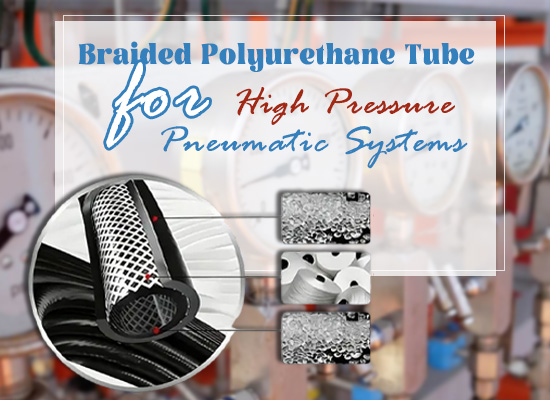 Braided Polyurethane Tube for High Pressure Pneumatic Systems
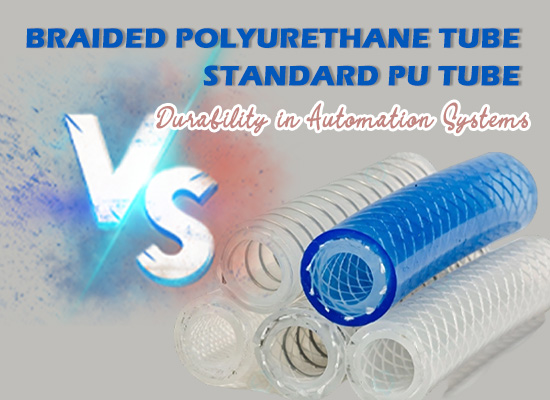 PUB Braided Polyurethane Tube vs Standard PU Tube: Durability in Automation Systems
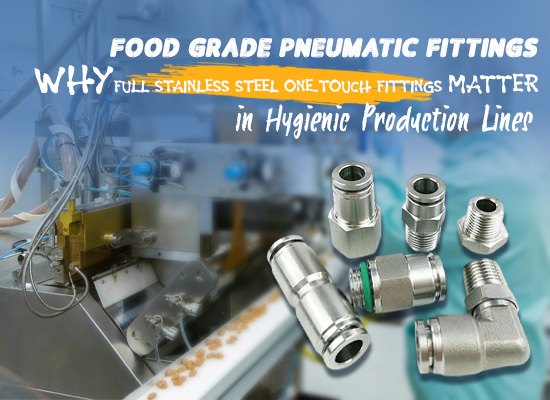 Food Grade Pneumatic Fittings: Why Full Stainless Steel One-Touch Fittings Matter in Hygienic Production Lines
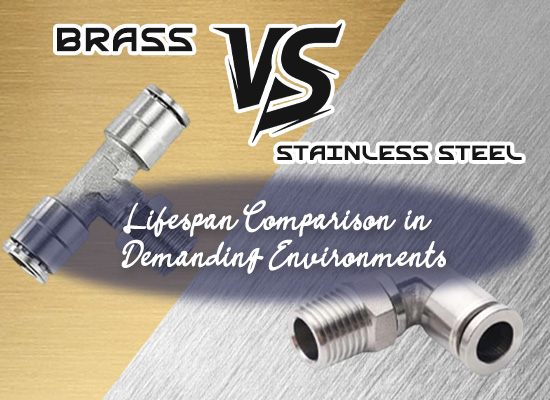 Brass vs Stainless Steel Fittings: Lifespan Comparison in Demanding Environments
You May Interest In
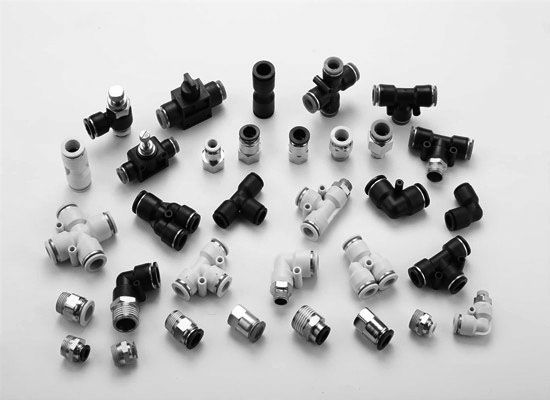
May 07, 2025 Blog
Comprehensive Analysis of Pneumatic Push in Fittings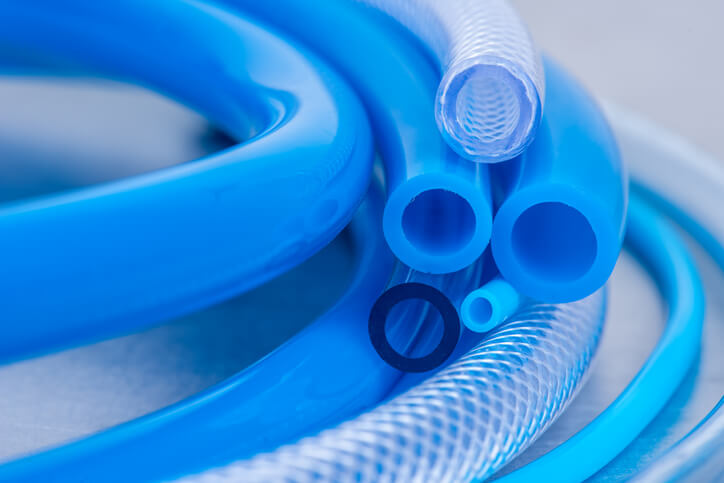
Apr 22, 2025 Blog
Solution for Nylon Tube
Apr 16, 2025 Blog
PVC Tubing vs. Polyurethane Tubing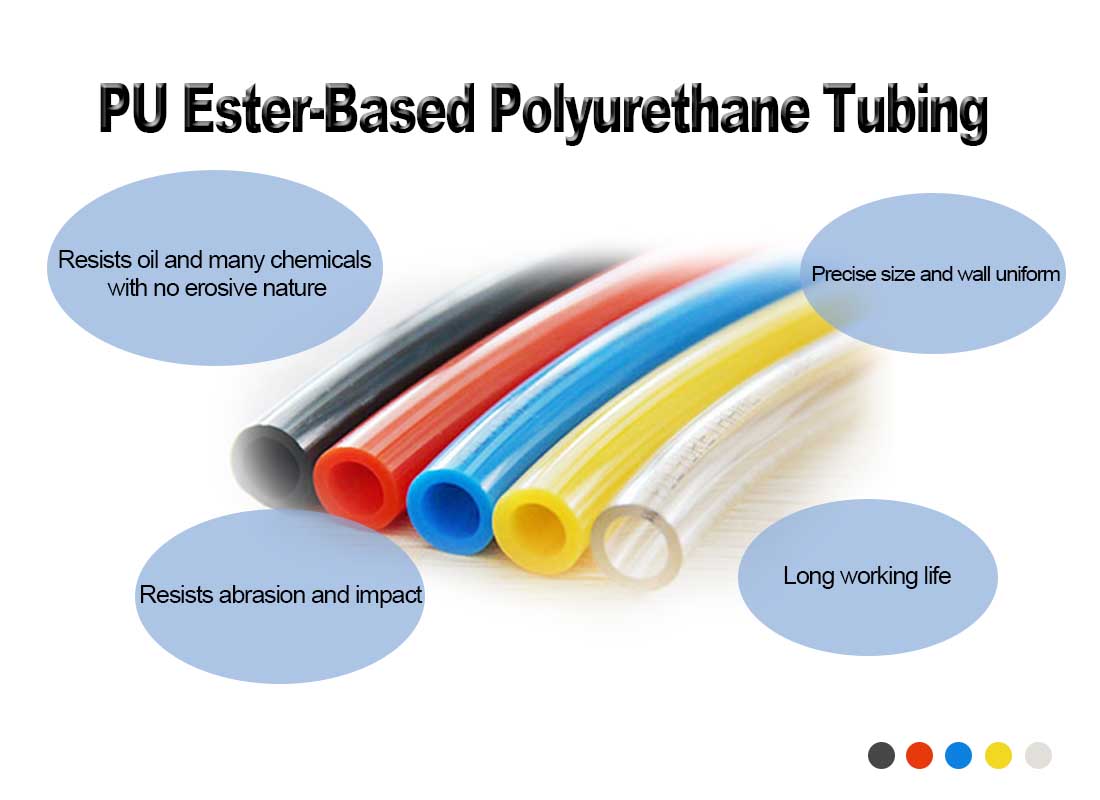
Apr 10, 2025 Blog
What is the difference between pu and pvc
Feb 24, 2025 Blog
How to Identify Hydraulic Quick Couplers?
Jan 21, 2025 Blog
How to Measure Pipe Thread?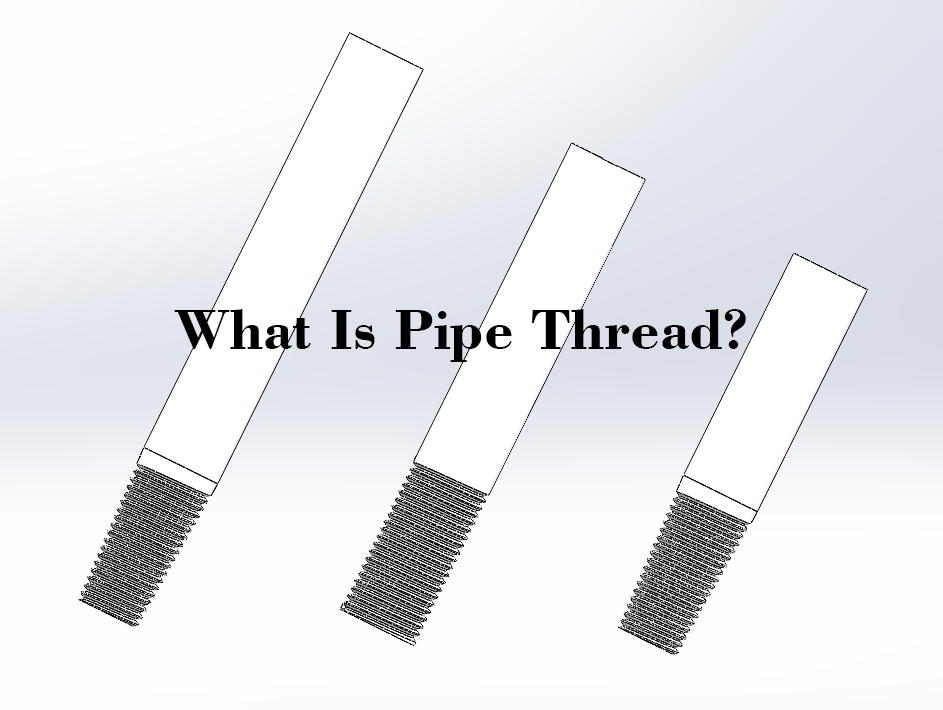
Jan 16, 2025 Blog
What Is Pipe thread?
Dec 04, 2024 Blog
Application Of Tube Fitting
Jun 26, 2023 Blog
What Is The Difference Between LLDPE And LDPE?
Jan 17, 2023 Blog
What Are The Classification Of Plastics?
Get a free sample

Links: www.fescolo.com(Pneumatic)
FOKCA ©1998-2025 All Rights Reserved Sitemap




 None
None