Mar 02, 2026
Energy-saving pneumatic designs are pushing operating pressure down to 0.3–0.4 MPa, raising a practical question for engineers and distributors: can the SMC Standard Pneumatic One Touch Fitting still ensure stable sealing at lower preload force? While these Pneumatic Push-in Fitting solutions are widely used in automation, reduced pressure changes the way O-rings and collet mechanisms behave. Understanding this shift is critical for equipment engineers, purchasing managers, and distributors supporting energy-efficient systems.
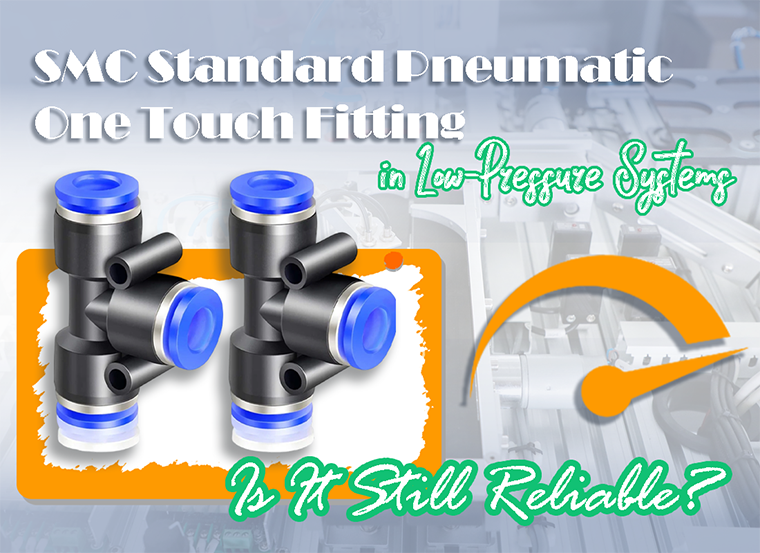
Under typical operating pressure (0.5–0.7 MPa), internal air force helps press the sealing ring against the tubing surface. When pressure drops to 0.3 MPa, that auxiliary sealing force weakens. The result is subtle but measurable: reduced radial sealing preload and increased sensitivity to tubing tolerance.
A standard quick connector relies on two mechanisms:
◆Mechanical grip from the stainless-steel collet
◆Elastic compression from the NBR or FKM O-ring
At lower pressure, sealing depends more heavily on material elasticity and dimensional accuracy rather than air-assisted compression. For systems optimized for energy savings, this difference matters.
Most SMC Pneumatic Fittings are rated for 0–1.0 MPa, meaning they technically operate within safe limits at 0.3 MPa. However, reliability is not only about pressure rating; it is about long-term micro-leakage control.
According to industrial compressed air loss studies (industry energy audit report type), leakage in low-pressure systems can account for 15–25% of total energy waste. In low-pressure applications, even minor sealing gaps become proportionally more significant.
For example, when paired with a properly regulated air supply using an air filter regulator unit, system stability improves. Without consistent pressure regulation, sealing performance fluctuates.
| Factor | Impact at 0.3–0.4 MPa | Recommendation |
|---|---|---|
| Tubing tolerance | Higher risk of micro-leakage | Use precision PU/PA tubing |
| O-ring material | Reduced compression effect | Consider FKM for stability |
| Surface finish | Leakage risk increases | Ensure smooth tube cutting |
| Flow demand | Back pressure sensitivity | Avoid undersized fittings |
Even a well-designed Pneumatic Push-in Fitting can underperform if tubing quality is inconsistent.
Rather than abandoning standard fittings, the better approach is refined selection. For low-pressure applications:
◆Choose fittings with enhanced O-ring elasticity
◆Ensure tubing hardness matches collet grip design
◆Maintain consistent cut surface quality
◆Avoid excessive bending near connection points
When integrated with high-quality pneumatic tubing and fittings leakage rates decrease significantly.
Equipment engineers often overlook the relationship between actuator speed and exhaust restriction. If your system includes compact cylinders such as standard air cylinders, matching internal flow diameter becomes equally important.
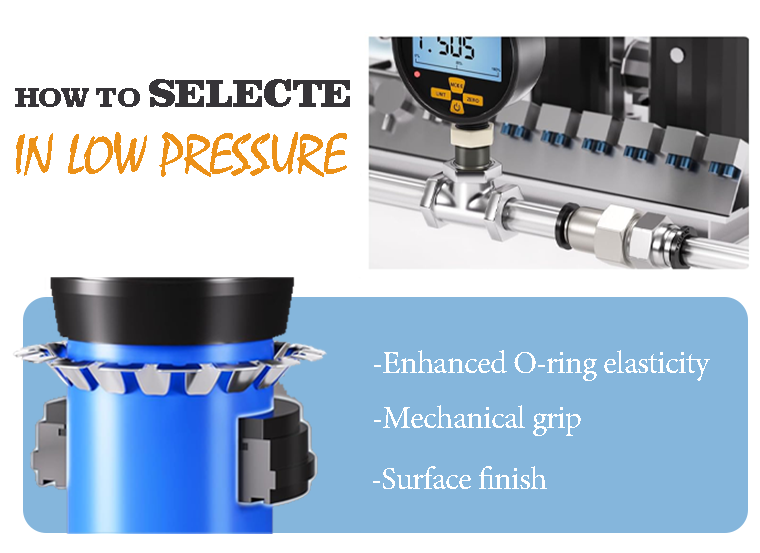
There are situations where a reinforced solution is advisable. For example:
◆Extremely low pressure below 0.25 MPa
◆High vibration environments
◆Repeated tubing disassembly
In such cases, metal-body reinforced fittings or dual-seal designs may provide added security. The key message for distributors and purchasing managers is clear: pressure rating alone does not guarantee sealing stability.
According to guidelines published by the International Organization for Standardization regarding pneumatic system performance consistency, leakage management directly affects energy efficiency and operational safety. This becomes even more relevant in reduced-pressure automation lines.
So, is the SMC Standard Pneumatic One Touch Fitting still reliable at 0.3–0.4 MPa? Yes — provided system tolerances, tubing quality, and airflow requirements are properly managed. The design remains structurally sound, but low-pressure optimization demands more careful matching.
For distributors and factory managers supporting energy-efficient upgrades, the focus should shift from “maximum pressure rating” to real operating condition compatibility. Selecting the right quick connector within a complete pneumatic system is not only a technical decision — it directly impacts energy cost, maintenance frequency, and long-term system credibility.
(FK9026)
 PVC Tubing vs Polyurethane Tubing: Choosing the Better Air Hose for Modern Pneumatic Systems
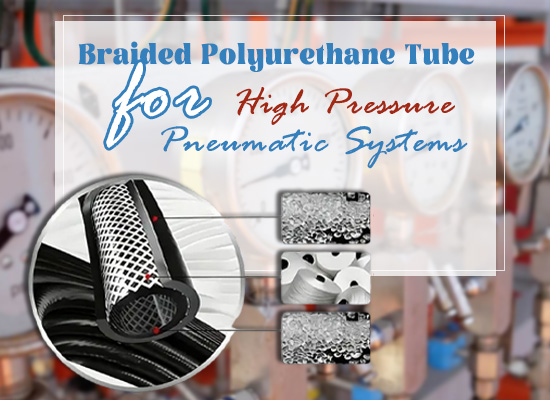 Braided Polyurethane Tube for High Pressure Pneumatic Systems
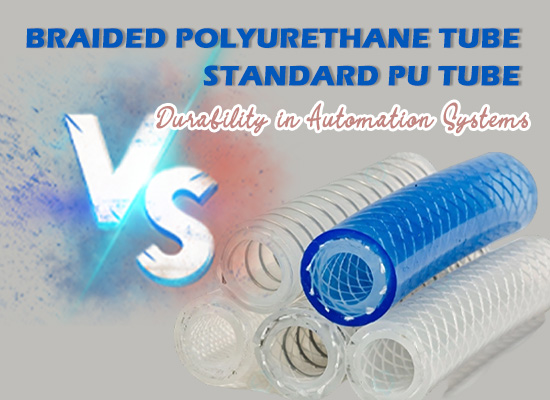 PUB Braided Polyurethane Tube vs Standard PU Tube: Durability in Automation Systems
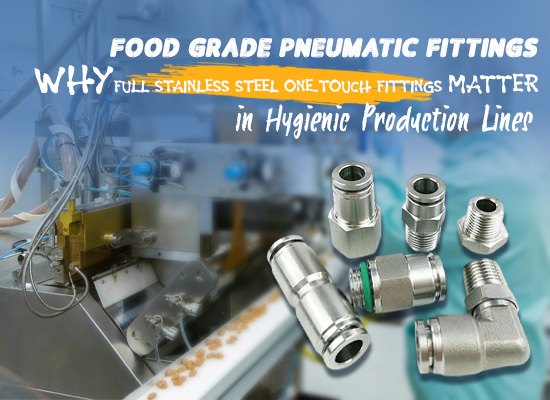 Food Grade Pneumatic Fittings: Why Full Stainless Steel One-Touch Fittings Matter in Hygienic Production Lines
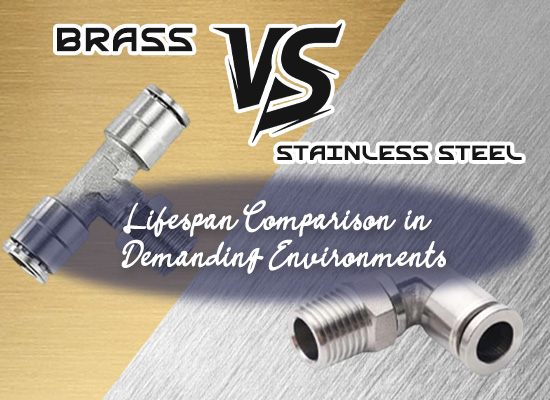 Brass vs Stainless Steel Fittings: Lifespan Comparison in Demanding Environments
You May Interest In
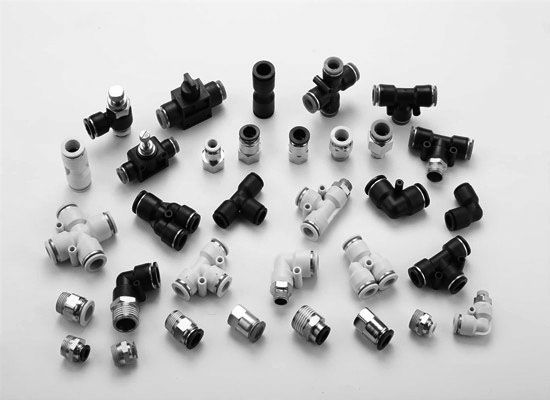
May 07, 2025 Blog
Comprehensive Analysis of Pneumatic Push in Fittings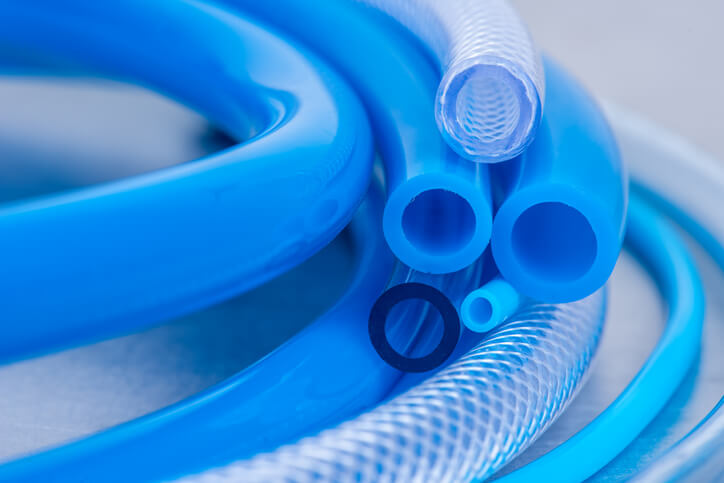
Apr 22, 2025 Blog
Solution for Nylon Tube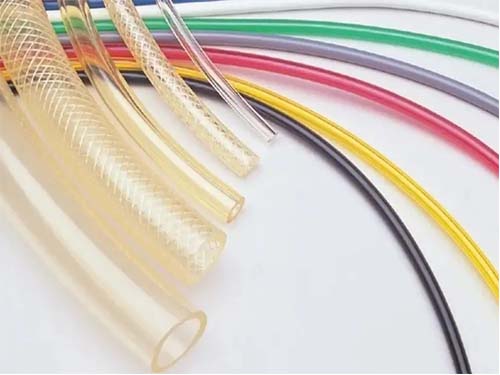
Apr 16, 2025 Blog
PVC Tubing vs. Polyurethane Tubing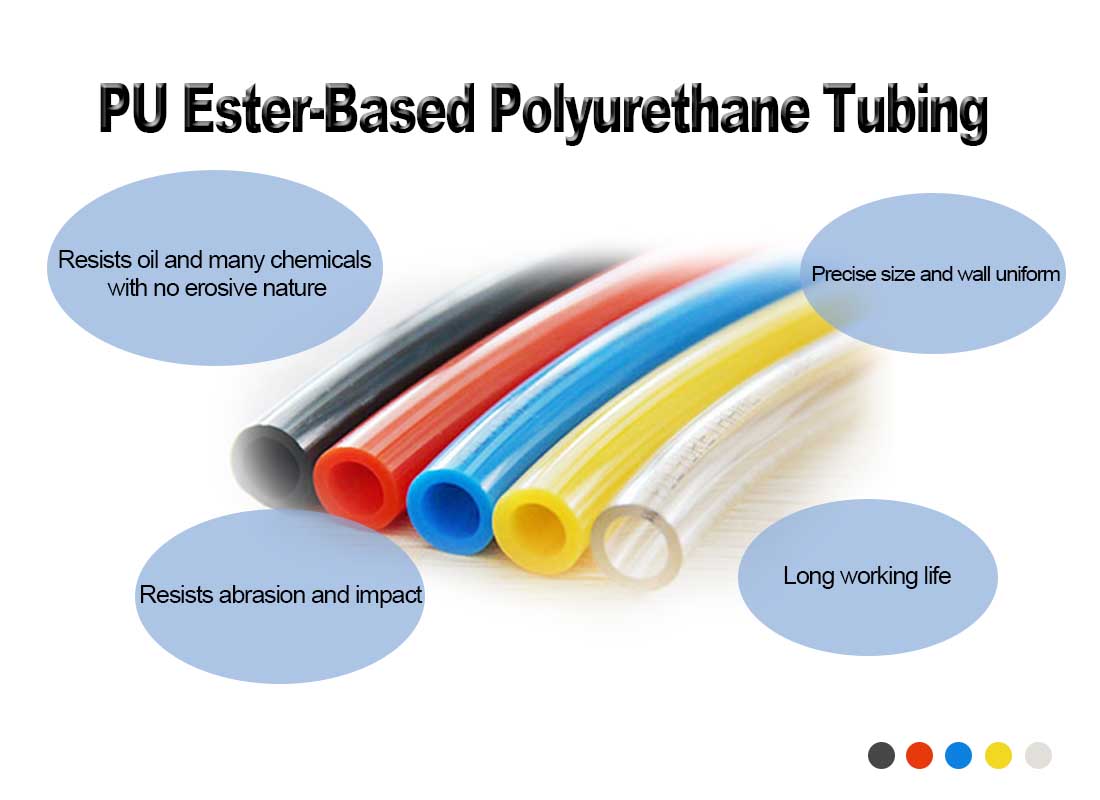
Apr 10, 2025 Blog
What is the difference between pu and pvc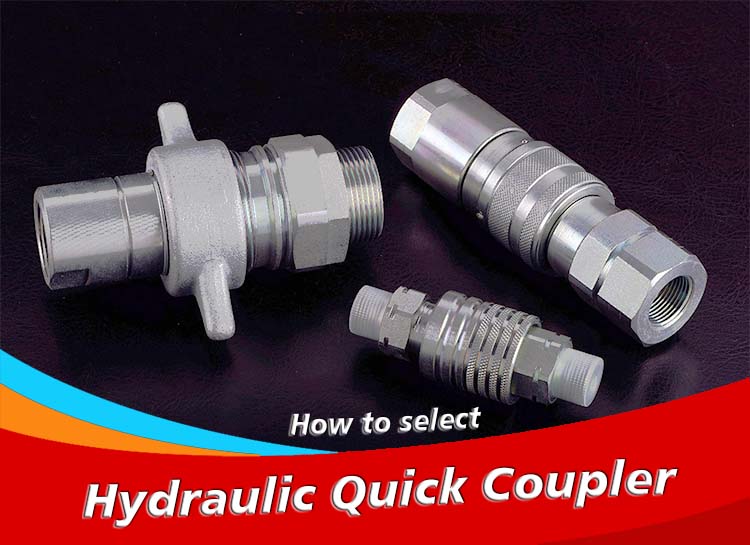
Feb 24, 2025 Blog
How to Identify Hydraulic Quick Couplers?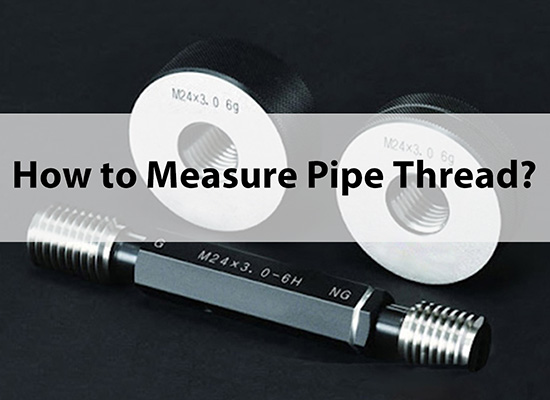
Jan 21, 2025 Blog
How to Measure Pipe Thread?
Jan 16, 2025 Blog
What Is Pipe thread?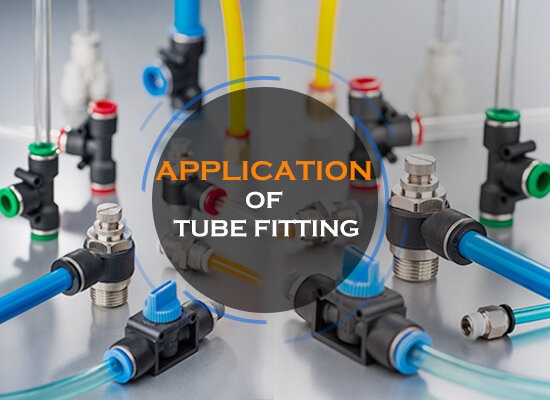
Dec 04, 2024 Blog
Application Of Tube Fitting
Jun 26, 2023 Blog
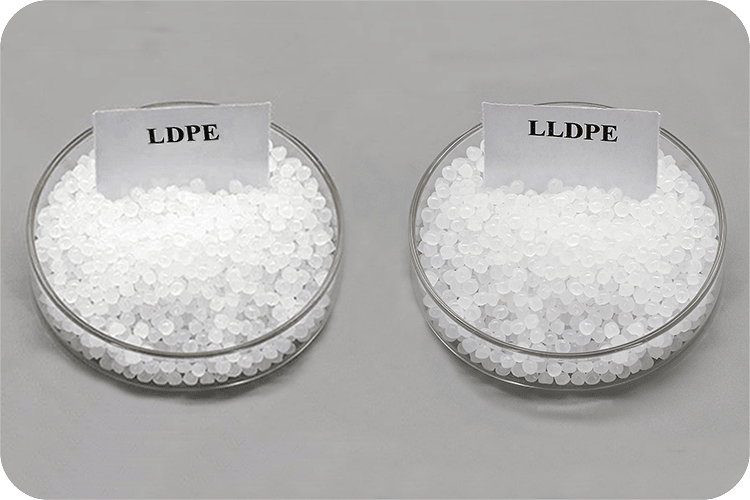
What Is The Difference Between LLDPE And LDPE?
Jan 17, 2023 Blog
What Are The Classification Of Plastics?
Get a free sample

Links: www.fescolo.com(Pneumatic)
FOKCA ©1998-2025 All Rights Reserved Sitemap