Feb 04, 2026
In high-pressure pneumatic systems, connection reliability often determines whether the system runs smoothly or fails unexpectedly. Carbon Steel Connector solutions are widely used in demanding industrial environments because of their ability to withstand high internal pressure, mechanical shock, and repeated load cycles. Compared with brass or stainless steel alternatives, carbon steel fittings offer a different balance of strength, durability, and cost that many engineers actively look for when designing or upgrading pneumatic circuits.
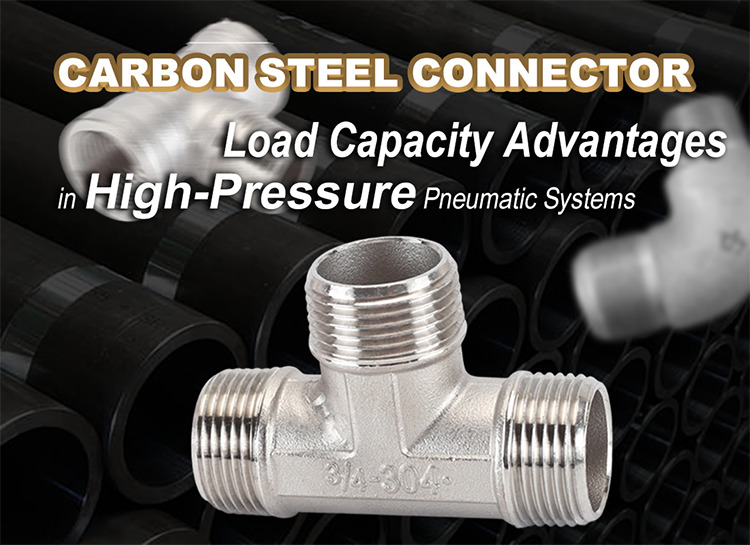
High-pressure pneumatic systems typically operate under rapid pressure fluctuations, frequent start-stop cycles, and external vibration from surrounding equipment. Under these conditions, connectors are exposed to axial tensile forces, radial expansion stress, and impact loads at the same time.
Carbon Steel Pneumatic Fittings benefit from higher tensile strength and yield strength, allowing them to maintain dimensional stability even when pressure approaches the system’s upper limits. This is one of the key reasons carbon steel pipe connector designs are often specified for critical air lines rather than lighter materials.
From a material perspective, carbon steel provides a strong mechanical foundation for high-load pneumatic connections. Compared to brass, carbon steel offers significantly higher resistance to deformation when subjected to internal pressure or sudden load spikes.
Higher yield strength means the connector is less likely to permanently deform under pressure, which helps maintain sealing performance over time. This characteristic is especially important for threaded Carbon Steel Air Fittings, where even slight deformation can result in micro-leakage or thread damage.
In contrast, brass fittings may begin to deform at lower stress levels, while stainless steel—although strong—often comes with higher cost and tighter machining tolerances that are not always necessary for pneumatic systems.
In many industrial applications, pneumatic systems are installed on equipment that generates continuous vibration, such as presses, conveyors, or automated assembly machines. Under these conditions, connectors are repeatedly exposed to dynamic stress.
Carbon Steel Connector designs show excellent fatigue resistance, making them well-suited for systems where shock loads are unavoidable. The material’s toughness helps absorb mechanical energy without cracking or loosening, reducing the risk of unexpected connection failure during long-term operation.
This advantage becomes more evident when comparing carbon steel pipe connector assemblies with brass fittings in vibration-intensive environments.
Different materials behave differently as system pressure increases. The table below illustrates typical performance characteristics engineers consider during material selection.
| Material Type | Relative Strength | Typical Pressure Range | Shock Load Resistance | Cost Level |
|---|---|---|---|---|
| Carbon Steel Connector | High | High-pressure pneumatic systems | Excellent | Medium |
| Brass Fittings | Medium | Low to medium pressure | Moderate | Low |
| Stainless Steel Fittings | High | High pressure | Good | High |
As shown above, Carbon Steel Pneumatic Fittings often offer the best balance between load capacity and cost for high-pressure air systems that do not require extreme corrosion resistance.
Carbon steel air fittings are commonly used in industries where pressure stability and mechanical strength are prioritized over appearance or corrosion resistance. Typical applications include heavy machinery, automated production lines, industrial air distribution systems, and pneumatic tools operating at elevated pressure levels.
In these environments, carbon steel pipe connector solutions help ensure consistent airflow, reduce maintenance frequency, and improve overall system reliability—especially in installations where pressure spikes are common.
When selecting a Carbon Steel Connector for high-pressure pneumatic use, engineers should consider not only pressure ratings but also surface treatment, thread standards, and installation conditions. Proper surface finishing, such as zinc plating, can significantly extend service life in mildly corrosive environments.
For distributors and procurement teams, carbon steel fittings also offer flexibility in OEM and ODM projects, where strength requirements must be met without unnecessary cost increases.
Choosing carbon steel is often a practical engineering decision rather than a material upgrade. When matched correctly to system demands, it delivers reliable performance where it matters most.
(FK9026)
 PVC Tubing vs Polyurethane Tubing: Choosing the Better Air Hose for Modern Pneumatic Systems
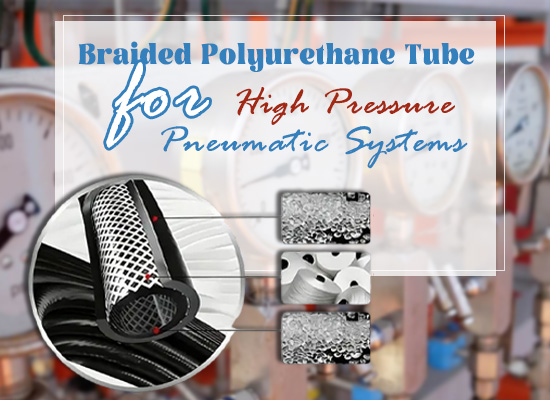 Braided Polyurethane Tube for High Pressure Pneumatic Systems
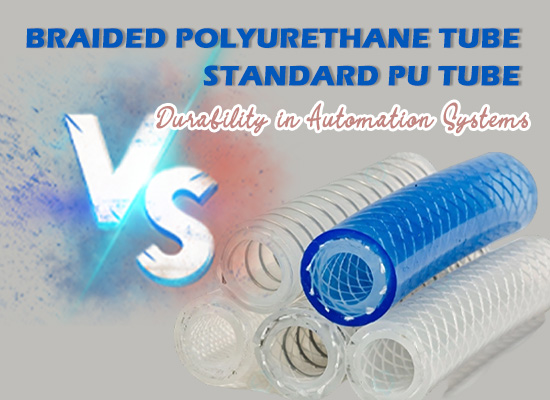 PUB Braided Polyurethane Tube vs Standard PU Tube: Durability in Automation Systems
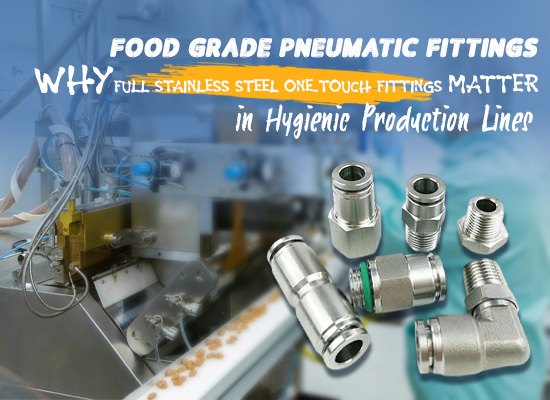 Food Grade Pneumatic Fittings: Why Full Stainless Steel One-Touch Fittings Matter in Hygienic Production Lines
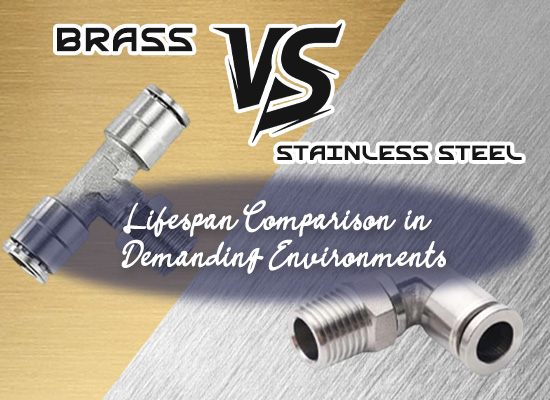 Brass vs Stainless Steel Fittings: Lifespan Comparison in Demanding Environments
You May Interest In
May 07, 2025 Blog
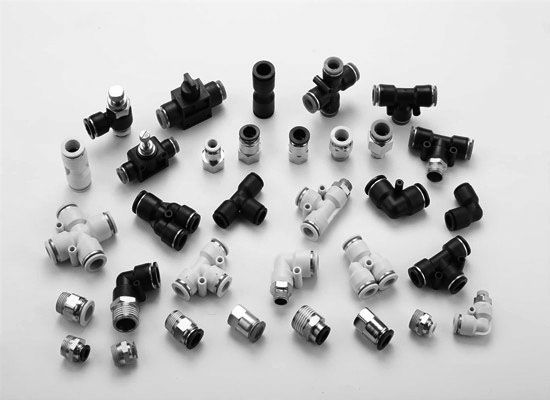
Comprehensive Analysis of Pneumatic Push in Fittings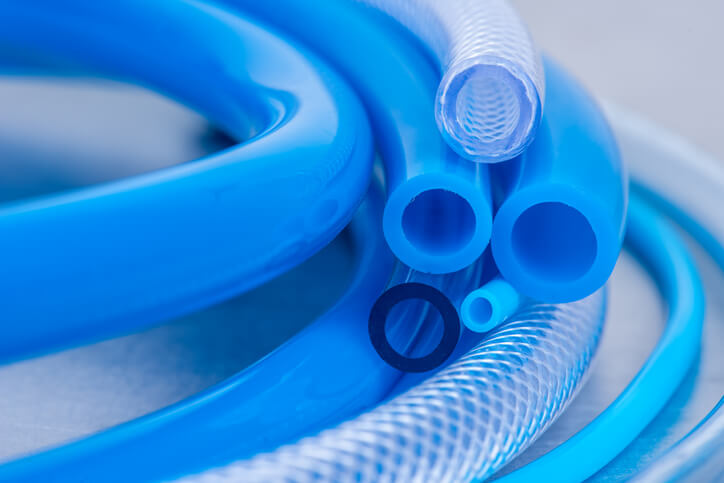
Apr 22, 2025 Blog
Solution for Nylon Tube
Apr 16, 2025 Blog
PVC Tubing vs. Polyurethane Tubing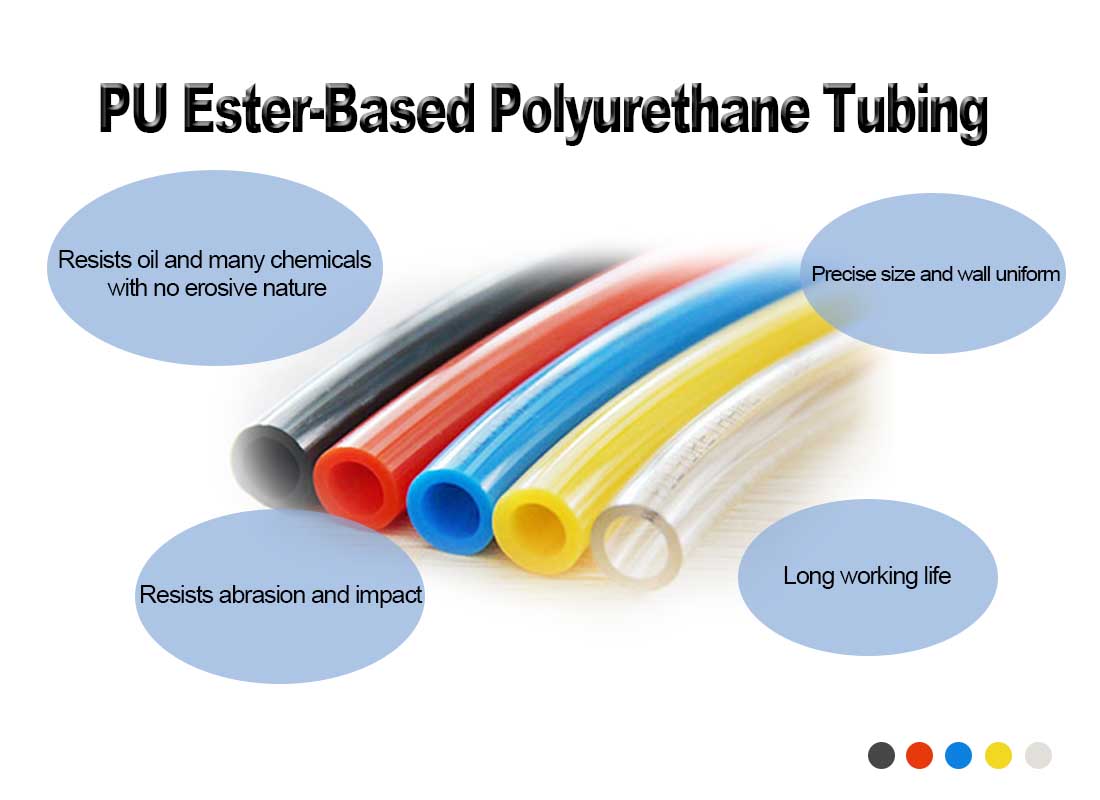
Apr 10, 2025 Blog
What is the difference between pu and pvc
Feb 24, 2025 Blog
How to Identify Hydraulic Quick Couplers?
Jan 21, 2025 Blog
How to Measure Pipe Thread?
Jan 16, 2025 Blog
What Is Pipe thread?
Dec 04, 2024 Blog
Application Of Tube Fitting
Jun 26, 2023 Blog
What Is The Difference Between LLDPE And LDPE?
Jan 17, 2023 Blog
What Are The Classification Of Plastics?
Get a free sample

Links: www.fescolo.com(Pneumatic)
FOKCA ©1998-2025 All Rights Reserved Sitemap