Apr 22, 2026
In automated equipment, air tubing is often overlooked until failures begin to interrupt production. Choosing between PUB Braided Polyurethane Tube and standard PU tubing directly affects system uptime, especially in dynamic environments. From robotic arms to conveyor air supply lines, the difference in polyurethane air hose durability becomes evident over time as stress cycles accumulate.
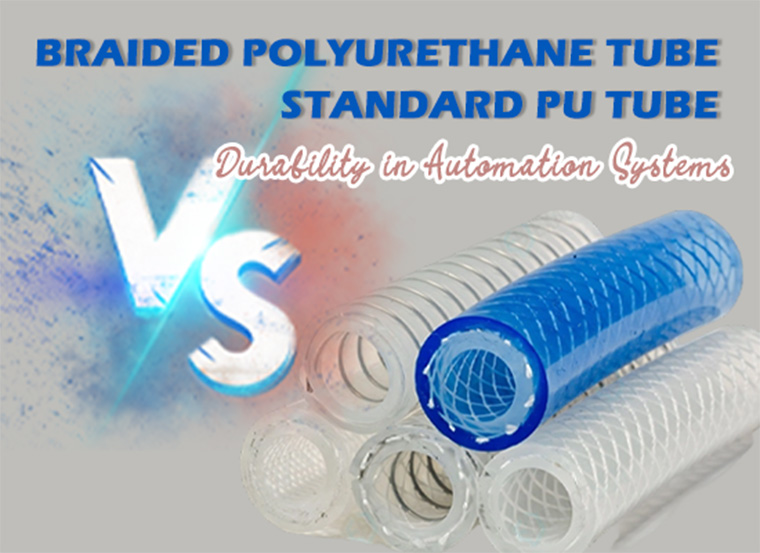
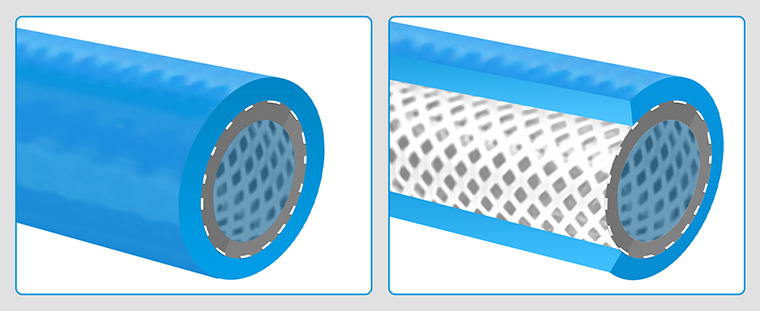
At a structural level, the distinction lies in reinforcement. Standard PU tubing is a single-layer material designed for flexibility and ease of installation. In contrast, Braided Polyurethane Tube integrates an internal fiber layer, creating reinforced PU tubing that resists deformation under pressure.
This reinforcement improves pressure tolerance and structural stability. In applications where tubing experiences repeated motion or pressure spikes, the braided design maintains shape integrity far better than conventional tubing.
Frequent motion introduces cyclic stress, which is a leading cause of tubing failure. In robotic arms or pick-and-place systems, tubing may flex thousands of times per day.
Standard PU tubing performs well initially but tends to develop micro-cracks under long-term cyclic loading. By comparison, reinforced PU tubing distributes stress across the braided layer, significantly improving fatigue life.
In high-cycle environments, braided tubing can extend service life by 30–50%, according to industrial automation maintenance data. This makes it particularly suitable for continuous production lines.
Flexibility is often considered a strength of PU materials, but excessive bending can accelerate wear. The PU hose bending radius becomes a critical factor in tight installations.
Standard PU tubing offers a smaller bending radius, making it ideal for compact layouts. However, this flexibility comes at the cost of reduced structural resistance. Braided polyurethane tube sacrifices a small degree of flexibility but maintains consistent internal diameter during bending.
This stability ensures smoother airflow and reduces the risk of kinking, especially in moving assemblies.
In static or semi-static installations, tubing is often subjected to continuous pressure. Over time, standard PU tubing may experience creep deformation, leading to reduced airflow efficiency.
Industrial air tubing PU with braided reinforcement resists long-term compression more effectively. The fiber layer prevents wall thinning and maintains consistent pressure performance.
For example, in conveyor systems with constant air supply, braided tubing maintains stable output pressure even after extended operation periods.
Different automation scenarios highlight the practical differences between tubing types:
| Application Scenario | Standard PU Tubing | Braided PU Tubing |
|---|---|---|
| Robotic arm air lines | High flexibility, shorter lifespan | High fatigue resistance, stable |
| Conveyor air supply | May deform over time | Maintains pressure stability |
| Compact equipment routing | Easy installation | Slightly stiffer, more durable |
| High-pressure environments | Limited resistance | Enhanced pressure tolerance |
In systems where uptime and reliability are critical, the benefits of PUB Braided Polyurethane Tube become more pronounced.
Not all reinforced tubing is identical. Braiding density can be adjusted to balance flexibility and strength. Higher density increases pressure resistance, while lower density improves flexibility.
For OEM and equipment manufacturers, this opens the door to tailored solutions. FOKCA provides customizable options through its reinforced PU tubing solutions and industrial air tubing PU configurations, allowing precise matching to application requirements.
Additionally, pairing tubing with high-quality pneumatic fittings and connectors ensures overall system integrity and reduces leakage risks.
In modern automation systems, tubing is no longer just a passive component. Selecting the right structure—especially when comparing standard PU with braided polyurethane tube—can significantly influence equipment reliability, maintenance cycles, and long-term operational cost.
(FK9026)
 PVC Tubing vs Polyurethane Tubing: Choosing the Better Air Hose for Modern Pneumatic Systems
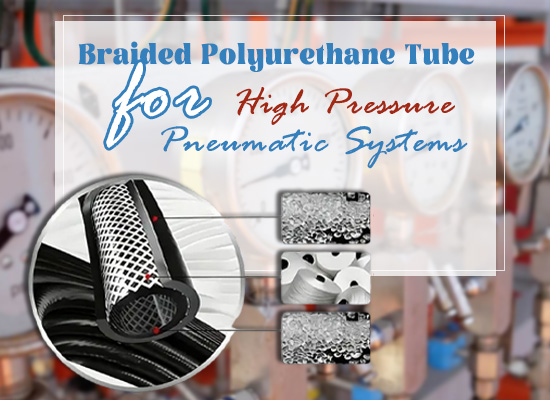 Braided Polyurethane Tube for High Pressure Pneumatic Systems
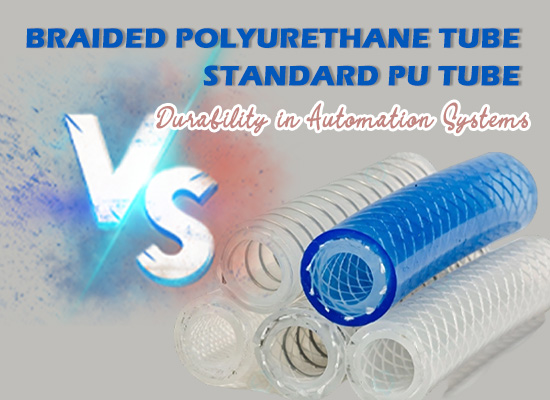 PUB Braided Polyurethane Tube vs Standard PU Tube: Durability in Automation Systems
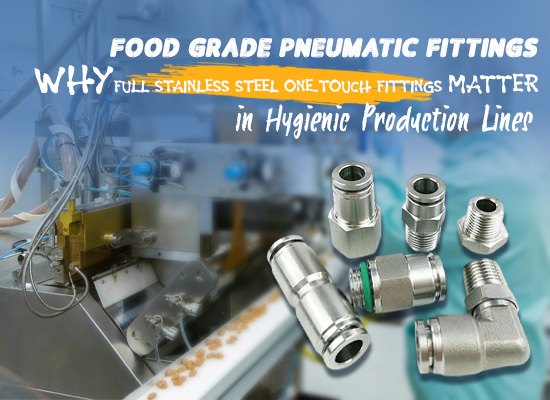 Food Grade Pneumatic Fittings: Why Full Stainless Steel One-Touch Fittings Matter in Hygienic Production Lines
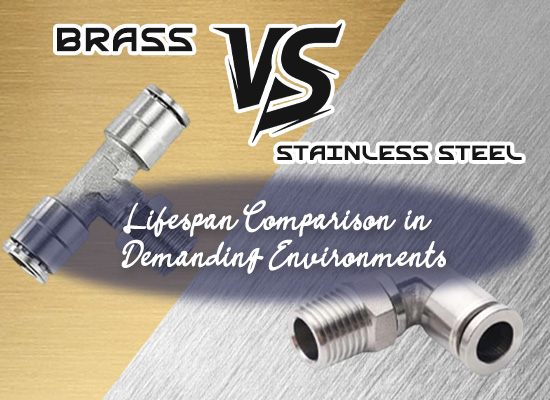 Brass vs Stainless Steel Fittings: Lifespan Comparison in Demanding Environments
You May Interest In
May 07, 2025 Blog
Comprehensive Analysis of Pneumatic Push in Fittings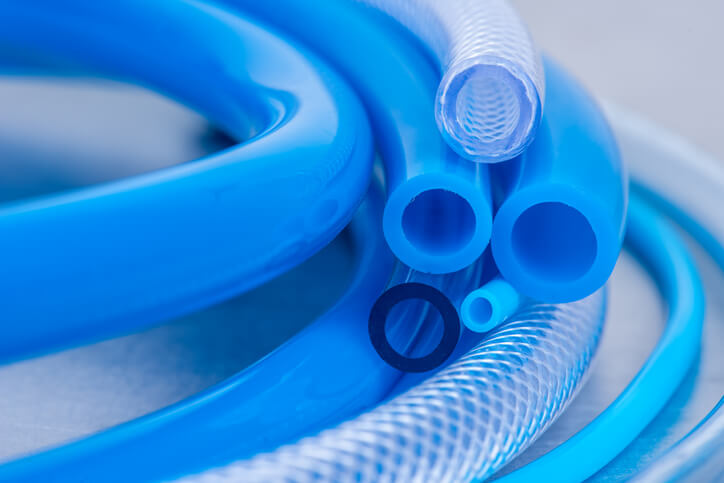
Apr 22, 2025 Blog
Solution for Nylon Tube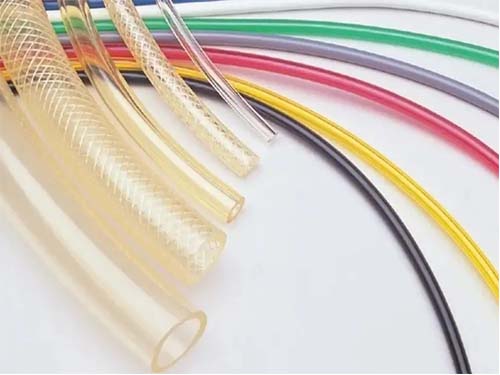
Apr 16, 2025 Blog
PVC Tubing vs. Polyurethane Tubing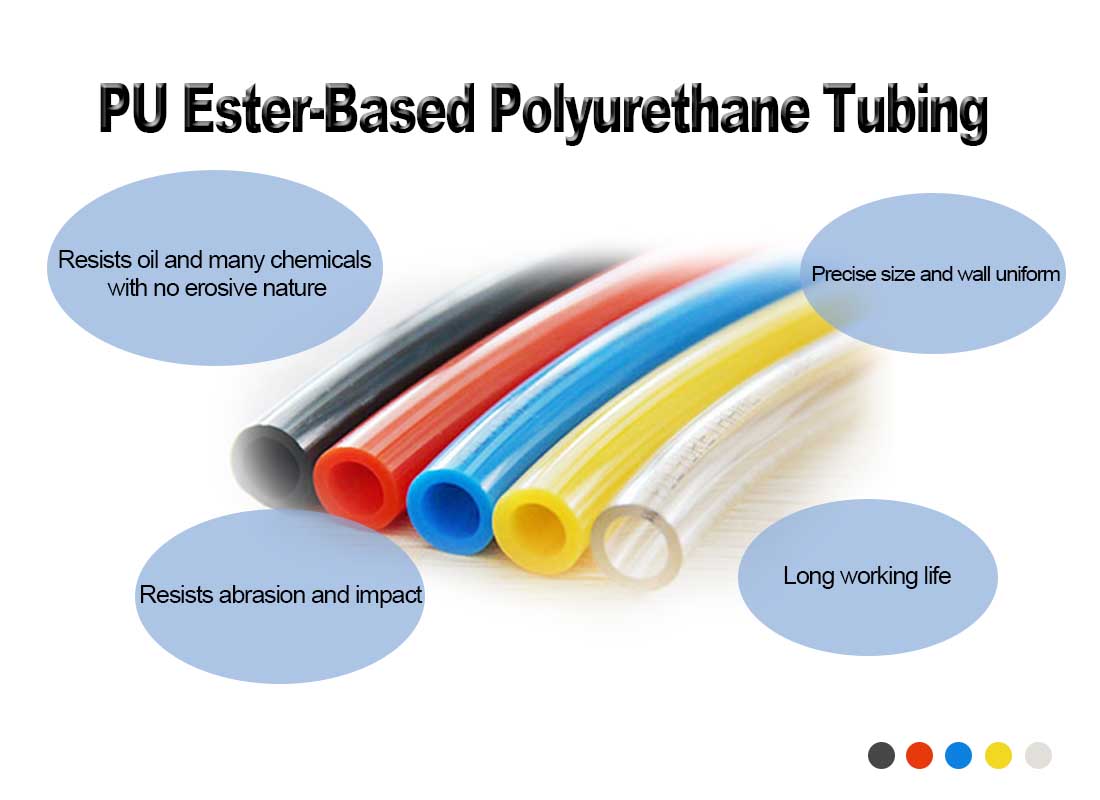
Apr 10, 2025 Blog
What is the difference between pu and pvc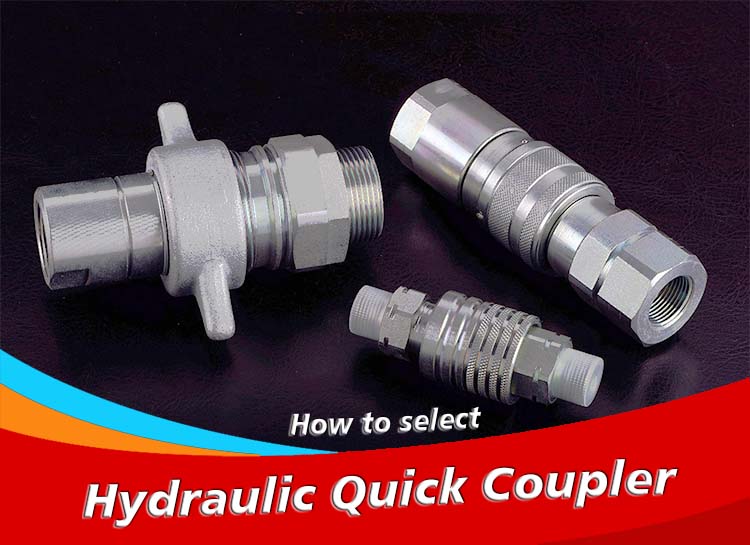
Feb 24, 2025 Blog
How to Identify Hydraulic Quick Couplers?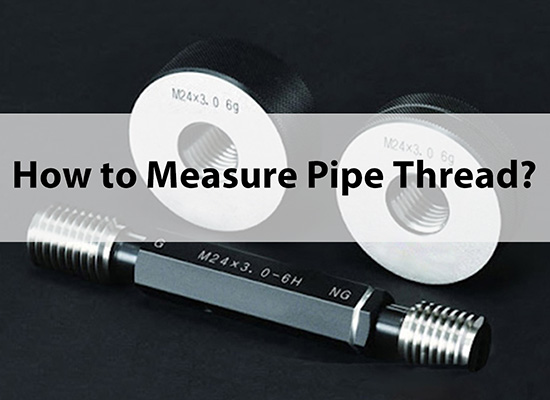
Jan 21, 2025 Blog
How to Measure Pipe Thread?
Jan 16, 2025 Blog
What Is Pipe thread?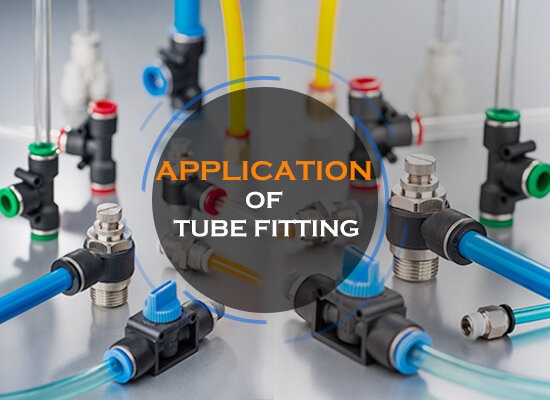
Dec 04, 2024 Blog
Application Of Tube Fitting
Jun 26, 2023 Blog
What Is The Difference Between LLDPE And LDPE?
Jan 17, 2023 Blog
What Are The Classification Of Plastics?
Get a free sample

Links: www.fescolo.com(Pneumatic)
FOKCA ©1998-2025 All Rights Reserved Sitemap