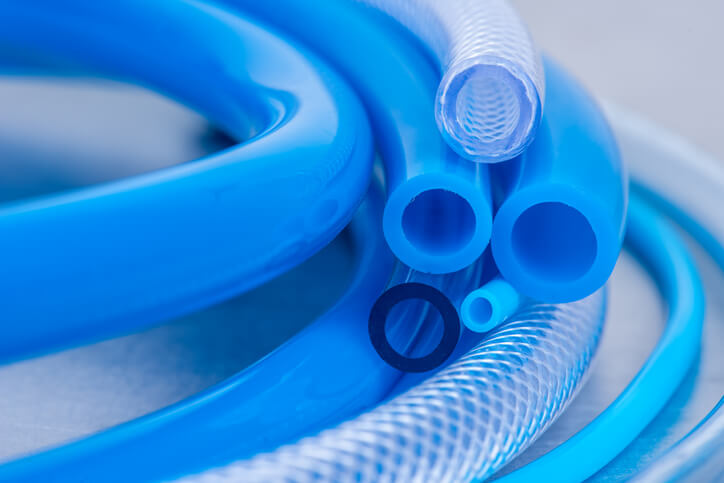
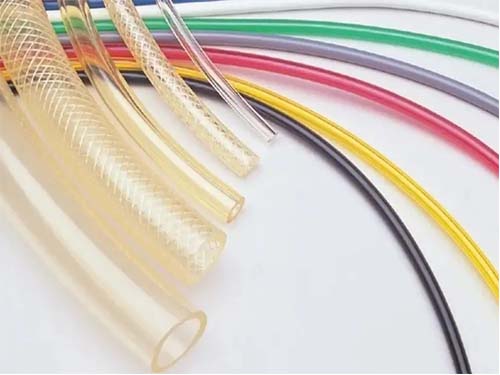
In automation systems where routing accuracy and pressure stability matter, dimensional change can directly affect performance. For distributors, equipment engineers, and procurement managers, understanding why Nylon Tubing products outperform PE Tubing in structural stability helps avoid long-term alignment and leakage issues. While Polyethylene Tube options are cost-effective, they often show noticeable elongation and deformation under continuous load. In contrast, Rigid Nylon Hose solutions maintain geometry even in extended layouts, making them a preferred choice for industrial projects.
Molecular Structure: The Core Reason Behind Dimensional Stability
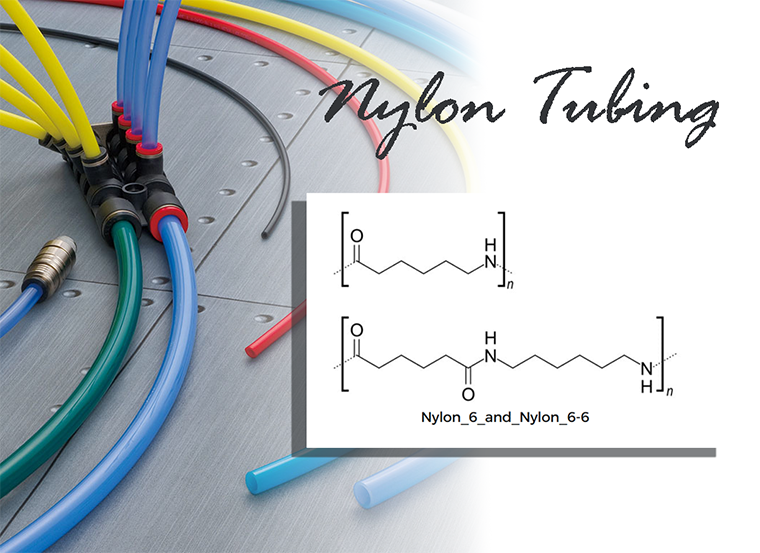
Material behavior begins at the molecular level. Nylon (polyamide) features strong intermolecular hydrogen bonding, which creates a tighter and more ordered polymer structure. This results in higher tensile strength and better resistance to creep.
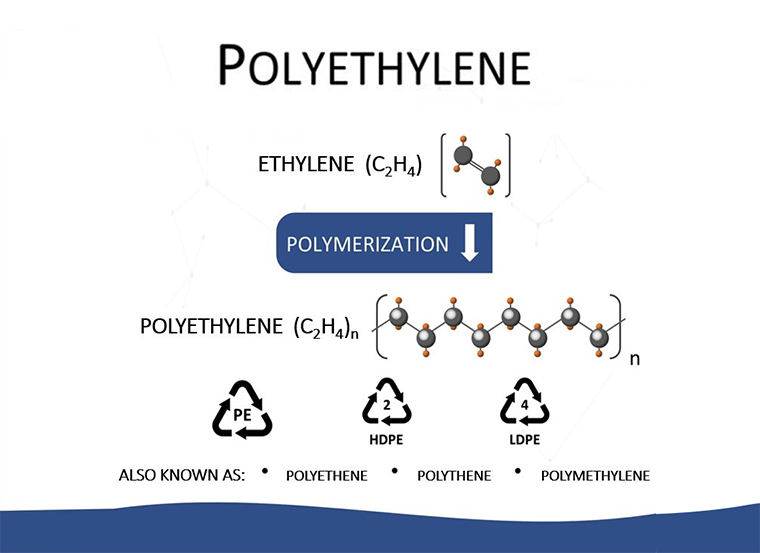
By comparison, PE Tubing has a simpler molecular chain with weaker intermolecular forces. Under continuous stress—especially in long horizontal or suspended installations—Polyethylene Tube materials tend to stretch gradually.
Stronger molecular bonding directly translates into better dimensional control.
For industrial automation lines that require precise air routing, this difference becomes highly visible after months of operation.
Structural Strength Under Long-Distance Installation
When tubing is laid across long production lines or mounted overhead, gravity and internal pressure create continuous tensile force. Over time, softer materials may elongate, leading to sagging and misalignment.
The following comparison highlights typical mechanical differences:
| Property | Nylon Tubing | PE Tubing |
|---|---|---|
| Tensile Strength | High | Moderate |
| Creep Resistance | Strong | Lower |
| Shape Retention | Excellent | Moderate |
| Long-Span Stability | Reliable | May Stretch |
Because of its higher rigidity, Nylon Hose maintains its original length and routing path more effectively. This reduces the need for additional clamps or support brackets in large automation layouts.
Pressure and Temperature Influence on Dimensional Change
In pneumatic systems, internal pressure fluctuation and ambient temperature shifts can amplify dimensional instability. Nylon demonstrates better resistance to pressure-induced expansion compared to Polyethylene Tube materials.
Under medium-to-high working pressure, PE may show slight diameter growth over time, especially in warm environments. Nylon’s crystalline structure improves resistance to both pressure expansion and thermal deformation.
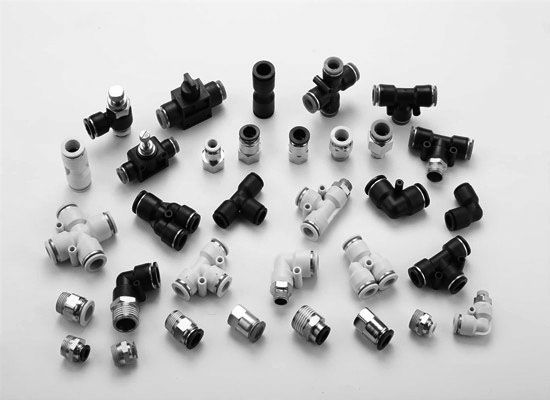
For packaging lines and robotic cells, maintaining consistent outer diameter is critical for compatibility with Push-In Fittings Dimensional drift can cause sealing inconsistency and leakage risks.
Impact on System Alignment and Maintenance
Dimensional instability does not only affect appearance—it affects system efficiency. In long automated conveyor systems, stretched tubing can shift connection angles, placing stress on fittings and valves.
Engineers often observe that PE Tubing installed over extended distances may require periodic re-tightening. Nylon alternatives significantly reduce this maintenance frequency.
Stable tubing geometry means fewer service interruptions.
For projects integrating Pneumatic Solenoid Valves and compact cylinders, maintaining precise routing reduces vibration and connection fatigue.
Wholesale Advantage in Automation Projects
Large-scale automation installations often require consistent tubing dimensions across hundreds of meters. Sourcing Nylon Tubing wholesale ensures batch consistency in wall thickness, outer diameter tolerance, and pressure rating.
For distributors and industrial buyers, bulk procurement provides:
◆lingxConsistent material grade across projects
◆Reduced per-meter cost
◆Stable long-term supply
◆Easier compatibility with standardized fittings
Working with an experienced Industrial Tubing Supplier allows customization of diameter, color, and packaging format while maintaining strict dimensional tolerance control.
For engineering teams managing expansion projects, choosing dimensionally stable nylon tubing is not just a material decision—it is a long-term reliability strategy.
(FK9026)