Mar 04, 2026
In high-speed automation systems, airflow stability directly affects cylinder response time and overall production efficiency. Many engineers focus on compressor capacity, but overlook the role of Pneumatic Tube Fittings in restricting flow. The internal diameter of a Push-to-Connect Fitting can significantly influence Cv value, pressure drop, and dynamic performance. For equipment engineers, distributors, and procurement managers, understanding this detail helps avoid undersized connectors that silently limit system output.
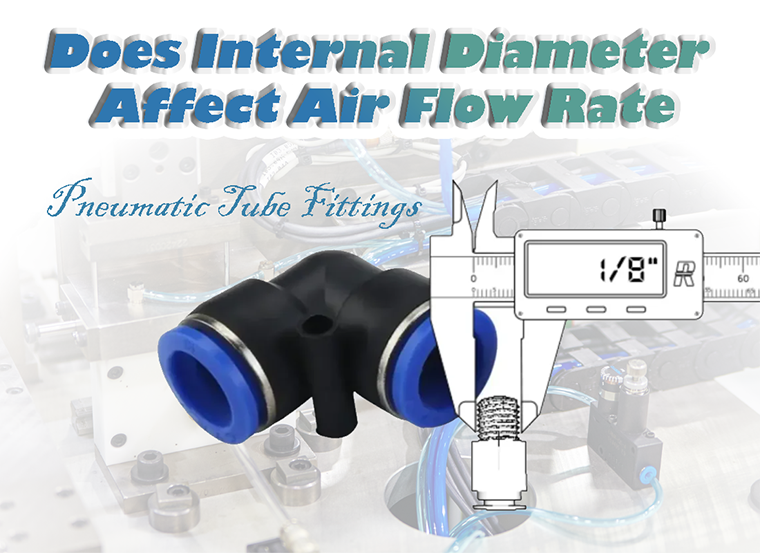
Air passing through a fitting behaves according to basic fluid dynamics: the smaller the internal passage, the higher the resistance. Even when tube outer diameter is identical, different Air Flow Pneumatic Fittings may have varying internal bore sizes.
A reduction of just 1 mm in internal diameter can noticeably decrease flow capacity. Since Cv value represents the flow rate through a component under specific pressure conditions, a larger internal bore generally means higher Cv and lower restriction.
For high-cycle pneumatic actuators, restricted flow results in slower extension and retraction speeds, which can reduce overall production efficiency.
Cv (flow coefficient) is commonly used to compare performance between different Push-in Air Connectors and Pneumatic Quick Connector designs. Higher Cv indicates better air passage capability.
Below is a simplified comparison:
| Fitting Type | Approx. Internal Bore | Typical Cv Value | Flow Restriction Level |
|---|---|---|---|
| Standard Straight | Full tube size | High | Low |
| Reduced Bore Type | 70–80% of tube ID | Medium | Moderate |
| Elbow Type | Slightly reduced | Medium-Low | Higher |
| Compact Mini Type | Smaller core | Low | High |
While compact fittings save space, they may reduce airflow in high-demand systems. Matching fitting Cv with cylinder air consumption is critical in automated production lines.
Internal diameter is not the only factor; geometry also plays a role. Straight fittings maintain smoother airflow, while elbow fittings create directional change that generates turbulence.
In 90-degree One-Touch Fitting designs, airflow experiences minor vortex formation, increasing pressure drop. This effect becomes more obvious in high-speed systems or long air circuits.
Therefore, when designing layouts:
1.Use straight fittings for main supply lines
2.Reserve elbows for necessary directional changes
3.Avoid excessive quick connectors in series
Reducing unnecessary flow transitions improves overall pneumatic efficiency.
Quick disconnect systems such as Air Quick Coupling assemblies are convenient for maintenance, but internal valve structures may narrow airflow channels.
Some compact Pneumatic Quick Coupling models prioritize safety shut-off features over maximum flow. In maintenance stations this is acceptable, but in continuous production systems, undersized quick couplings may limit actuator speed.
For high-demand applications, selecting high-flow versions ensures minimal performance compromise.
When choosing fittings, consider three technical checkpoints:
Verify internal bore relative to tube ID
Check Cv data from supplier specifications
Evaluate total pressure drop across the system
For example, our High Flow Pneumatic Tube Fittings are designed with optimized internal geometry to maximize air passage while maintaining compact size. For modular maintenance systems, our Industrial Pneumatic Quick Coupling Solutions provide balanced performance and convenience.
Even small dimensional differences inside a fitting can affect system responsiveness. In modern automation where milliseconds matter, internal diameter is not just a structural detail—it is a performance factor.
(FK9026)
 PVC Tubing vs Polyurethane Tubing: Choosing the Better Air Hose for Modern Pneumatic Systems
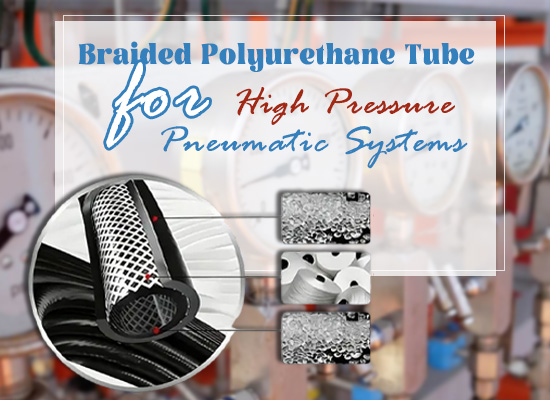 Braided Polyurethane Tube for High Pressure Pneumatic Systems
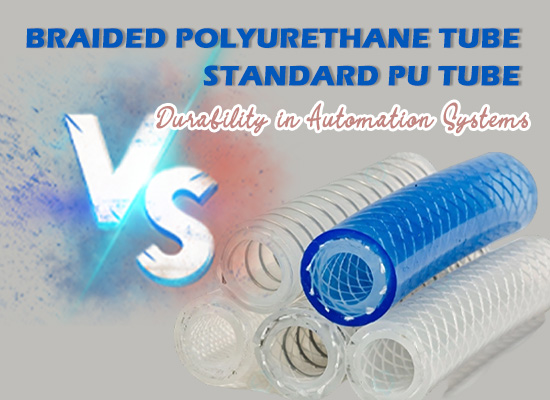 PUB Braided Polyurethane Tube vs Standard PU Tube: Durability in Automation Systems
 Food Grade Pneumatic Fittings: Why Full Stainless Steel One-Touch Fittings Matter in Hygienic Production Lines
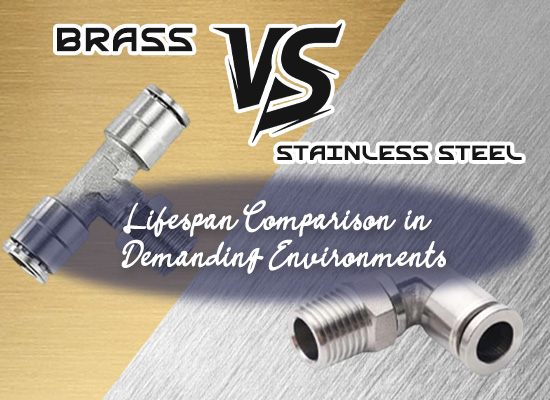 Brass vs Stainless Steel Fittings: Lifespan Comparison in Demanding Environments
You May Interest In
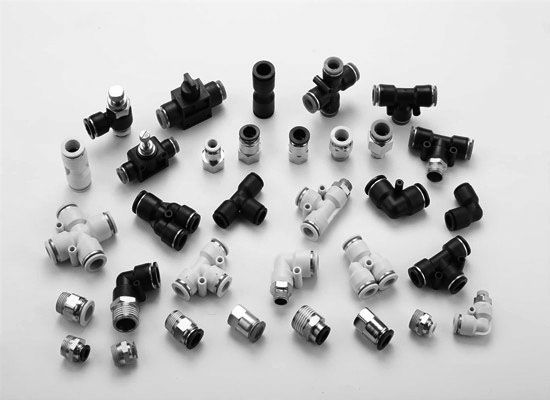
May 07, 2025 Blog
Comprehensive Analysis of Pneumatic Push in Fittings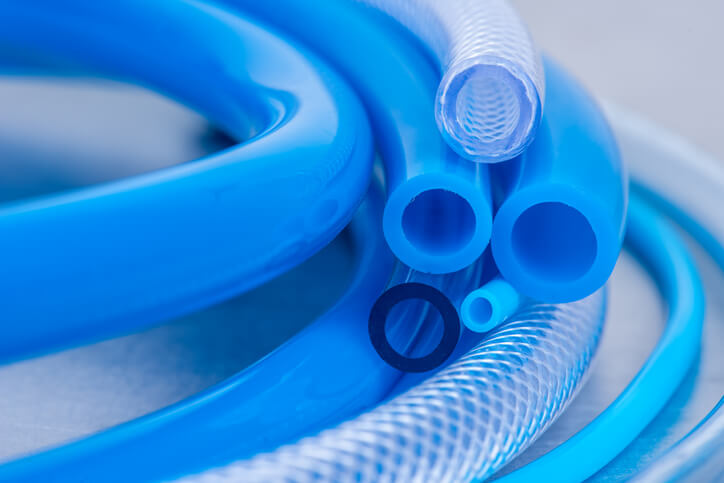
Apr 22, 2025 Blog
Solution for Nylon Tube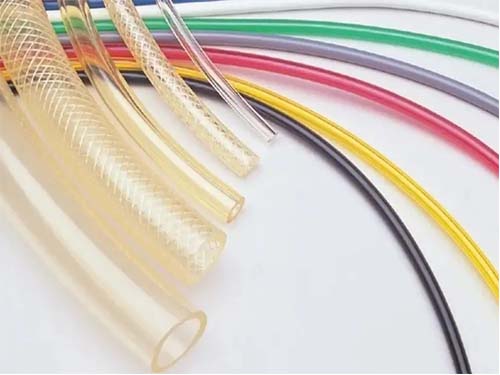
Apr 16, 2025 Blog
PVC Tubing vs. Polyurethane Tubing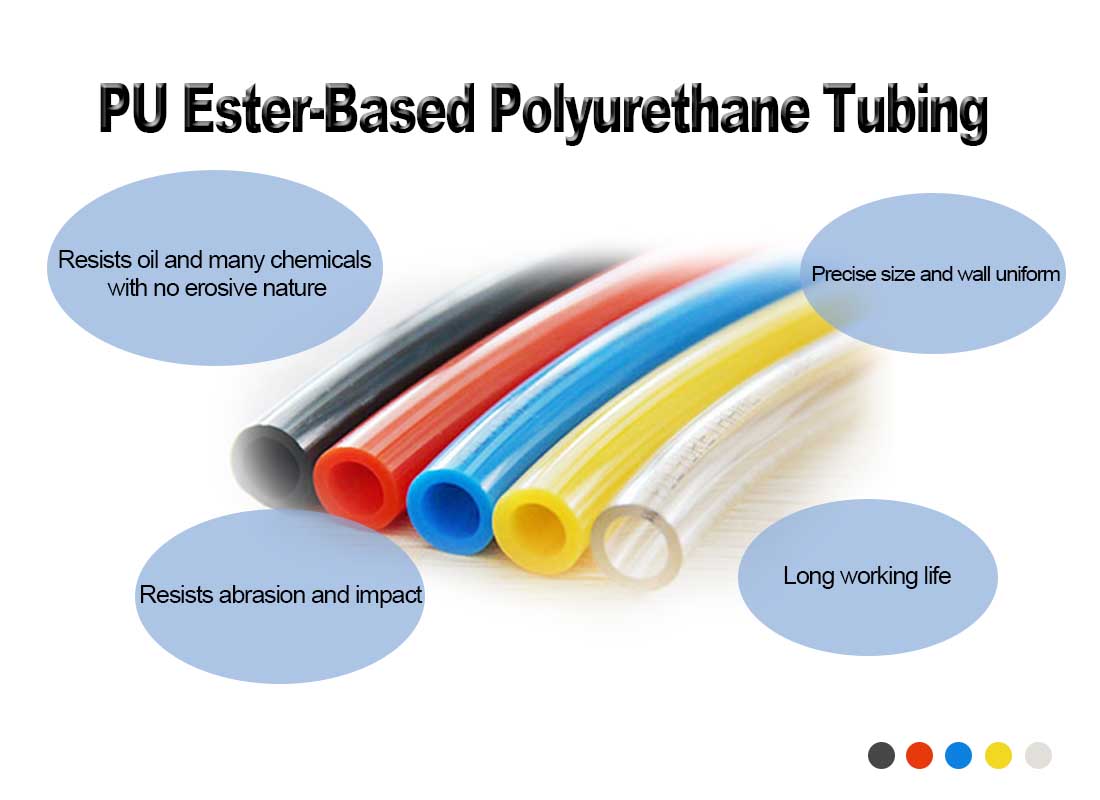
Apr 10, 2025 Blog
What is the difference between pu and pvc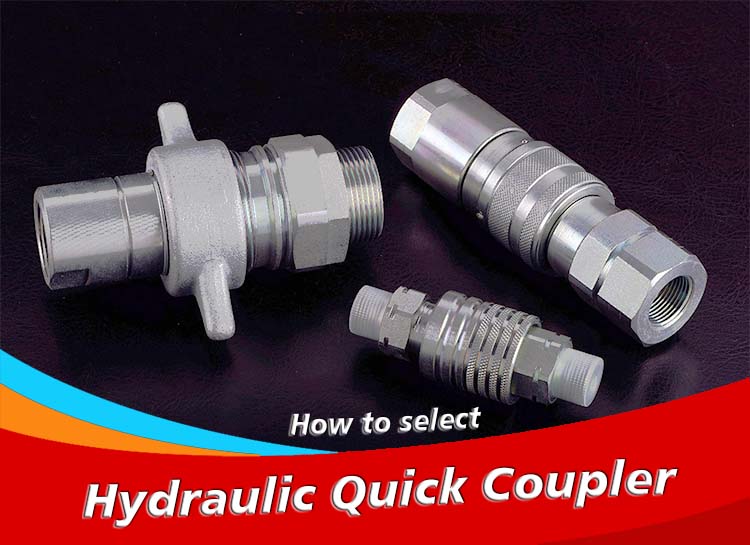
Feb 24, 2025 Blog
How to Identify Hydraulic Quick Couplers?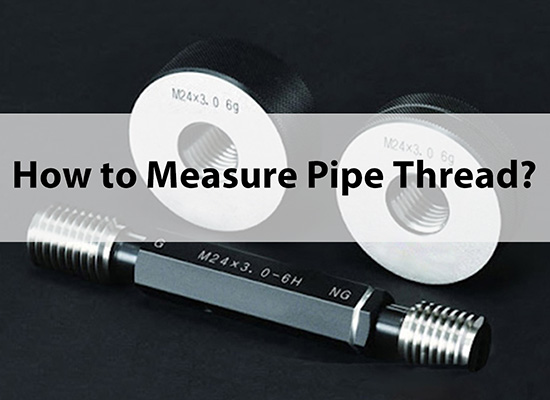
Jan 21, 2025 Blog
How to Measure Pipe Thread?
Jan 16, 2025 Blog
What Is Pipe thread?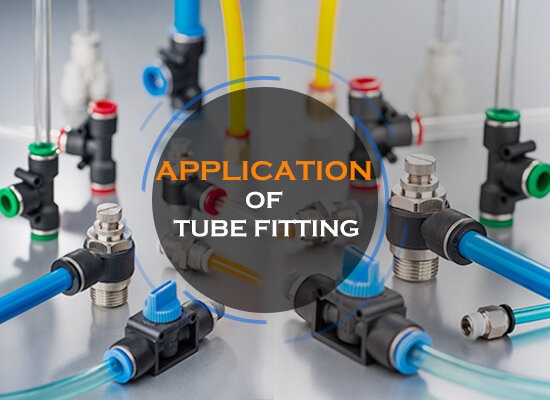
Dec 04, 2024 Blog
Application Of Tube Fitting
Jun 26, 2023 Blog
What Is The Difference Between LLDPE And LDPE?
Jan 17, 2023 Blog
What Are The Classification Of Plastics?
Get a free sample

Links: www.fescolo.com(Pneumatic)
FOKCA ©1998-2025 All Rights Reserved Sitemap