Feb 17, 2026
In fluid transfer systems, pressure loss is rarely caused by a single factor. Pipe length, flow rate, bends, and fittings all play a role—but internal surface roughness is often underestimated. This is where PP Polypropylene Tube shows a clear advantage. Thanks to its naturally smooth inner wall, polypropylene tubing helps reduce friction loss, stabilize flow, and lower overall energy consumption in industrial piping systems.
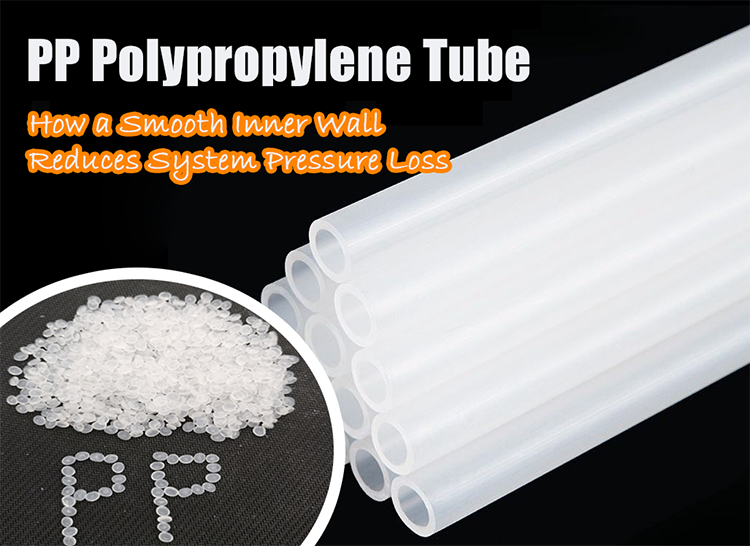
From an engineering perspective, fluid moving through a pipe always experiences friction against the pipe wall. The rougher the internal surface, the higher the friction coefficient and the greater the pressure drop per meter.
Polypropylene pipes have a significantly smoother inner surface than many metal and reinforced plastic pipes, which directly reduces flow resistance. In continuous-transfer systems, even small reductions in friction translate into noticeable performance gains.
As a polyolefin pipe, polypropylene is extruded with a uniform, non-porous inner surface. This smoothness limits turbulence in the boundary layer where fluid contacts the pipe wall.
In practical terms, PP Polypropylene Tube allows fluid to move with less energy loss, especially in laminar and transitional flow regimes. This characteristic is particularly beneficial in long, straight pipeline runs commonly found in industrial plants.
To better understand the impact of surface smoothness, engineers often compare relative roughness values. The table below illustrates why polypropylene tubing performs well:
| Pipe material | Relative inner surface roughness | Impact on pressure loss |
|---|---|---|
| PP Polypropylene Tube | Very low | Minimal friction loss |
| Stainless steel | Low to medium | Stable but higher loss |
| Carbon steel | Medium to high | Increasing loss over time |
| Rubber-lined pipes | Variable | Unstable flow resistance |
Lower roughness means more predictable pressure behavior, which simplifies system design and sizing.
Pressure loss must be compensated by pumps. When friction increases, pumps work harder, consuming more energy and wearing faster.
By using PP Polypropylene Tube, engineers can often reduce required pump head or maintain target flow rates with lower power input. This directly lowers operating costs and extends pump service life, a key consideration for both plant managers and procurement teams.
In many industrial applications—such as water treatment, chemical transfer, or cleaning systems—stable flow is more important than peak flow.
Because polypropylene pipes maintain a smooth inner wall over time, they resist scale buildup and corrosion that can alter flow characteristics. Unlike metal pipes, PP does not develop internal pitting, helping systems maintain consistent performance throughout their service life.
The advantages of low friction become more pronounced as pipe length increases. In long-distance transfer or systems with multiple loops, cumulative pressure loss can quickly become a design constraint.
PP Polypropylene Tube helps control total system pressure drop, allowing engineers to design simpler layouts or reduce pipe diameters without sacrificing performance. This flexibility is valuable in retrofit projects and space-limited installations.
In CIP and process fluid systems, frequent circulation and cleaning place additional demands on piping. Smooth inner walls reduce residue adhesion, making cleaning more effective and repeatable.
For industries such as food, beverage, and pharmaceuticals, this supports hygiene goals while maintaining hydraulic efficiency.
Better cleaning with lower pressure requirements improves both safety and productivity.
When evaluating piping options, engineers should consider internal surface quality alongside pressure rating and chemical compatibility. Polypropylene pipes stand out as an efficient choice for fluid transfer, especially where long runs, stable flow, and energy efficiency are priorities.
Many customers select PP Polypropylene Tube for transport lines where reducing pressure loss directly improves system reliability and operating cost. Choosing smoother pipes at the design stage often delivers benefits that last throughout the entire lifecycle of the system.
(FK9026)
 PVC Tubing vs Polyurethane Tubing: Choosing the Better Air Hose for Modern Pneumatic Systems
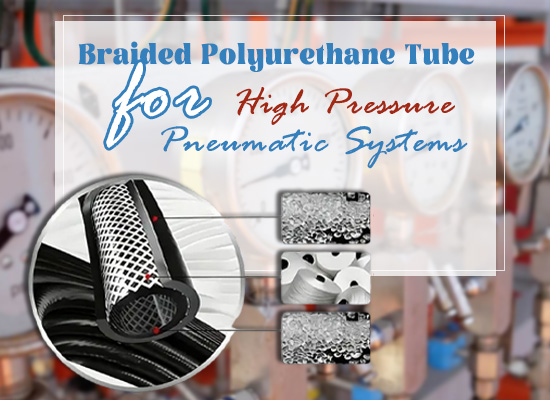 Braided Polyurethane Tube for High Pressure Pneumatic Systems
 PUB Braided Polyurethane Tube vs Standard PU Tube: Durability in Automation Systems
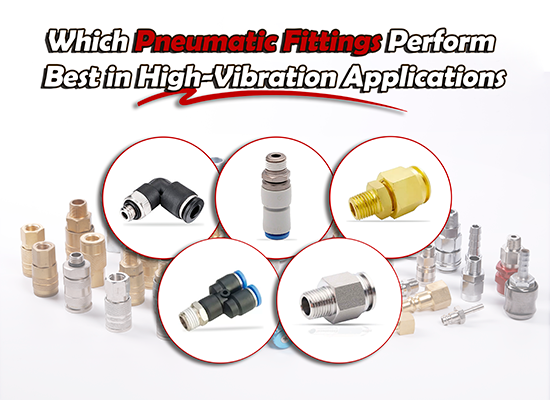
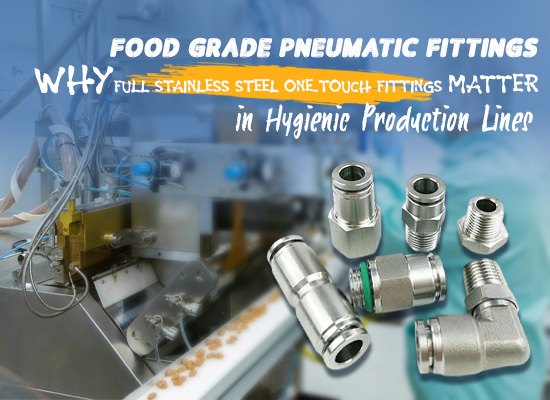 Food Grade Pneumatic Fittings: Why Full Stainless Steel One-Touch Fittings Matter in Hygienic Production Lines
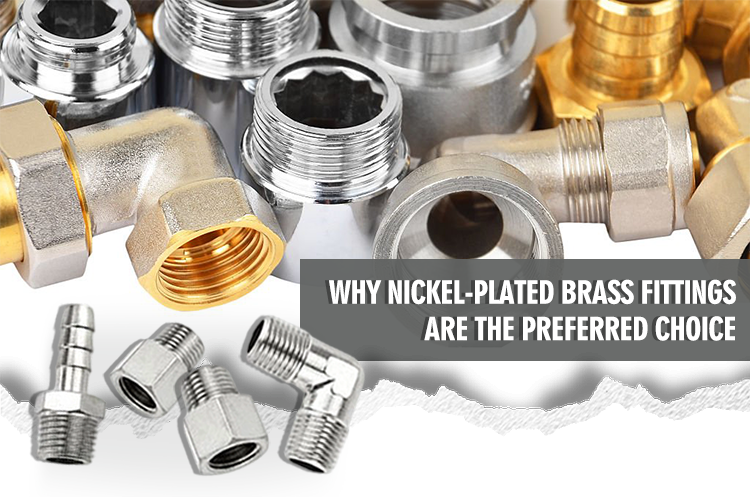
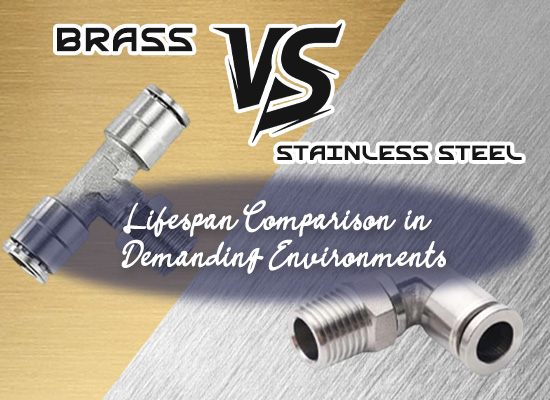 Brass vs Stainless Steel Fittings: Lifespan Comparison in Demanding Environments
You May Interest In

Sep 24, 2025 Blog
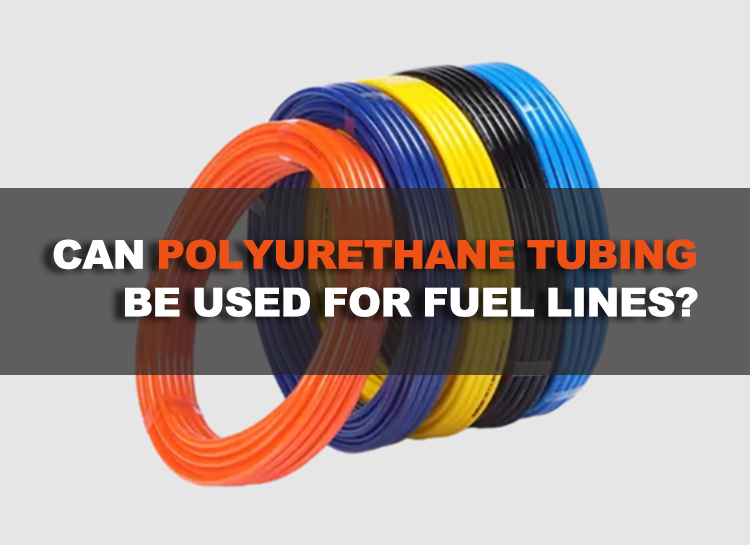
Can polyurethane tubing be used for fuel lines?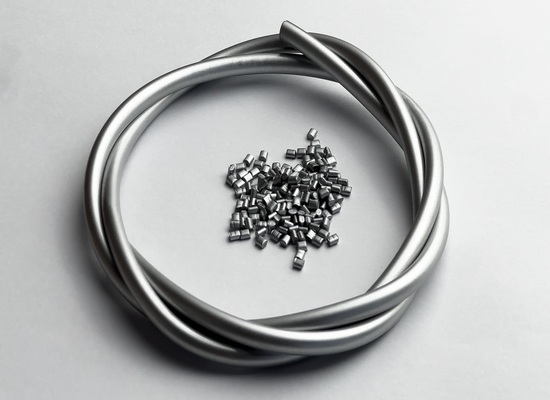

Get a free sample

Links: www.fescolo.com(Pneumatic)
FOKCA ©1998-2025 All Rights Reserved Sitemap