Jan 16, 2026
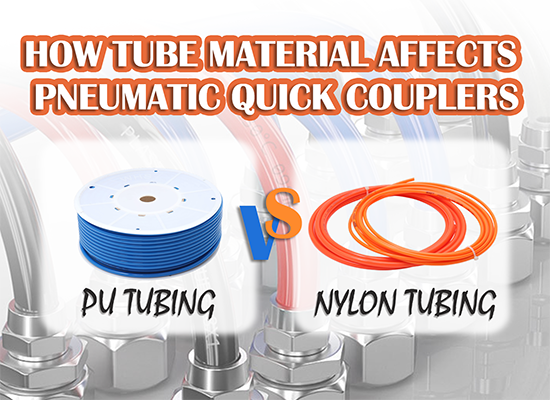
In pneumatic systems, engineers often focus on the pneumatic quick coupler itself—brass or stainless steel, straight or elbow, push-to-connect or threaded. However, field experience shows that tube material plays an equally important role in sealing stability, connection reliability, and long-term service life.
Nylon tubing and PU tubing behave very differently once inserted into a pneumatic quick coupling, especially under pressure, temperature changes, and vibration.
Understanding these differences helps avoid common issues such as micro-leakage, tube pull-out, or premature seal wear.
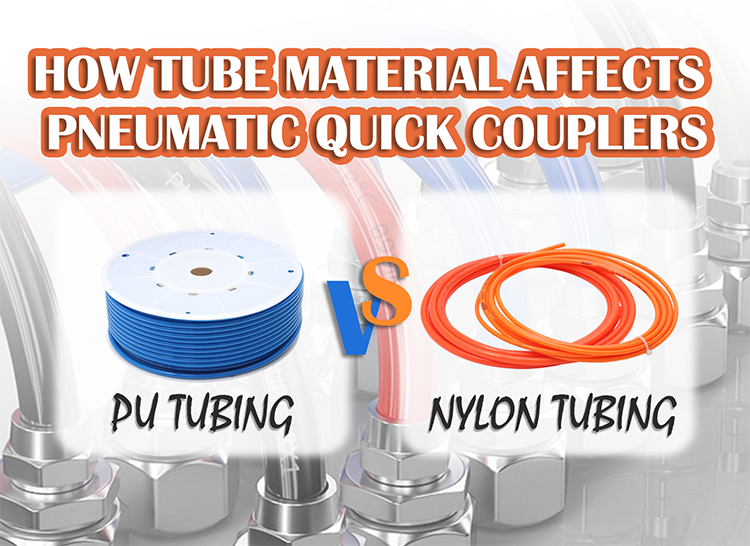
The gripping mechanism inside most quick connect fittings relies on a stainless steel collet or claw that bites into the tube’s outer surface.
Nylon tubing has higher Shore hardness and dimensional stability. Once inserted, the claw can achieve a firm mechanical bite, resulting in strong axial holding force. This is why nylon tube is widely used with pneumatic quick coupler brass fittings in industrial automation lines.
PU tubing, by contrast, is softer and more elastic. While the claw still grips the tube, the holding force depends more on surface friction than mechanical biting. In static applications this is usually sufficient, but under vibration or repeated movement, PU tubes are more prone to gradual slippage.
Sealing inside a pneumatic quick coupling is mainly provided by an elastomer O-ring, not the tube itself. However, tube material directly affects how stable that seal remains over time.
Nylon tubing maintains its roundness under pressure and temperature fluctuation. This allows the O-ring to remain evenly compressed, resulting in stable sealing performance over long operating cycles.
PU tubing can deform slightly under continuous pressure, especially near the insertion point. In oil mist environments or elevated temperatures, this deformation accelerates, leading to slow air leakage that is difficult to detect but costly in energy loss.
One clear advantage of PU tubing is ease of installation. Its flexibility allows faster routing in tight spaces and lower insertion force into quick coupling for hose connections. This is attractive for compact machinery or frequent assembly work.
Nylon tubing, due to its rigidity, requires more precise cutting and stronger insertion force. Improper installation may lead to partial insertion, which increases the risk of leakage even when using high-quality pneumatic quick couplers.
For distributors and OEM assemblers, this difference often influences assembly time, labor cost, and error rate, not just technical performance.
Temperature and media compatibility often determine whether PU or nylon is the better choice.
PU tubing performs well at room temperature but softens more quickly in high-temperature compressed air or oil-rich environments. Softening reduces claw grip effectiveness and shortens sealing life.
Nylon tubing offers better resistance to heat and oil vapor. In applications such as automotive equipment, CNC machinery, or continuous-duty pneumatic circuits, nylon paired with a robust pneumatic quick coupler brass body delivers better long-term reliability.
| Property | Nylon Tubing | PU Tubing |
|---|---|---|
| Tube hardness | High | Medium to low |
| Claw gripping force | Strong, stable | Moderate |
| Sealing stability | Excellent | Good, may decline over time |
| Installation ease | Moderate | Very easy |
| Oil & heat resistance | Better | Limited |
| Typical applications | Fixed industrial systems | Compact or flexible routing |
There is no universal answer. For high-pressure, long-running systems, nylon tubing combined with quality pneumatic quick couplers is usually the safer engineering choice. For space-limited equipment, frequent installation, or low-pressure lines, PU tubing offers speed and flexibility.
Many system failures blamed on the quick coupling itself are actually tube-material mismatch problems.
At FOKCA, we supply pneumatic quick couplings, brass quick connect fittings, nylon tubing, and PU tubing designed to work as matched systems rather than isolated components. For OEM and distributor customers, we assist in selecting tube–coupler combinations based on pressure level, environment, and expected service life.
This approach helps reduce leakage complaints, warranty issues, and unnecessary replacement costs—especially in large-scale pneumatic installations.
(FK9026)
 PVC Tubing vs Polyurethane Tubing: Choosing the Better Air Hose for Modern Pneumatic Systems
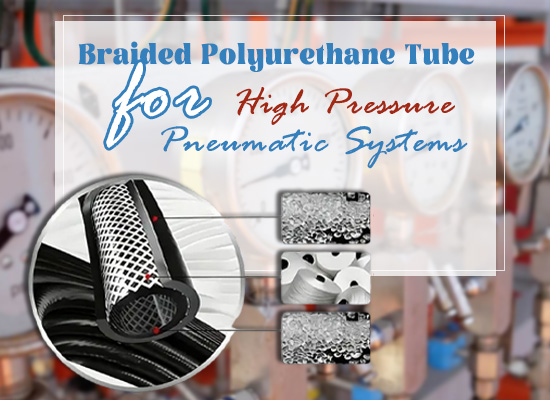 Braided Polyurethane Tube for High Pressure Pneumatic Systems
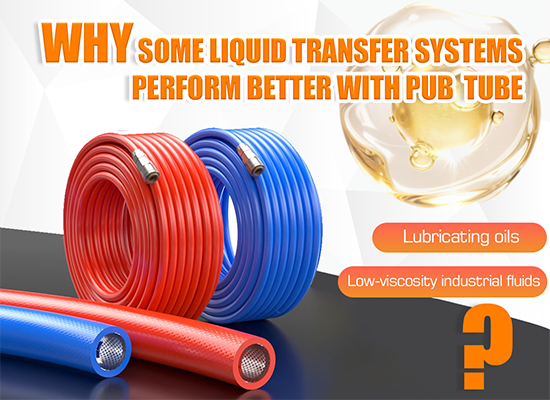
 PUB Braided Polyurethane Tube vs Standard PU Tube: Durability in Automation Systems
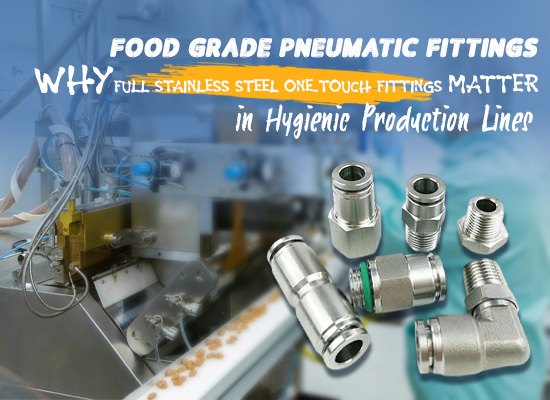 Food Grade Pneumatic Fittings: Why Full Stainless Steel One-Touch Fittings Matter in Hygienic Production Lines
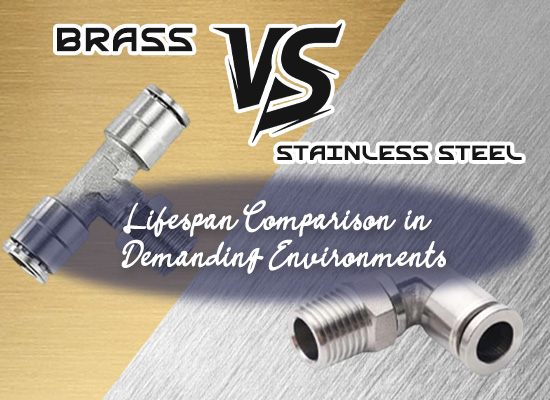 Brass vs Stainless Steel Fittings: Lifespan Comparison in Demanding Environments
You May Interest In


Feb 24, 2025 Blog
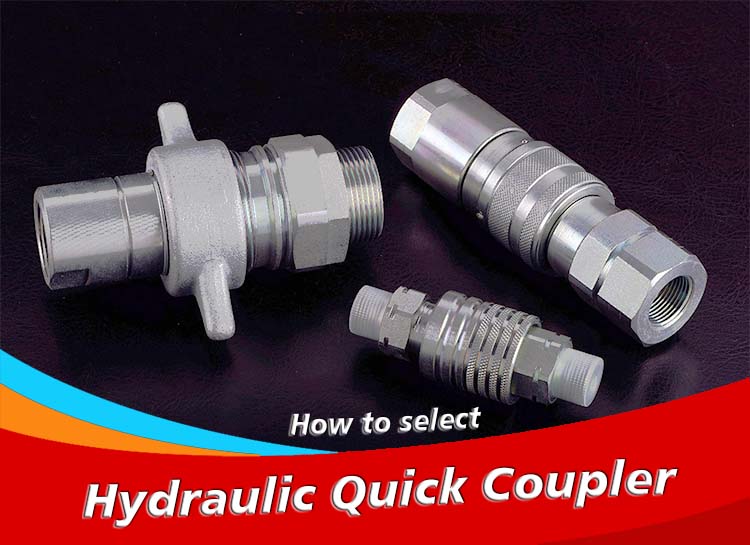
How to Identify Hydraulic Quick Couplers?
Feb 10, 2025 Blog
Food Grade Polyurethane: What You Need to Know
Sep 17, 2024 Company news
China Homelife México 2024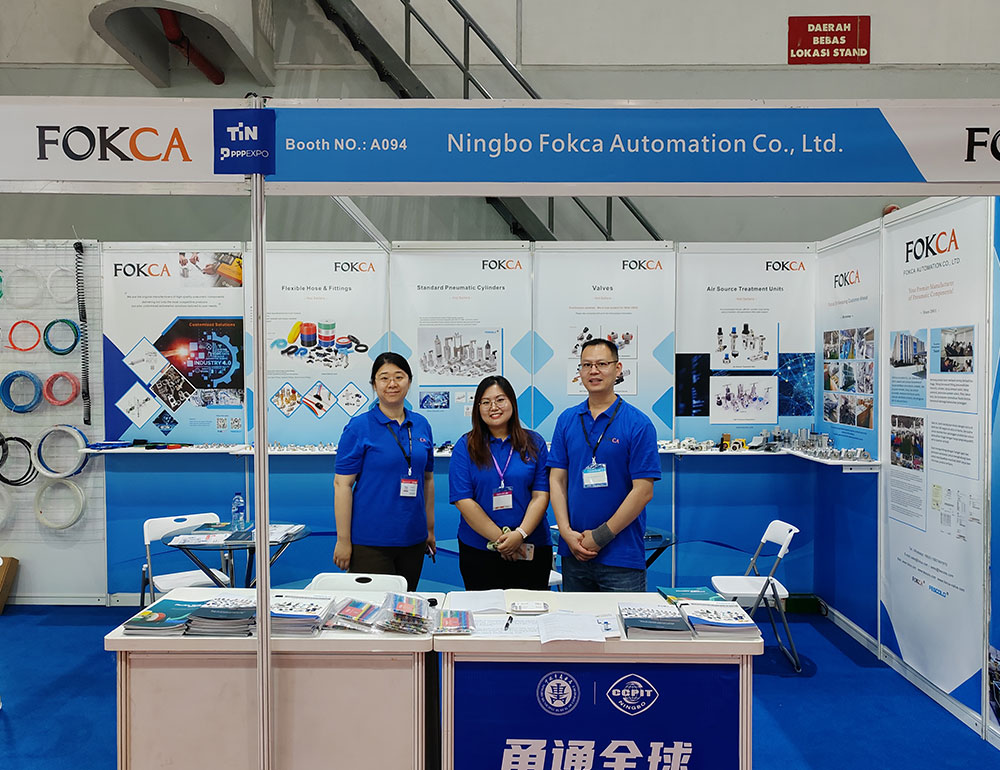
Jun 01, 2024 Company news
China (Indonesia) Trade Fair 2024
Jan 21, 2025 Blog
How to Measure Pipe Thread?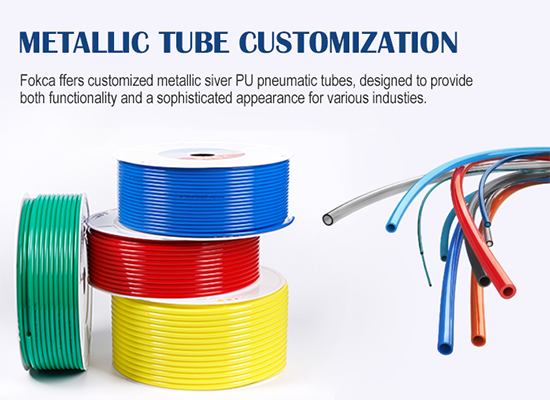
Dec 15, 2024 Customer Case
Metallic tube Customization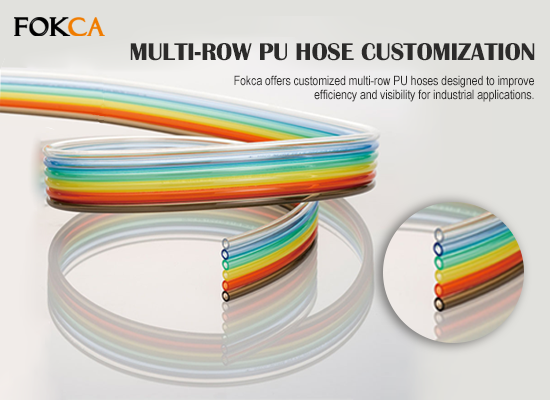
Dec 12, 2024 Customer Case
Multi-Row Pu Hose Customization
Get a free sample

Links: www.fescolo.com(Pneumatic)
FOKCA ©1998-2025 All Rights Reserved Sitemap