Feb 04, 2026
In many factories, exhaust noise is often treated as a comfort issue rather than a technical one. However, in real pneumatic applications, Pneumatic Muffler performance is closely linked to system stability, component lifespan, and operating efficiency. Excessive exhaust noise usually indicates deeper problems such as unstable airflow or abnormal back pressure, which can gradually affect the entire pneumatic system if ignored.
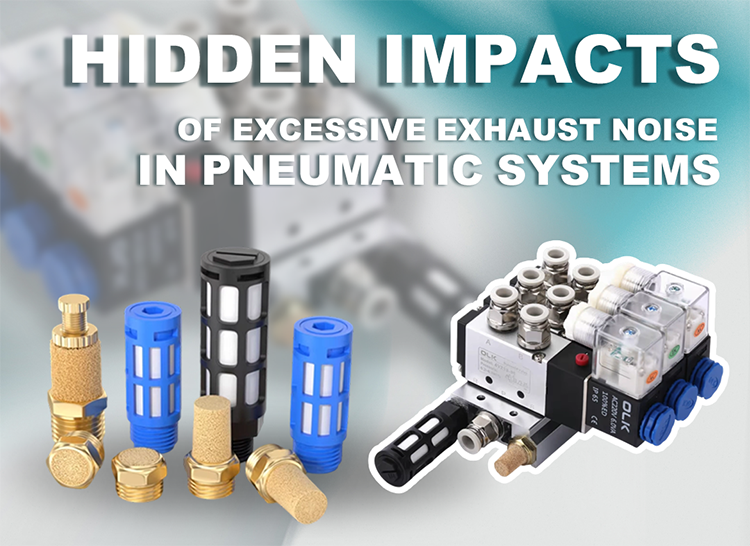
When compressed air is released rapidly from valves or cylinders, high-speed airflow generates pressure waves that result in sharp exhaust noise. In a well-designed system, this noise remains relatively stable and predictable.
If exhaust noise suddenly becomes louder or harsher, it often signals irregular exhaust flow or pressure imbalance. Without a properly matched pneumatic exhaust muffler, these fluctuations can propagate through the system, affecting valve response and cylinder motion consistency over time.
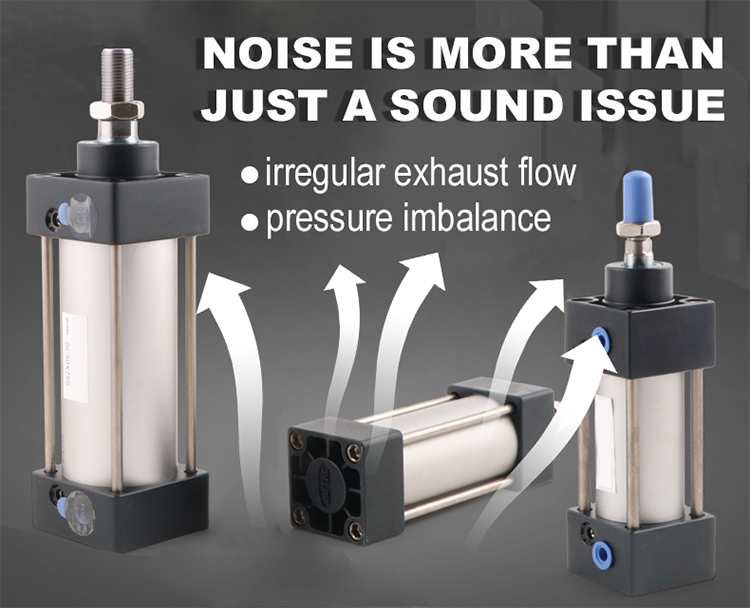
Uncontrolled exhaust flow does not only create noise—it disrupts pressure balance within the pneumatic circuit. Rapid and uneven air release can cause momentary pressure spikes, especially in high-frequency operations.
A correctly selected pneumatic muffler silencer helps stabilize exhaust airflow by diffusing air through a controlled porous structure. Stable exhaust flow directly contributes to smoother actuator movement, reducing vibration and improving repeatability in automated processes.
One common misconception is that louder exhaust always means better airflow. In reality, excessive noise often appears when exhaust air encounters resistance, causing turbulence and localized back pressure.
Improper or clogged pneumatic muffler filter designs may restrict airflow instead of diffusing it efficiently. Elevated back pressure can slow cylinder return speed, affect valve switching accuracy, and increase wear on seals and internal components. Over time, these effects shorten service intervals and raise maintenance costs.
Persistent exhaust noise is frequently associated with accelerated component fatigue. Valves and cylinders operating under unstable exhaust conditions experience uneven force distribution, leading to premature seal wear and internal surface damage.
Using a well-designed pneumatic air muffler can significantly reduce these stresses by smoothing exhaust dynamics. Lower mechanical stress translates into longer component life and more predictable maintenance schedules, which is especially important for continuous-operation production lines.
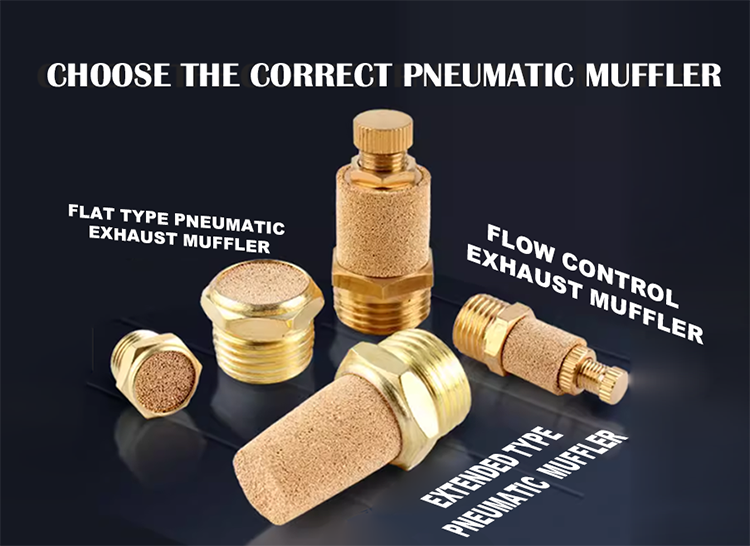
Not all mufflers perform the same function. Some applications require additional features such as integrated flow adjustment or filtration. A pneumatic muffler with flow control allows engineers to balance exhaust speed and noise reduction without introducing excessive back pressure.
The table below highlights how different muffler characteristics influence system behavior:
| Muffler Feature | Effect on Noise | Effect on Back Pressure | Typical Application |
|---|---|---|---|
| Standard pneumatic exhaust muffler | Moderate reduction | Low | General automation |
| Filter-type pneumatic muffler | Noise + particle control | Medium | Dusty environments |
| Pneumatic muffler with flow control | Adjustable | Controlled | Precision motion systems |
Selecting the right configuration helps maintain both acoustic comfort and mechanical reliability.
Beyond immediate noise reduction, proper muffler selection contributes to overall system stability. Consistent exhaust behavior improves cycle time predictability and reduces unexpected downtime caused by air-related anomalies.
For distributors and equipment builders, recommending the correct Pneumatic Muffler is not just an accessory choice—it becomes part of a broader system optimization strategy.
Effective exhaust noise control supports long-term reliability rather than acting as a temporary fix.
Excessive exhaust noise should never be ignored or treated as a purely environmental concern. It often reflects deeper pneumatic inefficiencies that gradually affect performance and component health.
By choosing the appropriate pneumatic muffler silencer based on flow rate, operating frequency, and environmental conditions, engineers and buyers can improve system stability, extend equipment lifespan, and reduce total operating costs—without complicating system design.
(FK9026)
 PVC Tubing vs Polyurethane Tubing: Choosing the Better Air Hose for Modern Pneumatic Systems
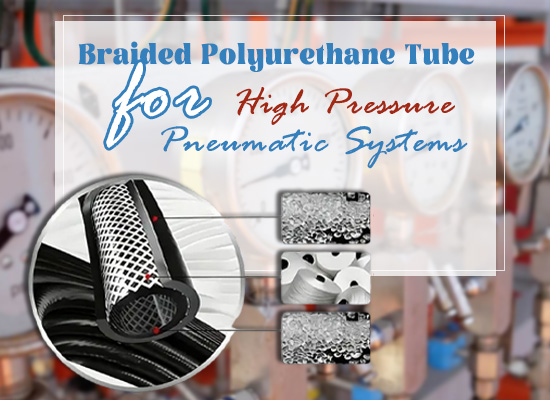 Braided Polyurethane Tube for High Pressure Pneumatic Systems
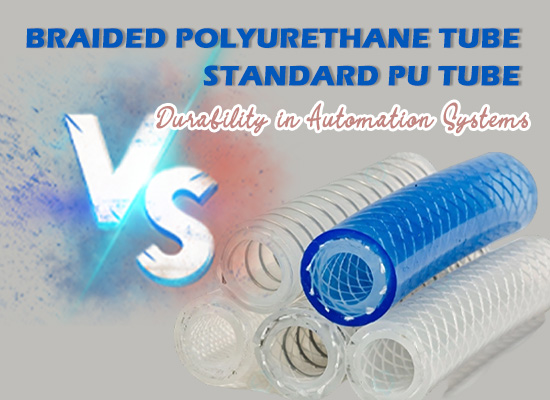 PUB Braided Polyurethane Tube vs Standard PU Tube: Durability in Automation Systems
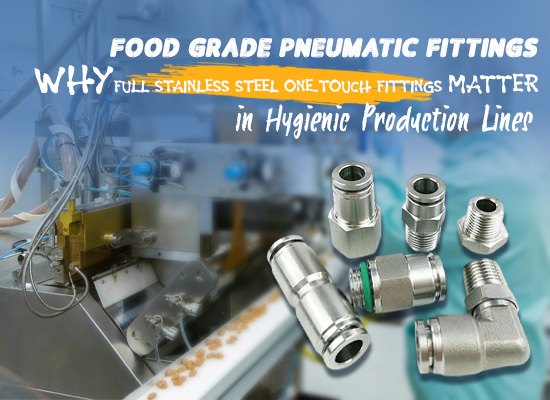 Food Grade Pneumatic Fittings: Why Full Stainless Steel One-Touch Fittings Matter in Hygienic Production Lines
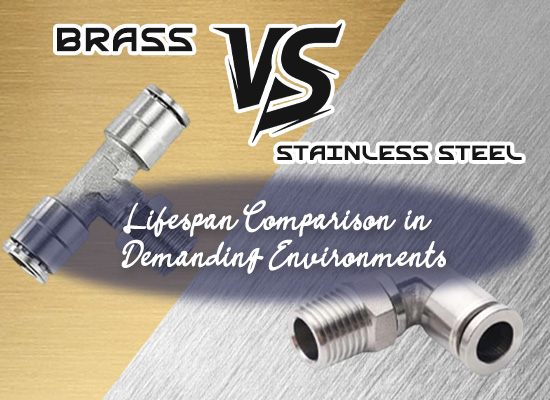 Brass vs Stainless Steel Fittings: Lifespan Comparison in Demanding Environments
You May Interest In
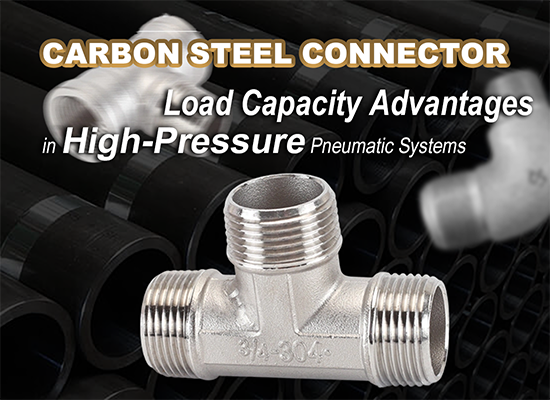
Jan 08, 2026 Blog
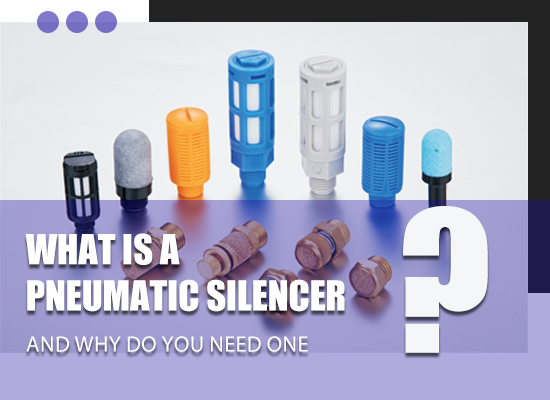
What Is a Pneumatic Silencer and Why Do You Need One
Jan 07, 2026 Blog
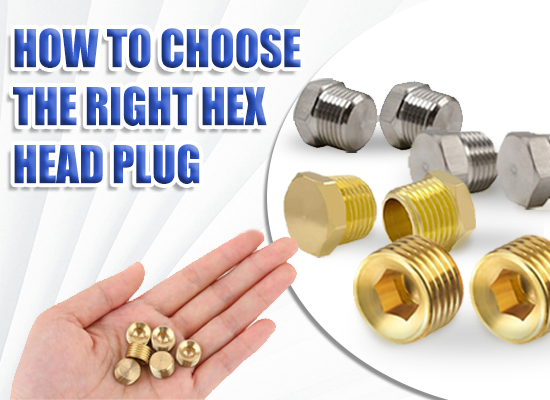
How to Choose the Right Hex Head Plug

Get a free sample

Links: www.fescolo.com(Pneumatic)
FOKCA ©1998-2025 All Rights Reserved Sitemap