
Blog
In compressed air systems, noise at the exhaust port is often the first visible sign of unstable airflow or excess back pressure.
Feb 23, 2026 Blog
PU tubing hydrolysis is a gradual material degradation process that occurs when polyurethane tubing operates in humid, high-temperature, or water-contact environments. During hydrolysis, the molecular structure of certain polyurethane formulations breaks down, leading to performance deterioration.
Feb 20, 2026 Blog
An unstable vacuum generator is one of the most common issues in automated production. Many users believe the problem comes from the device itself, yet the real causes are often related to installation and air supply.
Vacuum generator performance is largely determined by the size of its internal nozzle. Engineers often notice that two units with the same air supply can deliver very different suction results. The reason lies in the balance between vacuum level and flow rate created by the nozzle structure of a vacuum generator pneumatic.
Feb 19, 2026 Blog
Hydraulic Quick Coupling products are expected to work under high pressure, vibration, oil contamination, and frequent connection cycles. Many buyers assume stainless steel would be the natural choice, yet in real industrial systems most hydraulic quick connect coupler models are made from carbon steel with surface treatment.
Feb 18, 2026 Blog
Brass compression fittings on plastic pipe are widely used in pneumatic, water, and low-pressure fluid systems due to their durability, reliability, and ease of installation. Using them correctly ensures a secure seal and prevents deformation of the plastic tubing.
In medical devices and food processing lines, hose material is never a minor detail. Compared with a fuel rubber hose, rubber garden hose, or rubber air hose used in general industry, these sectors demand far stricter control over safety, cleanliness, and material stability.
Feb 17, 2026 Blog
In fluid transfer systems, pressure loss is rarely caused by a single factor. Pipe length, flow rate, bends, and fittings all play a role—but internal surface roughness is often underestimated. This is where PP Polypropylene Tube shows a clear advantage.
Feb 16, 2026 Blog
In pneumatic systems, controlling actuator speed seems straightforward—until inconsistent motion, pressure fluctuation, or load changes begin to affect performance. This is where the distinction between a Throttle Valve and a Flow Control Valve becomes important.
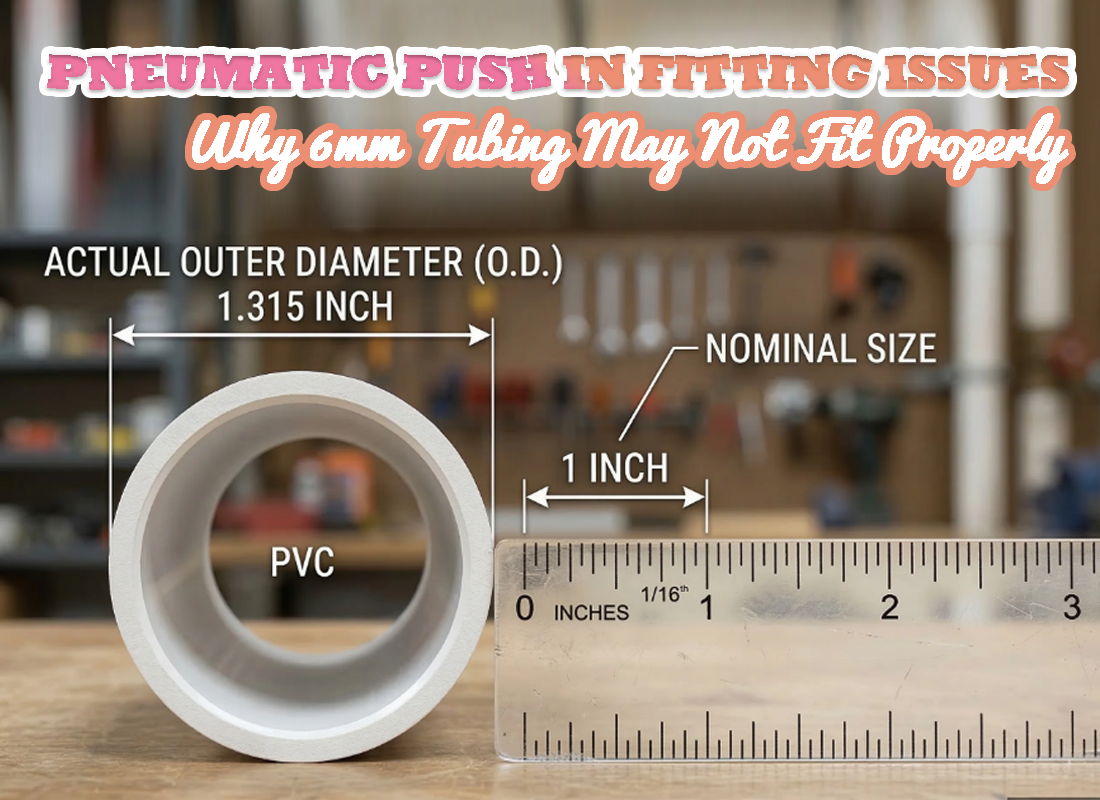
In pneumatic systems, SMC Standard Pneumatic One Touch fittings are widely trusted for their compact design and fast installation. Yet many engineers and distributors encounter the same issue: a tube that looks correct either leaks slowly or is difficult to insert.
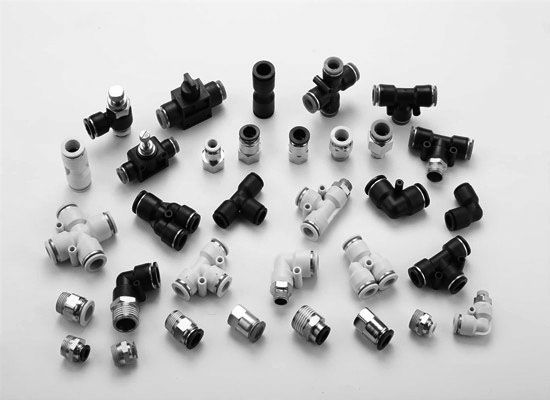
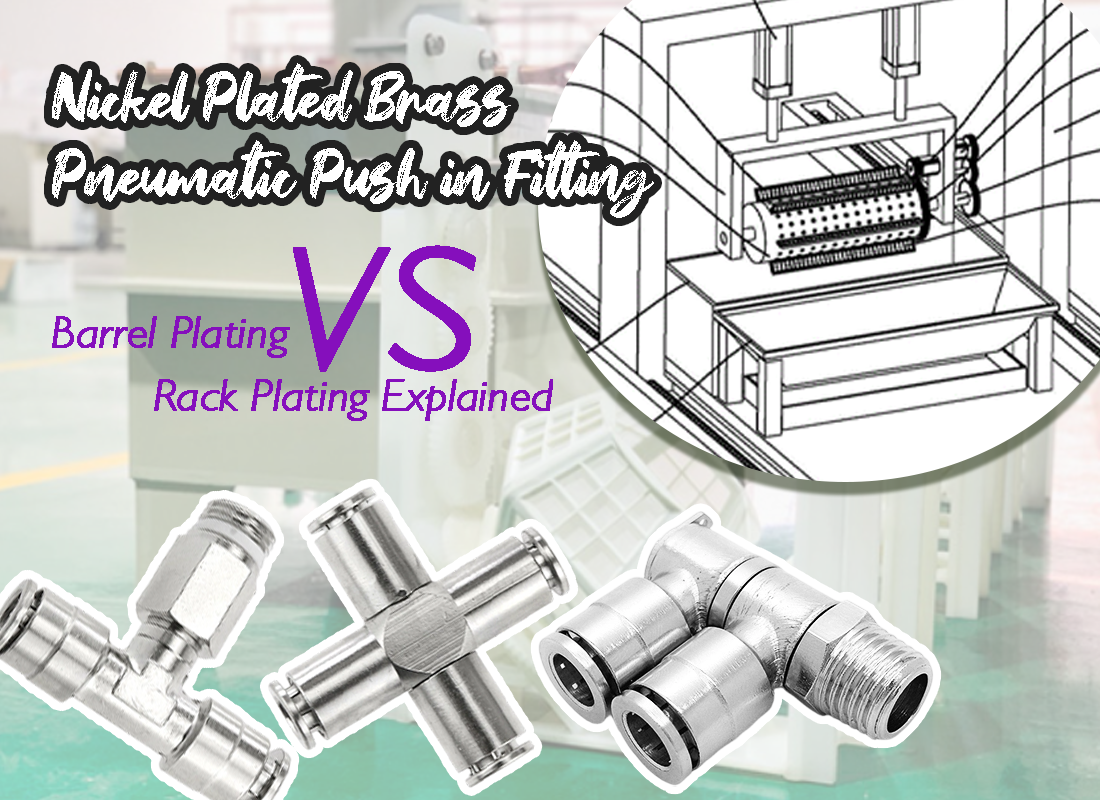
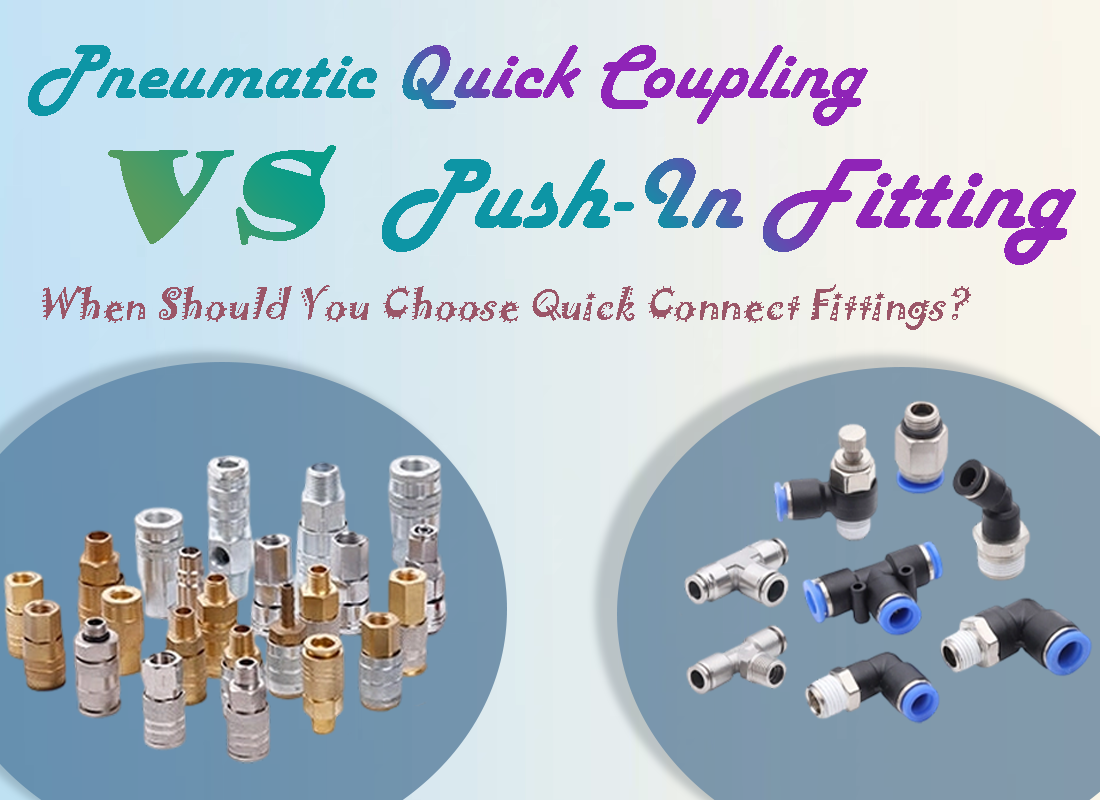
Pneumatic push in fitting is one of the commonly used pneumatic fittings in pneumatic systems, also known as quick connect or push in fittings, aimed at achieving fast and high sealing between pipelines and pneumatic equipment.
Apr 22, 2025 Blog
Nylon, as a high-performance engineering plastic tubing material, is widely used in industries such as industrial automation, automotive, medical, and pneumatic systems. Its key advantages include excellent mechanical properties, chemical resistance, high-temperature tolerance, and ease of processing.
Apr 16, 2025 Blog
PU and PVC are two popular types of hoses widely used in various industries. While both offer excellent fluid transport capabilities, they have distinct characteristics.
Apr 10, 2025 Blog
Polyurethane pipes and PVC pipes may appear similar at first glance, but they differ significantly in flexibility, durability, weight, temperature resistance, and cost-effectiveness. Polyurethane pipes are highly praised for their excellent flexibility and resistance to kinking, making them an ideal choice for dynamic or confined space applications
Feb 24, 2025 Blog
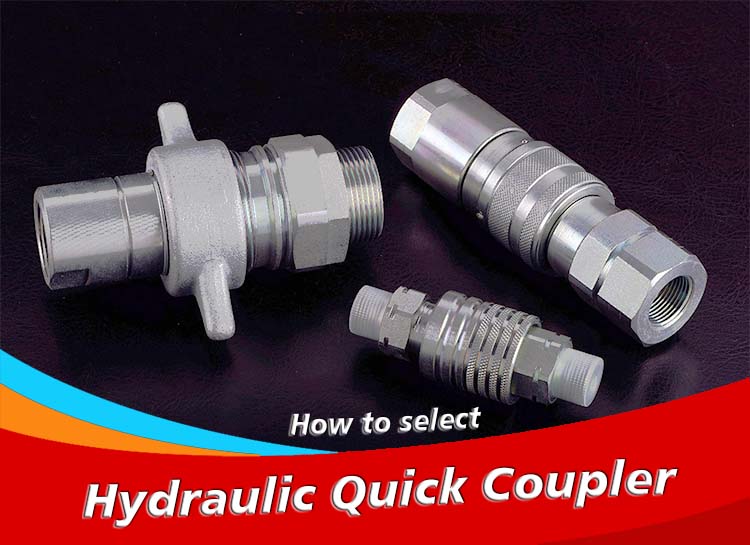
How to Identify Hydraulic Quick Couplers?Hydraulic quick couplers are essential components in hydraulic systems, providing an efficient and convenient way to connect pipelines.This blog will explain the key parameters of hydraulic quick couplers, aiming to help regular consumers choose the right hydraulic quick coupler for their needs.
Jan 21, 2025 Blog
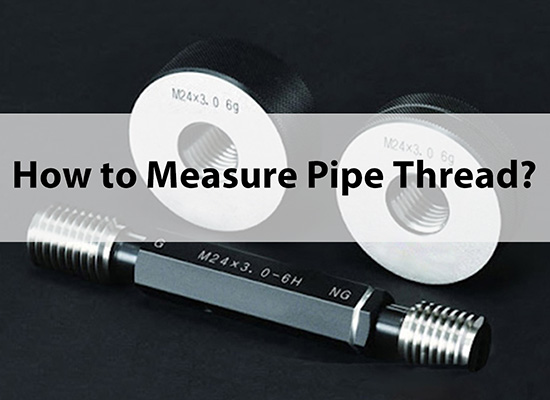
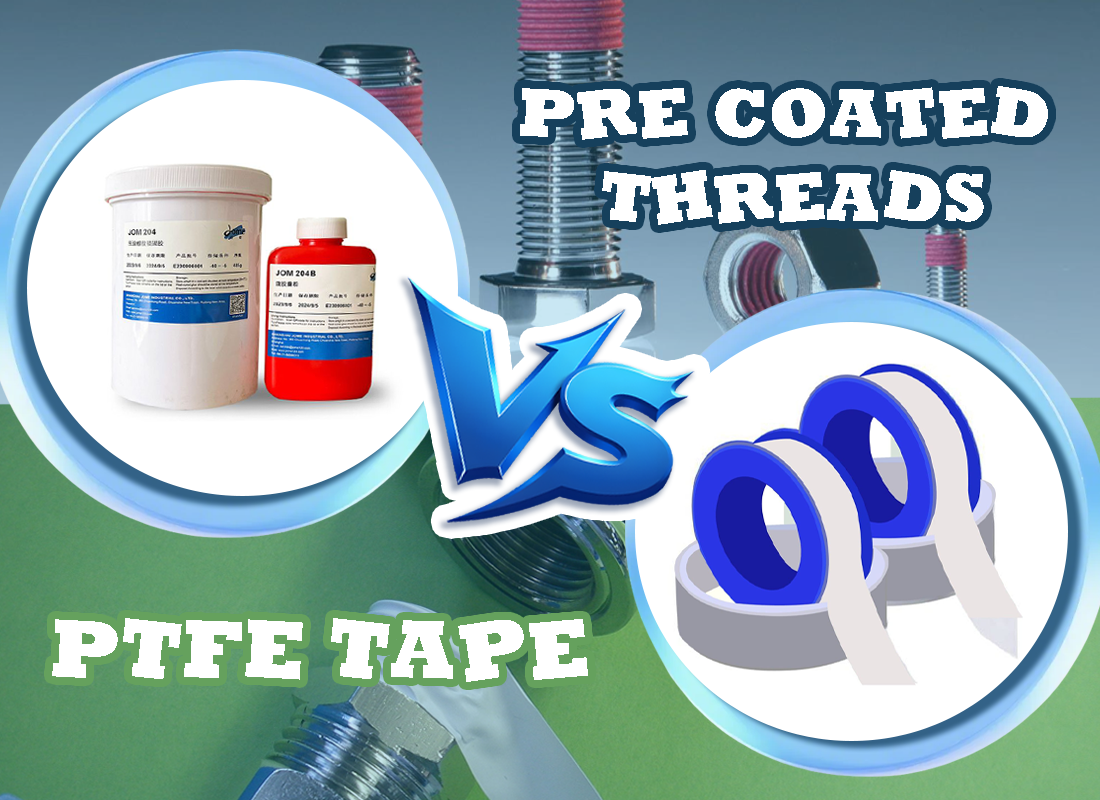
Various thread standards specify different thread parameters, including thread height, pitch, thread angle, major diameter, minor diameter, tolerance grade, and more. How can you identify which type of thread you are using among many models? Here, we will mainly discuss the thread gauge measurement method.
Jan 16, 2025 Blog
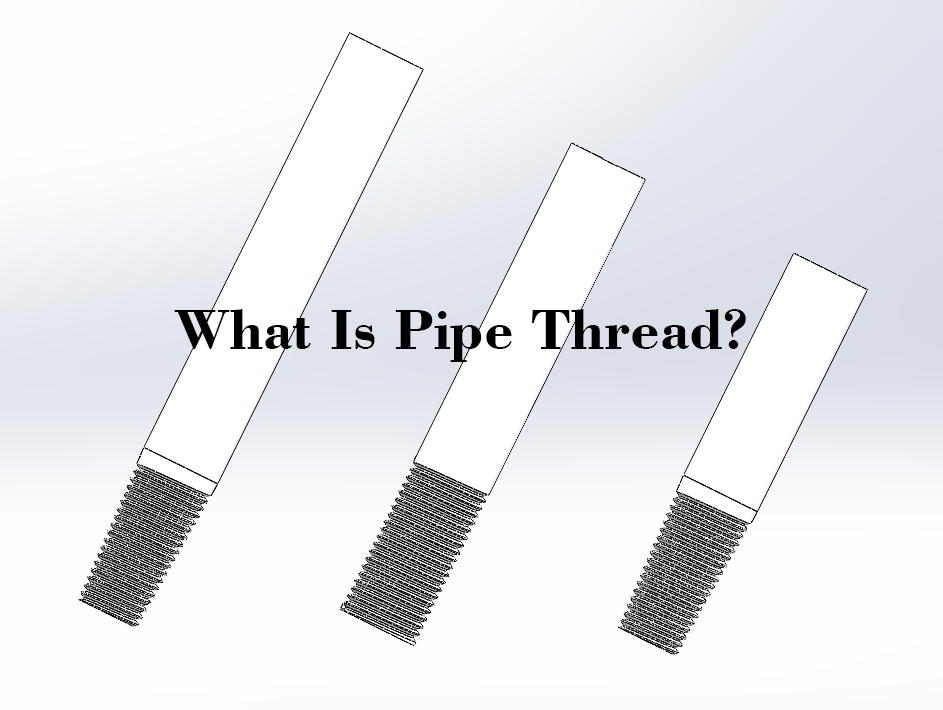
Pipe threads are a type of thread that differs from common fastening threads. They are specifically designed for connecting pipes. These threads are finer and shallower to prevent excessive weakening of the pipe wall. Pipe threads are widely used in fluid transmission systems for liquids, gases, and other media.
Dec 04, 2024 Blog
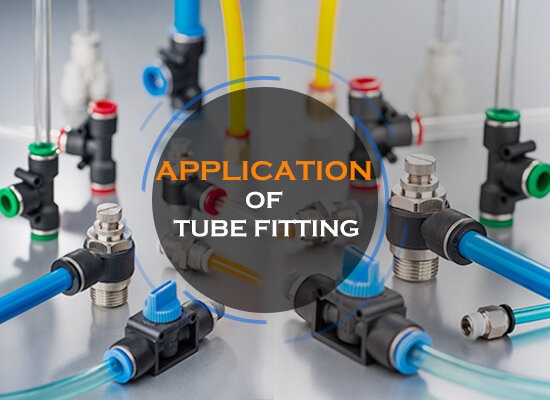
Tube Fitting is a part of a hydraulic system that connects pipes or attaches pipes to hydraulic components. It is a generic name for connectors that can be attached and detached in a fluid path.
Nov 21, 2023 Blog
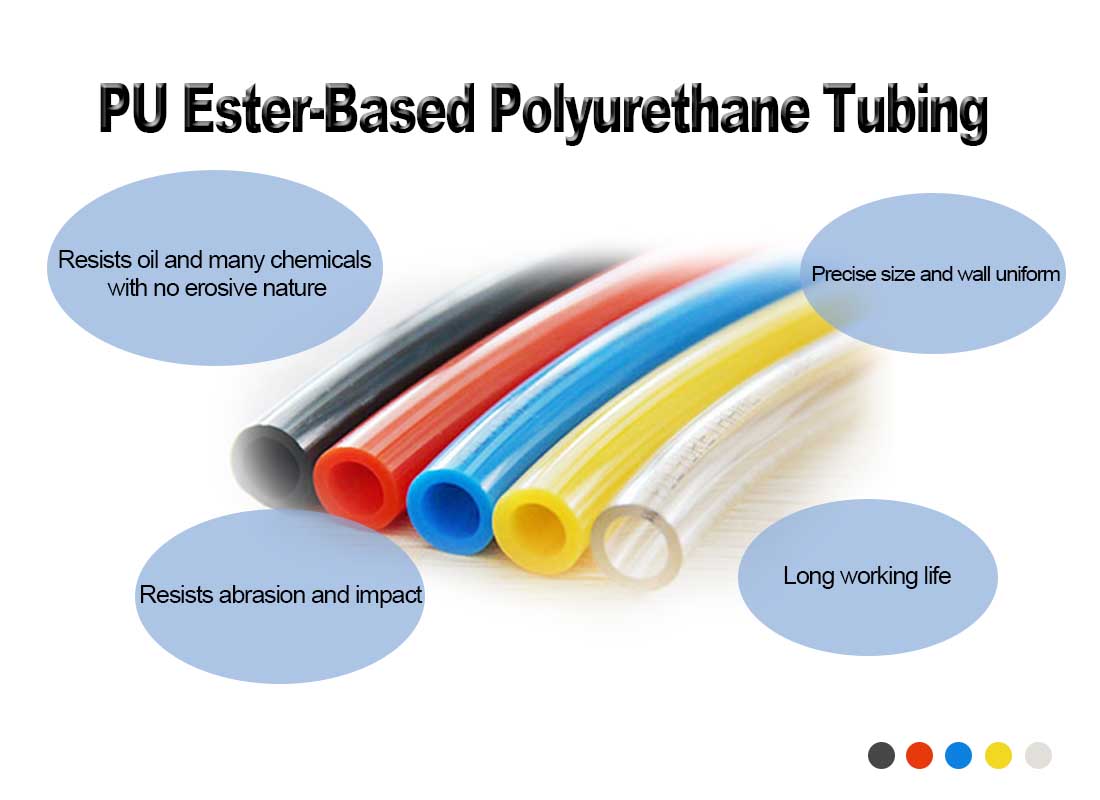
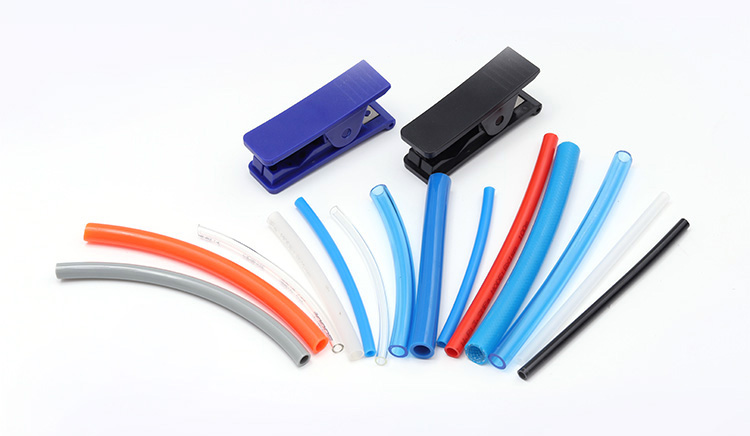
PU tubes, also known as Polyurethane tubes.PU tubes are mainly made from two different types of polyurethane materials: polyester-based polyurethane and polyether-based polyurethane.What are their performance comparisons?Polyester vs Polyether.
Jun 26, 2023 Blog
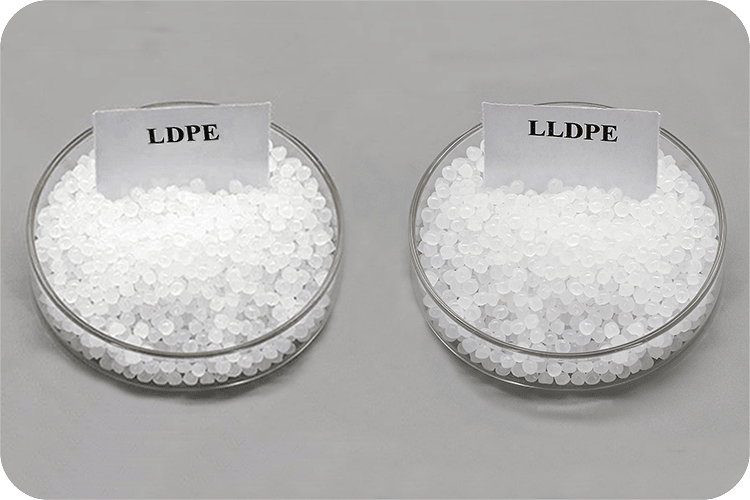
LDPE(low density polyethylene) and LLDPE(linear low density polyethylene), as two pillars in the PE family, show the diversity and excellence of plastic materials respectively.What are the specific advantages and disadvantages of those?What is the difference between LLDPE and LDPE?LDPE vs LLDPE.
Jan 17, 2023 Blog
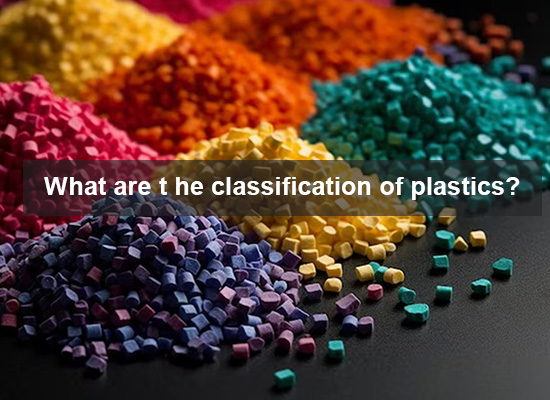
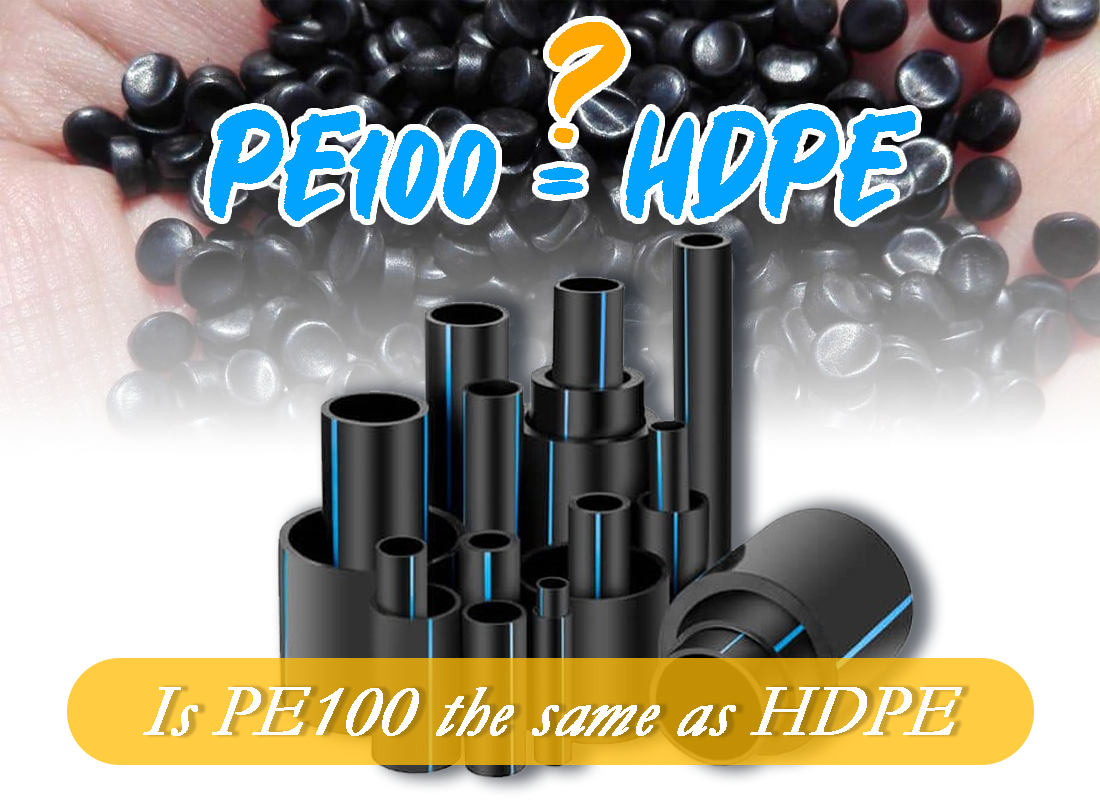
Plastic, a seemingly ordinary yet ubiquitous material, is widely used in modern industry and daily life due to its versatile forms, excellent performance, and strong versatility. However, have you ever thought about the similarities and differences between those various plastic materials?
Get a free sample
Links: www.fescolo.com(Pneumatic)
FOKCA ©1998-2025 All Rights Reserved Sitemap