Mar 20, 2026
In industrial fluid systems, materials like PE100, HDPE, and PE pipe are often used interchangeably, leading to costly selection mistakes. While both belong to the polyethylene family, they represent different classification systems. For distributors, engineers, and procurement teams, understanding this distinction is essential to ensure pressure performance, durability, and long-term reliability in applications such as water supply, gas transport, and pneumatic systems.
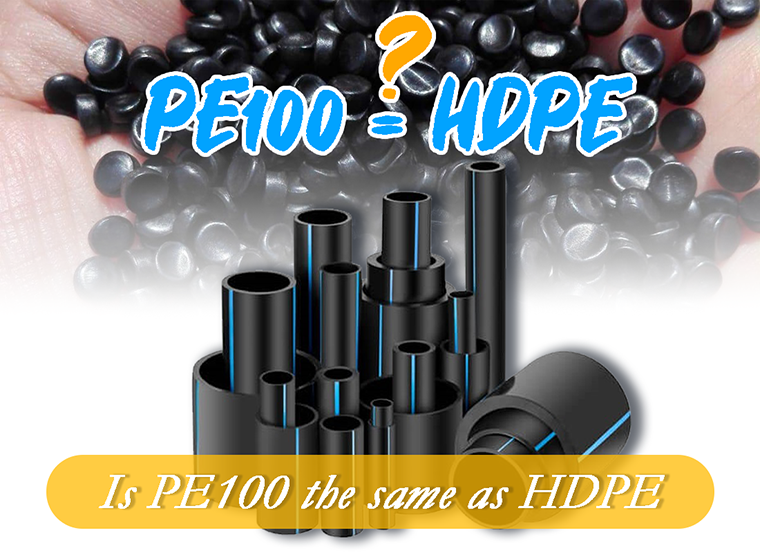
At first glance, HDPE (High-Density Polyethylene) appears to be the highest-performing PE material due to its high density and long molecular chains. However, HDPE refers to material type, while PE100 is a performance grade, defined by long-term strength under pressure.
The key relationship is simple:
1.PE100 must be made from HDPE
2.HDPE is not always PE100
Many standard HDPE materials only meet PE63 or PE80 grades unless enhanced through advanced polymerization or co-polymerization processes. This is why relying solely on “HDPE” labeling can lead to underperforming systems.
When selecting a PE100 pipe, the focus shifts from material category to mechanical performance. PE100 materials are engineered to achieve a Minimum Required Strength (MRS) of 10 MPa, making them suitable for demanding pressure applications.
Below is a simplified comparison:
| Property | PE63 | PE80 | PE100 |
|---|---|---|---|
| Minimum Strength (MPa) | 6.3 | 8.0 | 10.0 |
| Pressure Resistance | Moderate | High | Very High |
| Wall Thickness Needed | Thick | Medium | Thinner |
| Material Efficiency | Low | Medium | High |
Because of this, PE100 tube systems can achieve higher pressure ratings with thinner walls, reducing material cost while maintaining safety.
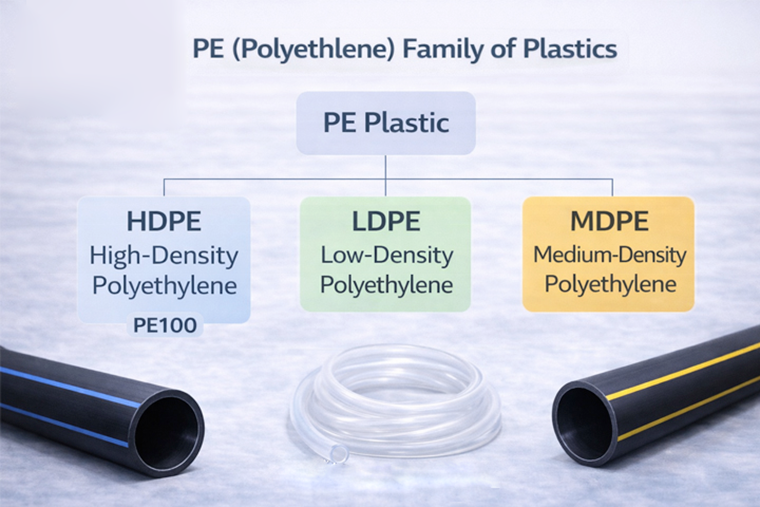
The reason HDPE serves as the base for PE100 lies in its molecular structure. Compared to LDPE and LLDPE:
◆HDPE has higher crystallinity
◆It offers greater tensile strength
◆It provides better chemical resistance
However, achieving PE100-grade performance requires controlled molecular weight distribution and advanced processing techniques. Without this refinement, HDPE remains a lower-grade material.
In practical terms, two pipes labeled HDPE may perform very differently under pressure.
In real-world systems, the difference becomes critical when matching material to application.
1.Low-pressure fluid transfer
2.Cable protection conduits
3.Non-critical drainage systems
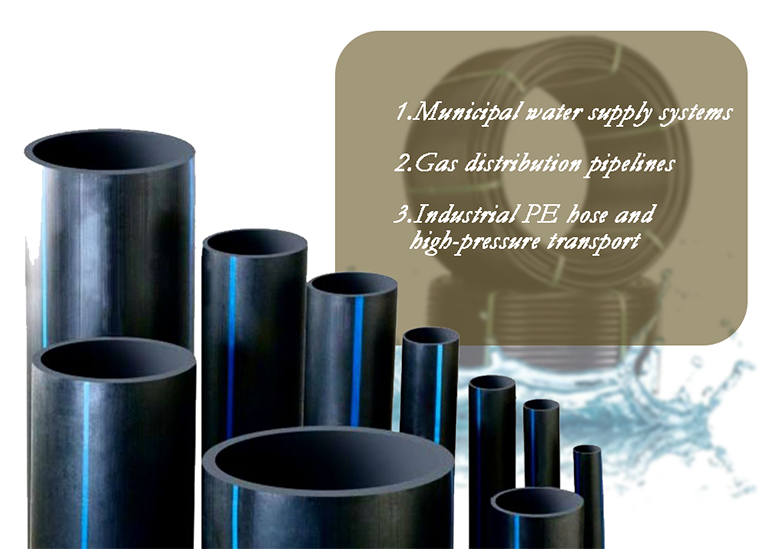
1.Municipal water supply systems
2.Gas distribution pipelines
3.Industrial PE hose and high-pressure transport
For example, a factory upgrading its compressed air system replaced standard HDPE lines with PE100 pipe, reducing leakage and improving system stability under continuous pressure.
Material selection does not stop at pipes. PE fittings must match the same grade to ensure system integrity.
Key considerations include:
◆Pressure rating alignment between pipe and fittings
◆Compatibility with electrofusion or butt welding
◆Resistance to environmental stress cracking
Using lower-grade fittings with a PE100 tube can create weak points, especially in high-cycle industrial environments.
For integrated solutions, combining pipes with reliable connectors such as [PE fittings for industrial systems] ensures consistent performance across the entire network.
Choosing between HDPE and PE100 should always be application-driven rather than cost-driven. Several practical guidelines help avoid common pitfalls:
◆Verify MRS rating instead of relying on “HDPE” labeling
◆Consider long-term pressure and temperature conditions
◆Evaluate total system cost, not just material price
◆Match pipes with compatible components like [industrial PE hose solutions]
In procurement scenarios, selecting PE100 often results in lower lifecycle costs, even if the initial material price is slightly higher.
A well-designed system is not defined by a single material but by how components work together. Whether using PE pipe, fittings, or hoses, consistency in grade and quality ensures long-term reliability.
For distributors and equipment manufacturers, offering both standard HDPE and high-performance PE100 solutions allows flexibility across different markets. In practice, the ability to supply custom PE100 tube configurations often becomes a competitive advantage in large-scale industrial projects.
When evaluating suppliers, it is worth prioritizing those who can provide material certification, customization capability, and full system support, rather than just individual products.
(FK9026)
 PVC Tubing vs Polyurethane Tubing: Choosing the Better Air Hose for Modern Pneumatic Systems
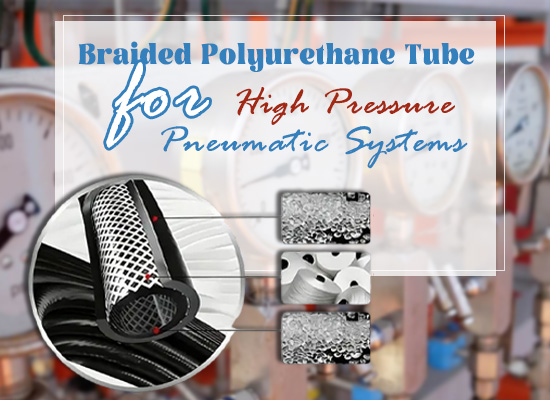 Braided Polyurethane Tube for High Pressure Pneumatic Systems
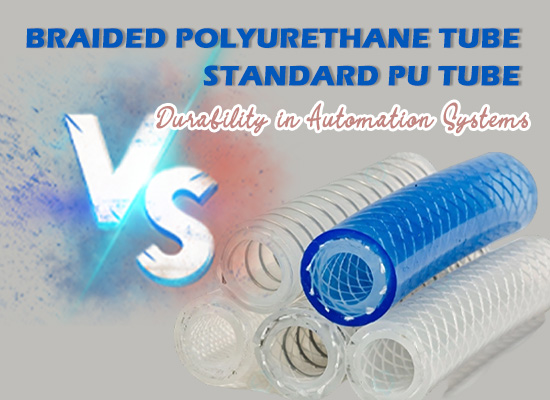 PUB Braided Polyurethane Tube vs Standard PU Tube: Durability in Automation Systems
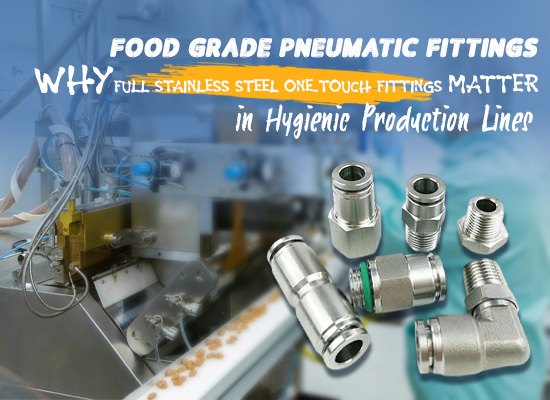 Food Grade Pneumatic Fittings: Why Full Stainless Steel One-Touch Fittings Matter in Hygienic Production Lines
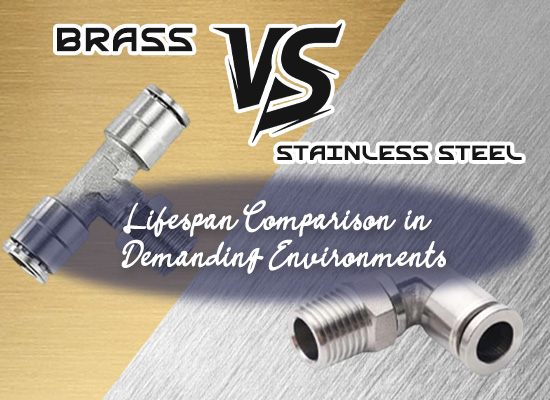 Brass vs Stainless Steel Fittings: Lifespan Comparison in Demanding Environments
You May Interest In
May 07, 2025 Blog
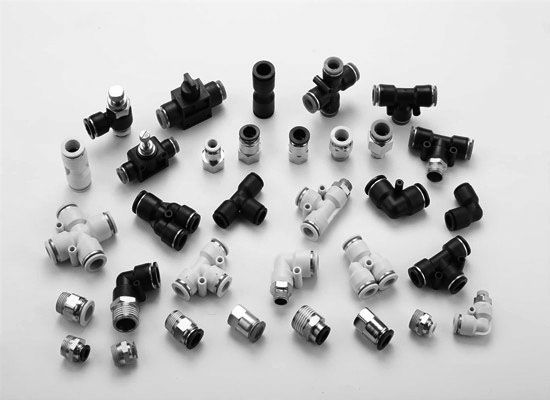
Comprehensive Analysis of Pneumatic Push in Fittings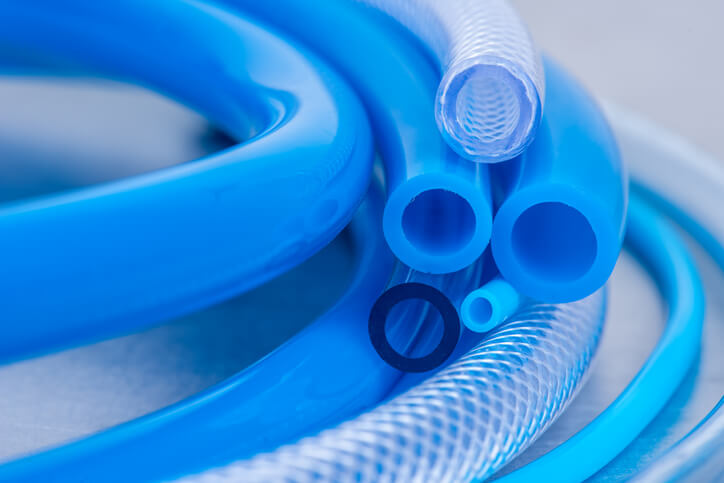
Apr 22, 2025 Blog
Solution for Nylon Tube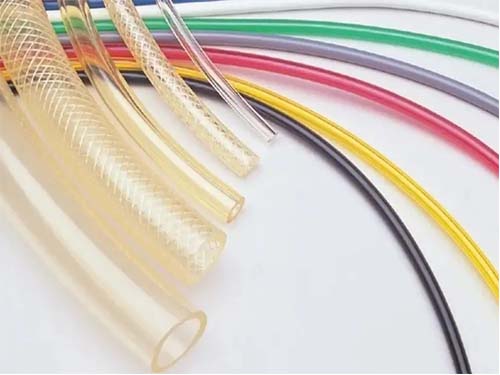
Apr 16, 2025 Blog
PVC Tubing vs. Polyurethane Tubing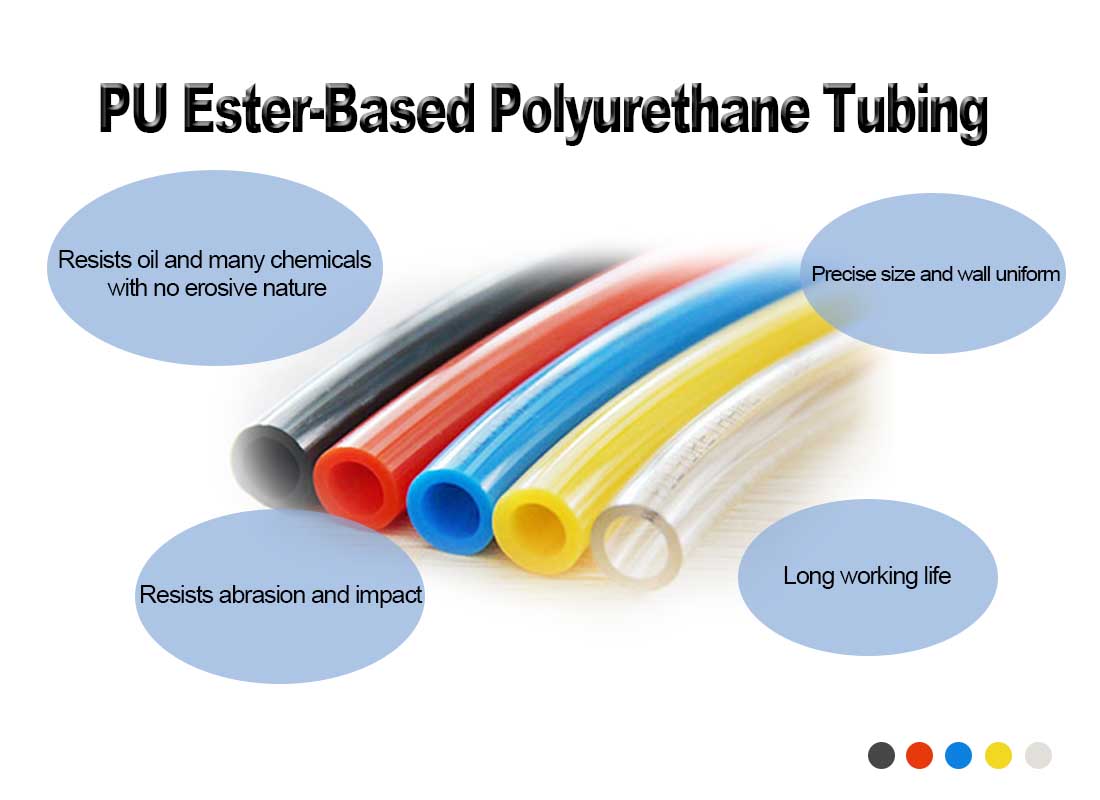
Apr 10, 2025 Blog
What is the difference between pu and pvc
Feb 24, 2025 Blog
How to Identify Hydraulic Quick Couplers?
Jan 21, 2025 Blog
How to Measure Pipe Thread?
Jan 16, 2025 Blog
What Is Pipe thread?
Dec 04, 2024 Blog
Application Of Tube Fitting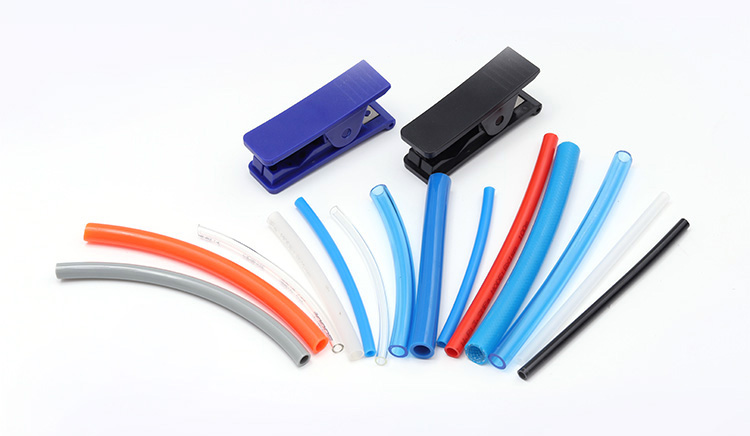
Jun 26, 2023 Blog
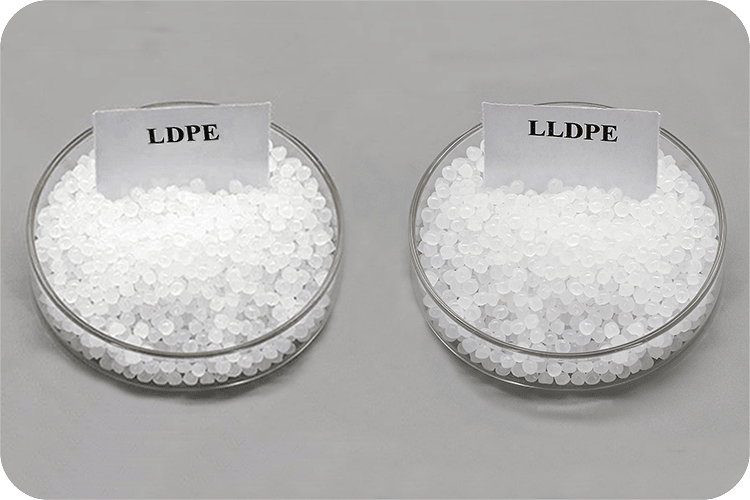
What Is The Difference Between LLDPE And LDPE?
Jan 17, 2023 Blog
What Are The Classification Of Plastics?
Get a free sample

Links: www.fescolo.com(Pneumatic)
FOKCA ©1998-2025 All Rights Reserved Sitemap