Mar 23, 2026
In pneumatic systems, even a small leakage at the air fitting thread can lead to pressure instability, energy waste, and repeated maintenance. For engineers and buyers working with pneumatic fittings, choosing the right thread sealing method is not just a detail—it directly affects installation efficiency and long-term reliability. The two most common solutions are PTFE tape and pre-coated threads, each with distinct advantages depending on the application.
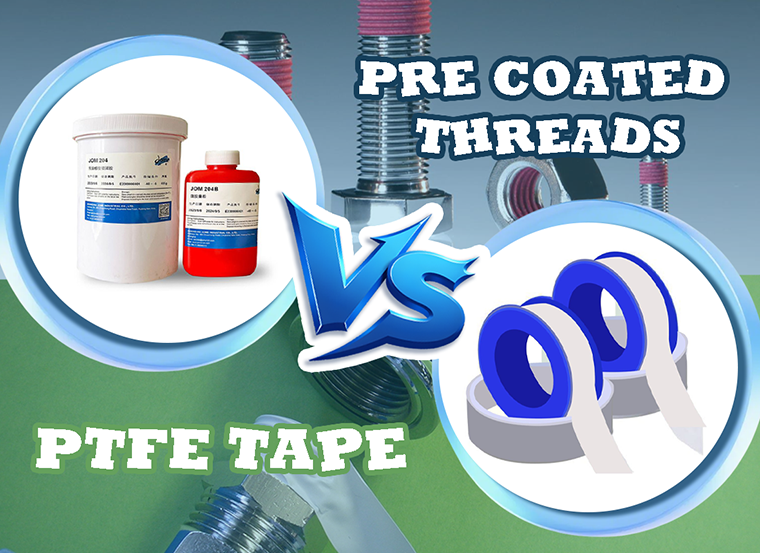
Threaded connections in pneumatic push in fitting and quick connect air fitting designs are not inherently airtight. Micro gaps between male and female threads allow compressed air to escape unless properly sealed.
This becomes more critical in high-cycle systems using pneumatic quick coupling, where pressure fluctuations amplify leakage risks. Proper thread sealing ensures consistent pressure and reduces energy loss, especially in automated production environments.
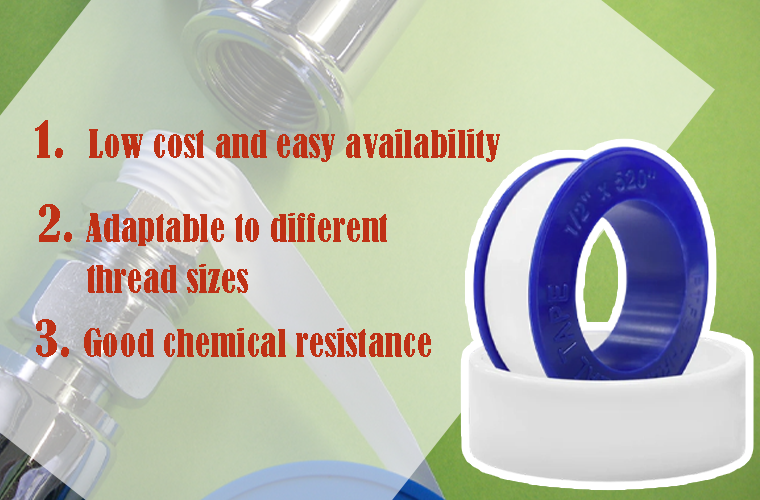
PTFE tape, commonly known as thread seal tape, is one of the most widely used sealing methods in pneumatic fittings. It is wrapped around the male thread before installation, filling gaps and creating a tight seal.
Its main advantages include:
1.Low cost and easy availability
2.Adaptable to different thread sizes
3.Good chemical resistance
However, installation quality heavily depends on operator skill. Uneven wrapping or insufficient layers can cause leakage, while excessive tape may contaminate the system. In fast-paced assembly lines, inconsistency is a common issue.
Pre-coated threads come with a factory-applied sealing layer, eliminating the need for manual tape application. This method is increasingly used in high-volume production involving quick connect air fitting and modular pneumatic systems.
Key benefits include:
1.Consistent sealing performance across installations
2.Faster assembly with reduced labor time
3.Cleaner installation without debris risk
For distributors and OEM customers, this translates to improved assembly efficiency and fewer installation errors. It is particularly valuable in automated equipment manufacturing where repeatability is critical.
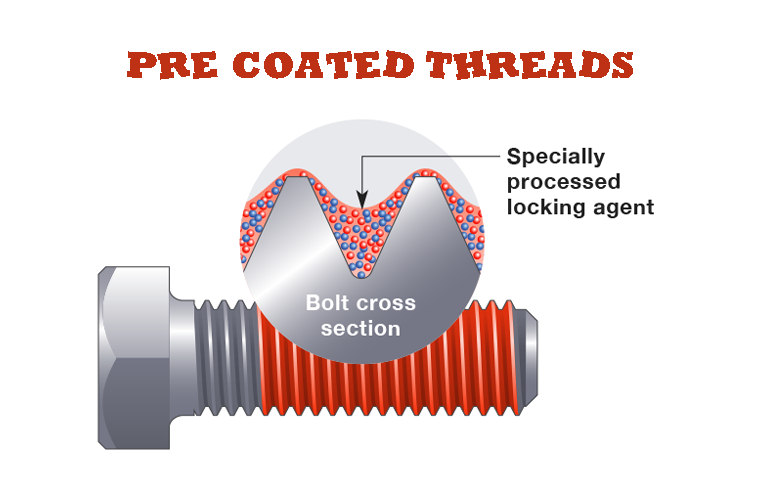
To better understand the differences, the table below highlights key factors:
| Criteria | PTFE Tape | Pre-Coated Threads |
|---|---|---|
| Installation speed | Manual, slower | Fast, ready-to-use |
| Sealing consistency | Depends on operator | Highly consistent |
| Risk of contamination | Possible (tape fragments) | Minimal |
| Cost | Low initial cost | Slightly higher unit cost |
| Maintenance frequency | Moderate | Lower over time |
According to industrial assembly data, pre-coated sealing can reduce installation time by up to 30% in batch production environments.
Selection depends on how and where the pneumatic fittings are used. For maintenance work or low-volume installations, PTFE tape remains practical and flexible. It allows adjustments and is easy to apply on-site.
In contrast, for OEM production, automated lines, or systems using standardized pneumatic push in fitting, pre-coated threads offer clear advantages. They reduce variability and improve overall system reliability, which is critical for long-term operation.
When integrating with components like
A machinery manufacturer once faced recurring micro-leakage issues in their assembly process. The root cause was inconsistent PTFE tape application across different operators. After switching to pre-coated air fitting thread designs, leakage complaints dropped significantly.
The improvement came not from redesigning the system, but from standardizing the sealing method.
In pneumatic systems, thread sealing is often overlooked, yet it plays a decisive role in performance and efficiency. Whether using PTFE tape or pre-coated threads, the key is matching the method to the application environment. For engineers and procurement teams, understanding this difference helps ensure that every quick connect air fitting performs reliably from installation to long-term operation.
(FK9026)
 PVC Tubing vs Polyurethane Tubing: Choosing the Better Air Hose for Modern Pneumatic Systems
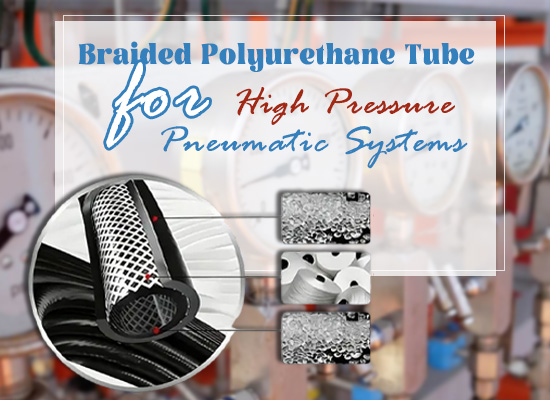 Braided Polyurethane Tube for High Pressure Pneumatic Systems
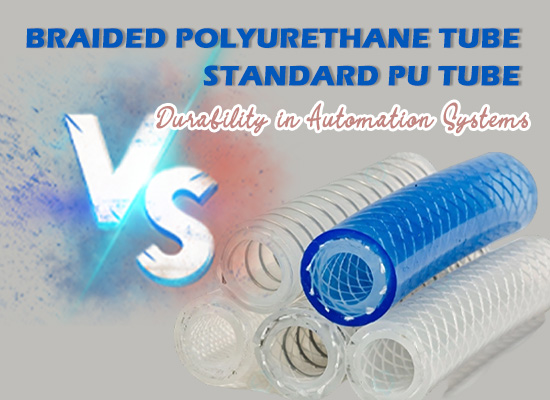 PUB Braided Polyurethane Tube vs Standard PU Tube: Durability in Automation Systems
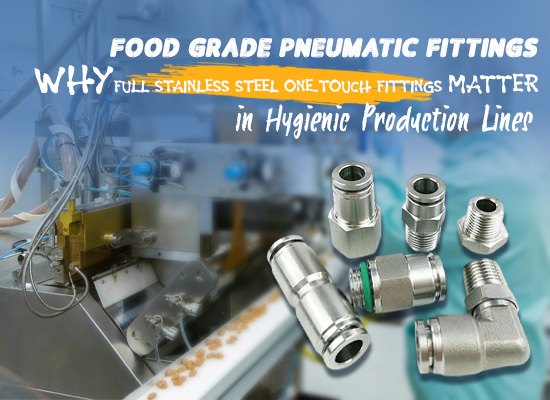 Food Grade Pneumatic Fittings: Why Full Stainless Steel One-Touch Fittings Matter in Hygienic Production Lines
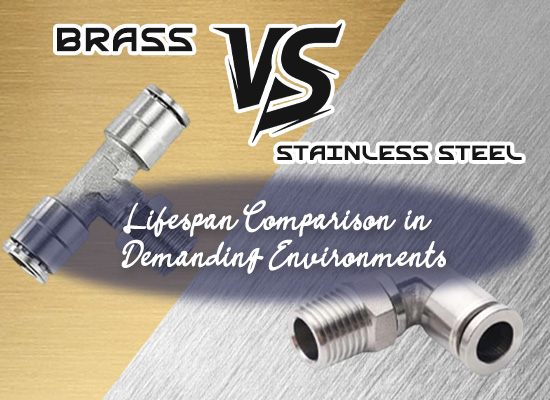 Brass vs Stainless Steel Fittings: Lifespan Comparison in Demanding Environments
You May Interest In
May 07, 2025 Blog
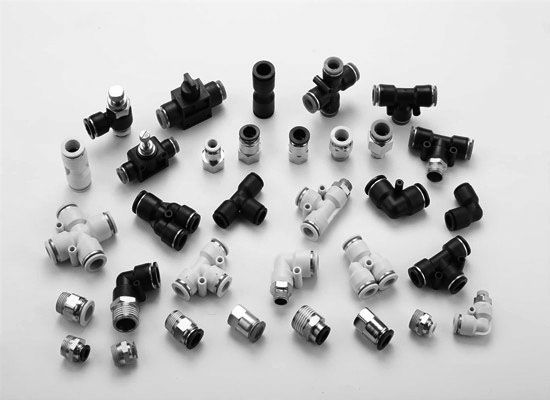
Comprehensive Analysis of Pneumatic Push in Fittings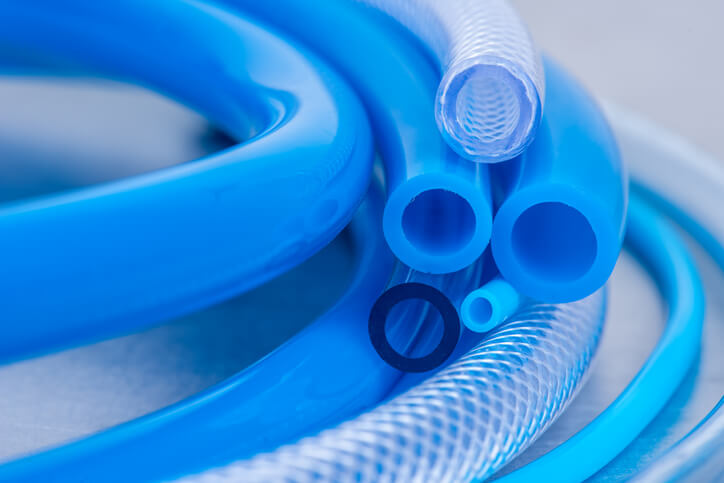
Apr 22, 2025 Blog
Solution for Nylon Tube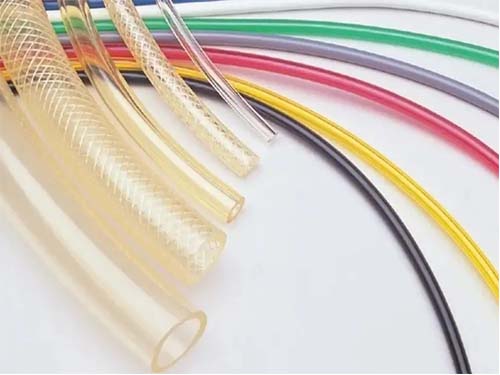
Apr 16, 2025 Blog
PVC Tubing vs. Polyurethane Tubing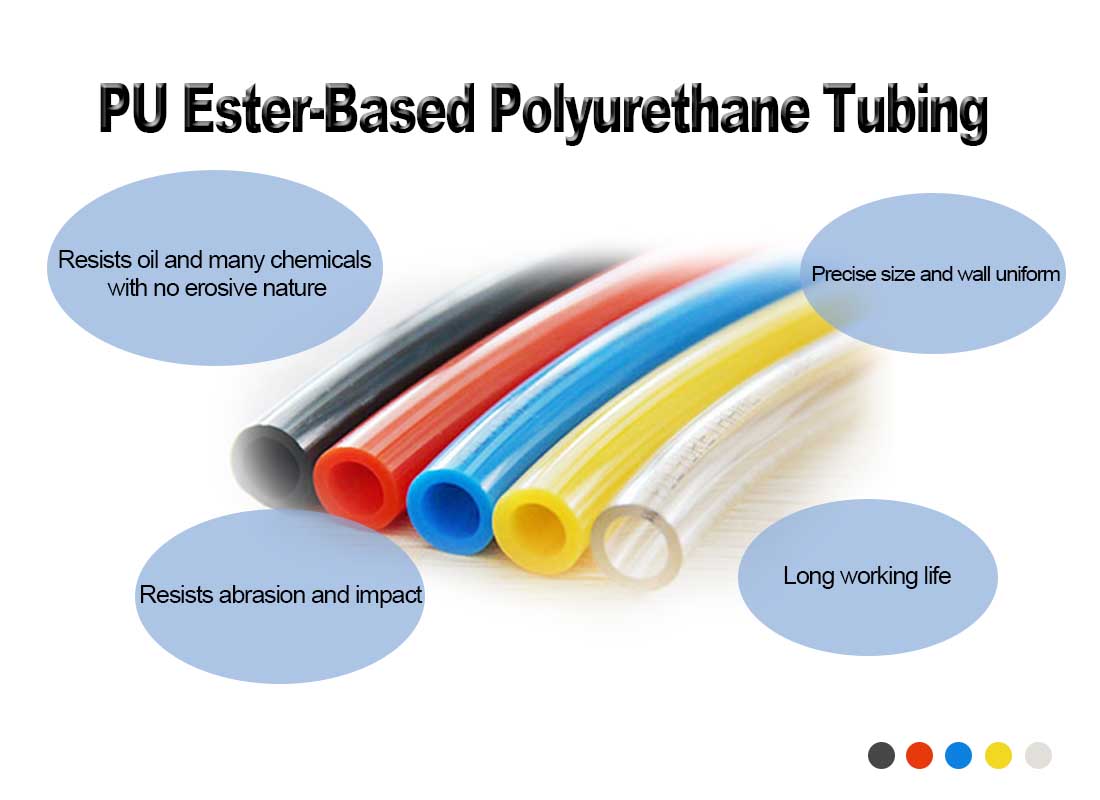
Apr 10, 2025 Blog
What is the difference between pu and pvc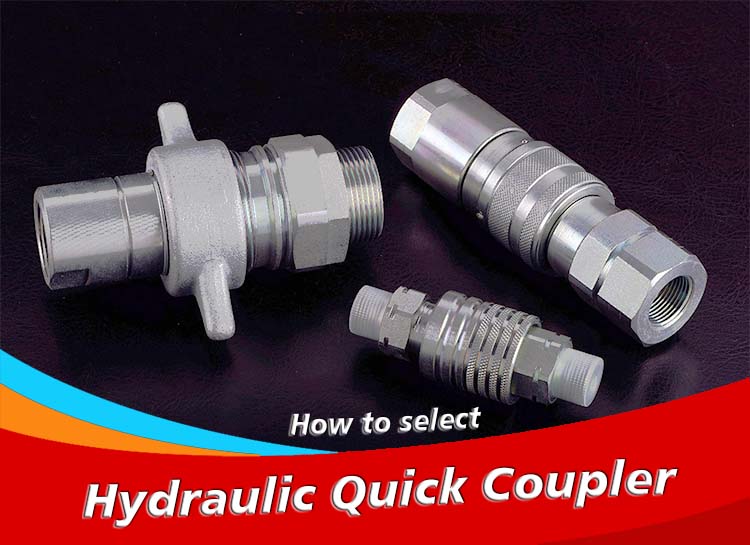
Feb 24, 2025 Blog
How to Identify Hydraulic Quick Couplers?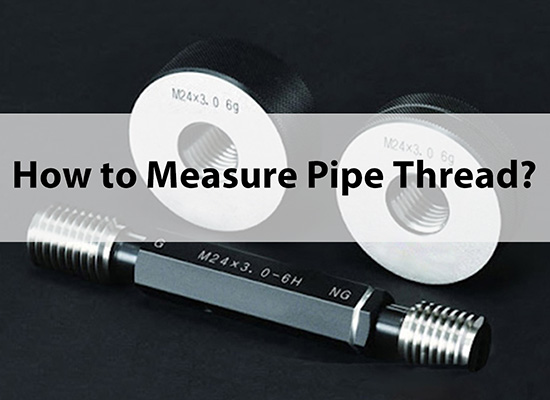
Jan 21, 2025 Blog
How to Measure Pipe Thread?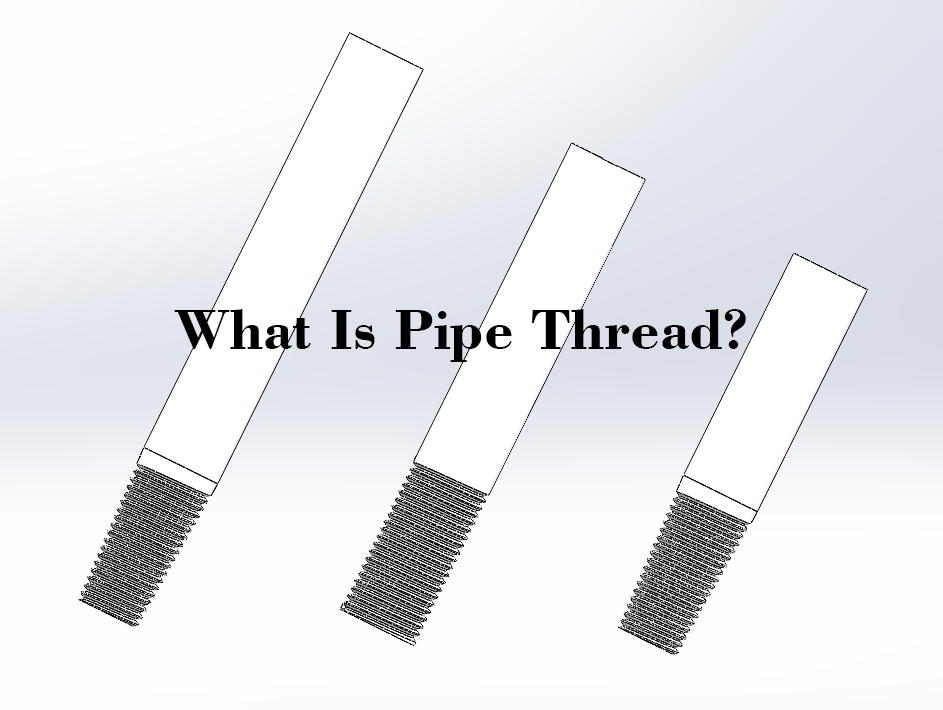
Jan 16, 2025 Blog
What Is Pipe thread?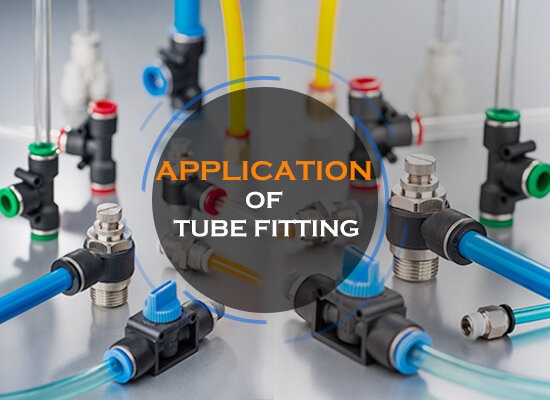
Dec 04, 2024 Blog
Application Of Tube Fitting
Jun 26, 2023 Blog
What Is The Difference Between LLDPE And LDPE?
Jan 17, 2023 Blog
What Are The Classification Of Plastics?
Get a free sample

Links: www.fescolo.com(Pneumatic)
FOKCA ©1998-2025 All Rights Reserved Sitemap