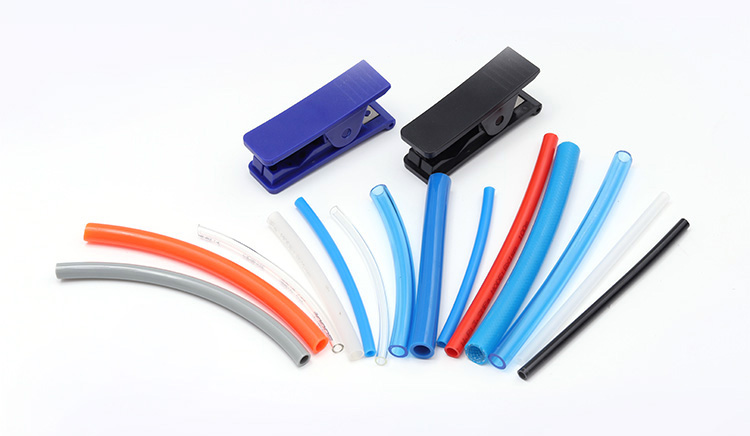
In many pneumatic systems, engineers assume that 6mm tubing will always match a 6mm pneumatic push in fitting. However, installation issues such as air leakage or tubing slipping out are surprisingly common. The root cause is rarely the fitting itself, but the difference between nominal pneumatic tubing size and actual outer diameter tolerance. Understanding this gap is essential for achieving a reliable air fitting connection in real-world applications.
Nominal Size vs Actual OD in Pneumatic Tubing
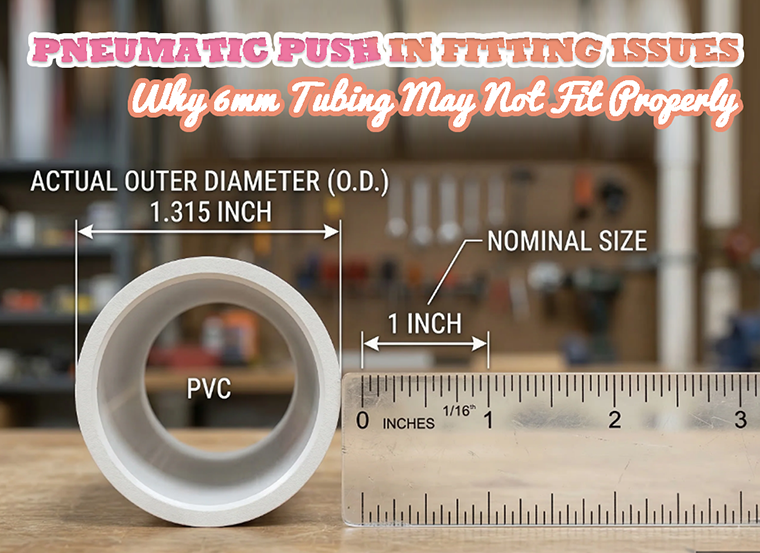
At first glance, “6mm” seems straightforward. In practice, it only represents a nominal size, not the exact outer diameter. Manufacturers produce pneumatic tubing with allowable tolerances, meaning the real OD may vary.
For example, a 6mm tube might actually measure anywhere between 5.85mm and 6.10mm, depending on material and production process. This small variation directly affects sealing performance, especially in precision-designed push-in connections.
How Tubing Tolerance Affects Pneumatic Push In Fitting Performance
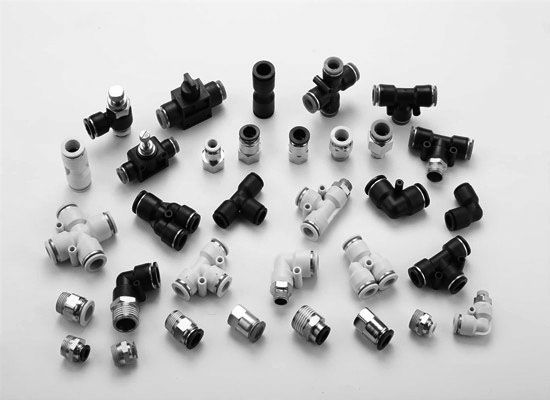
A pneumatic push in fitting relies on two key elements: the collet (grip) and the O-ring (seal). Both are designed for a specific tubing OD range.
When tubing falls outside the optimal tolerance:
1.Too small → insufficient O-ring compression → leakage
2.Too large → difficult insertion or seal damage
3.Irregular OD → unstable grip and micro-movement
Even a 0.1mm deviation can significantly impact sealing reliability, particularly in high-pressure or high-cycle systems.
Comparison: Ideal vs Problematic Tubing Dimensions
To better illustrate the impact of tolerance, the table below shows typical scenarios:
| Tubing OD Condition | Fit in Push In Fitting | Result |
|---|
| Within tolerance | Smooth insertion | Stable sealing |
| Slightly undersized | Loose fit | Air leakage risk |
| Slightly oversized | Hard to insert | Seal damage possible |
| Out-of-round tubing | Uneven contact | Unstable connection |
Field observations in automation workshops show that mismatched tubing is one of the top causes of pneumatic leakage issues.
Material Differences Also Influence Tubing Size Stability
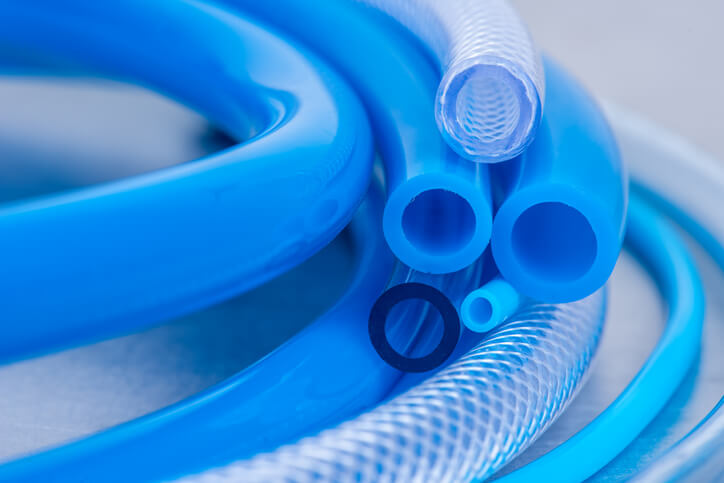
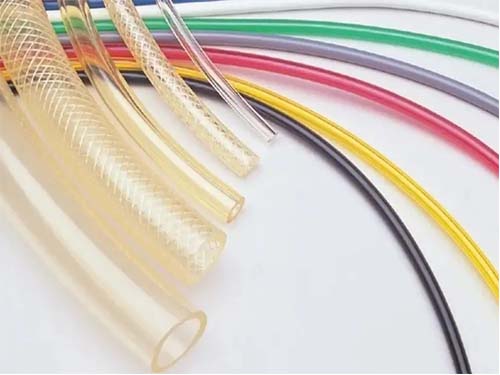
Not all pneumatic tubing behaves the same, even if labeled 6mm. Material properties play a major role:
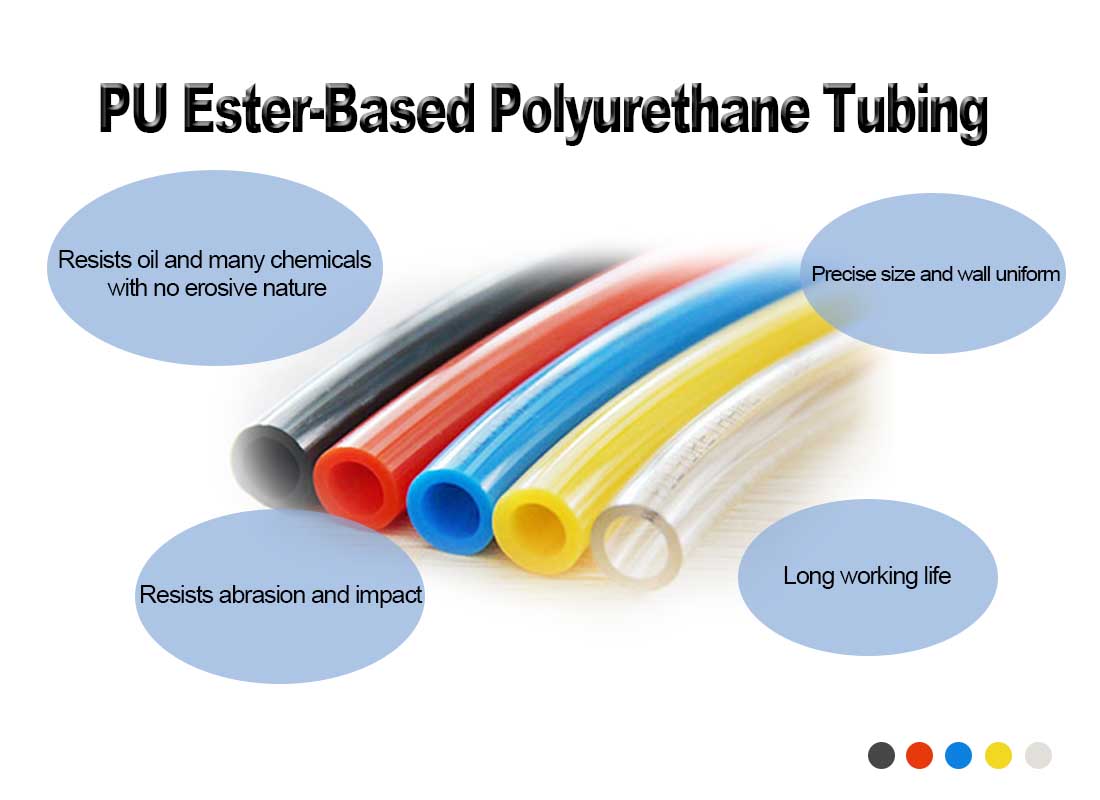
1.PU tubing: more flexible, higher tolerance variation
2.Nylon (PA): more rigid, tighter dimensional stability
3.PVC tubing: can expand slightly under pressure or temperature
This explains why the same air fitting connection may work perfectly with one tubing type but fail with another.
Flexibility and hardness both influence how the tubing interacts with the sealing structure.
Practical Selection Tips for Engineers and Buyers
To avoid mismatch issues in pneumatic fittings, several practical steps can improve reliability:
◆Verify tubing OD tolerance specifications, not just nominal size
◆Use tubing and fittings from matched or tested suppliers
◆Avoid mixing metric and inch systems in the same setup
◆Check tubing roundness and surface condition before installation
For applications requiring stable performance, pairing high-quality tubing with
pneumatic push in fittings, quick connect air fittings, and compatible pneumatic tubing solutions ensures better consistency across the system.
A Common Real-World Scenario
A distributor once reported frequent complaints about leakage in 6mm systems. After inspection, the fittings were within specification, but the tubing came from multiple suppliers with inconsistent tolerances.
Once the customer standardized to a single controlled-tolerance pneumatic tubing size, the issue was resolved without changing the fittings.
The problem was not the connection design—it was dimensional inconsistency.
In pneumatic systems, “6mm” is only a reference, not a guarantee. The real performance of a pneumatic push in fitting depends on how precisely the tubing matches its design tolerance. For engineers and procurement teams, paying attention to tubing tolerance is a simple but critical step toward eliminating leakage, improving stability, and reducing long-term maintenance costs.
(FK9026)

 PVC Tubing vs Polyurethane Tubing: Choosing the Better Air Hose for Modern Pneumatic Systems
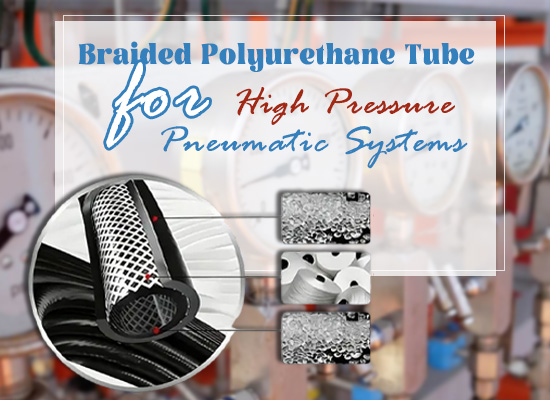 Braided Polyurethane Tube for High Pressure Pneumatic Systems
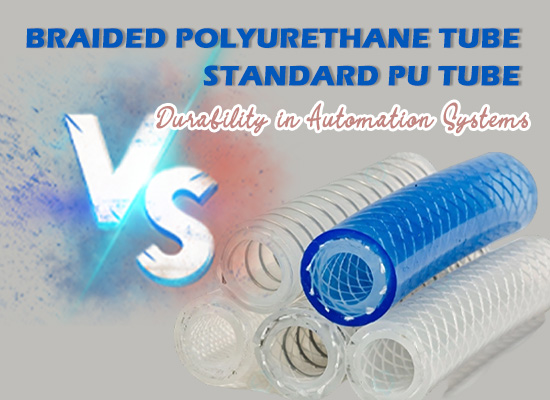 PUB Braided Polyurethane Tube vs Standard PU Tube: Durability in Automation Systems
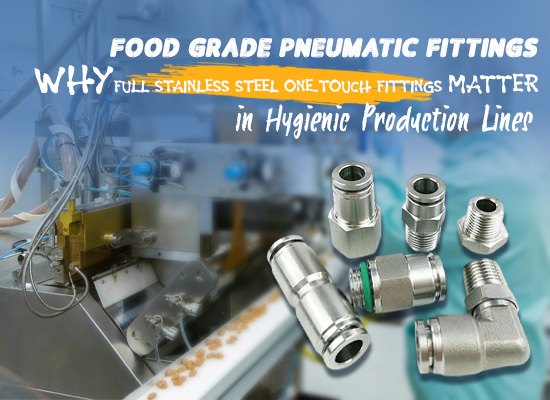 Food Grade Pneumatic Fittings: Why Full Stainless Steel One-Touch Fittings Matter in Hygienic Production Lines
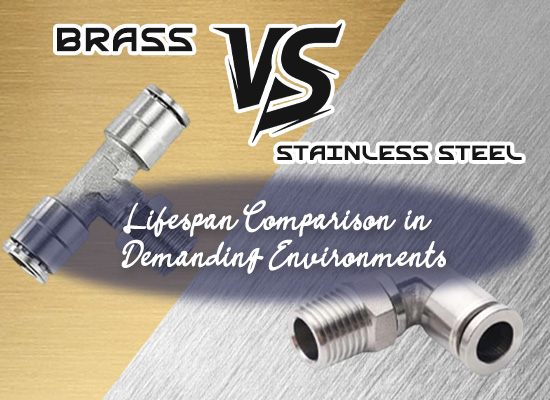 Brass vs Stainless Steel Fittings: Lifespan Comparison in Demanding Environments