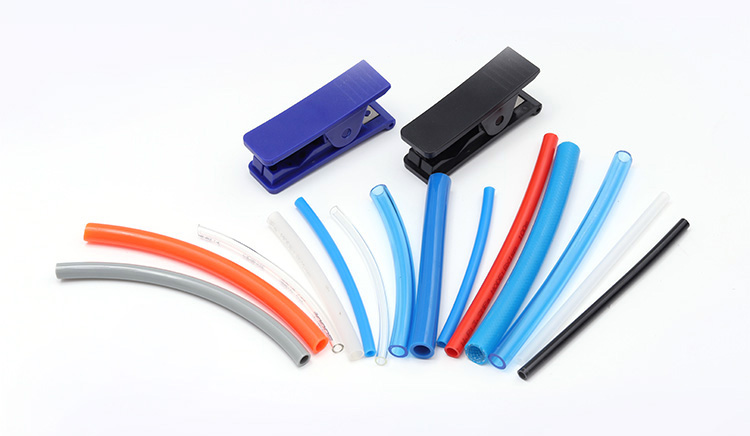
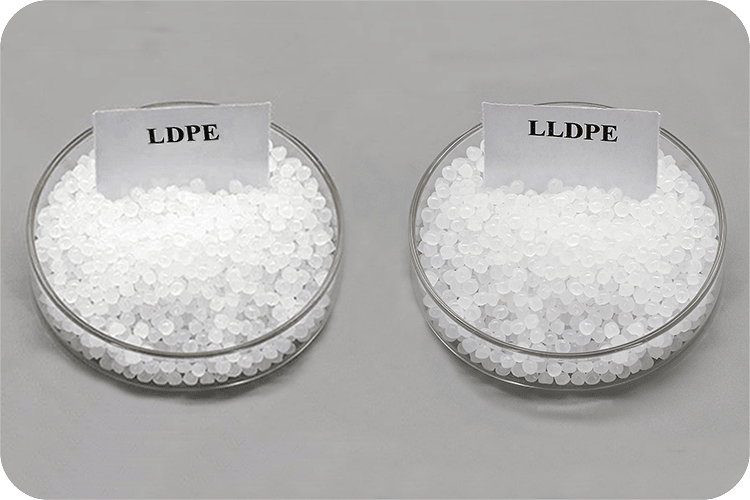
In modern fluid systems, material selection directly affects durability, safety, and lifecycle cost. PE 100 is widely recognized as the highest classification in polyethylene pressure piping, especially in PE 100 tube applications. Defined by ISO standards, it offers minimum required strength (MRS) of 10 MPa at 20°C over 50 years, making it a preferred option for engineers and distributors seeking long-term reliability.
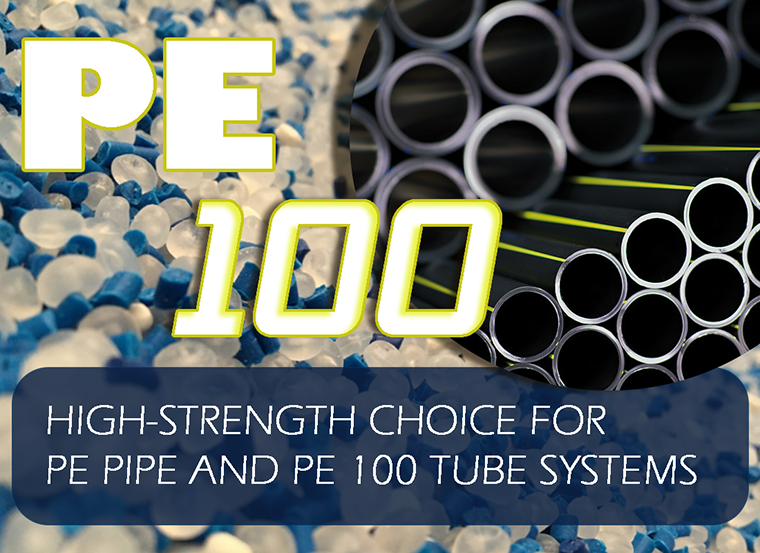
What Defines PE 100 in HDPE Materials
Understanding the classification helps avoid costly misselection. PE 100 belongs to the HDPE (High-Density Polyethylene) family, but not all HDPE qualifies as PE 100.
The key lies in long-term strength performance rather than just density.
| Material Grade | MRS (MPa) | Typical Use |
|---|
| PE63 | 6.3 | Low-pressure systems |
| PE80 | 8.0 | Medium pressure piping |
| PE100 | 10.0 | High-performance pressure systems |
Higher MRS means stronger resistance to internal pressure over time. This allows PE 100 pipe systems to maintain integrity even in demanding environments.
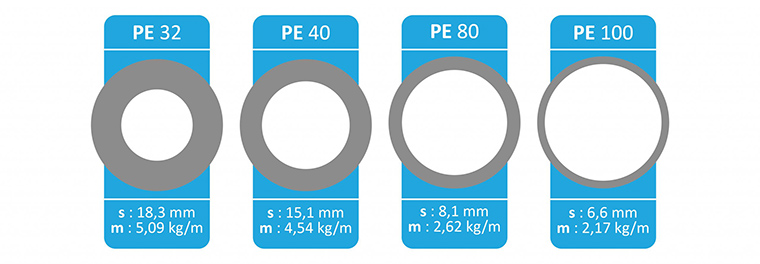
Why PE 100 Pipe Offers Structural Advantages
Compared to older materials like PE80, PE 100 pipe can achieve the same pressure rating with thinner walls. This creates several practical benefits:
1.Reduced weight, easier handling and installation
2.Lower material consumption, improving cost efficiency
3.Increased internal diameter, enhancing flow capacity
In real projects, this often translates into faster installation and lower transportation costs, especially for large-diameter pipelines.
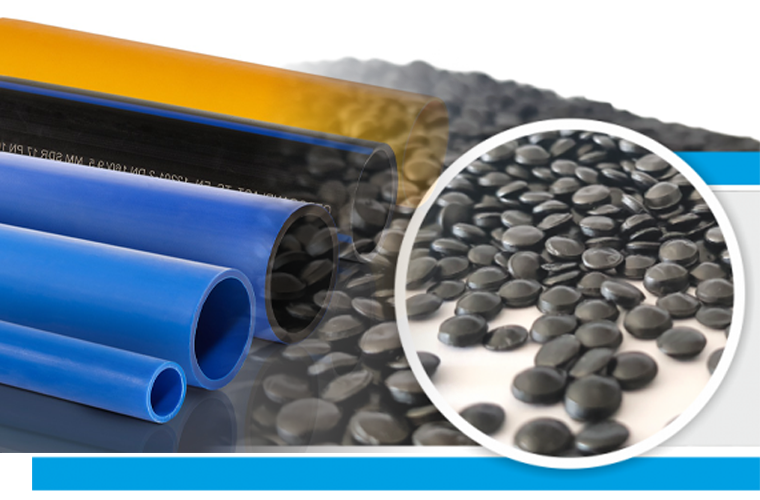
Key Properties of PE 100 Tube and PE Hose
Material performance is where PE 100 truly stands out. When used in PE 100 tube or PE hose, it delivers a balanced combination of strength and flexibility.
◆High impact resistance, even at low temperatures
◆Excellent chemical resistance for industrial fluids
◆mooth inner surface reduces pressure loss
◆Long service life exceeding 50 years under standard conditions
For example, in compressed air or fluid transfer systems, smoother bore surfaces can noticeably improve system efficiency.
Applications of PE Pipe and PE Fittings in Industry
Because of its durability, PE pipe and PE fittings made from PE 100 are widely used across industries:
◆Water supply and municipal pipelines
◆Industrial fluid transfer systems
◆gricultural irrigation networks
◆Pneumatic and low-pressure air systems
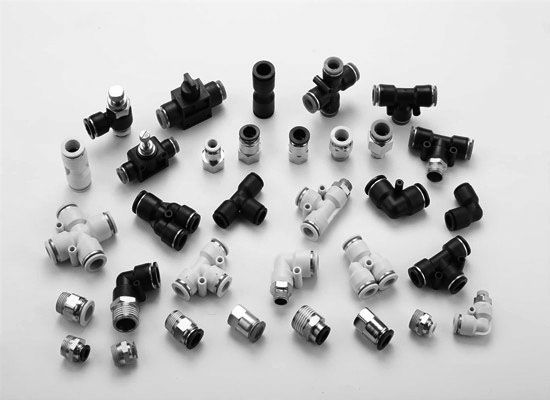
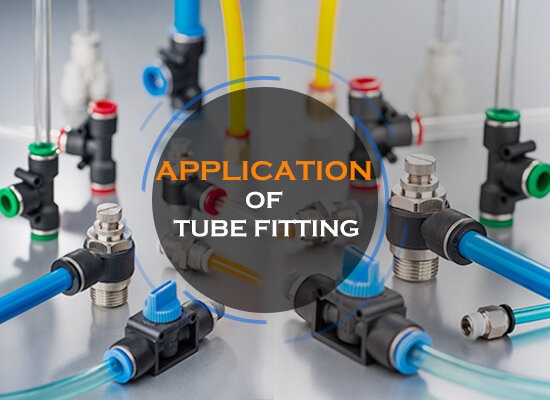
In automation environments, combining PE hoses with pneumatic components improves system flexibility. For instance, integrating with ensures quick installation and leak-free connections.
Selection Tips for Engineers and Buyers
Choosing the right PE material involves more than just picking the highest grade. While PE 100 offers superior strength, proper selection depends on application conditions.
Key considerations include:
◆Operating pressure and temperature
◆Required lifespan
◆Installation environment (UV, chemicals, outdoor exposure)
◆Compatibility withPE fittings and connectors
Overspecifying may increase cost unnecessarily, while underspecifying risks failure. A balanced approach ensures both performance and budget control.
PE100 vs PE80: Practical Comparison
Engineers often compare PE100 with PE80 during system design. The difference is not just numerical—it impacts real-world performance.
| Feature | PE80 | PE100 |
|---|
| Strength | Moderate | High |
| Wall Thickness | Thicker | Thinner |
| Weight | Higher | Lower |
| Cost Efficiency | Standard | Better long-term |
This explains why many modern projects are shifting toward PE100, especially where efficiency and longevity matter.
Integration with Modern Pneumatic Systems
In pneumatic setups, material flexibility and sealing reliability are critical. PE hose made from PE100-compatible materials works well with automation components such as valves and actuators.
When paired with pneumatic solenoid valves, these systems benefit from:
1.Stable airflow performance
2.Reduced leakage risk
3.Simplified maintenance
This combination is increasingly common in automated production lines where uptime is essential.
Selecting PE 100 is not just about choosing a stronger material—it’s about optimizing the entire system. From PE pipe infrastructure to compact PE 100 tube assemblies, the right material decision directly supports efficiency, safety, and long-term operational stability.
(FK9026)

 PVC Tubing vs Polyurethane Tubing: Choosing the Better Air Hose for Modern Pneumatic Systems
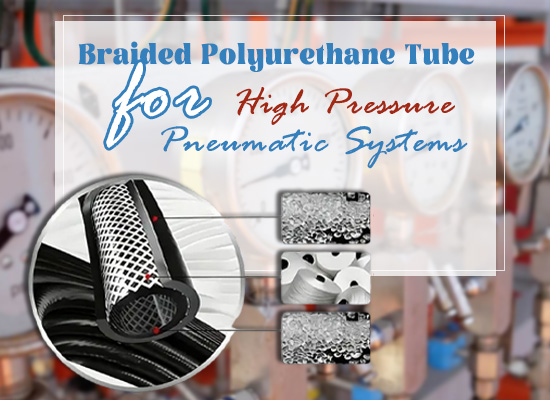 Braided Polyurethane Tube for High Pressure Pneumatic Systems
 PUB Braided Polyurethane Tube vs Standard PU Tube: Durability in Automation Systems
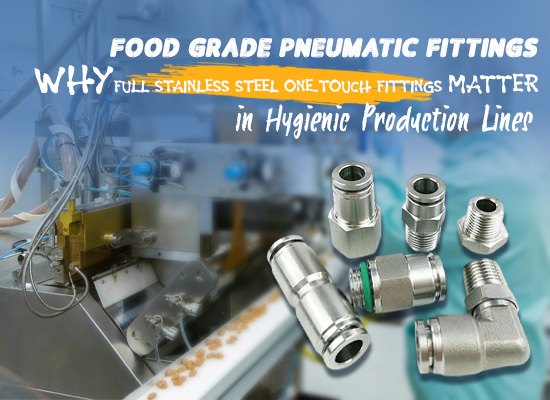 Food Grade Pneumatic Fittings: Why Full Stainless Steel One-Touch Fittings Matter in Hygienic Production Lines
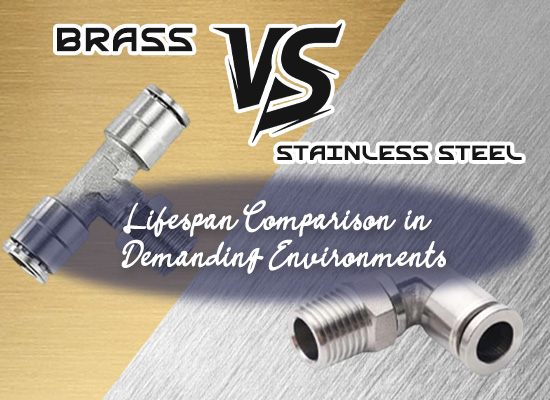 Brass vs Stainless Steel Fittings: Lifespan Comparison in Demanding Environments