Mar 20, 2026
In pneumatic systems, surface finishing plays a critical role in durability and appearance. When selecting Nickel Plated Brass Pneumatic Push in Fitting, buyers often overlook the plating process behind the product. However, the difference between barrel plating and rack plating directly affects corrosion resistance, surface quality, and cost efficiency, especially for distributors and engineers working with high-volume or precision applications.
Nickel plating is widely used in Brass and Nickel-Plated Push-In Fittings to improve resistance against oxidation and wear. The process deposits a protective nickel layer over brass, creating a balance between mechanical strength and corrosion protection.
For most Pneumatic Push in Fitting applications, plating quality determines how well the fitting performs in humid, oily, or chemically exposed environments. A poor plating process may lead to early surface degradation, even if the base material is high quality.
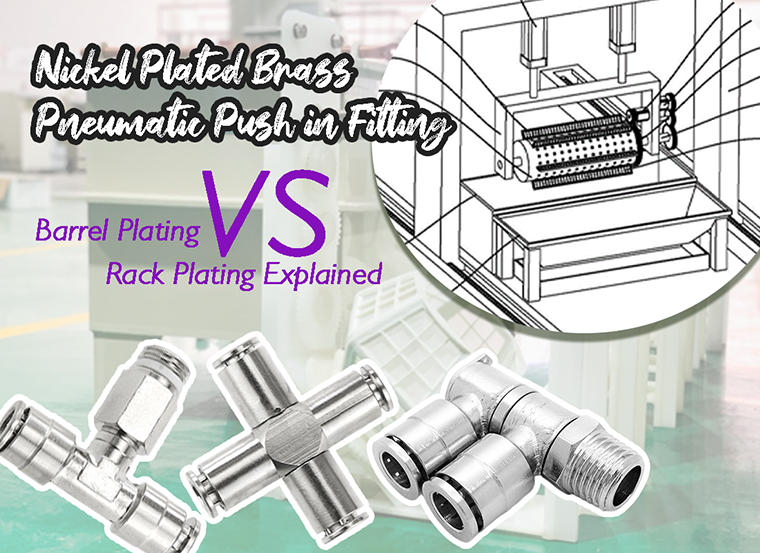
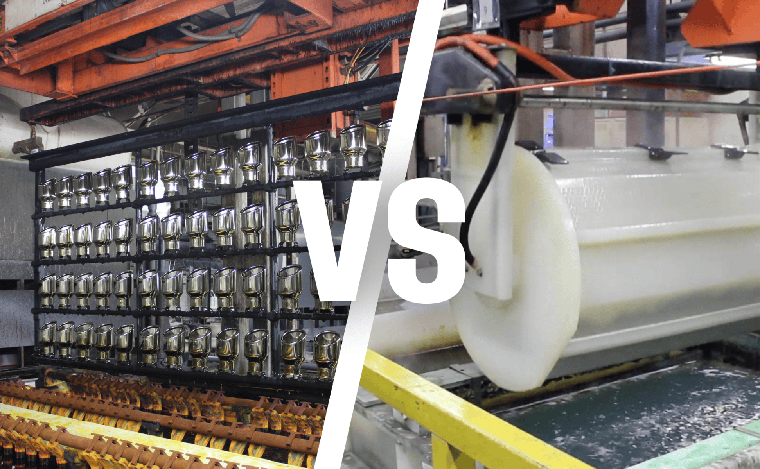
Barrel plating, also known as tumbling plating, is commonly used for mass production of High-Quality Pneumatic Fittings. In this process, multiple small parts are placed inside a rotating drum, where they tumble and make contact while being electroplated.
Key characteristics include:
1.Lower production cost, ideal for large batches
2.Suitable for small, robust fittings
3.Efficient for standard industrial supply chains
However, due to constant contact between parts, minor scratches or surface marks are unavoidable. This makes barrel plating less suitable for applications where appearance is critical.
In distribution markets, barrel-plated fittings are often preferred for their price advantage and acceptable performance.
In contrast, rack plating involves suspending each fitting individually on fixtures before immersing them into the plating bath. This method is commonly used for premium-grade Nickel Plated Brass Pneumatic Push in Fitting products.
Its advantages include:
1.Smooth, bright surface finish with minimal defects
2.No collision between parts, preserving surface integrity
3.Better consistency for high-end applications
The limitation lies in the fixture contact point, where plating may be slightly thinner or absent. Additionally, higher processing cost makes rack plating more suitable for specialized or visible components.
To better understand the impact on product selection, the comparison below highlights practical differences:
| Feature | Barrel Plating | Rack Plating |
|---|---|---|
| Cost | Low | Higher |
| Surface Finish | Minor scratches possible | Smooth and bright |
| Production Efficiency | High (bulk processing) | Medium |
| Suitable Part Type | Small, durable fittings | Precision or visible parts |
| Plating Coverage | Uniform overall | Possible fixture marks |
From a procurement perspective, the choice depends on whether cost or appearance is the priority.
Selecting between the two processes depends on actual working conditions and market positioning.
For general industrial use:
1.Choose barrel plating for cost-sensitive projects
2.Ideal for hidden or internal pneumatic systems
For premium or exposed systems:
3.Choose rack plating for visual quality and surface consistency
4.Recommended for high-end machinery or export markets
In many cases, distributors offer both options. For example, combining standard [Pneumatic Push in Fitting solutions] with premium [Nickel Plated Brass Pneumatic Push in Fitting] lines allows flexible product positioning.
Beyond plating method, several factors should be verified when sourcing Brass and Nickel-Plated Push-In Fittings:
1.Nickel layer thickness (commonly 5–15 μm depending on application)
2.Adhesion strength between brass and plating
3.Resistance to corrosion and humidity
4.Compatibility with pneumatic tubing and system pressure
A well-selected plating process not only improves appearance but also ensures long-term sealing reliability and reduced maintenance frequency.
For industrial automation projects, working with suppliers who can control both material quality and plating technology is essential. This ensures consistency across batches, especially when scaling production or supplying global markets.
(FK9026)
 PVC Tubing vs Polyurethane Tubing: Choosing the Better Air Hose for Modern Pneumatic Systems
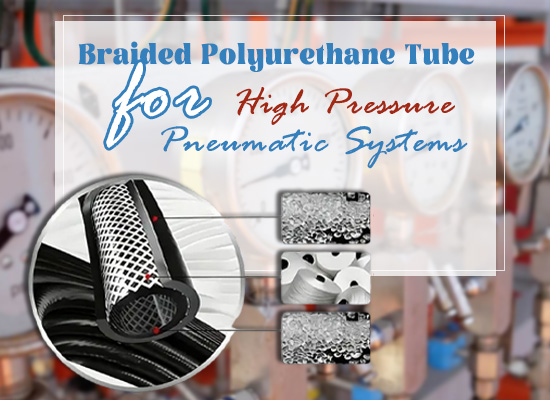 Braided Polyurethane Tube for High Pressure Pneumatic Systems
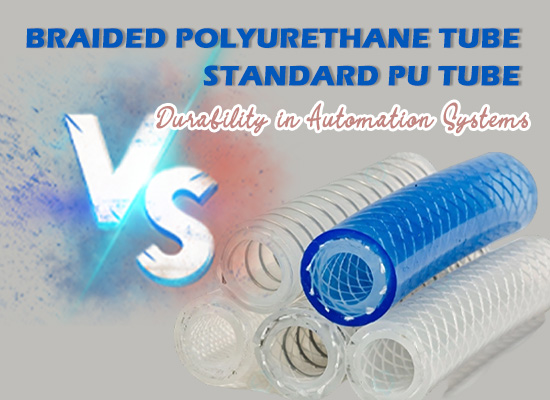 PUB Braided Polyurethane Tube vs Standard PU Tube: Durability in Automation Systems
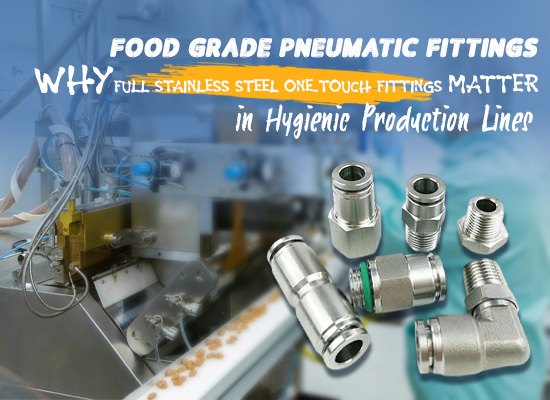 Food Grade Pneumatic Fittings: Why Full Stainless Steel One-Touch Fittings Matter in Hygienic Production Lines
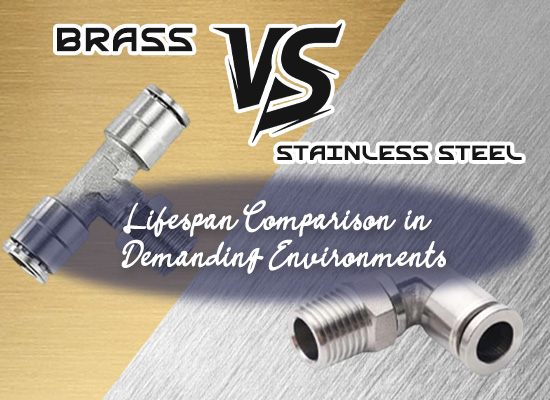 Brass vs Stainless Steel Fittings: Lifespan Comparison in Demanding Environments
You May Interest In
May 07, 2025 Blog
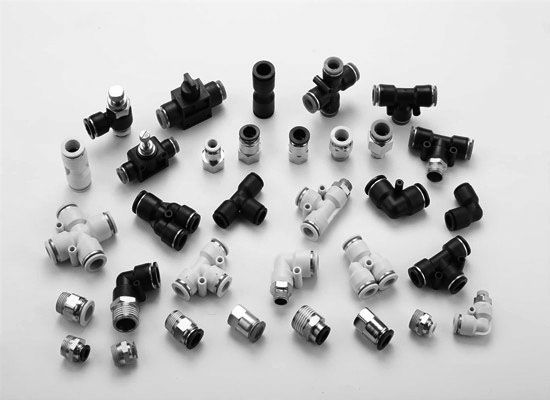
Comprehensive Analysis of Pneumatic Push in Fittings
Apr 22, 2025 Blog
Solution for Nylon Tube
Apr 16, 2025 Blog
PVC Tubing vs. Polyurethane Tubing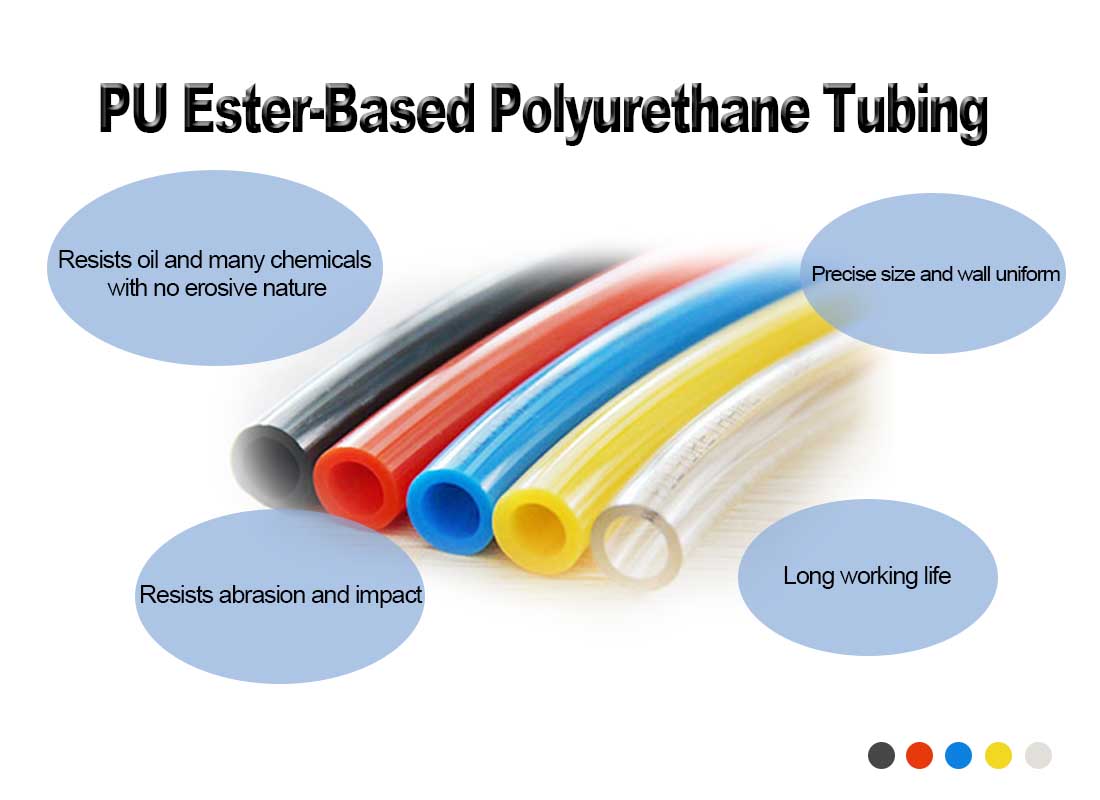
Apr 10, 2025 Blog
What is the difference between pu and pvc
Feb 24, 2025 Blog
How to Identify Hydraulic Quick Couplers?
Jan 21, 2025 Blog
How to Measure Pipe Thread?
Jan 16, 2025 Blog
What Is Pipe thread?
Dec 04, 2024 Blog
Application Of Tube Fitting
Jun 26, 2023 Blog
What Is The Difference Between LLDPE And LDPE?
Jan 17, 2023 Blog
What Are The Classification Of Plastics?
Get a free sample

Links: www.fescolo.com(Pneumatic)
FOKCA ©1998-2025 All Rights Reserved Sitemap