Mar 13, 2026
Compressed air systems often rely on standardized connectors so that hoses, tools, and equipment can be connected quickly. However, many engineers discover that not every pneumatic quick coupling works with every plug. Even if two connectors look similar, their internal dimensions and locking profiles may differ. Understanding the differences between ISO quick coupling, European profiles, and Japanese standards helps avoid connection problems and ensures safe operation in industrial air systems.
At first glance, many air quick coupler designs appear identical. They use a sleeve mechanism and locking balls to secure the plug. However, the exact geometry of the plug and socket determines compatibility.
Different regions have developed their own industrial quick connect standards over time. These standards define dimensions such as:
◆Plug diameter
◆Locking groove position
◆Sealing surface design
Because of these differences, a pneumatic quick connector designed for one standard may not lock properly with another, even if the thread size or hose diameter is the same.
One of the most widely recognized international standards is ISO 6150. This specification defines several types of ISO quick coupling profiles used in compressed air systems.
ISO couplings are designed to provide reliable interchangeability between compatible products from different manufacturers. Many industrial automation systems and air tool connections adopt this standard because it simplifies maintenance and replacement.
In practice, ISO pneumatic quick coupling designs help reduce compatibility issues in multinational equipment environments.
In many European workshops, connectors follow what is commonly known as the European profile. These connectors are sometimes called “Euro profile” couplings.
European-style pneumatic quick connector designs typically offer high airflow and reliable sealing. They are widely used in:
◆Automotive repair workshops
◆Manufacturing plants
◆Pneumatic tool systems
Although these connectors are common across Europe, they may not always connect properly with Japanese or other regional plug designs.
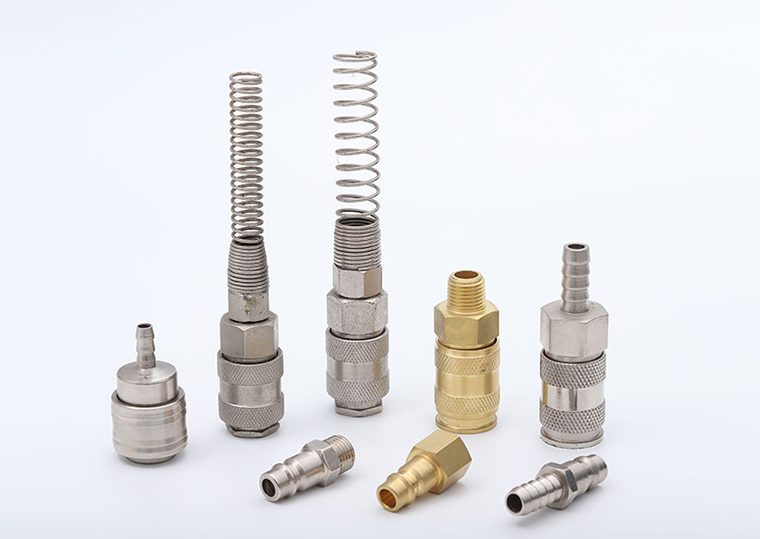
Another widely used design is the Japanese profile pneumatic coupler, which is popular in Asian manufacturing environments. This profile is often used with pneumatic tools produced by Japanese manufacturers.
Japanese-style connectors typically feature slightly different plug geometry compared with European or ISO designs. Because of these dimensional differences, Japanese plugs may not securely lock into European air quick coupler sockets.
This variation explains why engineers sometimes encounter connection problems when importing equipment from different regions.
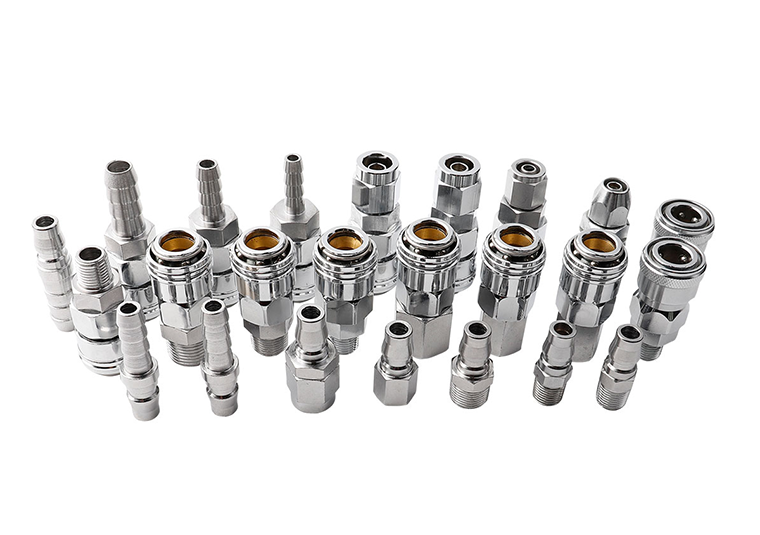
The following table summarizes the main characteristics of the three common profiles.
| Profile Type | Typical Region | Compatibility |
|---|---|---|
| ISO 6150 | Global industrial equipment | Compatible within ISO standards |
| European Profile | Europe, automotive workshops | Limited compatibility with Japanese plugs |
| Japanese Profile | Asia, Japanese tools | Often incompatible with Euro couplers |
Understanding these profiles helps distributors and engineers select the correct industrial quick connect components for their equipment.
When choosing a pneumatic quick coupling, compatibility should always be verified before installation. Even when connectors appear similar, internal profile differences can prevent proper locking or sealing.
Engineers usually confirm the following factors:
◆Coupling profile standard (ISO, Euro, or Japanese)
◆Hose thread size and connection type
◆Required airflow capacity
In many industrial pneumatic systems, connectors are integrated with components such as pneumatic hoses, air preparation units, or pneumatic cylinders. Selecting the correct air quick coupler ensures reliable air delivery and prevents unexpected connection failures during operation.
When equipment is used across international markets, choosing standardized ISO quick coupling products often simplifies maintenance and improves compatibility within global pneumatic systems.
(FK9026)
 PVC Tubing vs Polyurethane Tubing: Choosing the Better Air Hose for Modern Pneumatic Systems
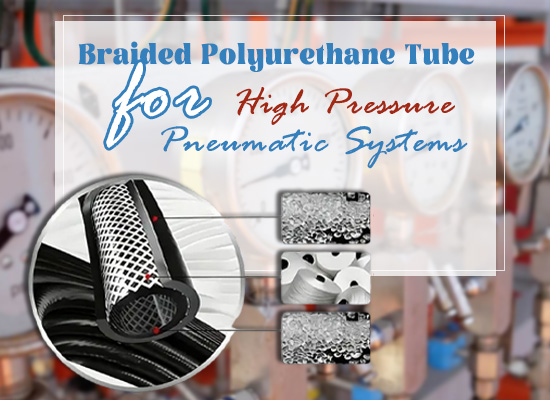 Braided Polyurethane Tube for High Pressure Pneumatic Systems
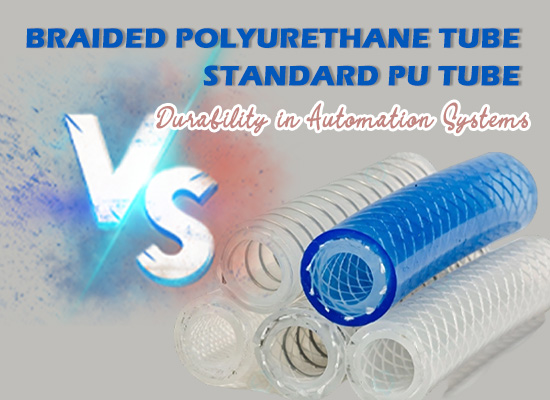 PUB Braided Polyurethane Tube vs Standard PU Tube: Durability in Automation Systems
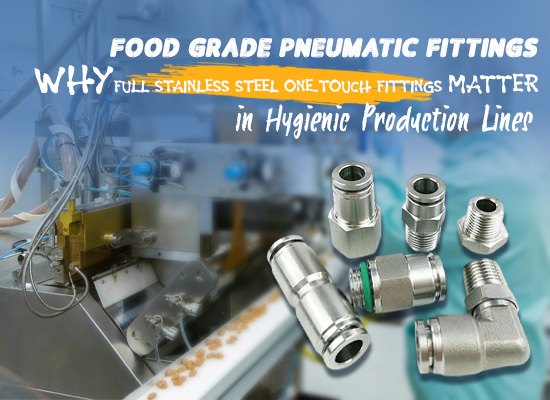 Food Grade Pneumatic Fittings: Why Full Stainless Steel One-Touch Fittings Matter in Hygienic Production Lines
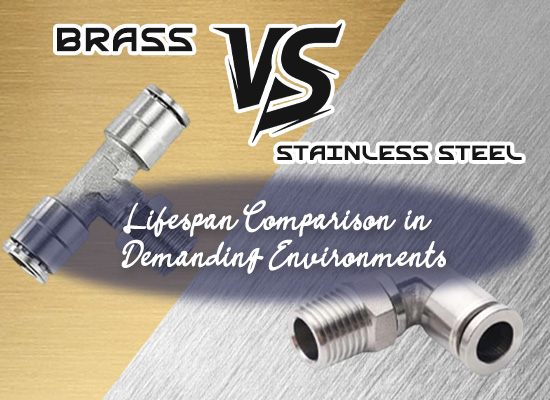 Brass vs Stainless Steel Fittings: Lifespan Comparison in Demanding Environments
You May Interest In
May 07, 2025 Blog
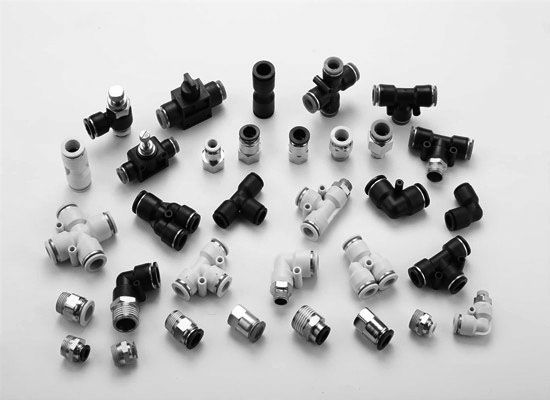
Comprehensive Analysis of Pneumatic Push in Fittings
Apr 22, 2025 Blog
Solution for Nylon Tube
Apr 16, 2025 Blog
PVC Tubing vs. Polyurethane Tubing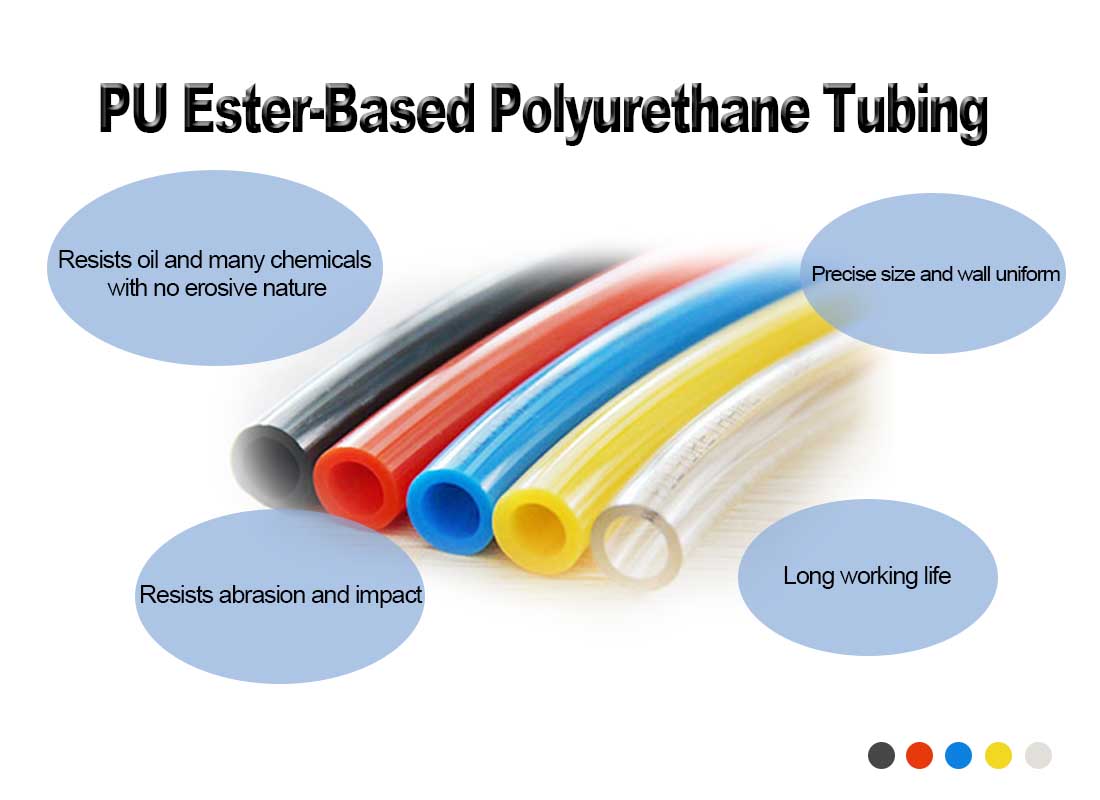
Apr 10, 2025 Blog
What is the difference between pu and pvc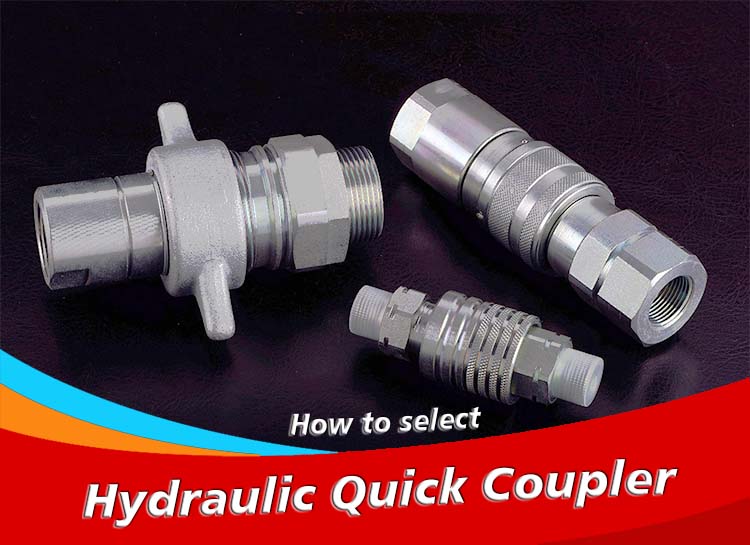
Feb 24, 2025 Blog
How to Identify Hydraulic Quick Couplers?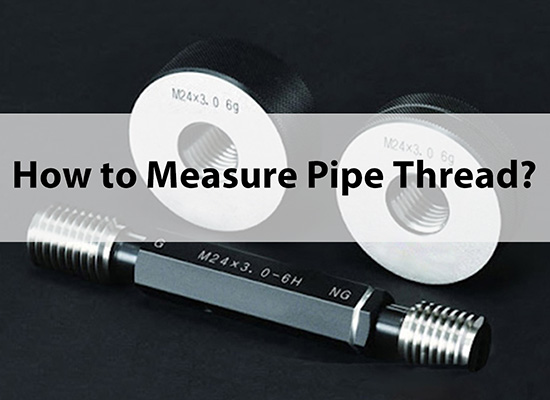
Jan 21, 2025 Blog
How to Measure Pipe Thread?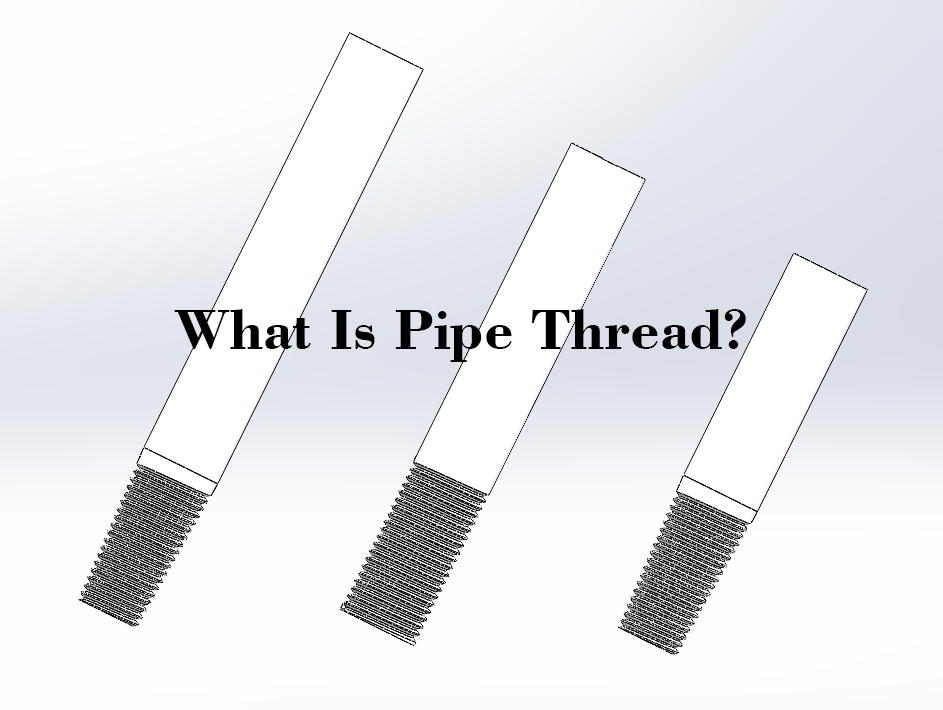
Jan 16, 2025 Blog
What Is Pipe thread?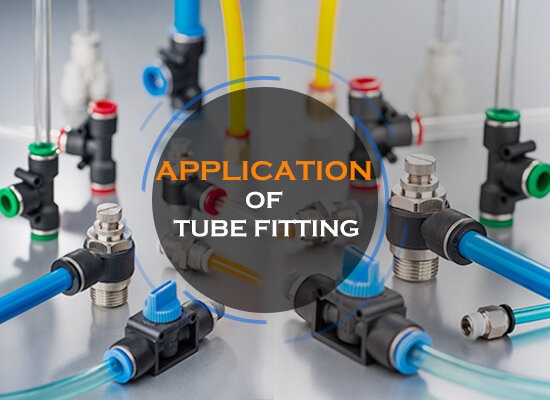
Dec 04, 2024 Blog
Application Of Tube Fitting
Jun 26, 2023 Blog
What Is The Difference Between LLDPE And LDPE?
Jan 17, 2023 Blog
What Are The Classification Of Plastics?
Get a free sample

Links: www.fescolo.com(Pneumatic)
FOKCA ©1998-2025 All Rights Reserved Sitemap