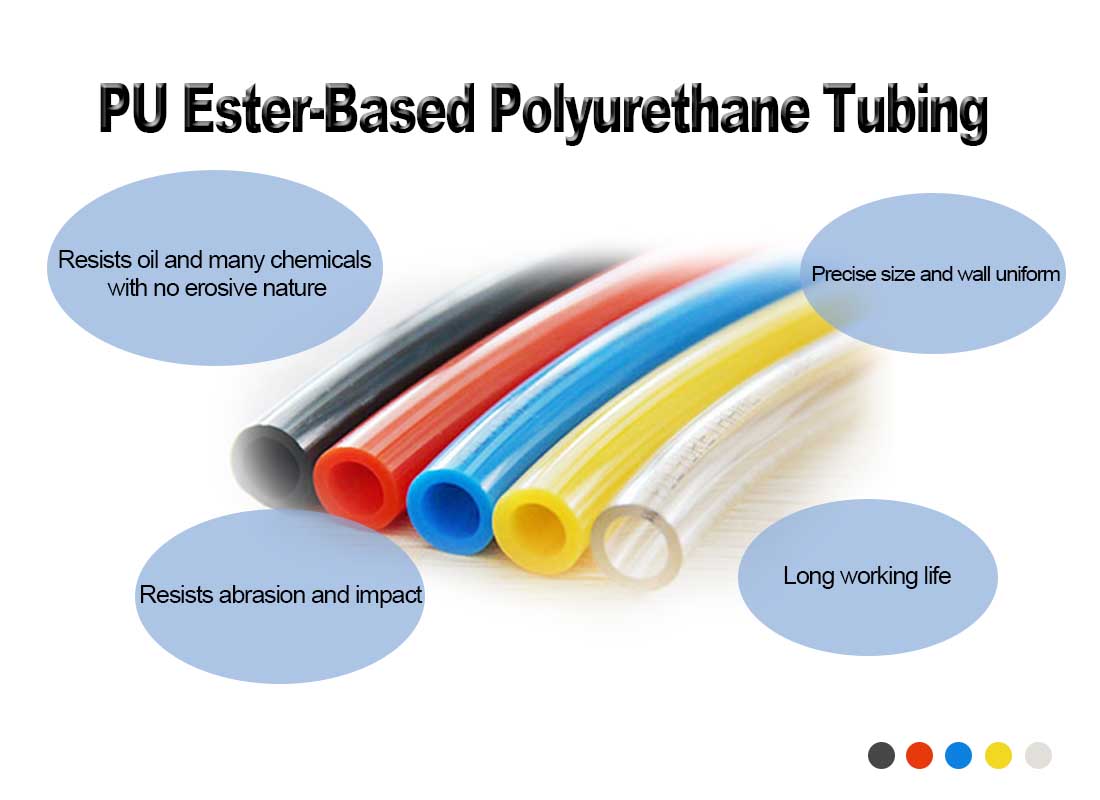
In many auxiliary pneumatic systems, PVC Flexible Tubing is commonly used to deliver low-pressure air between compressors, valves, and control devices. Its flexibility, transparency, and cost efficiency make it a practical choice for equipment manufacturers and maintenance teams. However, selecting the correct PVC Hose requires understanding its pressure limits. Misinterpreting working pressure and burst pressure can lead to hose deformation or unexpected failure. For distributors, engineers, and purchasing managers, knowing how to evaluate the safe pressure range of Polyvinyl Chloride Tubing is essential when designing reliable air transfer systems.
Understanding Working Pressure vs. Burst Pressure
One of the most important technical parameters of PVC Flexible Tubing is the difference between working pressure and burst pressure.
Working pressure refers to the maximum pressure the hose can safely handle during continuous operation. It is calculated with a safety factor to ensure long-term durability.
Burst pressure, on the other hand, is the pressure at which the hose will rupture under laboratory testing conditions.
| Pressure Type | Definition | Practical Meaning |
|---|---|---|
| Working Pressure | Maximum safe operating pressure | Suitable for continuous system use |
| Burst Pressure | Pressure level where hose fails | Testing limit, not for operation |
Industry standards often apply a 3:1 or 4:1 safety factor between burst pressure and working pressure. This means a PVC Hose rated for 6 bar working pressure may have a burst pressure of 18–24 bar.
Understanding this difference helps prevent selecting tubing that operates too close to its structural limit.
How Temperature Affects Pressure Resistance
Another key factor influencing PVC Flexible Tubing performance is temperature. Polyvinyl chloride materials become softer at higher temperatures and more rigid in colder environments.
When temperature rises, the tubing wall loses part of its structural strength. This reduces the safe working pressure of the hose.
A typical pressure adjustment guideline is shown below.
| Temperature | Pressure Capacity |
|---|---|
| 20°C (room temperature) | 100% rated pressure |
| 40°C | ~80% of rated pressure |
| 60°C | ~60% of rated pressure |
For example, if a Polyvinyl Chloride Tubing product is rated at 6 bar at room temperature, its safe pressure may drop to about 3.6–4.8 bar in higher-temperature environments.
Equipment engineers therefore consider both system pressure and operating temperature when selecting pneumatic air tubing.
The Role of Wall Thickness in PVC Hose Strength
The pressure resistance of PVC Hose is also strongly related to wall thickness. Thicker tubing walls provide greater resistance to internal pressure and reduce deformation.
Manufacturers typically produce PVC Flexible Tubing in several structural types:
| Tubing Type | Wall Thickness | Pressure Resistance | Typical Use |
|---|---|---|---|
| Thin wall PVC tubing | Light | Low pressure | Air ventilation |
| Medium wall tubing | Moderate | Stable low-pressure air delivery | Pneumatic auxiliary systems |
| Thick wall tubing | Heavy | Higher pressure tolerance | Industrial fluid transfer |
In low-pressure air applications, medium-wall Polyvinyl Chloride Tubing is often sufficient, balancing flexibility with safe pressure tolerance.
Applications in Pneumatic Auxiliary Systems
Many industrial machines include low-pressure air circuits that support pneumatic components but do not require high-pressure tubing.
Typical uses include:
◆Air supply lines for pneumatic control valves
◆Air signal lines in automated equipment
◆Protective air flow for dust removal systems
◆Auxiliary air connections in packaging machines
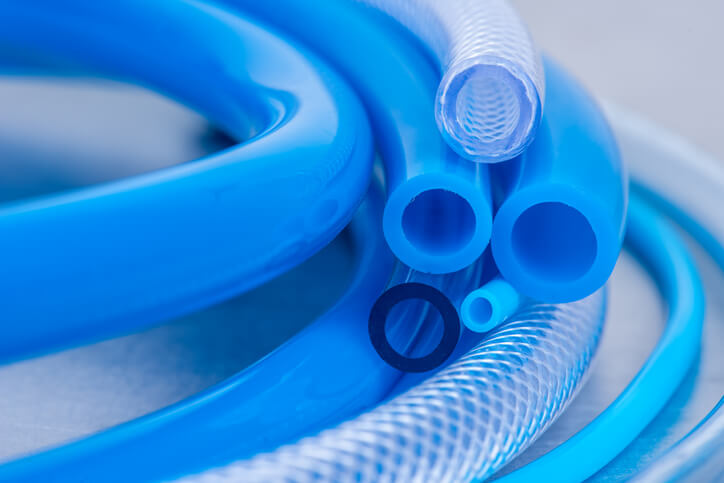
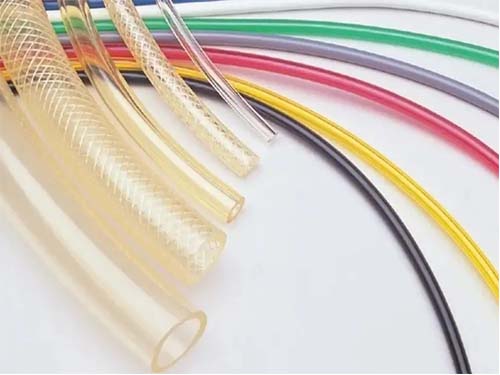
Because of its transparency and flexibility, PVC Flexible Tubing allows technicians to visually monitor airflow conditions and easily route tubing inside compact machinery.
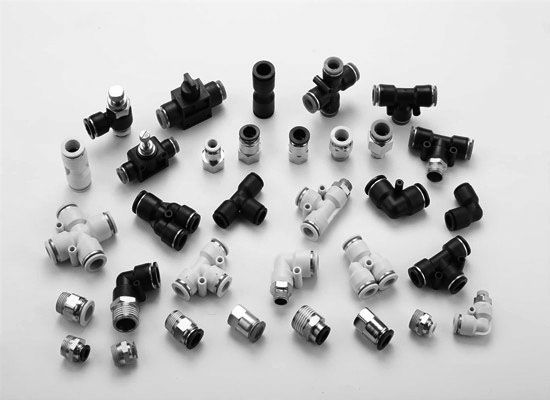
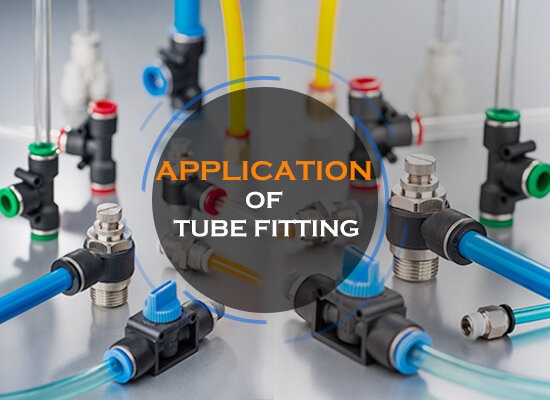
In these systems, PVC tubing is often installed together with components such as pneumatic push-in fittings or compact valves that regulate airflow. These connectors help maintain airtight connections while simplifying maintenance.
Practical Guidelines for Selecting PVC Air Tubing
When choosing PVC Hose for low-pressure air transfer, engineers usually evaluate several key parameters before finalizing the specification.
| Selection Factor | Engineering Recommendation |
|---|---|
| System pressure | Choose tubing rated at least 1.5–2× higher than system pressure |
| Temperature range | Adjust pressure rating for high-temperature environments |
| Wall thickness | Select thicker walls for longer tubing runs |
| Installation conditions | Avoid excessive bending or sharp corners |
Industry hose testing data indicates that properly selected PVC Flexible Tubing can operate reliably for extended periods in air systems below 6–8 bar, provided that temperature and installation conditions remain within recommended limits.
For equipment manufacturers and distributors, understanding these parameters helps ensure safe, efficient airflow within pneumatic auxiliary systems. Selecting the right tubing specification also improves overall system stability when combined with compatible components such as industrial pneumatic fittings used in automated equipment.
(FK9026)