Feb 07, 2026
Choosing the right vacuum generator structure is a key decision in automation design. Many users compare models only by catalog vacuum value, but the real gap lies in air consumption and response behavior. A vacuum generator pneumatic with single stage design works in a simple way, while a multi stage vacuum ejector uses several nozzles to reuse energy. Understanding these differences helps distributors and engineers build more efficient suction systems.
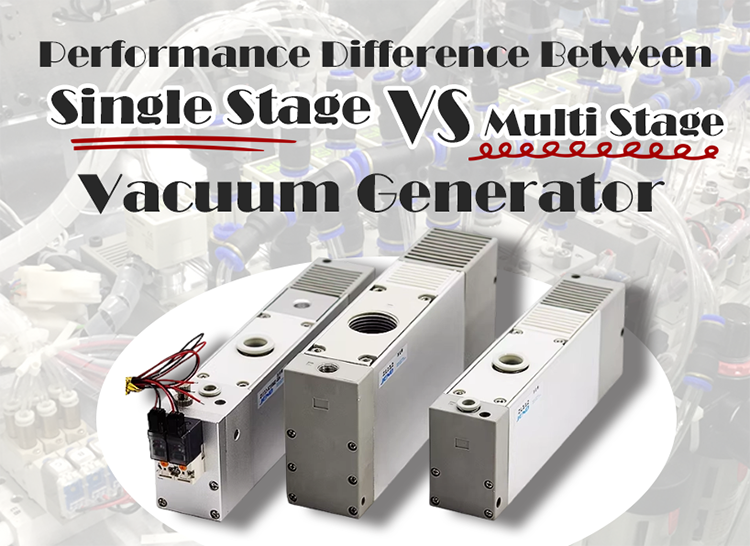
A single stage vacuum generator creates negative pressure through one nozzle and diffuser. The structure is compact and easy to maintain, yet the conversion efficiency of compressed air is limited. In contrast, a multi stage vacuum ejector guides the exhaust of the first stage into the next stage, generating additional suction without extra air supply. This cascade effect is the reason why multi stage units are widely used in energy-saving automation lines.
Airflow path: Compressed air enters from the inlet and is accelerated through a single nozzle before being discharged.
Vacuum generation mechanism: The high-speed airflow creates a localized low-pressure area at the nozzle outlet, drawing in surrounding air and forming a vacuum environment.
Typical applications:
◆Small automated equipment
◆Short cycle operation tasks
◆Situations with moderate vacuum level requirements
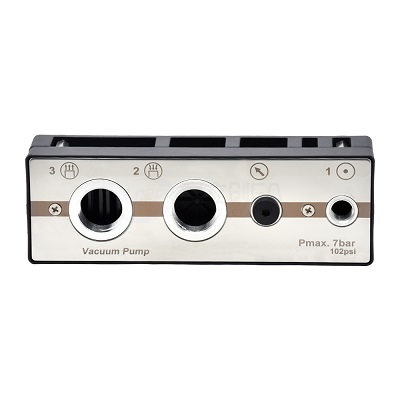
Airflow path: Compressed air passes sequentially through multiple nozzles. Each stage further reduces the pressure and increases the vacuum level.
Vacuum generation mechanism: The multi-stage cascade effect enables the final vacuum level to be significantly higher than that of single-stage products.
Typical applications:
◆High-precision processing equipment
◆Systems requiring long-term stable operation
◆Applications demanding high vacuum levels
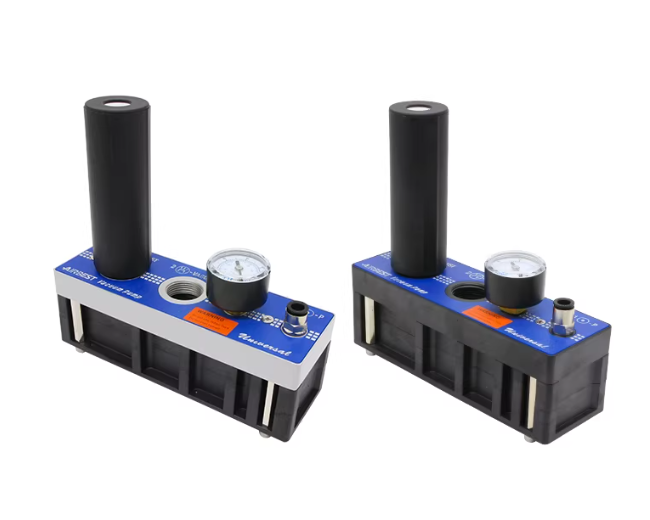
For the same suction task, the two designs show clear difference. The single stage type needs higher continuous airflow to reach stable vacuum. Multi stage models can achieve similar or even higher performance with less air. Lower air consumption directly means lower running cost, especially in factories with hundreds of suction points. When the machine operates 24 hours, the saving becomes very visible on the compressor electricity bill.
| Type | Air consumption | Response time | Best scenario |
|---|---|---|---|
| Single stage | Higher | Fast | Simple handling |
| Multi stage | Lower | Medium | Porous materials |
| Multi stage optimized | Lowest | Fast | Energy-saving line |
Response speed is another concern for engineers. A vacuum generator pneumatic with single stage often reacts quickly because of its direct structure. Multi stage units used to be slower, but modern designs reduce internal volume and keep competitive response time. For packaging or assembly equipment, the difference is usually within acceptable range, while the benefit in air saving is much greater.
Material condition decides the final choice. Sealed metal or plastic parts can work well with a single stage vacuum generator since leakage is small. Cartons, foam, and wood require more airflow to compensate leakage, where multi stage vacuum ejector shows advantage. Testing with real workpieces is recommended before mass installation to avoid oversizing.
When selecting a vacuum generator, focus on total cost instead of unit price. Multi stage energy-saving series may look higher in initial cost, but they reduce compressor load and maintenance frequency. Providing customers with comparison data and small trials is an effective sales approach. Many factories upgrade to multi stage structure after calculating annual air expense.
A correct understanding of single stage and multi stage structures allows users to match the right vacuum generator pneumatic with their process. Energy-saving design not only improves machine stability but also creates long-term value for agents and end users.
(FK9026)
 PVC Tubing vs Polyurethane Tubing: Choosing the Better Air Hose for Modern Pneumatic Systems
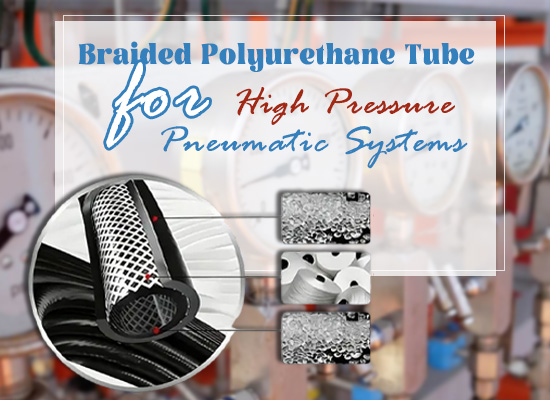 Braided Polyurethane Tube for High Pressure Pneumatic Systems
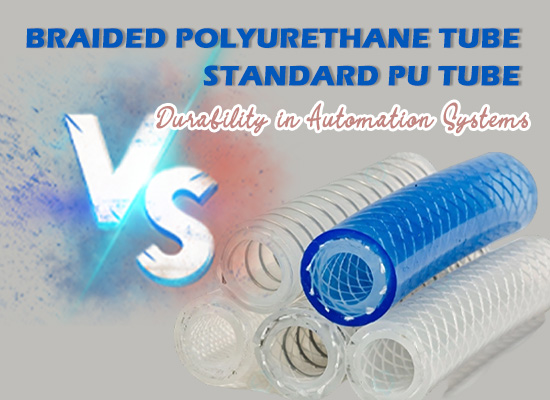 PUB Braided Polyurethane Tube vs Standard PU Tube: Durability in Automation Systems
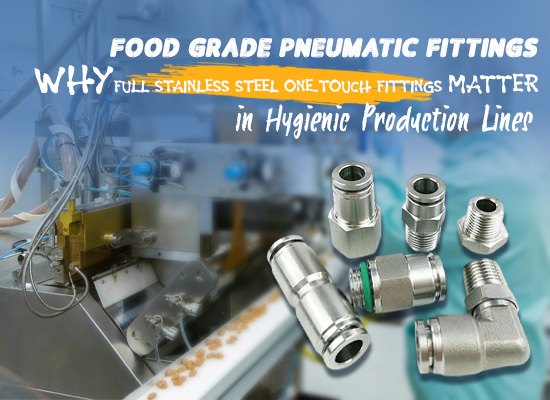 Food Grade Pneumatic Fittings: Why Full Stainless Steel One-Touch Fittings Matter in Hygienic Production Lines
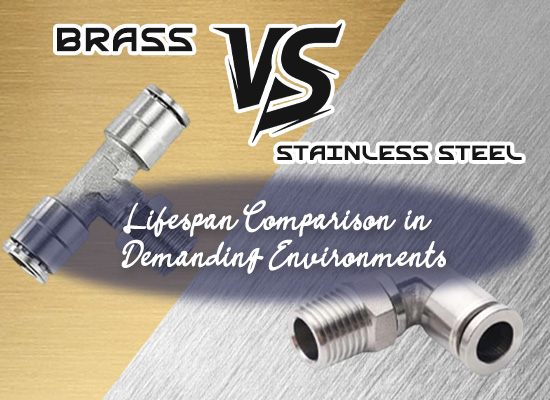 Brass vs Stainless Steel Fittings: Lifespan Comparison in Demanding Environments
You May Interest In
May 07, 2025 Blog
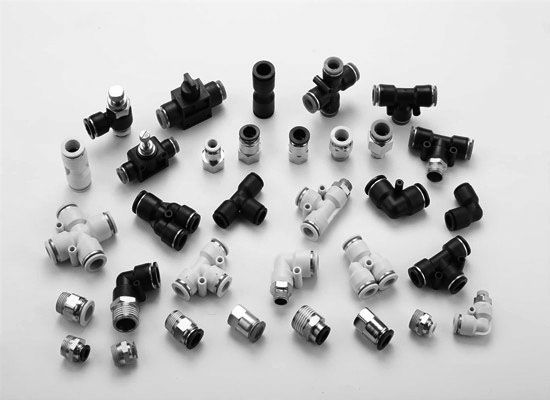
Comprehensive Analysis of Pneumatic Push in Fittings
Apr 22, 2025 Blog
Solution for Nylon Tube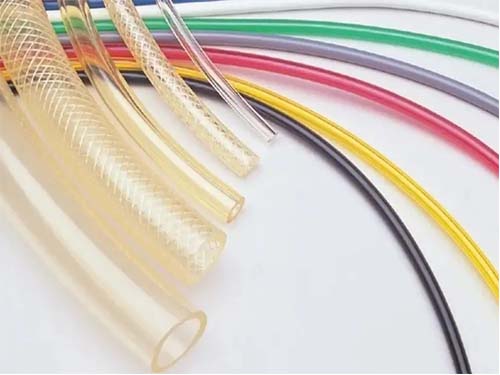
Apr 16, 2025 Blog
PVC Tubing vs. Polyurethane Tubing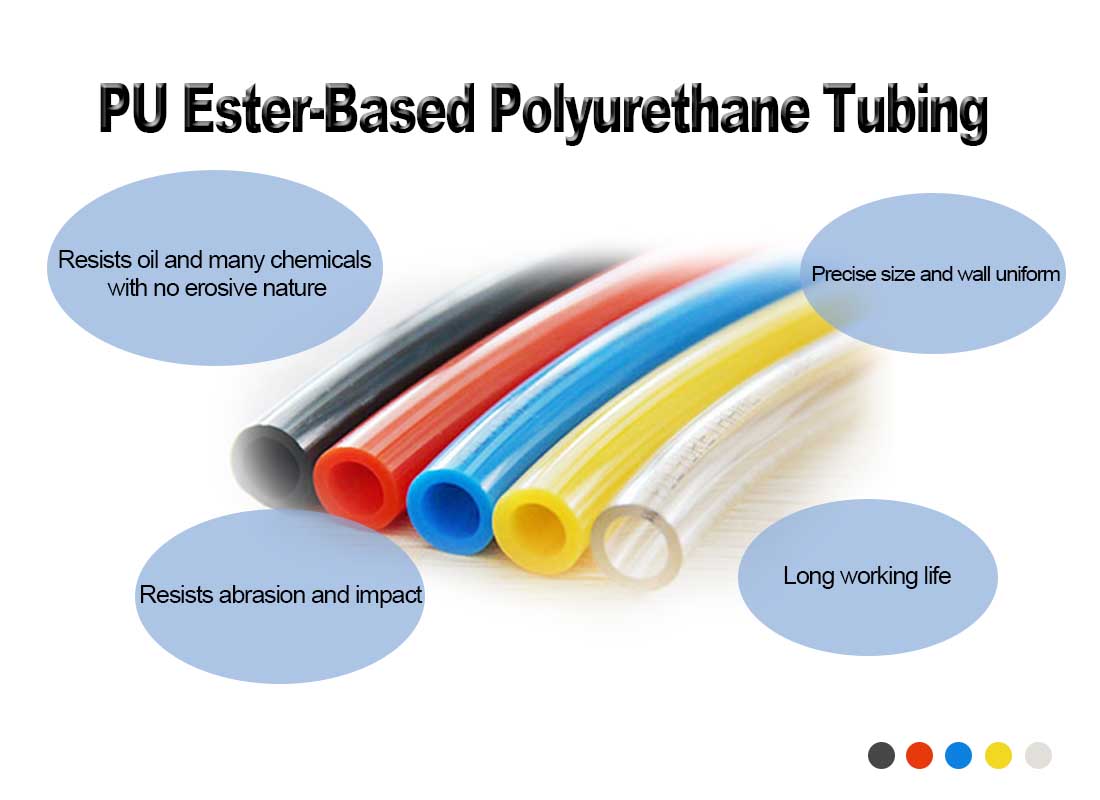
Apr 10, 2025 Blog
What is the difference between pu and pvc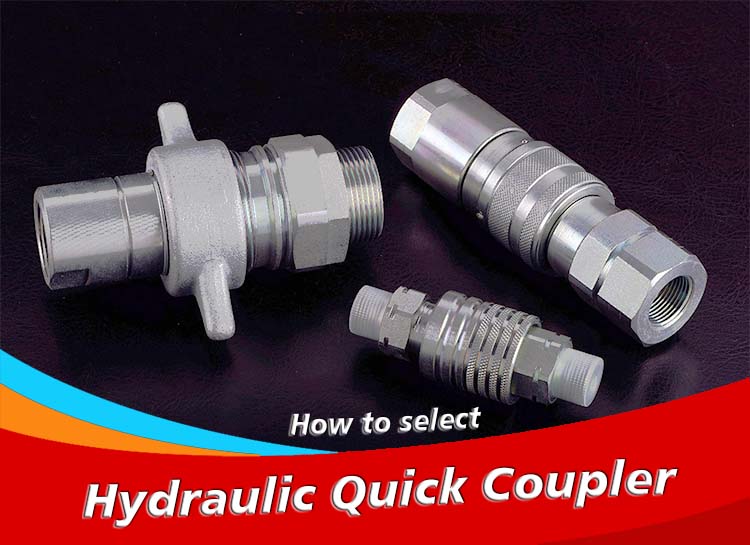
Feb 24, 2025 Blog
How to Identify Hydraulic Quick Couplers?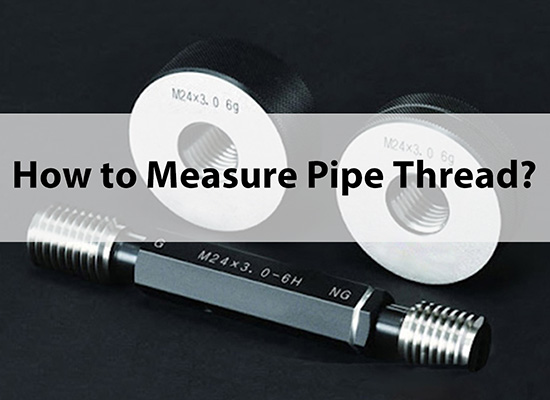
Jan 21, 2025 Blog
How to Measure Pipe Thread?
Jan 16, 2025 Blog
What Is Pipe thread?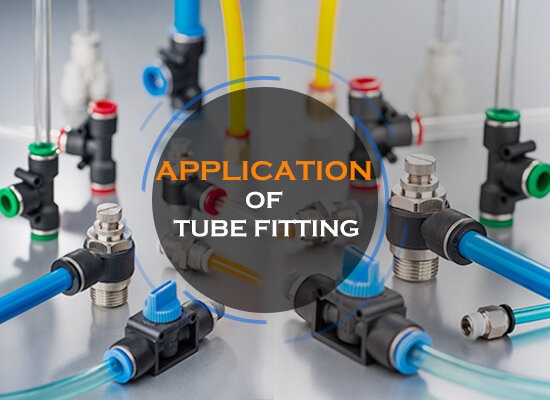
Dec 04, 2024 Blog
Application Of Tube Fitting
Jun 26, 2023 Blog
What Is The Difference Between LLDPE And LDPE?
Jan 17, 2023 Blog
What Are The Classification Of Plastics?
Get a free sample

Links: www.fescolo.com(Pneumatic)
FOKCA ©1998-2025 All Rights Reserved Sitemap