Feb 20, 2026
Vacuum generator performance is largely determined by the size of its internal nozzle. Engineers often notice that two units with the same air supply can deliver very different suction results. The reason lies in the balance between vacuum level and flow rate created by the nozzle structure of a vacuum generator pneumatic. Understanding this relationship helps distributors and users select the right model for small parts, porous materials, or high-speed automation lines.
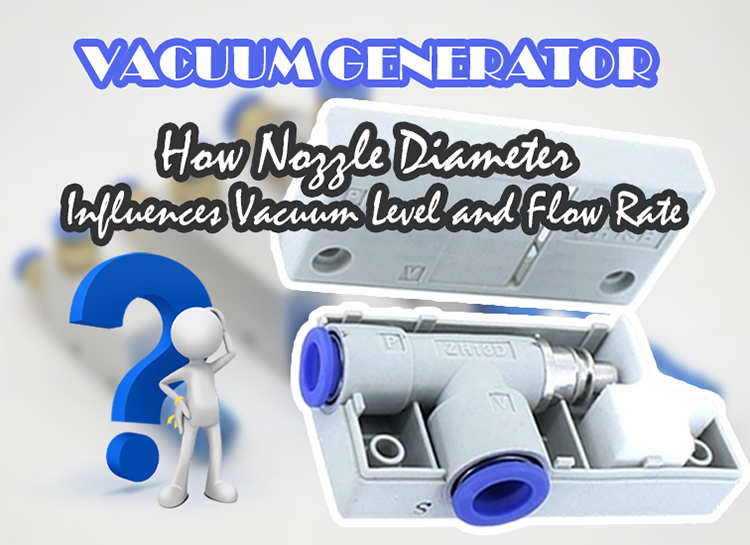
Inside every pneumatic vacuum generator, compressed air passes through a precision nozzle to create a pressure drop. A small nozzle diameter produces higher vacuum level but limited suction flow, while a large nozzle provides strong flow with lower ultimate vacuum. This is why one model works well for sealed metal parts and another is better for cardboard or fabric. The choice should always follow the real leakage condition of the workpiece instead of only the catalog vacuum value.
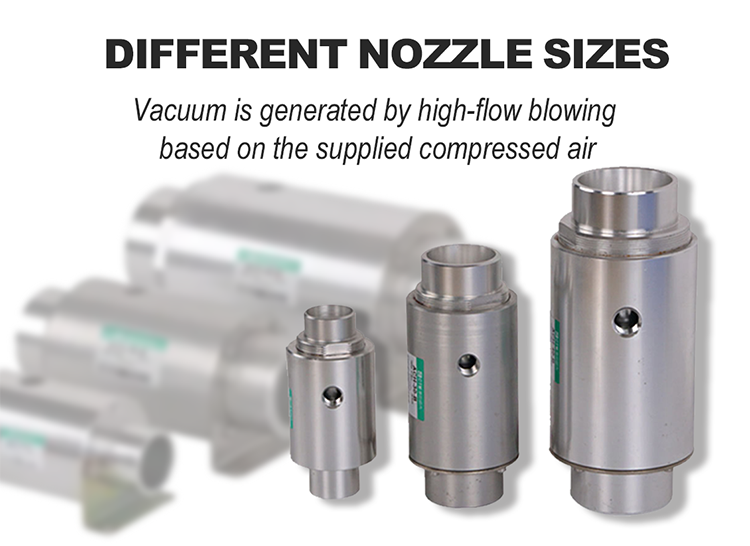
When handling rigid and non-porous objects, such as glass or polished aluminum, the system requires high vacuum rather than large airflow. A compact nozzle in a smc pneumatic vacuum generator style unit can quickly reach deep negative pressure with minimal air consumption. This design is suitable for single suction cups and precise pick-and-place tasks. However, it may struggle when the material surface allows continuous air leakage.
Porous or uneven materials need a different approach. Cartons, foam, and wood panels constantly leak air, so the vacuum generator must compensate with greater flow. A larger nozzle diameter sacrifices a part of vacuum level but keeps the suction stable during handling. Many packaging machines prefer this type because cycle time is more important than achieving extreme vacuum numbers.
| Nozzle size | Vacuum level | Suction flow | Suitable objects |
|---|---|---|---|
| Small | High | Low | Metal, glass |
| Medium | Balanced | Medium | Plastic parts |
| Large | Lower | High | Carton, foam |
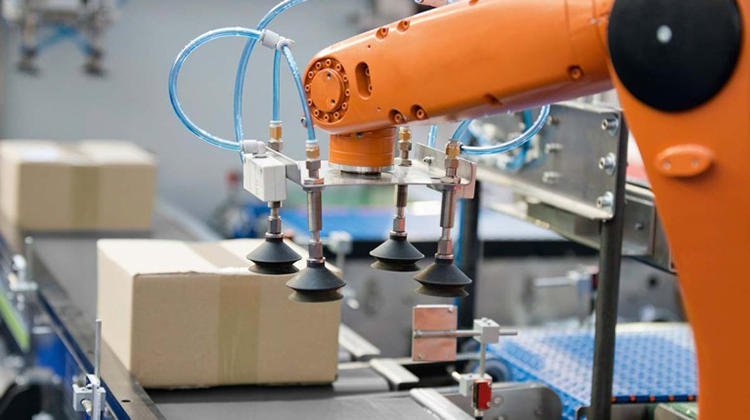
Selecting a vacuum generator pneumatic is not only about the weight of the product. The leakage rate, number of suction cups, and required response time must be considered together. For small components with good sealing, choose a model with a small nozzle to save air. For materials with many micro holes, a large-flow design is safer. Testing with the actual workpiece is always more reliable than theoretical calculation.
When recommending a pneumatic vacuum generator, provide customers with several nozzle options instead of one fixed model. Ask about material type, surface condition, and cycle time. A well-matched unit reduces compressed air cost and improves machine stability. Many users replace their previous products after realizing that the problem was not quality but incorrect nozzle diameter selection.
Choosing the proper vacuum generator nozzle diameter directly influences vacuum level, flow rate, and energy consumption. A clear understanding of this principle allows agents and end users to build more efficient automation systems and achieve reliable suction in different industries.
(FK9026)
 PVC Tubing vs Polyurethane Tubing: Choosing the Better Air Hose for Modern Pneumatic Systems
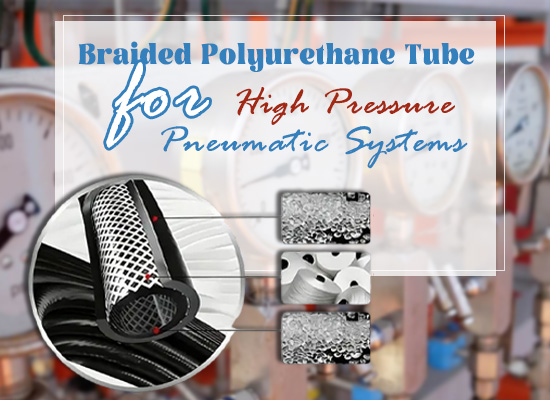 Braided Polyurethane Tube for High Pressure Pneumatic Systems
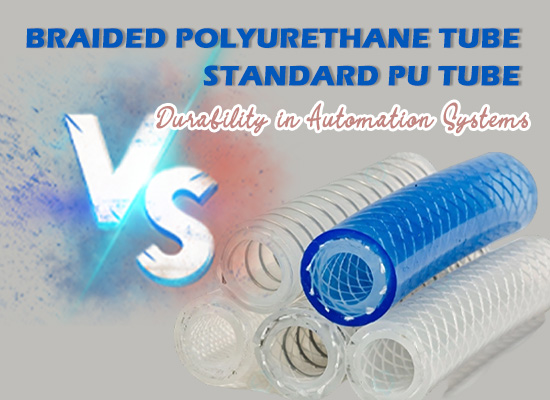 PUB Braided Polyurethane Tube vs Standard PU Tube: Durability in Automation Systems
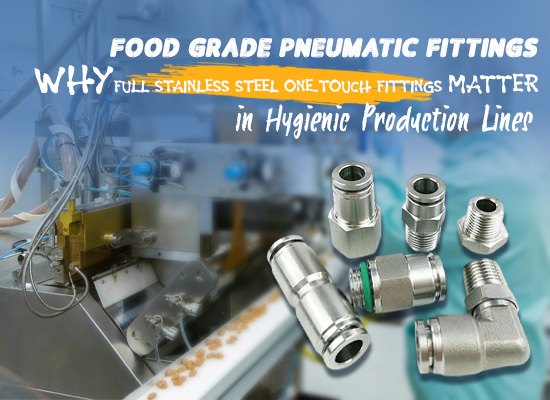 Food Grade Pneumatic Fittings: Why Full Stainless Steel One-Touch Fittings Matter in Hygienic Production Lines
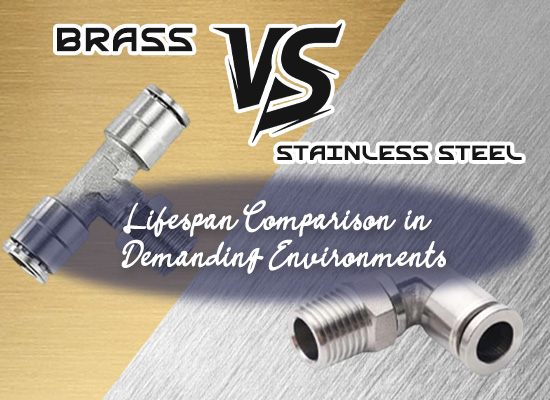 Brass vs Stainless Steel Fittings: Lifespan Comparison in Demanding Environments
You May Interest In
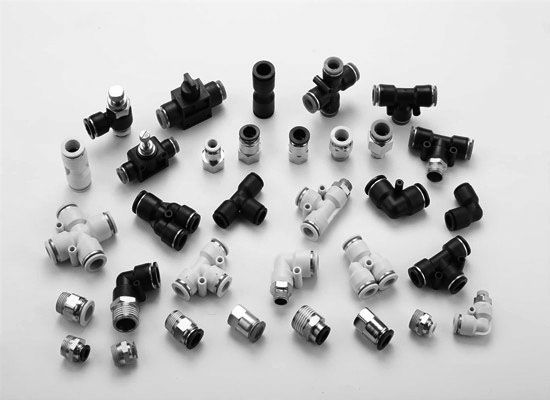
May 07, 2025 Blog
Comprehensive Analysis of Pneumatic Push in Fittings
Apr 22, 2025 Blog
Solution for Nylon Tube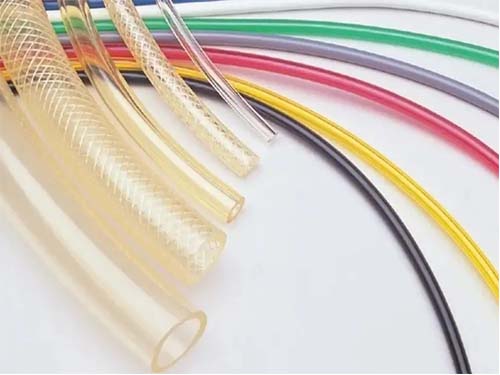
Apr 16, 2025 Blog
PVC Tubing vs. Polyurethane Tubing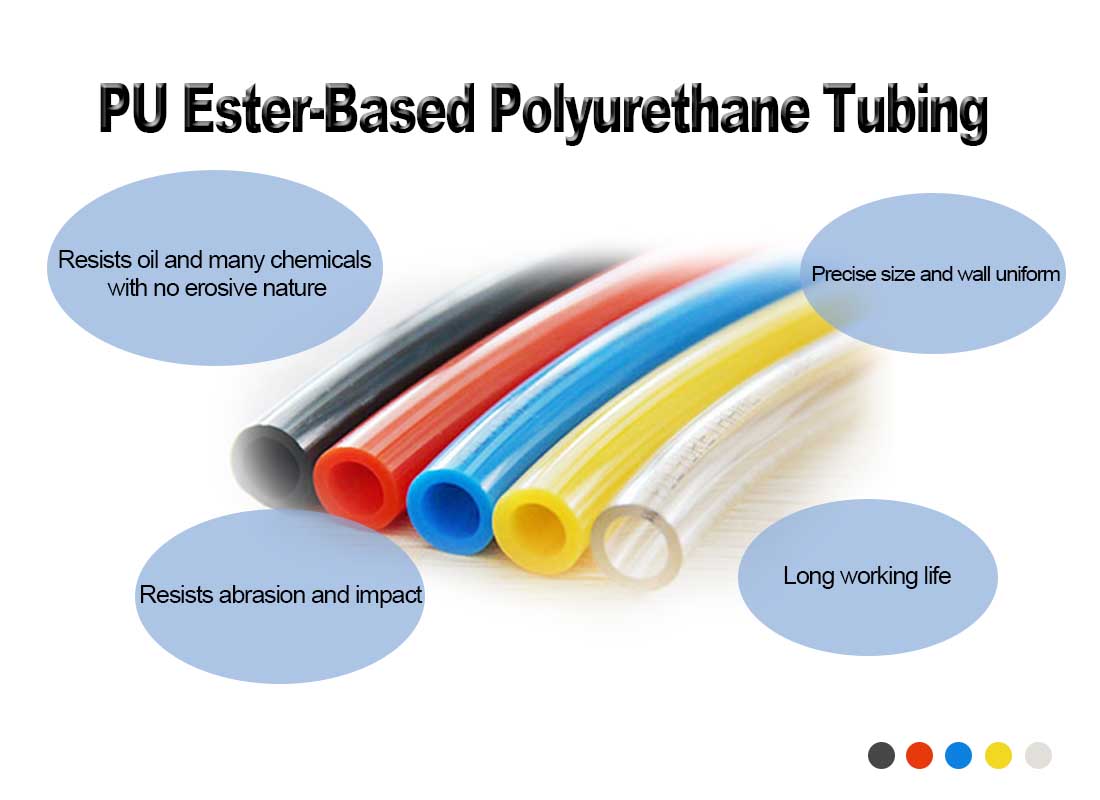
Apr 10, 2025 Blog
What is the difference between pu and pvc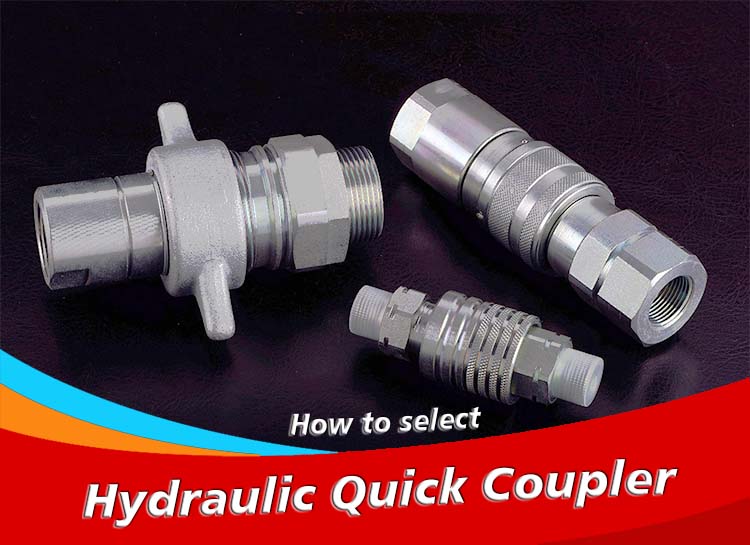
Feb 24, 2025 Blog
How to Identify Hydraulic Quick Couplers?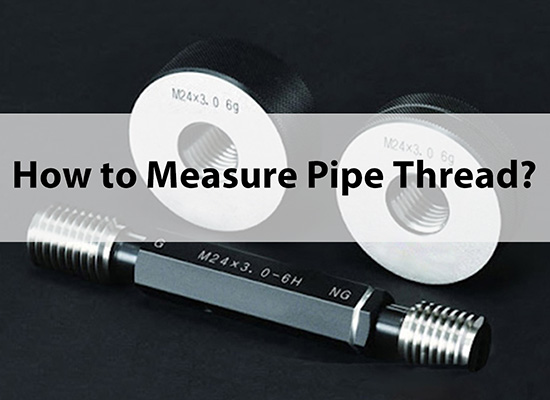
Jan 21, 2025 Blog
How to Measure Pipe Thread?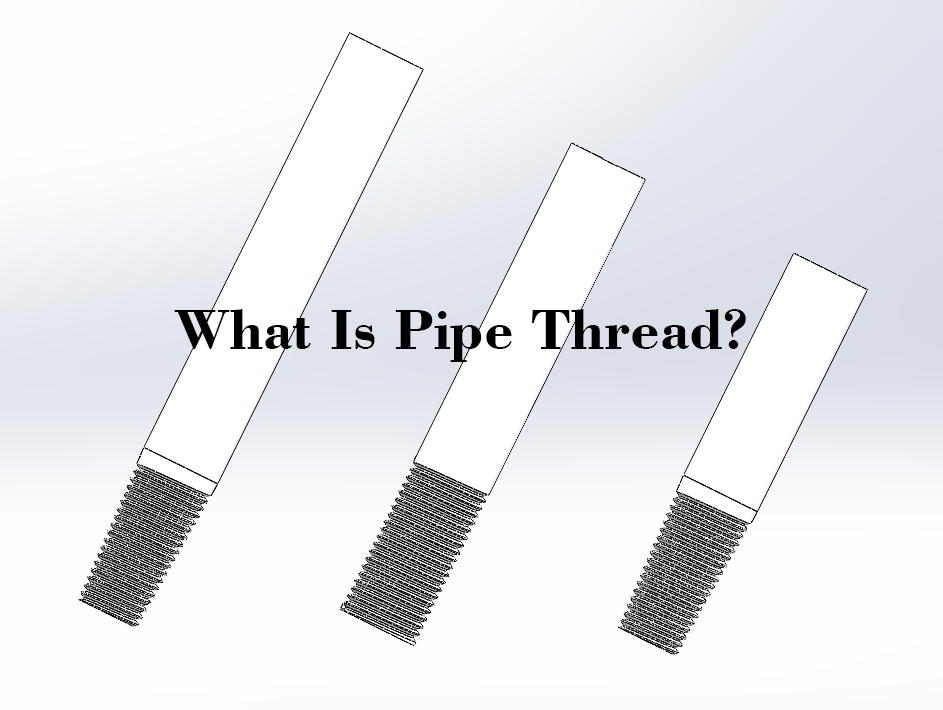
Jan 16, 2025 Blog
What Is Pipe thread?
Dec 04, 2024 Blog
Application Of Tube Fitting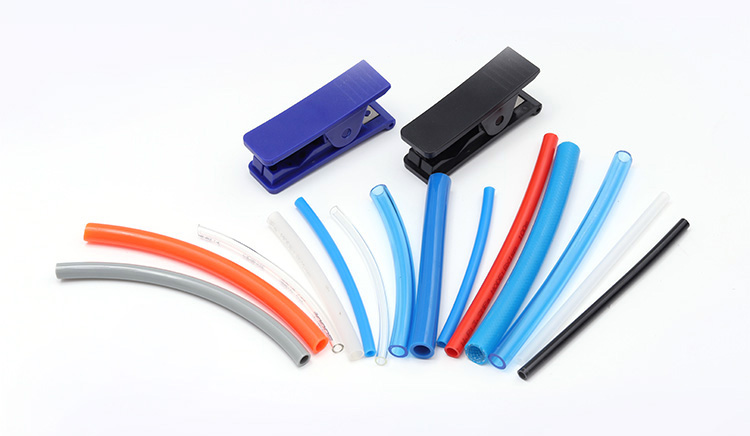
Jun 26, 2023 Blog
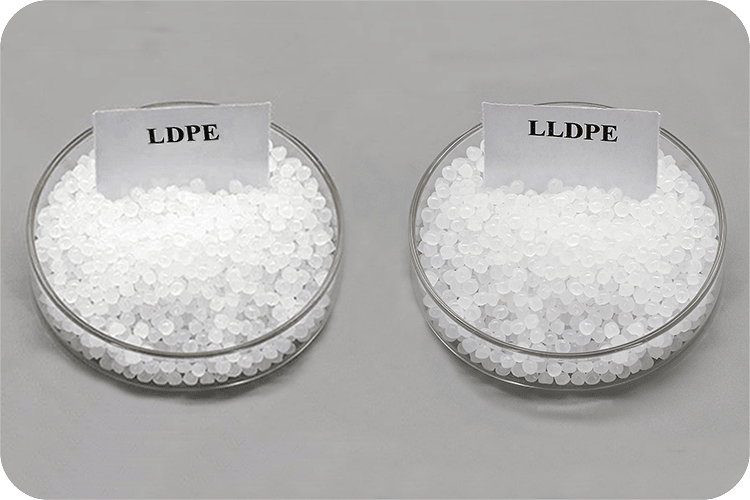
What Is The Difference Between LLDPE And LDPE?
Jan 17, 2023 Blog
What Are The Classification Of Plastics?
Get a free sample

Links: www.fescolo.com(Pneumatic)
FOKCA ©1998-2025 All Rights Reserved Sitemap