Feb 20, 2026
An unstable vacuum generator is one of the most common issues in automated production. Many users believe the problem comes from the device itself, yet the real causes are often related to installation and air supply. A properly selected vacuum generator pneumatic should maintain steady performance, but leakage, pressure fluctuation, or blocked components can easily disturb the balance. Understanding these factors helps engineers and distributors provide more reliable solutions.
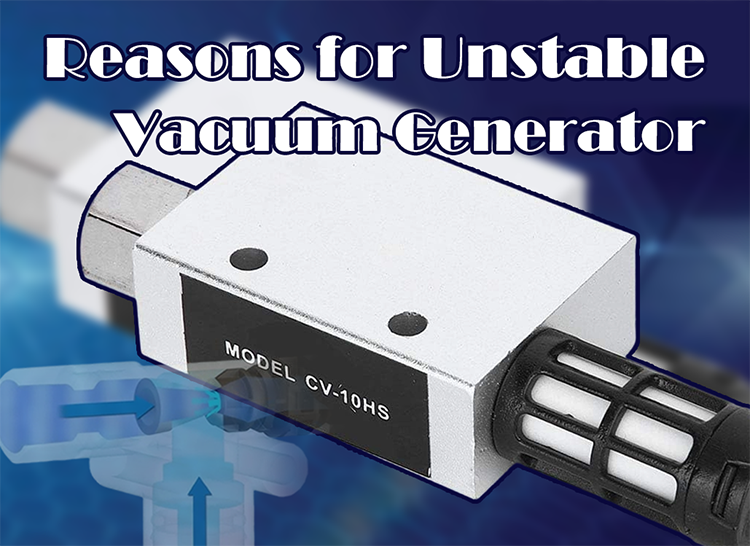
Leakage around suction cups, fittings, or pipelines is the first reason for vacuum fluctuation. Even a high-quality vacuum ejector cannot compensate for continuous air loss. Small cracks on hoses or worn seals gradually reduce vacuum level during each cycle. Good sealing is the foundation of stable suction, and regular inspection of tubing and connectors should be part of daily maintenance.
The performance of a vacuum generator directly depends on compressed air pressure. When several machines share the same air line, pressure may drop at peak time, leading to unstable results. Installing a dedicated regulator and monitoring gauge can effectively solve this issue. For applications with strict rhythm, choosing a model with lower air consumption is more reliable.
Dust and oil in the workshop gradually block the silencer of a vacuum generator pneumatic. Once the exhaust path becomes narrow, the internal pressure balance is destroyed and the vacuum level falls. Many users replace the whole unit without noticing that a simple silencer change would recover performance. Keeping the exhaust clean greatly extends service life.
| Symptom | Possible cause | Action |
|---|---|---|
| Vacuum drops slowly | Hose leakage | Check fittings |
| Value jumps | Air pressure | Add regulator |
| Noise increases | Silencer blocked | Replace silencer |
Every vacuum ejector has its optimal working range. A nozzle too small cannot provide enough flow for porous materials, while a nozzle too large wastes air and becomes sensitive to pressure change. This mismatch is a hidden reason for many unstable cases. Testing with real workpieces before final selection is highly recommended.
Water, oil, and particles entering the vacuum generator damage internal surfaces and change flow characteristics. Without proper filtration, performance will gradually decline. Installing air preparation units and using clean polyurethane air tubing protect the whole system and reduce unexpected downtime.
To avoid an unstable vacuum generator, users should look at the system as a whole rather than a single component. Reliable structure design, easy-to-replace silencers, and energy-saving models with tolerant nozzle ranges offer better long-term stability. Distributors who provide these solutions gain stronger trust from customers.
A stable vacuum generator pneumatic ensures safe handling and consistent production quality. Identifying the five reasons above helps engineers quickly locate problems and choose more dependable products for future projects.
(FK9026)
 PVC Tubing vs Polyurethane Tubing: Choosing the Better Air Hose for Modern Pneumatic Systems
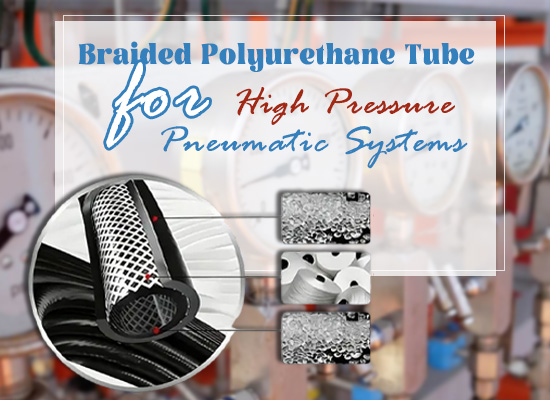 Braided Polyurethane Tube for High Pressure Pneumatic Systems
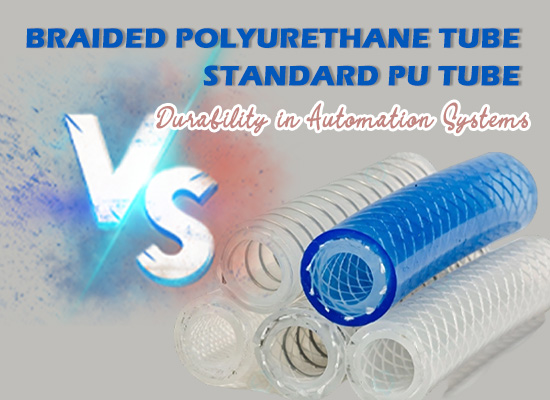 PUB Braided Polyurethane Tube vs Standard PU Tube: Durability in Automation Systems
 Food Grade Pneumatic Fittings: Why Full Stainless Steel One-Touch Fittings Matter in Hygienic Production Lines
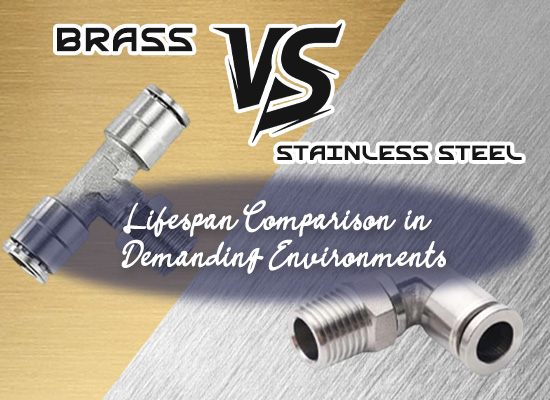 Brass vs Stainless Steel Fittings: Lifespan Comparison in Demanding Environments
You May Interest In
May 07, 2025 Blog
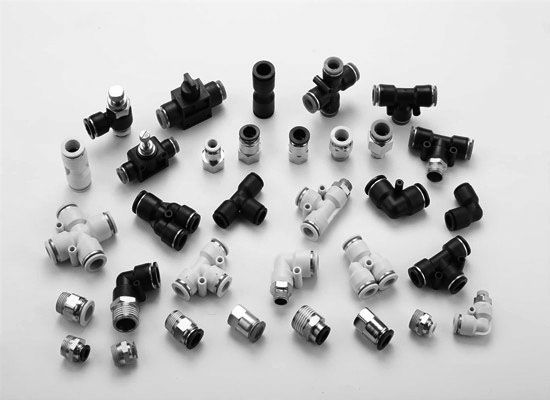
Comprehensive Analysis of Pneumatic Push in Fittings
Apr 22, 2025 Blog
Solution for Nylon Tube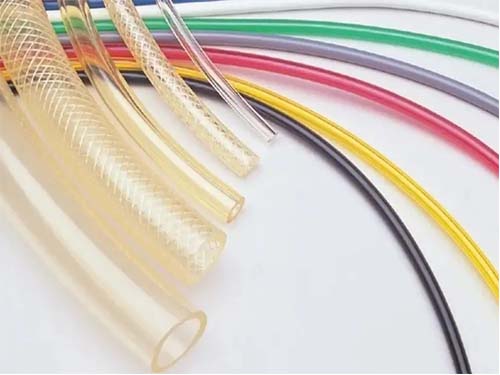
Apr 16, 2025 Blog
PVC Tubing vs. Polyurethane Tubing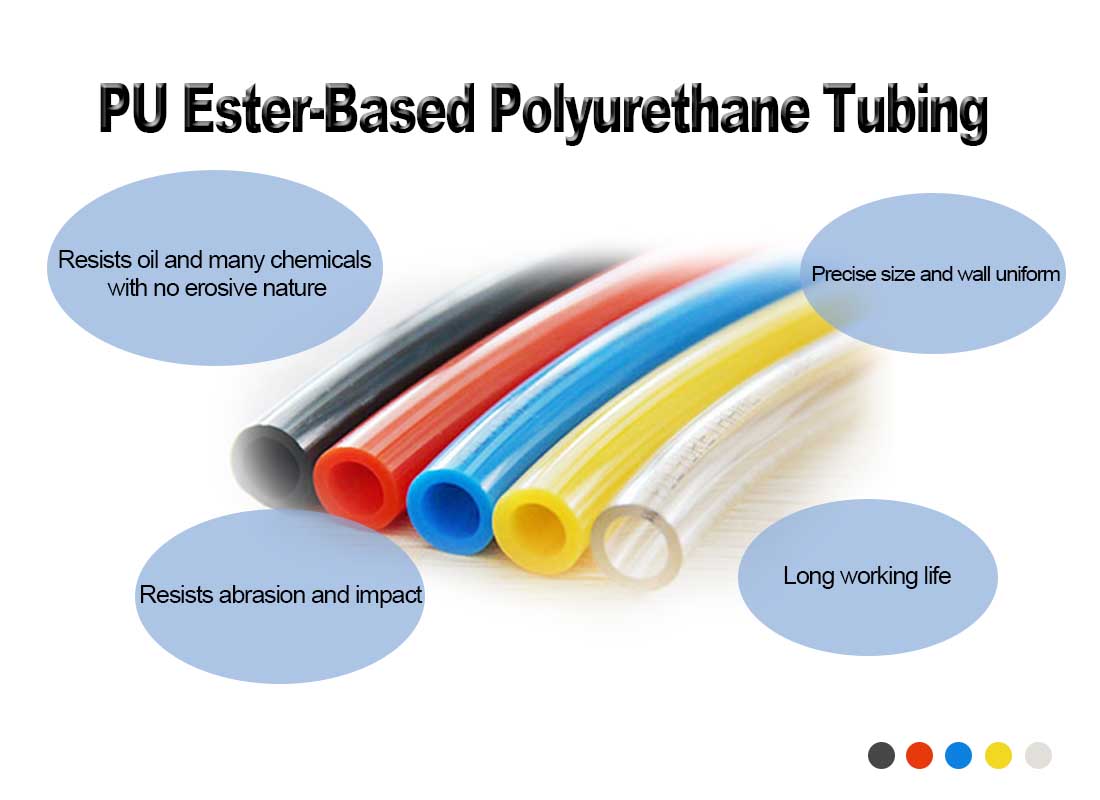
Apr 10, 2025 Blog
What is the difference between pu and pvc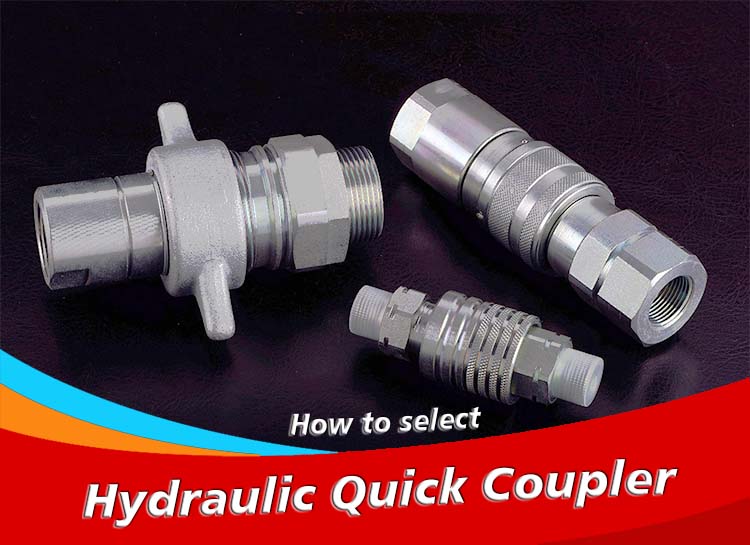
Feb 24, 2025 Blog
How to Identify Hydraulic Quick Couplers?
Jan 21, 2025 Blog
How to Measure Pipe Thread?
Jan 16, 2025 Blog
What Is Pipe thread?
Dec 04, 2024 Blog
Application Of Tube Fitting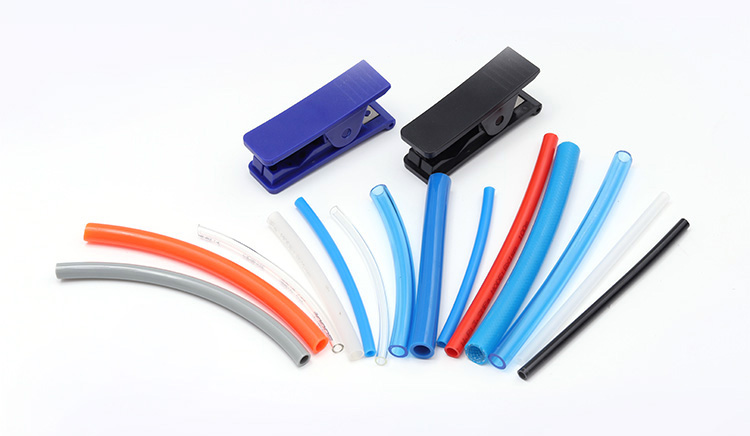
Jun 26, 2023 Blog
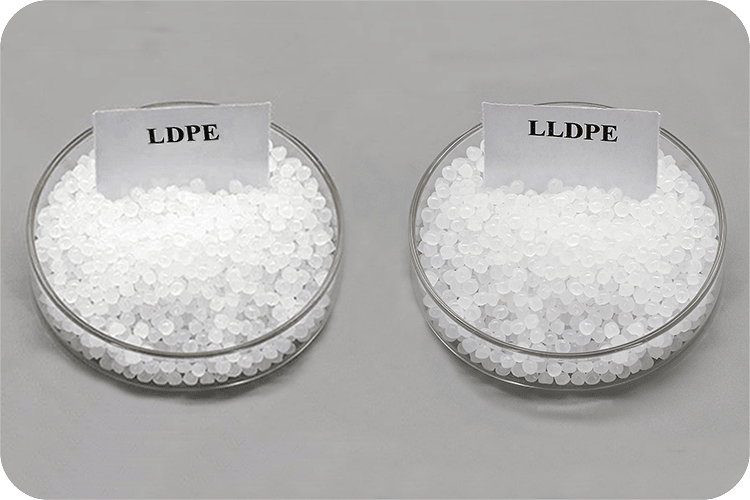
What Is The Difference Between LLDPE And LDPE?
Jan 17, 2023 Blog
What Are The Classification Of Plastics?
Get a free sample

Links: www.fescolo.com(Pneumatic)
FOKCA ©1998-2025 All Rights Reserved Sitemap