Feb 23, 2026
PU tubing hydrolysis is a gradual material degradation process that occurs when polyurethane tubing operates in humid, high-temperature, or water-contact environments. During hydrolysis, the molecular structure of certain polyurethane formulations breaks down, leading to performance deterioration. In pneumatic and fluid systems, hydrolysis not only affects appearance but also reduces pressure resistance, sealing reliability, and service life. Understanding the symptoms and prevention methods is essential for selecting the correct polyurethane tubing in demanding applications.
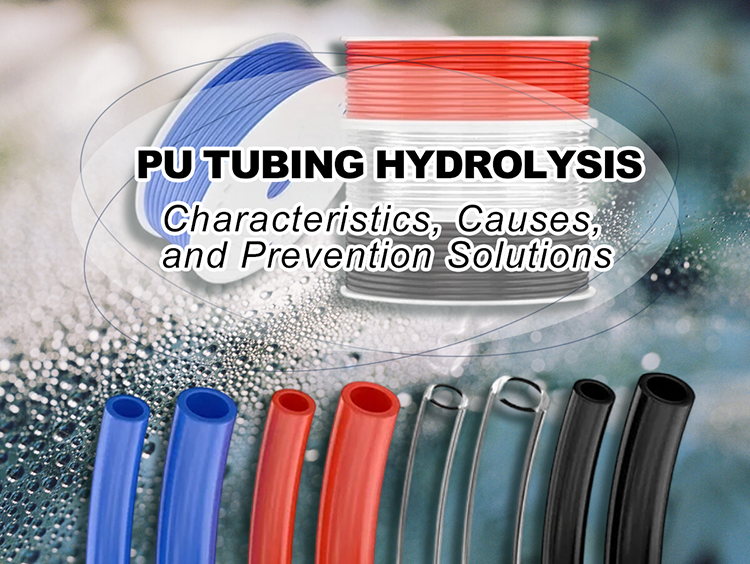
Hydrolysis primarily occurs in ester-based polyurethane materials when moisture reacts with the polymer chains over time. Elevated temperatures, high humidity, and exposure to hot water significantly accelerate this reaction.
In affected systems, polyurethane tubing installed in cooling systems, outdoor automation equipment, or water-spray environments is particularly vulnerable. Without proper material selection, degradation may begin long before the expected service life is reached.
As hydrolysis progresses, visible and mechanical changes appear. These symptoms vary depending on exposure duration and environmental severity.
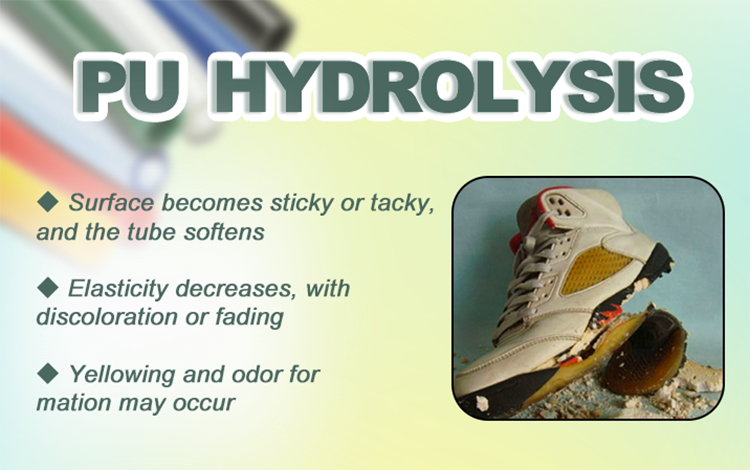
Common hydrolysis indicators include:
1.Surface becomes sticky or tacky
2.Tube softening and reduced elasticity
3.Discoloration, yellowing, or fading
4.Noticeable odor caused by decomposition by-products such as ammonia
5.Reduced mechanical strength and pressure resistance
6.Difficulty maintaining tight connection with push-in fittings
Loss of elasticity and dimensional stability often leads to air leakage or tube loosening, especially in pneumatic automation lines where repeated motion occurs.
| Hydrolysis Stage | Visual Appearance | Mechanical Impact | System Risk |
|---|---|---|---|
| Early stage | Slight discoloration | Minimal strength change | Low |
| Medium stage | Sticky surface, softening | Reduced pressure resistance | Medium |
| Severe stage | Strong odor, heavy deformation | Significant loss of toughness | High leakage risk |
Once the tubing reaches the severe stage, replacement is strongly recommended because pressure-bearing capacity can no longer be guaranteed.
Several preventive measures can extend service life, but material selection remains the most effective long-term solution.
Recommended practices:
◆Use tubing designed for humid or water-contact environments
◆Avoid prolonged exposure to high temperatures and steam
◆Install protective routing away from direct water spray
◆Perform periodic inspection in wet operating areas
However, the most reliable prevention method is choosing hydrolysis-resistant materials during system design rather than replacing tubing after degradation occurs.
Compared with ester-based polyurethane, hydrolysis resistance polyurethane tubing made from polyether formulations offers significantly better resistance to moisture and microbial environments. These materials maintain flexibility, strength, and sealing stability even under continuous humidity exposure.
Advantages of hydrolysis resistant PU tube materials:
◆Excellent resistance to water-induced molecular degradation
◆Stable elasticity over long service periods
◆Lower risk of odor formation and discoloration
◆Improved reliability in outdoor, cooling-water, and food-processing equipment
For systems requiring long service intervals, polyether polyurethane tubing provides a more durable and maintenance-friendly alternative, especially in automation equipment operating under fluctuating environmental conditions.
Industries frequently exposed to moisture benefit most from hydrolysis resistance polyurethane hose solutions:
1.Food and beverage machinery
2.Outdoor automation equipment
3.Cooling and liquid transfer systems
4.Agricultural machinery
5.High-humidity production workshops
Selecting the appropriate PU tube type at the initial design stage significantly reduces maintenance costs and unexpected downtime.
In environments where humidity, water contact, or temperature fluctuation cannot be avoided, selecting polyether-based polyurethane tubing at the procurement stage is the most effective long-term strategy. Proper material selection ensures stable pressure performance, secure fitting connections, and extended service life for pneumatic and fluid transfer systems.
(FK9026)
 PVC Tubing vs Polyurethane Tubing: Choosing the Better Air Hose for Modern Pneumatic Systems
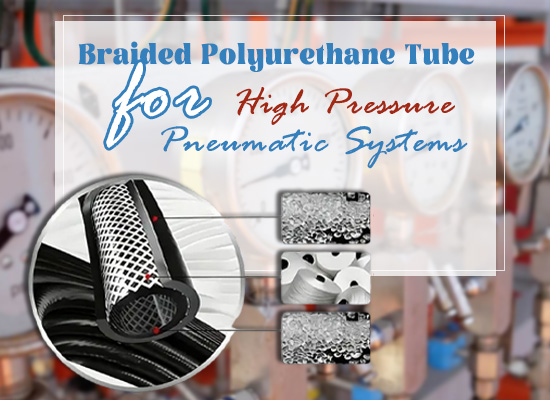 Braided Polyurethane Tube for High Pressure Pneumatic Systems
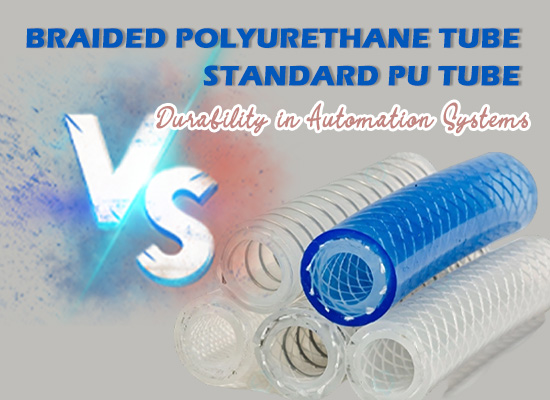 PUB Braided Polyurethane Tube vs Standard PU Tube: Durability in Automation Systems
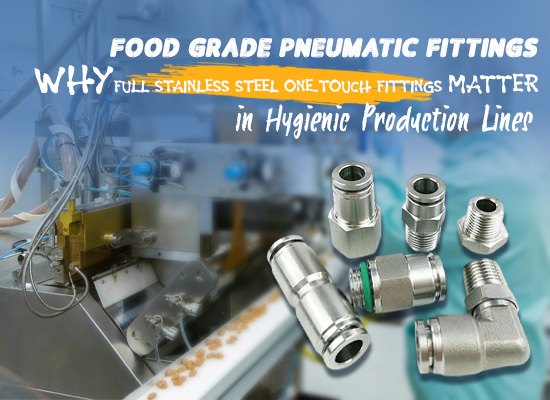 Food Grade Pneumatic Fittings: Why Full Stainless Steel One-Touch Fittings Matter in Hygienic Production Lines
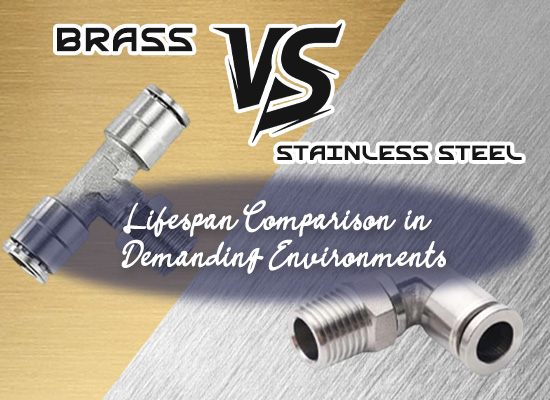 Brass vs Stainless Steel Fittings: Lifespan Comparison in Demanding Environments
You May Interest In
May 07, 2025 Blog
Comprehensive Analysis of Pneumatic Push in Fittings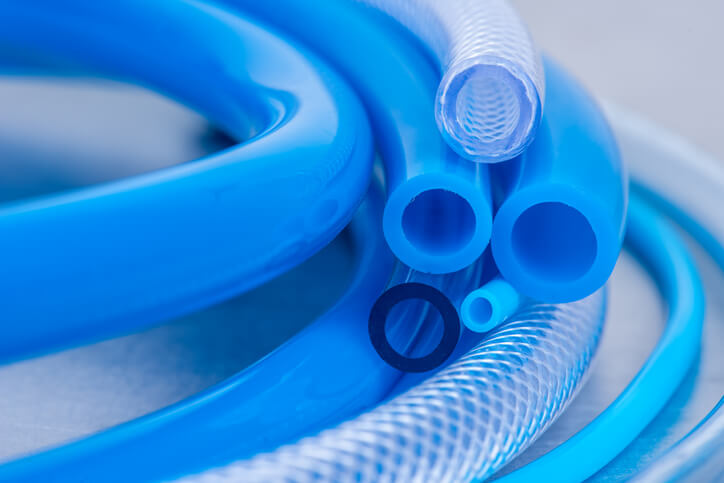
Apr 22, 2025 Blog
Solution for Nylon Tube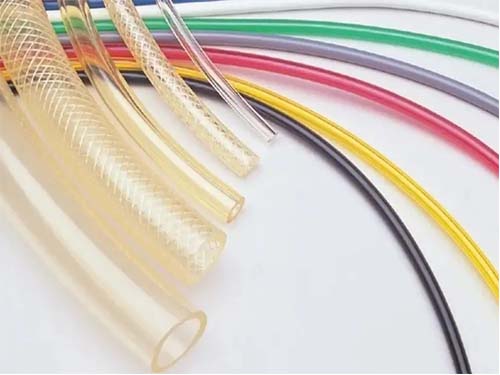
Apr 16, 2025 Blog
PVC Tubing vs. Polyurethane Tubing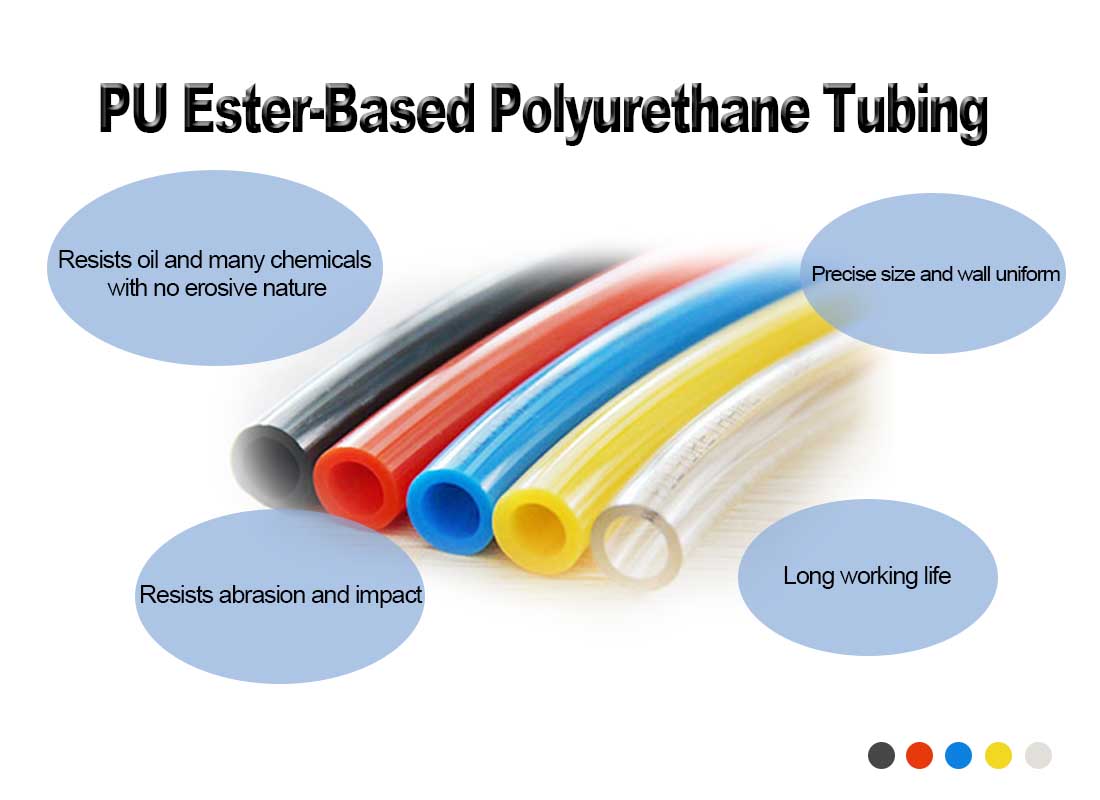
Apr 10, 2025 Blog
What is the difference between pu and pvc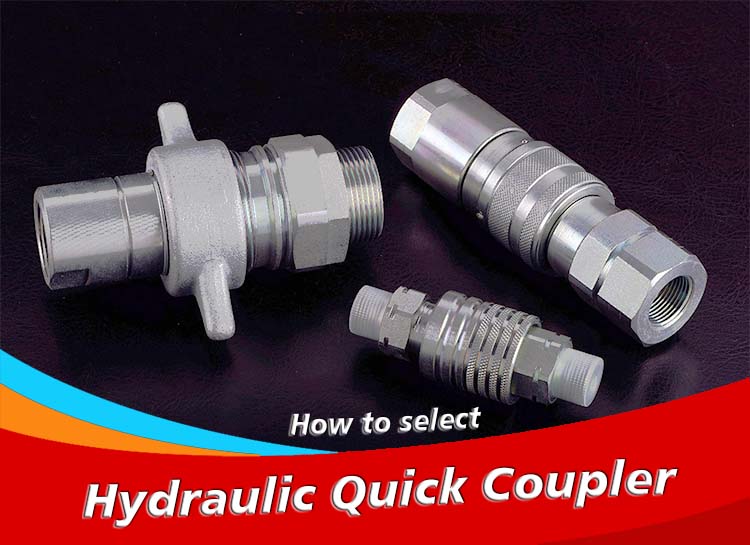
Feb 24, 2025 Blog
How to Identify Hydraulic Quick Couplers?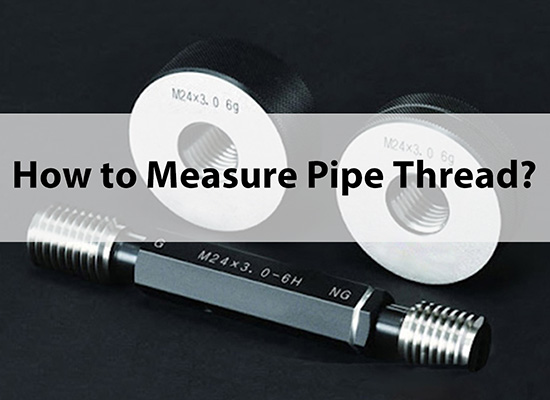
Jan 21, 2025 Blog
How to Measure Pipe Thread?
Jan 16, 2025 Blog
What Is Pipe thread?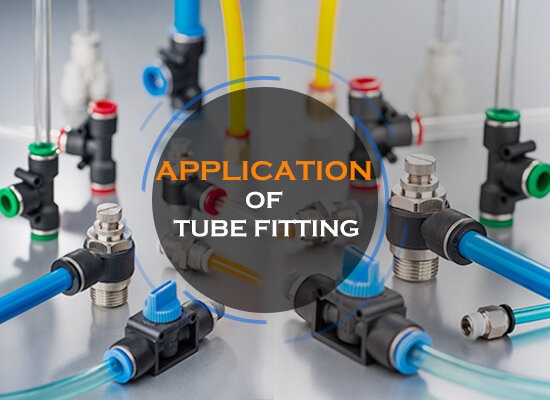
Dec 04, 2024 Blog
Application Of Tube Fitting
Jun 26, 2023 Blog
What Is The Difference Between LLDPE And LDPE?
Jan 17, 2023 Blog
What Are The Classification Of Plastics?
Get a free sample

Links: www.fescolo.com(Pneumatic)
FOKCA ©1998-2025 All Rights Reserved Sitemap