Mar 05, 2026
In pneumatic installations, the choice of connection components directly affects installation speed, system reliability, and maintenance efficiency. Traditional pipe fittings have been used for decades, especially in rigid piping systems. However, modern automation equipment increasingly prefers push in fittings or push to connect fittings because they simplify installation and improve sealing performance. For equipment engineers and maintenance teams, these small components can significantly reduce assembly time and operational downtime.
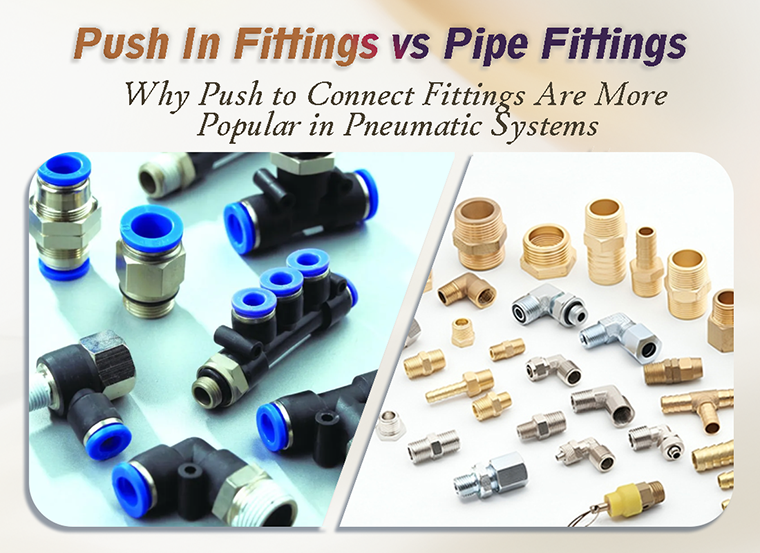
One of the biggest advantages of push in fittings is installation simplicity. Traditional pipe fittings typically require threaded connections or hose barbs. Installers must prepare tools such as thread seal tape, wrenches, hose clamps, and pipe pliers.
This process can be time-consuming, especially when dozens or hundreds of connections are required in an automation system. Push to connect fittings eliminate most of these steps. The tube only needs to be inserted into the fitting, and the internal gripping mechanism locks it securely in place.
Because of this design, technicians can complete installations much faster while reducing the need for specialized tools.
Modern industrial equipment is becoming increasingly compact. Machine designers often need to route pneumatic tubing inside tight frames or control cabinets.
Traditional pipe fittings require space for tools during assembly and maintenance. In contrast, push in fittings allow direct tube insertion without additional tool clearance. This feature makes them particularly useful in automated production lines, packaging machines, and robotic systems.
As a result, engineers can design more integrated and space-efficient pneumatic layouts using pneumatic fittings with push-in technology.
Sealing reliability is another major reason why push to connect fittings are widely used in pneumatic systems. In traditional pipe fittings, sealing usually depends on thread seal tape or additional sealing materials.
By comparison, push in fittings use internal O-ring seals to create airtight connections with the tube surface. This design helps reduce leakage risks and provides consistent sealing performance across multiple installations.
For automated equipment that operates continuously, stable sealing directly improves system efficiency and air consumption control.
Maintenance teams often face the challenge of replacing tubing or connectors during machine servicing. Traditional pipe fittings may require removing clamps, loosening threads, and reinstalling sealing materials.
With push to connect fittings, the process is much simpler. Pressing the release ring allows the tube to be removed instantly. This quick-release mechanism greatly reduces maintenance time.
In production lines where downtime affects productivity, easy replacement of pneumatic fittings becomes a valuable advantage for plant operators.
The following table summarizes the main differences between the two connection types.
| Feature | Push In Fittings | Pipe Fittings |
|---|---|---|
| Installation Method | Push-to-connect design | Threaded or hose barb connection |
| Required Tools | Minimal or none | Wrenches, clamps, seal tape |
| Installation Speed | Very fast | Slower |
| Maintenance | Easy tube release | More complicated disassembly |
| Sealing Method | O-ring sealing | Thread sealing |
This comparison explains why push in fittings have become the preferred pneumatic fittings in many automation systems.
Because of their convenience and reliability, push to connect fittings are widely used across industrial automation equipment.
Typical applications include:
1.Automated assembly machines
2.Packaging and filling equipment
3.CNC machine pneumatic systems
4.Robotics and material handling systems
5.Air preparation units and valve manifolds
In these systems, the ability to quickly connect or replace tubing helps maintain smooth operation.
When designing pneumatic circuits, engineers increasingly choose push in fittings over traditional pipe fittings to improve installation efficiency, simplify maintenance, and enhance sealing reliability. For modern automation equipment, this small upgrade in pneumatic fittings design can significantly improve the overall performance of pneumatic systems.
(FK9026)
 PVC Tubing vs Polyurethane Tubing: Choosing the Better Air Hose for Modern Pneumatic Systems
 Braided Polyurethane Tube for High Pressure Pneumatic Systems
 PUB Braided Polyurethane Tube vs Standard PU Tube: Durability in Automation Systems
 Food Grade Pneumatic Fittings: Why Full Stainless Steel One-Touch Fittings Matter in Hygienic Production Lines
 Brass vs Stainless Steel Fittings: Lifespan Comparison in Demanding Environments
You May Interest In
May 07, 2025 Blog
Comprehensive Analysis of Pneumatic Push in Fittings
Apr 22, 2025 Blog
Solution for Nylon Tube
Apr 16, 2025 Blog
PVC Tubing vs. Polyurethane Tubing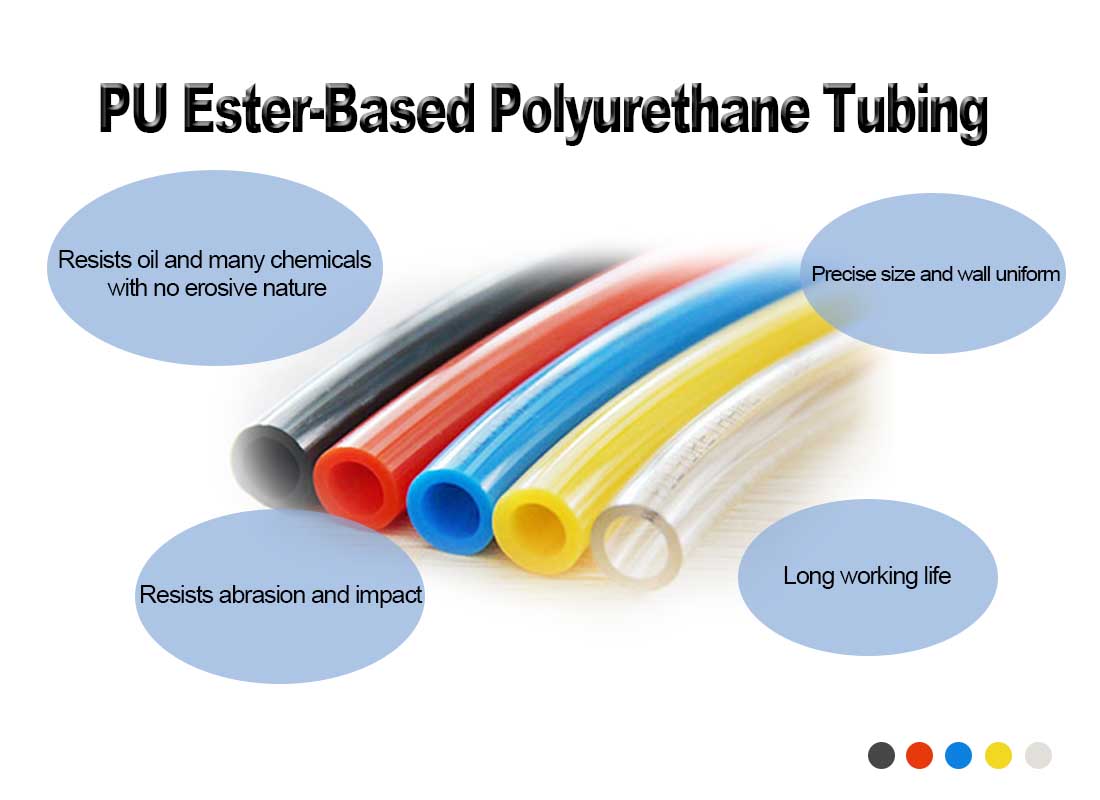
Apr 10, 2025 Blog
What is the difference between pu and pvc
Feb 24, 2025 Blog
How to Identify Hydraulic Quick Couplers?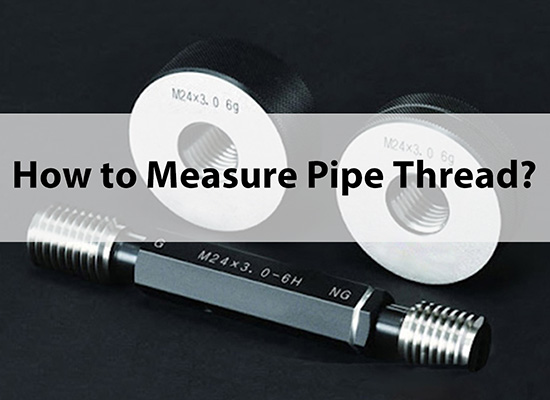
Jan 21, 2025 Blog
How to Measure Pipe Thread?
Jan 16, 2025 Blog
What Is Pipe thread?
Dec 04, 2024 Blog
Application Of Tube Fitting
Jun 26, 2023 Blog
What Is The Difference Between LLDPE And LDPE?
Jan 17, 2023 Blog
What Are The Classification Of Plastics?
Get a free sample

Links: www.fescolo.com(Pneumatic)
FOKCA ©1998-2025 All Rights Reserved Sitemap