Mar 06, 2026
When selecting tubing for outdoor pneumatic or fluid systems, environmental factors such as moisture, UV radiation, and temperature fluctuations must be considered. Nylon Tubing is widely used in automation because of its high strength and pressure resistance. However, from a materials science perspective, nylon is not ideal for long-term outdoor exposure without certain precautions. Understanding its limitations helps engineers and distributors recommend the right solution for each application.
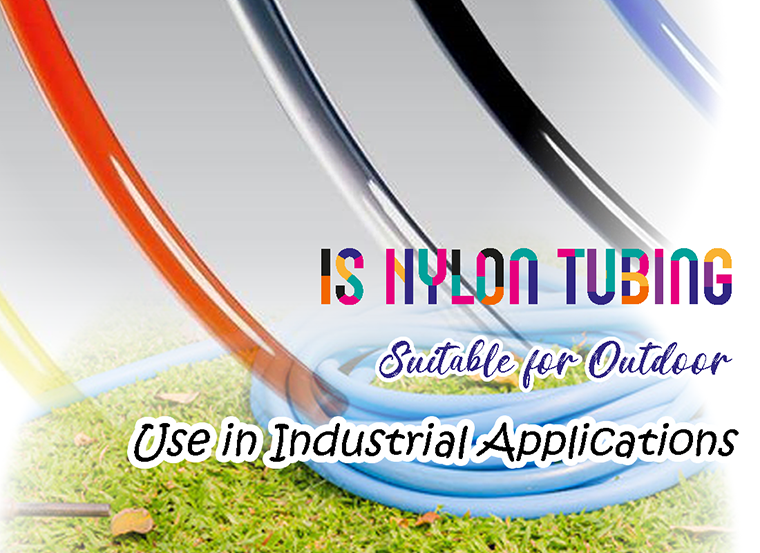
One important characteristic of Nylon Tubing is its hygroscopic nature, meaning it absorbs moisture from the surrounding environment. The amide groups in nylon molecules attract water, which can cause the material to expand slightly and change mechanical properties.
In outdoor installations exposed to rain or humidity, this absorption may affect dimensional stability and tensile strength over time. For precision pneumatic systems or tightly routed pipelines, such changes can lead to minor fitting stress or reduced reliability if not properly considered.
Another factor affecting Nylon hose in outdoor environments is ultraviolet radiation. Continuous UV exposure gradually breaks down polymer chains, which may cause the tubing to become brittle, hardened, or slightly discolored after extended periods.
Compared with some plastics designed specifically for outdoor environments, standard nylon materials provide limited UV resistance. This is why many equipment engineers prefer alternative materials or protective strategies when designing systems intended for permanent outdoor operation.
Not all nylon materials behave the same. Among common grades, PA12 tubing generally performs better in outdoor conditions than PA6.
PA12 offers lower moisture absorption and improved UV stability, making it more suitable for exposed installations. While it still does not match dedicated UV-resistant polymers, PA12 Nylon Tube can extend service life in applications where nylon’s mechanical strength is required.
| Property | PA6 Nylon Tube | PA12 Nylon Tube |
|---|---|---|
| Moisture Absorption | Higher | Lower |
| UV Resistance | Moderate | Better |
| Flexibility | Good | Excellent |
| Outdoor Suitability | Limited | Improved |
The table shows typical performance differences between common nylon tubing grades.
Although Nylon Tubing is not typically recommended for long-term outdoor exposure, several practical measures can improve its durability.
First, black nylon tubing is preferred because the dark pigment helps block ultraviolet radiation. This is one of the simplest and most effective ways to reduce UV degradation.
Second, when installing PA hose outdoors, the tubing should be allowed to remain slightly relaxed rather than tightly stretched. Similar to electrical cables, a small amount of slack helps accommodate thermal expansion and contraction, preventing excessive stress in the line.
Finally, if long-term outdoor reliability is required, engineers may consider UV-resistant polyurethane tubing or other materials specifically designed for weather exposure.
Despite its limitations, Nylon Tube can still be used outdoors in certain scenarios, particularly for short-term or semi-protected installations, such as:
◆Temporary pneumatic air supply lines
◆Outdoor equipment with partial shielding
◆Mobile machinery where tubing is periodically replaced
In these cases, correct material selection and installation methods can ensure reliable performance while maintaining the strength advantages of nylon hose.
Selecting tubing for outdoor systems requires balancing material durability, cost, and mechanical performance. When properly specified—such as choosing PA12 Nylon Tubing or using UV-shielded black nylon hoses—nylon can still play a practical role in certain outdoor pneumatic applications.
For engineers and distributors evaluating tubing options, FOKCA provides multiple solutions including Nylon Tubing, polyurethane air hose, and weather-resistant pneumatic tubing, allowing systems to be designed for both indoor and outdoor environments.
(FK9026)
 PVC Tubing vs Polyurethane Tubing: Choosing the Better Air Hose for Modern Pneumatic Systems
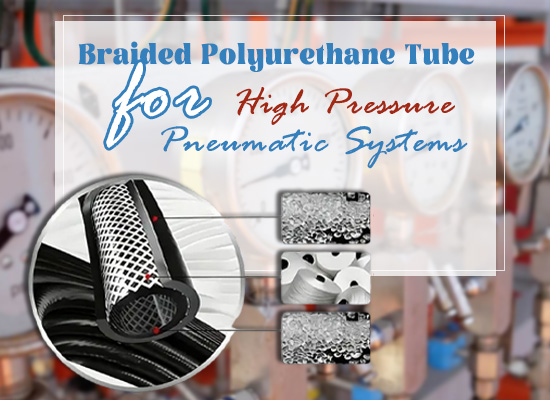 Braided Polyurethane Tube for High Pressure Pneumatic Systems
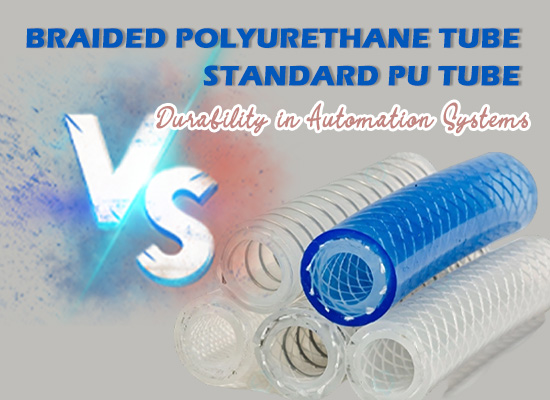 PUB Braided Polyurethane Tube vs Standard PU Tube: Durability in Automation Systems
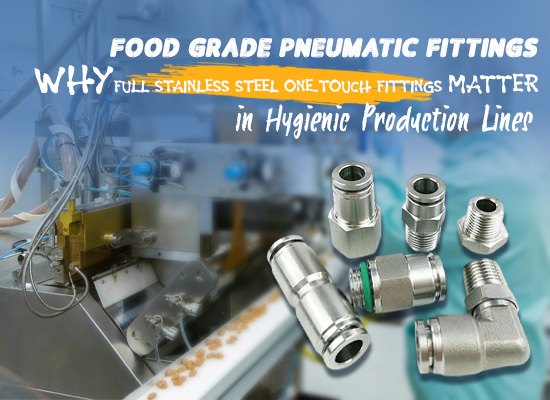 Food Grade Pneumatic Fittings: Why Full Stainless Steel One-Touch Fittings Matter in Hygienic Production Lines
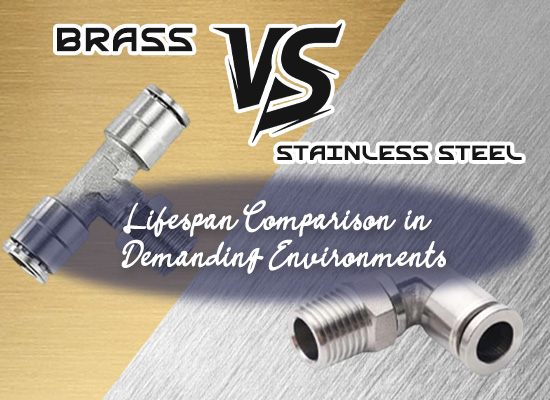 Brass vs Stainless Steel Fittings: Lifespan Comparison in Demanding Environments
You May Interest In
May 07, 2025 Blog
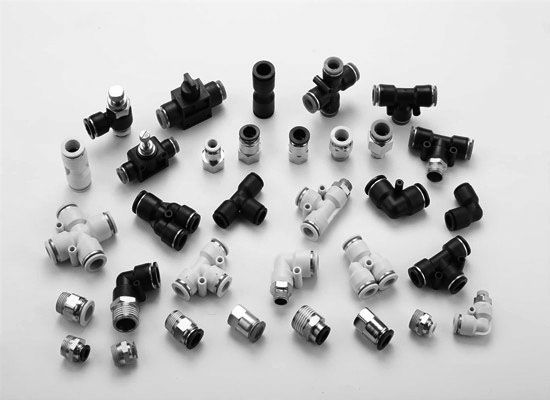
Comprehensive Analysis of Pneumatic Push in Fittings
Apr 22, 2025 Blog
Solution for Nylon Tube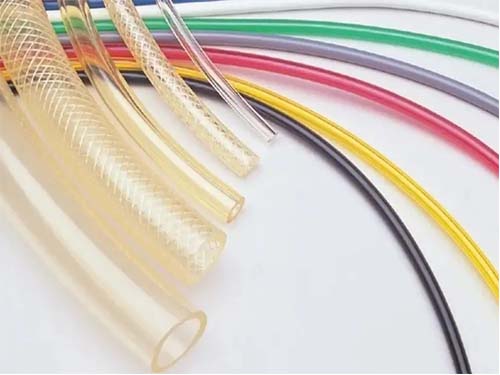
Apr 16, 2025 Blog
PVC Tubing vs. Polyurethane Tubing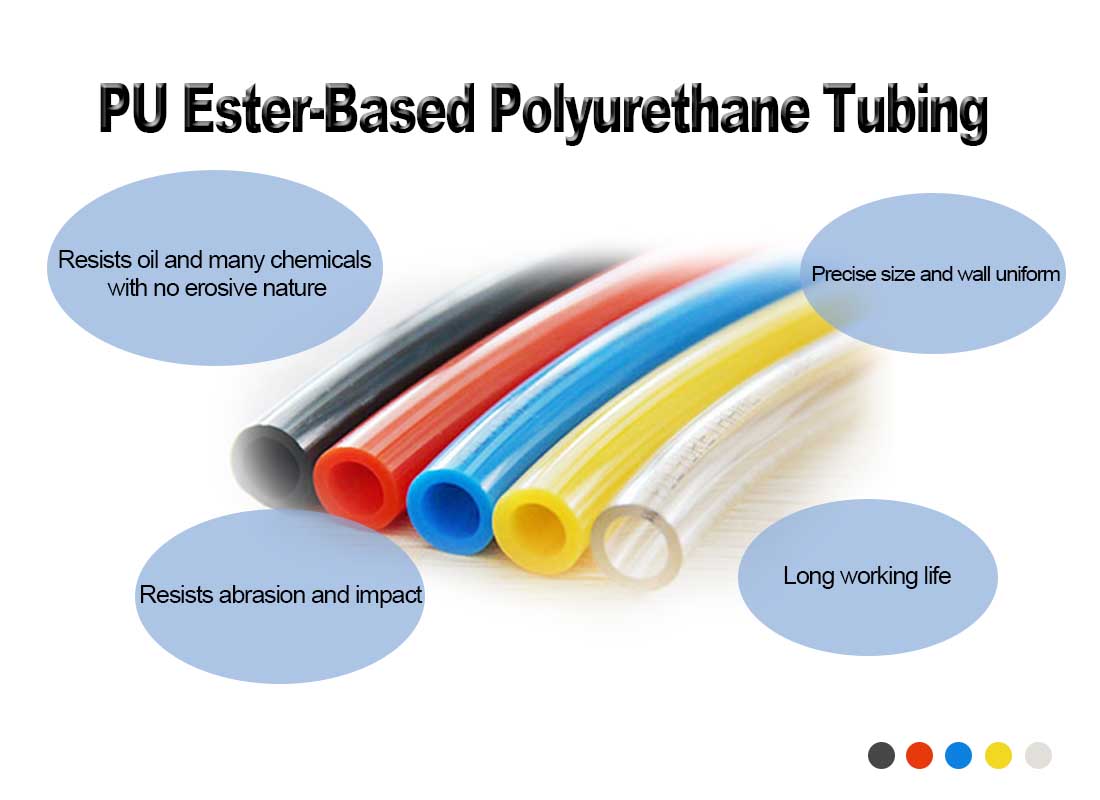
Apr 10, 2025 Blog
What is the difference between pu and pvc
Feb 24, 2025 Blog
How to Identify Hydraulic Quick Couplers?
Jan 21, 2025 Blog
How to Measure Pipe Thread?
Jan 16, 2025 Blog
What Is Pipe thread?
Dec 04, 2024 Blog
Application Of Tube Fitting
Jun 26, 2023 Blog
What Is The Difference Between LLDPE And LDPE?
Jan 17, 2023 Blog
What Are The Classification Of Plastics?
Get a free sample

Links: www.fescolo.com(Pneumatic)
FOKCA ©1998-2025 All Rights Reserved Sitemap