Feb 18, 2026
Brass compression fittings on plastic pipe are widely used in pneumatic, water, and low-pressure fluid systems due to their durability, reliability, and ease of installation. Using them correctly ensures a secure seal and prevents deformation of the plastic tubing. Engineers and distributors need to understand installation techniques and reinforcement options to maximize performance and safety.
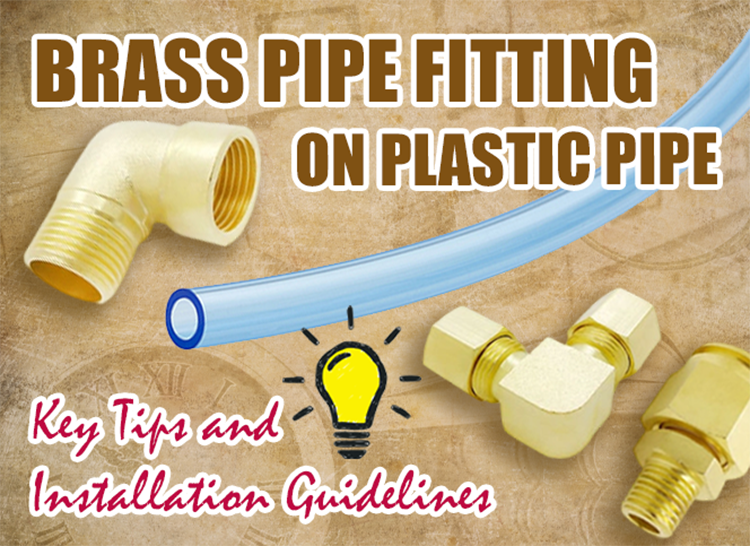
Selecting the appropriate brass compression pipe fitting depends on pipe material, diameter, and pressure rating. For plastic pipes, using fittings with internal stiffeners or inserts can prevent pipe deformation during tightening. Correct selection minimizes leakage risks and improves the longevity of the system.
Plastic pipes can be reinforced with internal inserts or sleeves when connected to brass fittings. This reinforcement distributes compression force evenly along the pipe wall, preventing collapse or cracks. Brass compression tube fittings with such features are ideal for laboratory setups, pneumatic lines, and light water distribution systems.
Proper installation is crucial. Begin by cutting the plastic pipe squarely, deburring edges, and inserting the stiffener fully. Hand-tighten the nut first, then apply torque gradually according to manufacturer specifications. This prevents over-compression and ensures a long-lasting seal. Using brass connector fittings designed for plastic pipes simplifies this process and reduces installation errors.
Brass compression fittings on plastic pipe are commonly used in HVAC systems, water supply networks, pneumatic assemblies, and automated production lines. They provide secure connections while allowing easy maintenance and occasional disassembly, making them versatile for both industrial and commercial applications.
| Pipe Material | Recommended Fitting | Reinforcement Needed | Key Advantages |
|---|---|---|---|
| Plastic Pipe | Brass compression fittings on plastic pipe | Internal insert or sleeve | Prevents deformation, secure seal |
| Copper Pipe | Use brass compression fittings on copper pipe | None | Reusable, high pressure tolerance |
Regular inspection of threaded brass pipe fittings ensures there is no loosening or leakage. Periodic retightening and replacement of worn components extend the lifespan of the connection. Proper maintenance reduces downtime and ensures system reliability.
Using the right brass compression pipe fitting with reinforcement methods, proper installation, and maintenance practices allows engineers and distributors to confidently integrate brass fittings on plastic pipes into complex piping systems.
(FK9026)
 PVC Tubing vs Polyurethane Tubing: Choosing the Better Air Hose for Modern Pneumatic Systems
 Braided Polyurethane Tube for High Pressure Pneumatic Systems
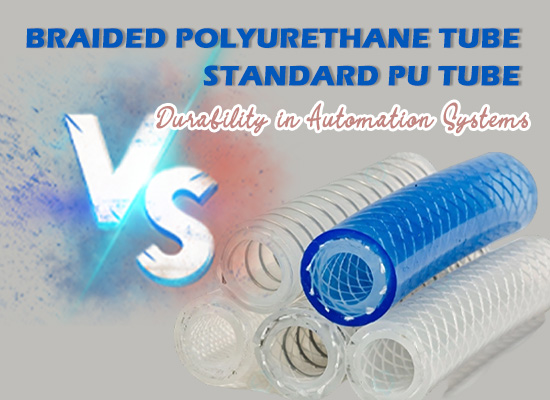 PUB Braided Polyurethane Tube vs Standard PU Tube: Durability in Automation Systems
 Food Grade Pneumatic Fittings: Why Full Stainless Steel One-Touch Fittings Matter in Hygienic Production Lines
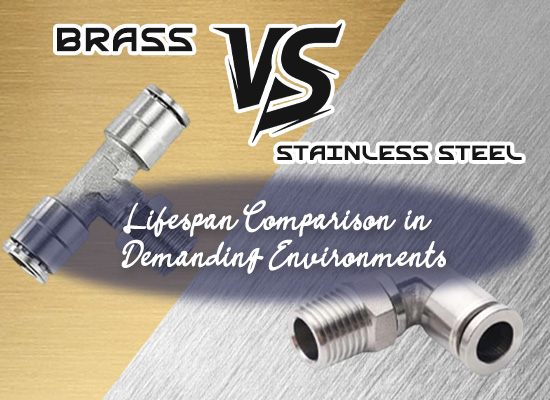 Brass vs Stainless Steel Fittings: Lifespan Comparison in Demanding Environments
You May Interest In
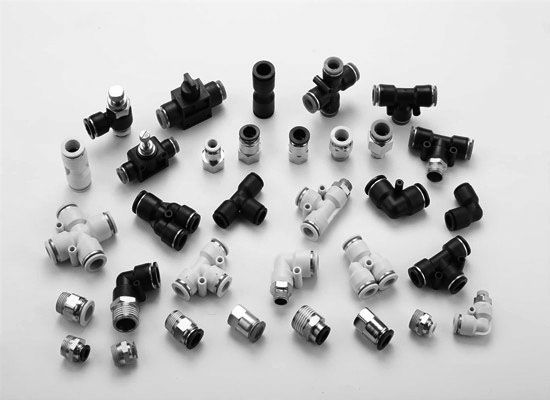
May 07, 2025 Blog
Comprehensive Analysis of Pneumatic Push in Fittings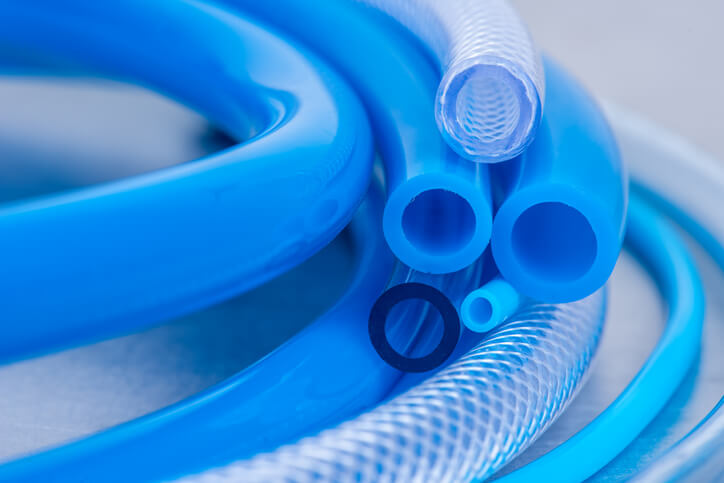
Apr 22, 2025 Blog
Solution for Nylon Tube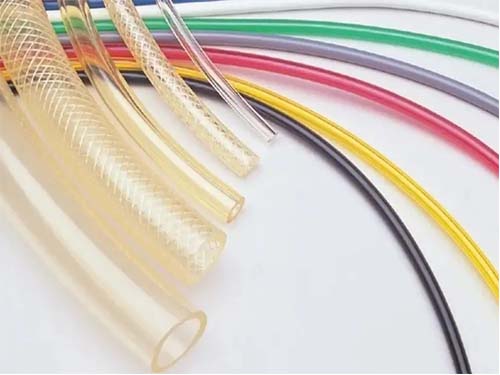
Apr 16, 2025 Blog
PVC Tubing vs. Polyurethane Tubing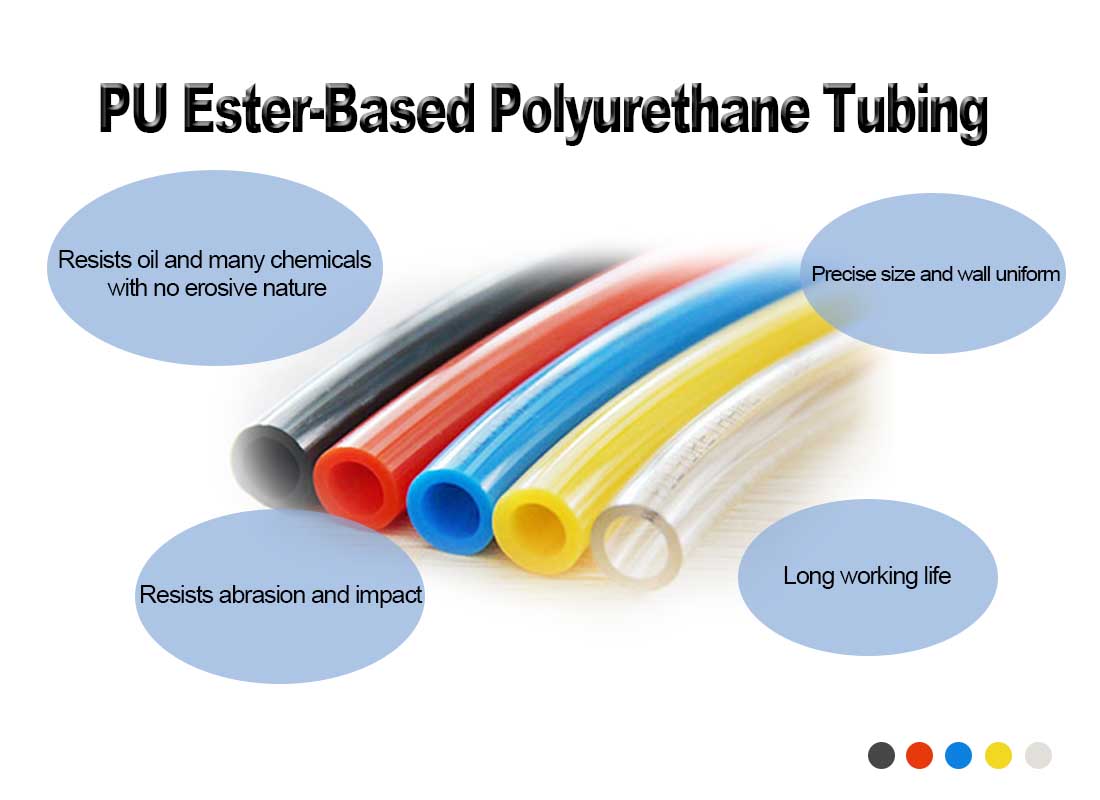
Apr 10, 2025 Blog
What is the difference between pu and pvc
Feb 24, 2025 Blog
How to Identify Hydraulic Quick Couplers?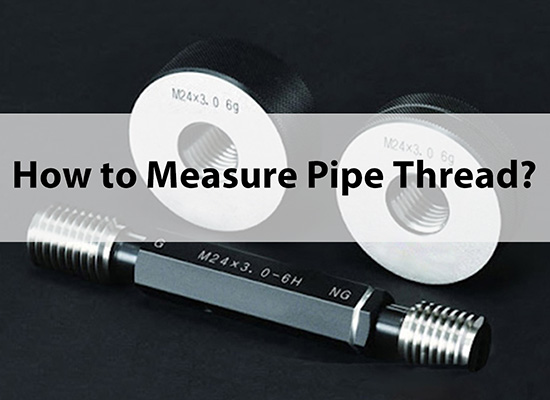
Jan 21, 2025 Blog
How to Measure Pipe Thread?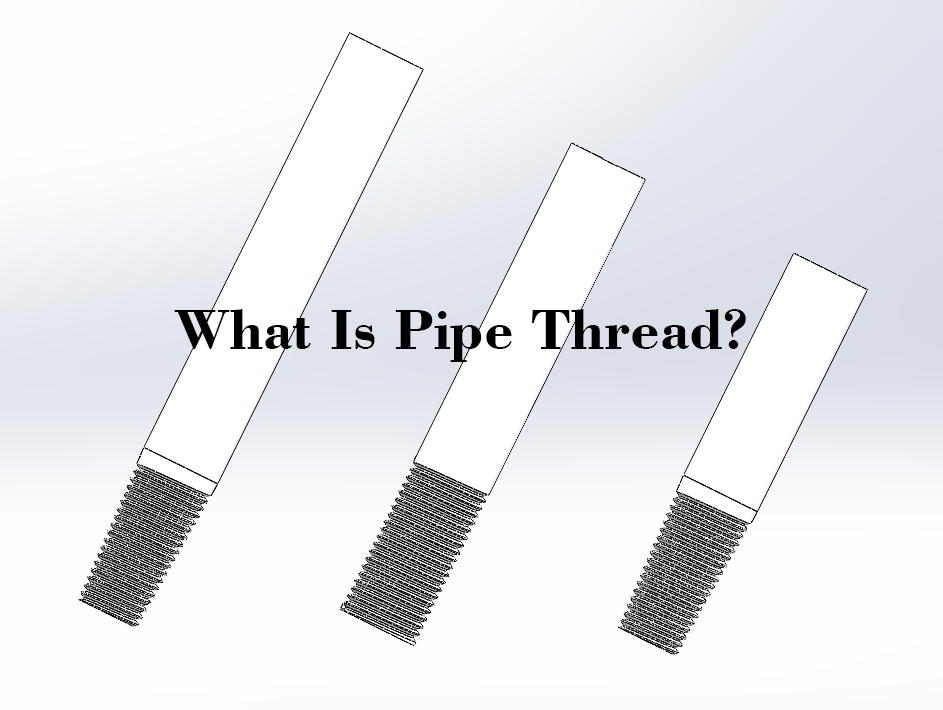
Jan 16, 2025 Blog
What Is Pipe thread?
Dec 04, 2024 Blog
Application Of Tube Fitting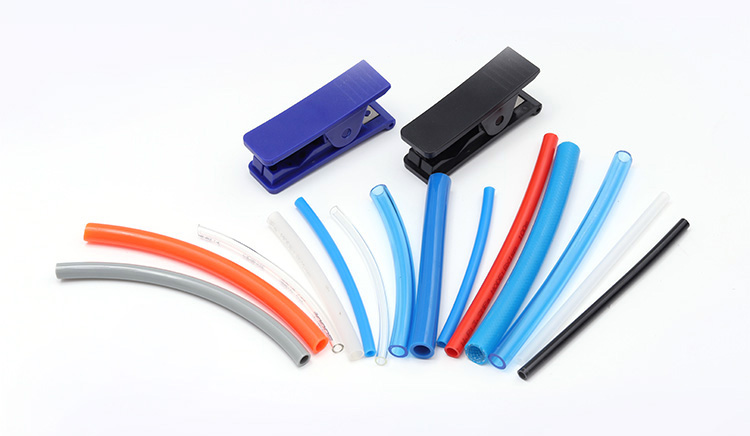
Jun 26, 2023 Blog
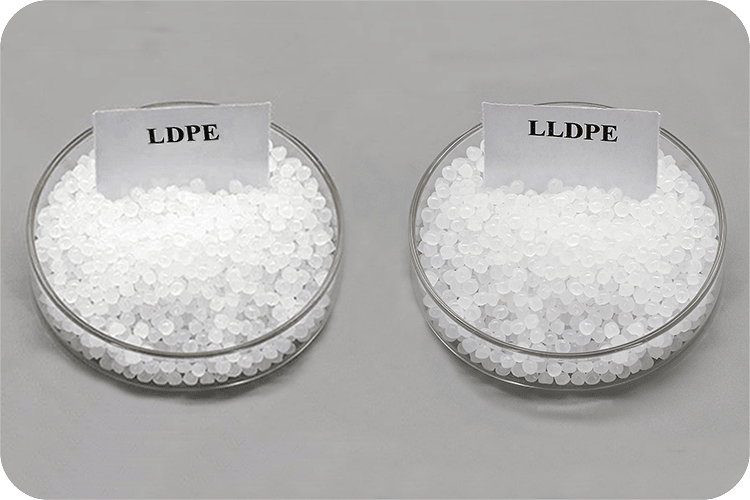
What Is The Difference Between LLDPE And LDPE?
Jan 17, 2023 Blog
What Are The Classification Of Plastics?
Get a free sample

Links: www.fescolo.com(Pneumatic)
FOKCA ©1998-2025 All Rights Reserved Sitemap