Feb 18, 2026
In medical devices and food processing lines, hose material is never a minor detail. Compared with a fuel rubber hose, rubber garden hose, or rubber air hose used in general industry, these sectors demand far stricter control over safety, cleanliness, and material stability.
Rubber Hose selection directly affects product safety, regulatory compliance, and long-term system reliability, which is why silicone hose has become a preferred choice in many regulated environments.
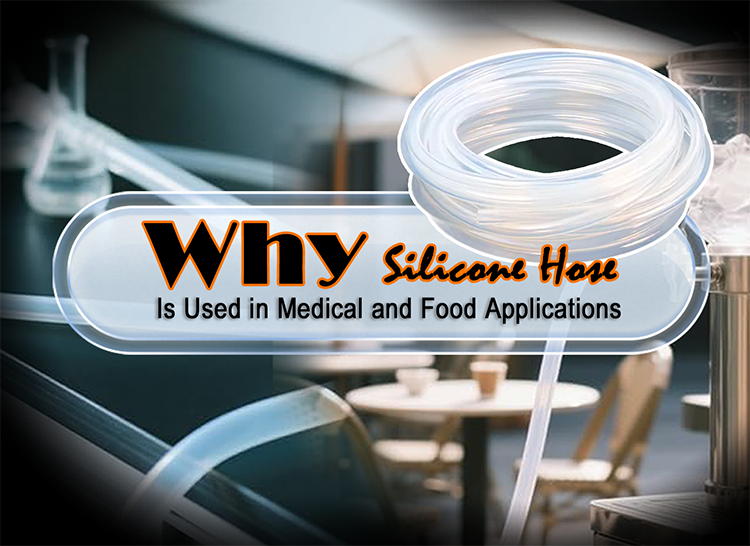
In typical industrial scenarios, such as a rubber air hose or garden rubber hose, flexibility and pressure resistance are often the primary concerns. In contrast, medical and food systems place material safety at the top of the list. Silicone rubber is inherently non-toxic and physiologically inert, meaning it does not release harmful substances when in contact with fluids, air, or consumable products.
This property allows silicone hose to handle sensitive media such as drinking water, beverages, pharmaceutical liquids, and semi-liquids without altering taste, odor, or chemical composition.
This is a key reason why conventional rubber hose materials are rarely accepted in these applications.
One of the most practical advantages of silicone hose is its wide operating temperature range. Silicone rubber maintains flexibility from approximately -60°C to +200°C, outperforming many standard rubber hose materials that harden or degrade under extreme conditions.
In medical and food environments, frequent sterilization is unavoidable. Steam cleaning, hot water flushing, and thermal disinfection cycles are common. Unlike a fuel rubber hose or rubber garden hose, silicone hose withstands repeated high-temperature exposure without cracking or losing elasticity, supporting stable long-term use.
Cleanability is another decisive factor. The smooth inner surface of silicone hose reduces residue buildup, making it easier to flush, clean, and sanitize. This characteristic minimizes bacterial growth and cross-contamination risks in food and pharmaceutical systems.
Compared with a traditional rubber hose used for air or water transfer, silicone hose does not absorb flavors, colors, or odors.
This makes it especially suitable for production lines handling multiple products or frequent changeovers.
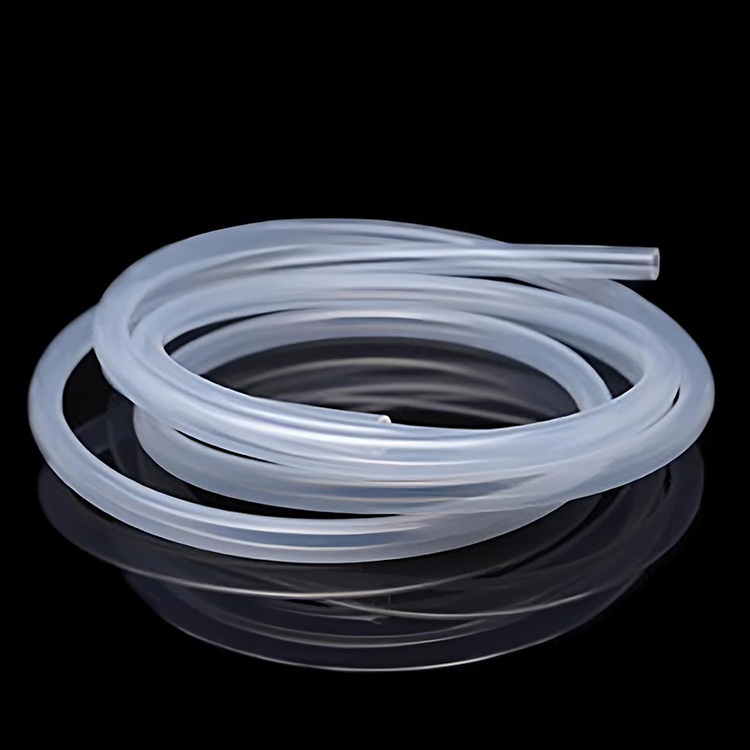
Medical and food industries operate under strict regulatory frameworks. Silicone hoses are commonly produced to meet FDA, USP Class VI, and food-contact compliance requirements, depending on the formulation and manufacturing process.
The table below highlights how silicone hose compares with other common rubber hose types:
| Hose Type | Typical Application | Regulatory Suitability |
|---|---|---|
| Silicone hose | Medical, food, pharmaceutical | FDA / USP compliant options available |
| Fuel rubber hose | Fuel and oil transfer | Not suitable |
| Rubber garden hose | Irrigation, water supply | Limited |
| Rubber air hose | Pneumatic systems | Not suitable |
Compliance availability depends on manufacturer and material grade.
It is important to clarify that silicone hose does not replace every rubber hose. For example, a rubber air hose may still be more cost-effective in pneumatic workshops, while a fuel rubber hose remains necessary for oil-based media.
Silicone hose is chosen specifically when purity, temperature stability, and compliance outweigh cost considerations.
For distributors and procurement managers, this distinction helps position silicone hose as a value-driven solution rather than a universal replacement.
When selecting a Rubber Hose for medical or food-related equipment, engineers should focus on three factors: material certification, operating temperature, and cleaning method. Silicone hose performs well across all three, especially in applications requiring repeated sterilization or contact with consumable media.
(FK9026)
 PVC Tubing vs Polyurethane Tubing: Choosing the Better Air Hose for Modern Pneumatic Systems
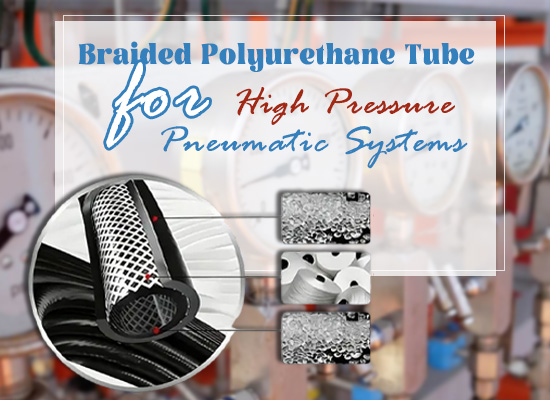 Braided Polyurethane Tube for High Pressure Pneumatic Systems
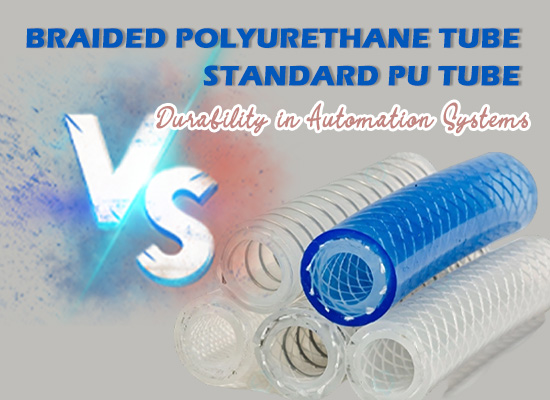 PUB Braided Polyurethane Tube vs Standard PU Tube: Durability in Automation Systems
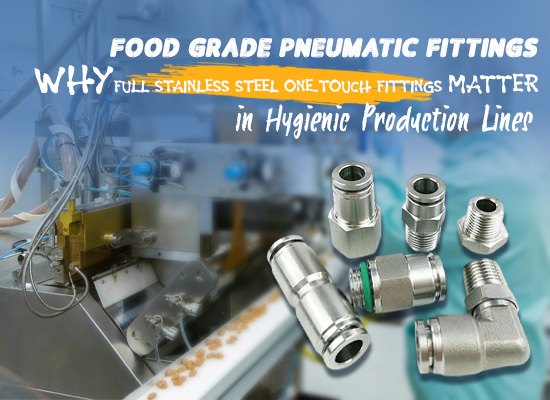 Food Grade Pneumatic Fittings: Why Full Stainless Steel One-Touch Fittings Matter in Hygienic Production Lines
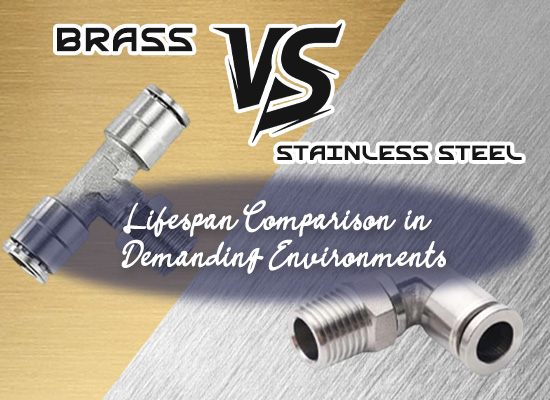 Brass vs Stainless Steel Fittings: Lifespan Comparison in Demanding Environments
You May Interest In
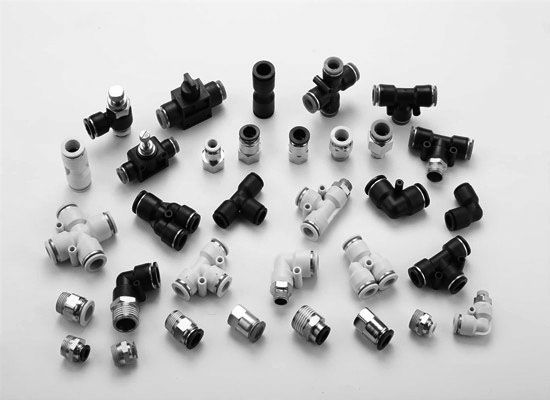
May 07, 2025 Blog
Comprehensive Analysis of Pneumatic Push in Fittings
Apr 22, 2025 Blog
Solution for Nylon Tube
Apr 16, 2025 Blog
PVC Tubing vs. Polyurethane Tubing
Apr 10, 2025 Blog
What is the difference between pu and pvc
Feb 24, 2025 Blog
How to Identify Hydraulic Quick Couplers?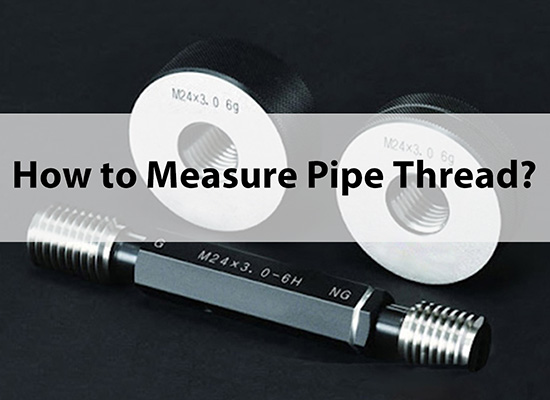
Jan 21, 2025 Blog
How to Measure Pipe Thread?
Jan 16, 2025 Blog
What Is Pipe thread?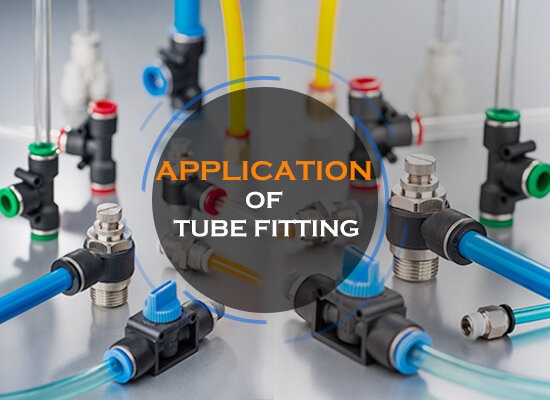
Dec 04, 2024 Blog
Application Of Tube Fitting
Jun 26, 2023 Blog
What Is The Difference Between LLDPE And LDPE?
Jan 17, 2023 Blog
What Are The Classification Of Plastics?
Get a free sample

Links: www.fescolo.com(Pneumatic)
FOKCA ©1998-2025 All Rights Reserved Sitemap