Feb 24, 2026
In compressed air systems, noise at the exhaust port is often the first visible sign of unstable airflow or excess back pressure. A Pneumatic Muffler,is installed at valve exhaust ports to reduce discharge noise while maintaining stable flow. Selecting the correct structure is not only about decibels; it directly affects response speed, exhaust efficiency, and long-term reliability of pneumatic components.
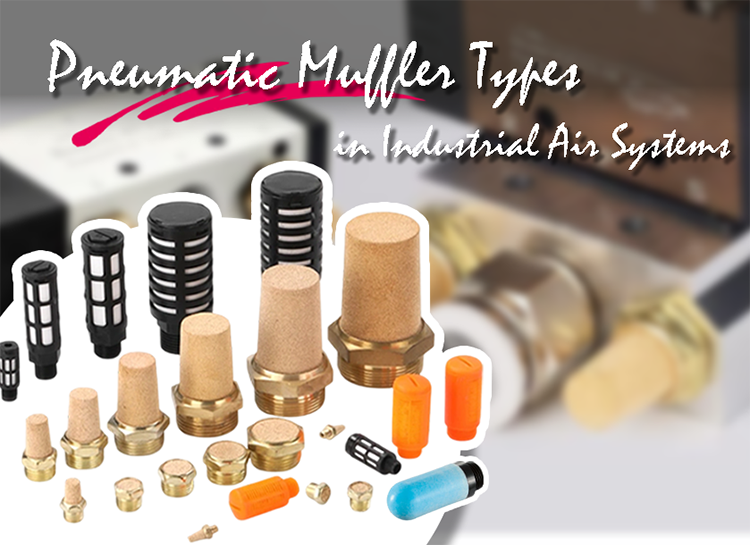
Different Air Muffler designs serve different installation constraints and performance targets. In industrial practice, metal and plastic structures dominate the market.
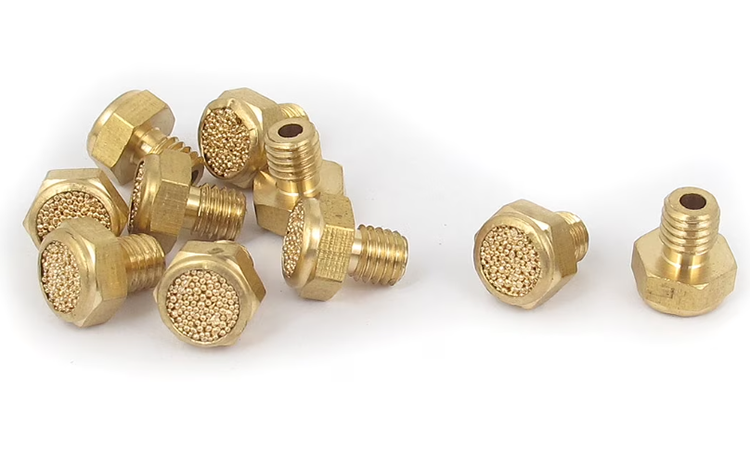
The flat head Exhaust Silencer is the most common version in pneumatic systems. Its compact cylindrical body and flat top design allow installation in confined manifolds or valve islands where space is limited.
Key characteristics:
◆Compact structure
◆Moderate noise reduction
◆Low flow resistance
◆Cost-effective for high-volume applications
Because of its small footprint, it is widely used with solenoid valves and directional control valves. Distributors often stock this type as a standard accessory alongside pneumatic solenoid valves and valve manifolds. For most factory environments, it offers the best balance between size and performance.
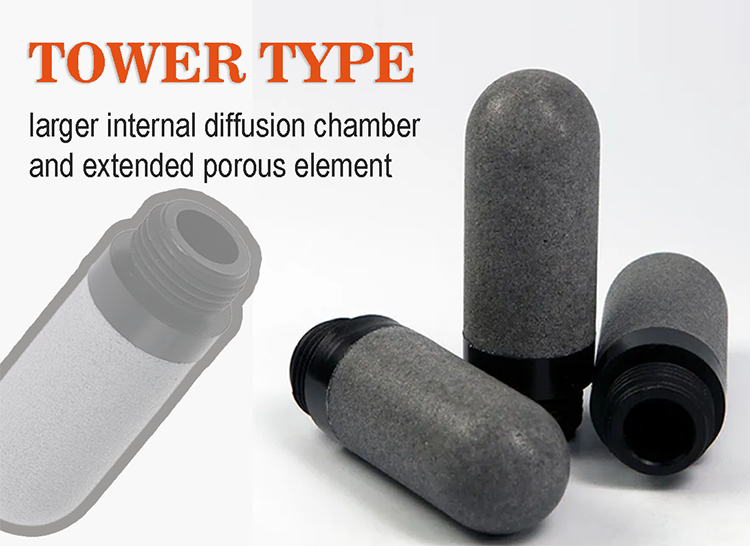
When higher noise reduction is required, the tower structure becomes a practical option. Compared to flat head models, this Pneumatic Exhaust Silencer has a larger internal diffusion chamber and extended porous element.
Technical advantages:
◆Better sound attenuation
◆Improved air dispersion
◆Suitable for higher exhaust volumes
The trade-off is a slightly larger external dimension. In equipment where space is less critical—such as packaging lines or automated handling systems—the tower type delivers noticeably quieter exhaust. Equipment engineers often choose this design when workplace noise compliance is a priority.
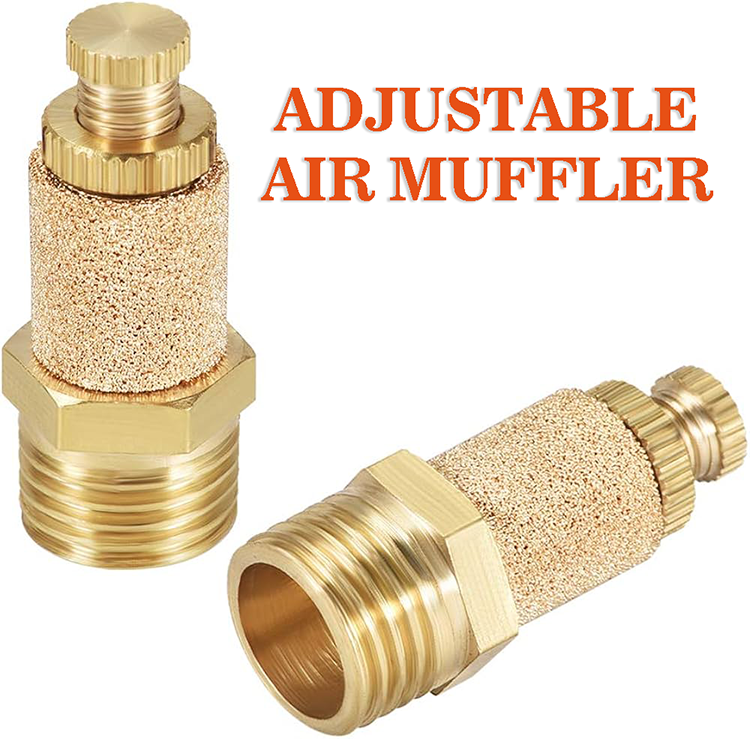
An adjustable Air Muffler integrates a throttling function that allows regulation of exhaust flow. This structure combines silencing and flow control in one unit.
Main feature:
◆Adjustable exhaust flow rate
By rotating the adjustment screw, operators can fine-tune cylinder speed and reduce sudden shock during actuation. This is particularly useful in precision applications using ISO standard pneumatic cylinders or customized long-stroke cylinders. Instead of installing a separate flow control valve, the adjustable silencer simplifies piping and reduces component count.
For system integrators, this type improves installation flexibility and motion control accuracy.
Plastic-body Pneumatic Muffler models are typically manufactured from engineering polymers with sintered polyethylene or resin elements.
Typical benefits:
◆Lightweight
◆Corrosion resistant
◆Economical for non-critical systems
They are commonly applied in light automation equipment, laboratory devices, or environments where aggressive chemicals may affect untreated metals. However, compared to brass or stainless steel versions, plastic types generally have lower pressure resistance and mechanical strength.
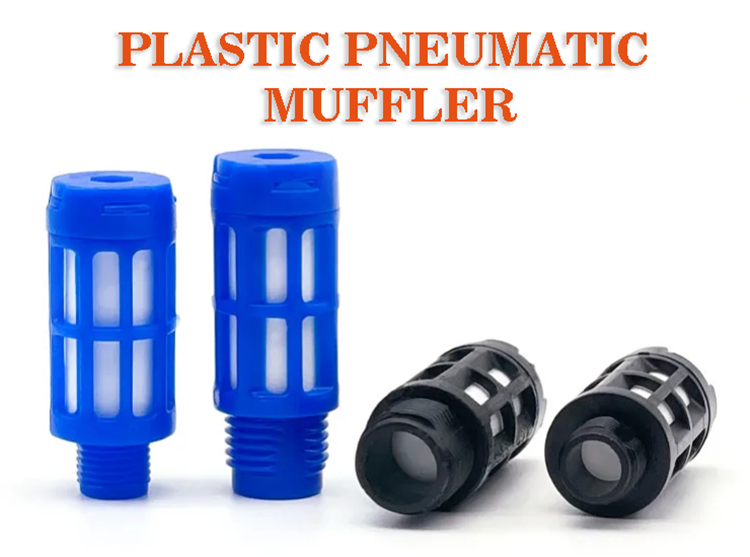
Material selection directly impacts durability, temperature tolerance, and service life. The following comparison provides a practical reference for distributors and procurement managers.
| Type | Material | Noise Reduction | Pressure Resistance | Typical Use |
|---|---|---|---|---|
| Flat Head | Brass / SS | Medium | High | Standard valve exhaust |
| Tower Type | Brass / SS | High | High | High-flow systems |
| Adjustable | Brass / SS | Medium | High | Motion control systems |
| Plastic | Engineering polymer | Medium | Moderate | Light-duty equipment |
According to general industrial pneumatic standards, exhaust components should maintain minimal back pressure while ensuring safe noise levels. Proper silencer sizing prevents performance loss in cylinders and valves.
Choosing the correct Pneumatic Muffler involves evaluating:
◆Thread size compatibility (G, NPT, metric)
◆Flow capacity relative to valve port size
◆Required noise reduction level
◆Available installation space
◆Maintenance accessibility
In high-cycle automation lines, metal sintered bronze elements provide longer service life and can often be cleaned and reused. For OEM projects, pairing the silencer with compatible pneumatic air filters and regulators ensures stable system operation.
Procurement managers typically prioritize cost and availability, while equipment engineers focus on airflow stability and acoustic performance. Understanding the structural differences between flat, tower, adjustable, and plastic models helps balance these factors effectively.
Industrial noise control is not only about comfort—it protects component integrity and operator safety. Whether selecting a compact flat head unit or an adjustable Exhaust Silencer, the right choice supports stable exhaust flow, controlled cylinder motion, and longer system lifespan. For OEM and ODM projects, tailored thread standards and materials are available to match specific application requirements.
(FK9026)
 PVC Tubing vs Polyurethane Tubing: Choosing the Better Air Hose for Modern Pneumatic Systems
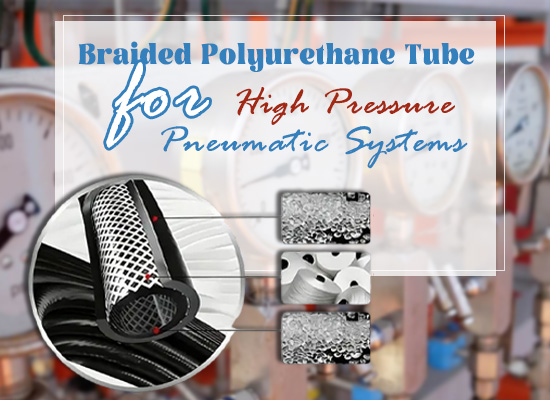 Braided Polyurethane Tube for High Pressure Pneumatic Systems
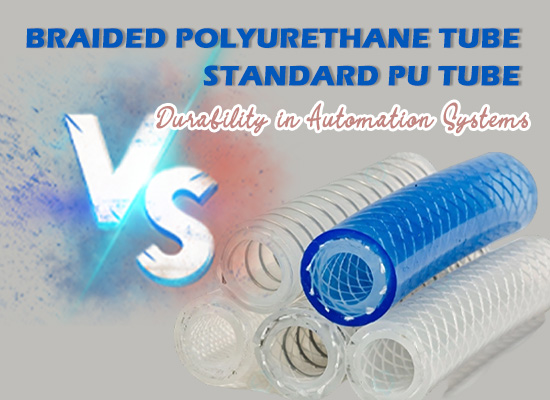 PUB Braided Polyurethane Tube vs Standard PU Tube: Durability in Automation Systems
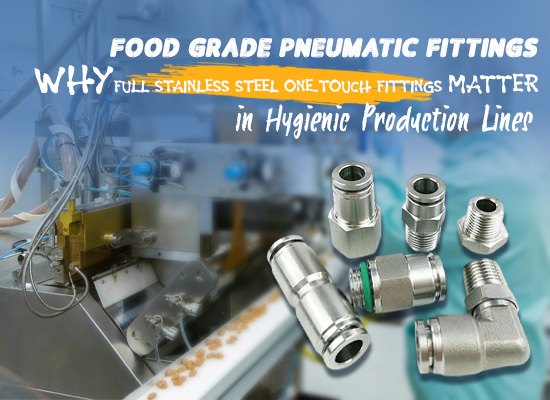 Food Grade Pneumatic Fittings: Why Full Stainless Steel One-Touch Fittings Matter in Hygienic Production Lines
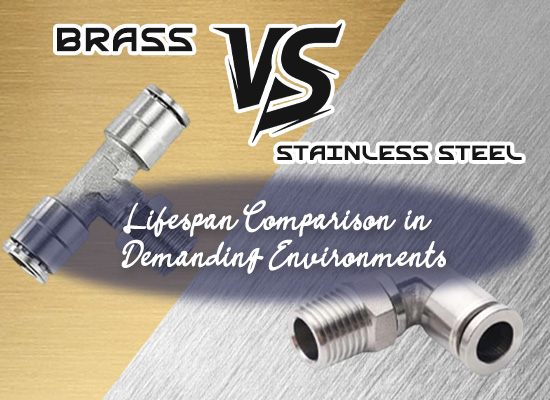 Brass vs Stainless Steel Fittings: Lifespan Comparison in Demanding Environments
You May Interest In
May 07, 2025 Blog
Comprehensive Analysis of Pneumatic Push in Fittings
Apr 22, 2025 Blog
Solution for Nylon Tube
Apr 16, 2025 Blog
PVC Tubing vs. Polyurethane Tubing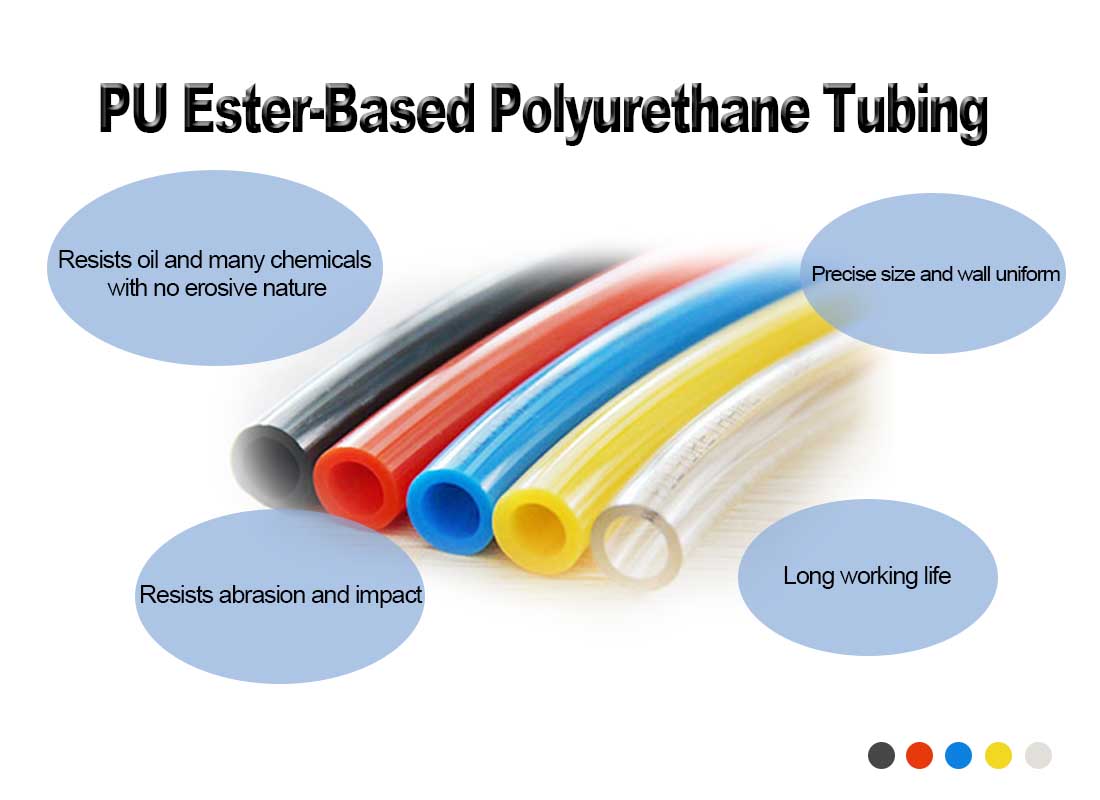
Apr 10, 2025 Blog
What is the difference between pu and pvc
Feb 24, 2025 Blog
How to Identify Hydraulic Quick Couplers?
Jan 21, 2025 Blog
How to Measure Pipe Thread?
Jan 16, 2025 Blog
What Is Pipe thread?
Dec 04, 2024 Blog
Application Of Tube Fitting
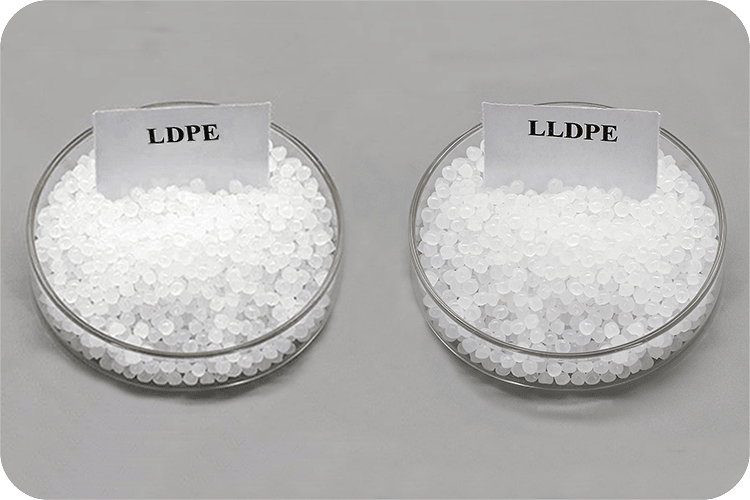
Jun 26, 2023 Blog
What Is The Difference Between LLDPE And LDPE?
Jan 17, 2023 Blog
What Are The Classification Of Plastics?
Get a free sample

Links: www.fescolo.com(Pneumatic)
FOKCA ©1998-2025 All Rights Reserved Sitemap