Mar 24, 2026
In pneumatic system design, pressure stability is not only determined by compressors or valves. Pneumatic tubing length plays a decisive role in how much pressure actually reaches the actuator. As air hose length increases, friction and resistance accumulate, resulting in measurable air pressure loss. For engineers and procurement teams, understanding this mechanism is essential to avoid underperforming systems and unnecessary energy consumption.
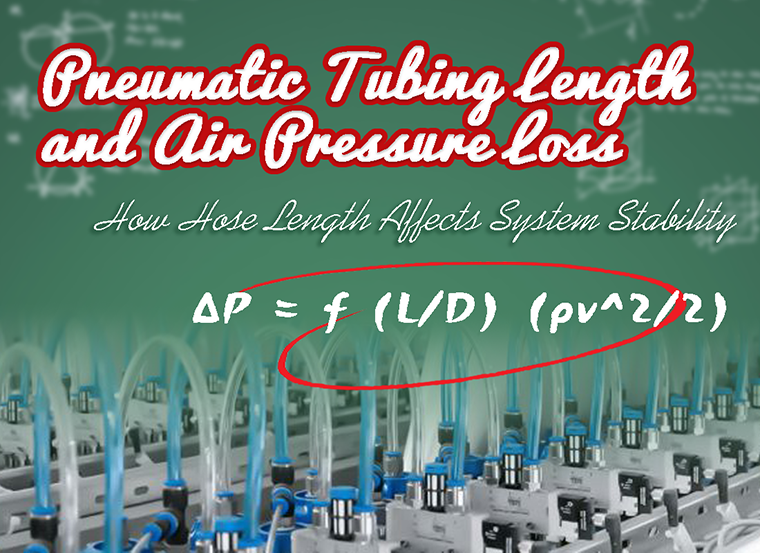
When compressed air flows through pneumatic tubing, it continuously interacts with the inner wall of the tube. This interaction creates friction, which increases with distance.
In addition to straight-line friction, components such as elbows, valves, and pneumatic push in fitting connections introduce extra resistance. The longer the tubing, the greater the cumulative pressure drop, especially in high-flow or continuous-duty systems.
In engineering practice, air pressure loss in pipelines can be estimated using the following relationship:
 PVC Tubing vs Polyurethane Tubing: Choosing the Better Air Hose for Modern Pneumatic Systems
 Braided Polyurethane Tube for High Pressure Pneumatic Systems
 PUB Braided Polyurethane Tube vs Standard PU Tube: Durability in Automation Systems
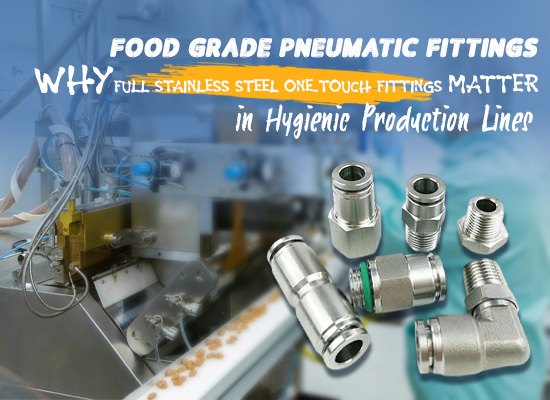 Food Grade Pneumatic Fittings: Why Full Stainless Steel One-Touch Fittings Matter in Hygienic Production Lines
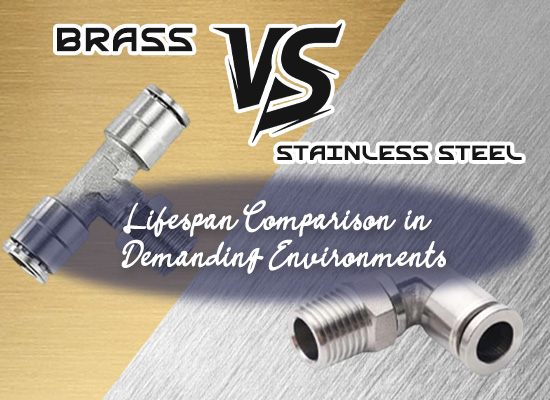 Brass vs Stainless Steel Fittings: Lifespan Comparison in Demanding Environments
You May Interest In
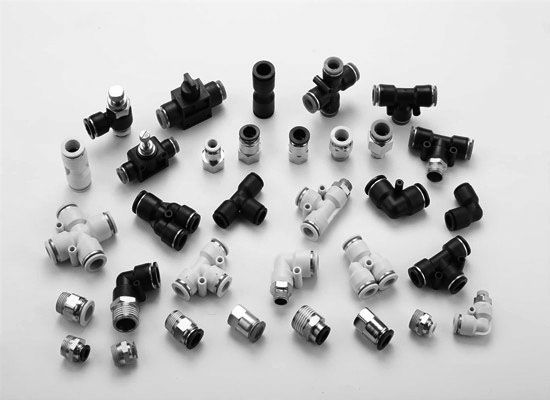
May 07, 2025 Blog
Comprehensive Analysis of Pneumatic Push in Fittings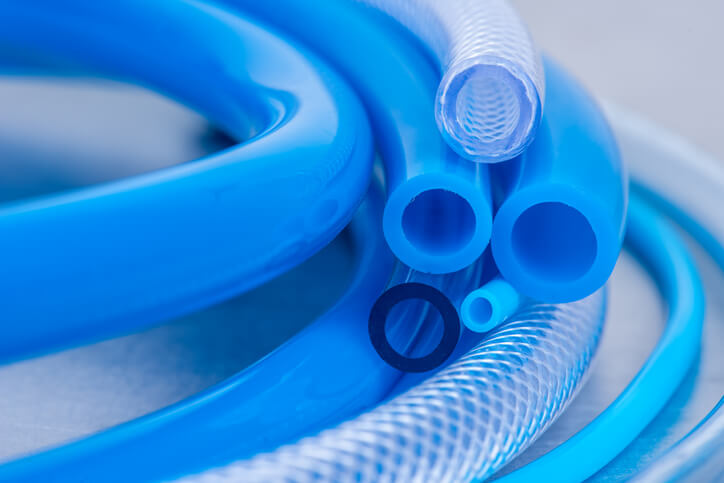
Apr 22, 2025 Blog
Solution for Nylon Tube
Apr 16, 2025 Blog
PVC Tubing vs. Polyurethane Tubing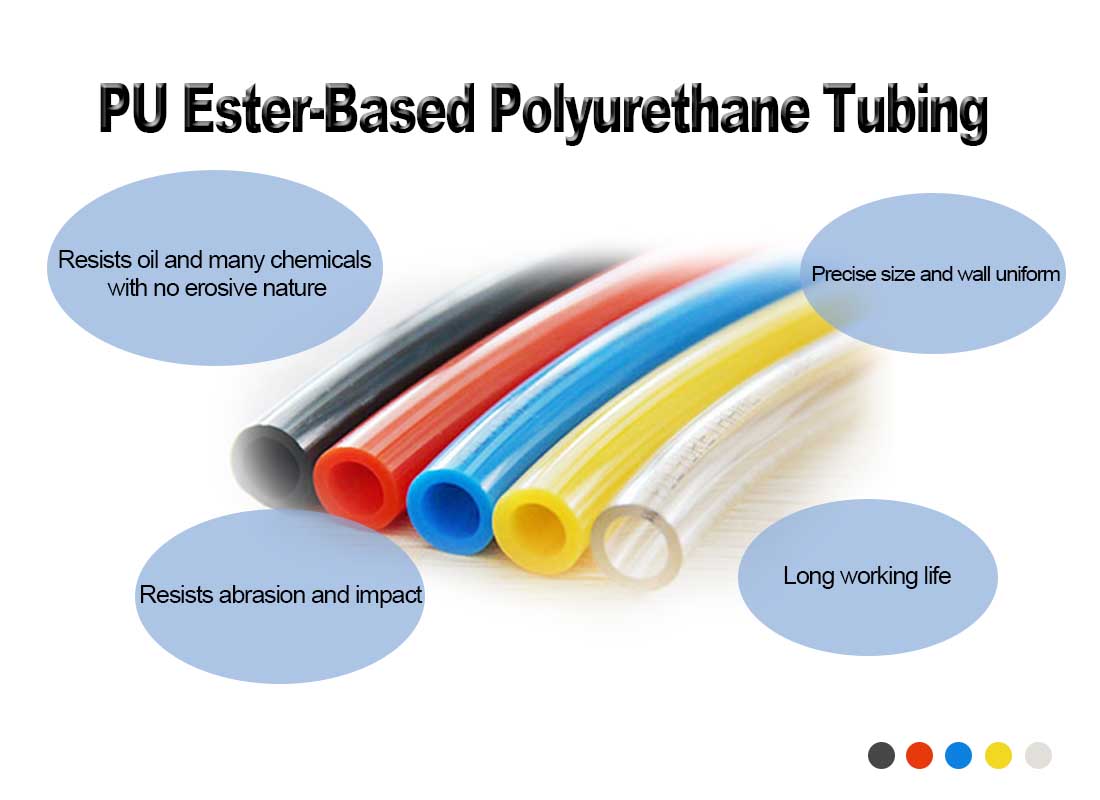
Apr 10, 2025 Blog
What is the difference between pu and pvc
Feb 24, 2025 Blog
How to Identify Hydraulic Quick Couplers?
Jan 21, 2025 Blog
How to Measure Pipe Thread?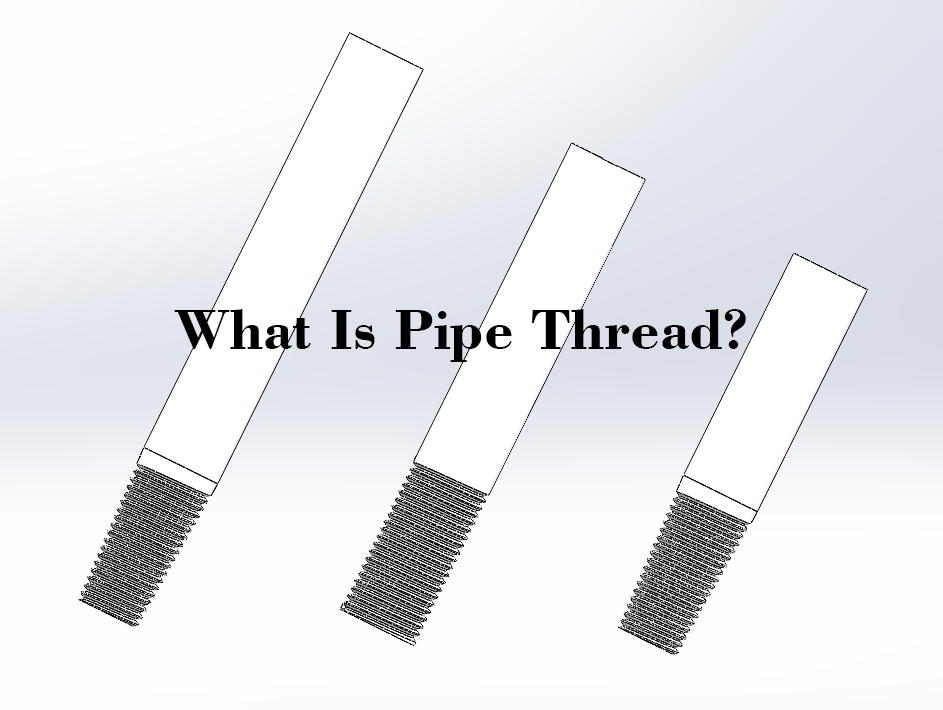
Jan 16, 2025 Blog
What Is Pipe thread?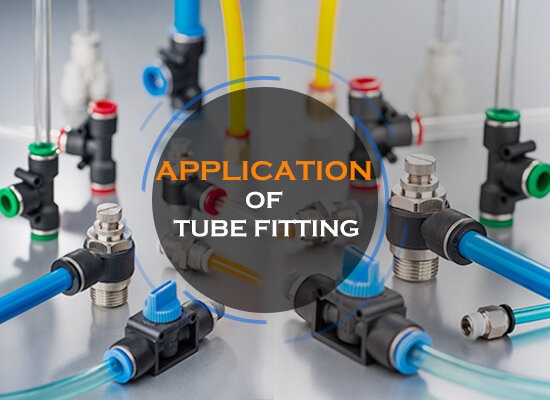
Dec 04, 2024 Blog
Application Of Tube Fitting
Jun 26, 2023 Blog
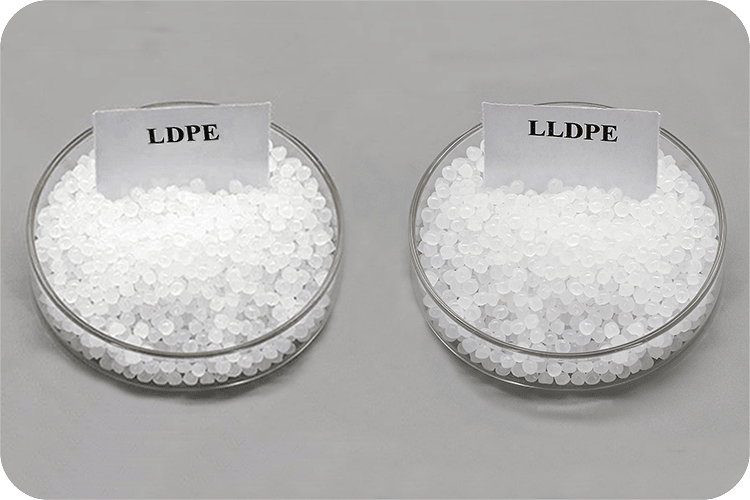
What Is The Difference Between LLDPE And LDPE?
Jan 17, 2023 Blog
What Are The Classification Of Plastics?
Get a free sample

Links: www.fescolo.com(Pneumatic)
FOKCA ©1998-2025 All Rights Reserved Sitemap