Feb 25, 2026
Modern pneumatic systems often combine components from different suppliers, and thread standards are not always consistent. Mini Push In Fittings are especially sensitive to thread mismatches because their small size leaves little tolerance for sealing errors. Mixing BSP, NPT, and metric threads may appear workable during installation, but minor thread differences often lead to slow leakage and unstable pressure, particularly in compact pneumatic assemblies.
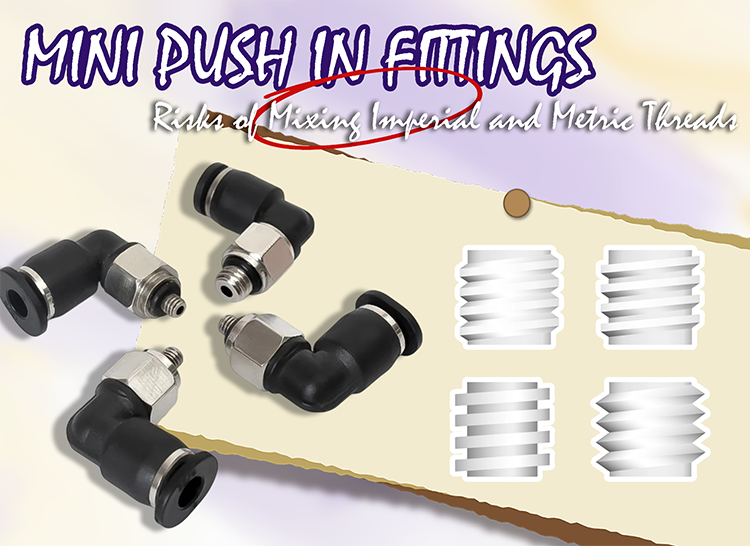
Different regions use different thread standards, and Mini Push In Fittings are commonly available with BSP, NPT, and metric threads. Although some sizes appear similar, their sealing mechanisms are different.
Common thread types include:
| Thread Type | Typical Marking | Sealing Method | Typical Region |
|---|---|---|---|
| BSPP | G thread / BSP pneumatic fitting | Parallel thread + O-ring or gasket | Europe / Asia |
| BSPT | R thread | Tapered thread sealing | Europe |
| NPT | NPT mini fitting | Tapered thread sealing | North America |
| Metric | Metric air connector (M5, M6) | Parallel thread + gasket | Global equipment |
Even when thread diameters look identical, pitch and taper angles differ. Visual similarity does not mean compatibility.
In field installations, engineers sometimes install a brass push in fitting into a port that "almost matches." For example, BSPT and NPT threads can engage for several turns, giving a false impression of compatibility.
However, the differences include:
1.Thread angle: BSP 55° vs NPT 60°
2.Pitch differences
3.Taper rate variations
Because sealing surfaces do not align correctly, micro leakage often appears after pressure cycling. These leaks are difficult to detect and may only appear during long-term operation.
Small connectors such as mini air connector components are particularly sensitive because the sealing area is limited.
Mixed-thread installations often work temporarily but cause maintenance issues later. A common situation occurs when imported machines are repaired using locally available fittings.
Typical examples include:
1.BSP fittings installed into NPT ports
2.Metric M5 fittings forced into BSP ports
3.Adapters stacked to compensate for mismatch
These installations often show:
1.Slow pressure loss overnight
2.Unstable cylinder motion
3.Increased compressor duty cycle
Technicians frequently mistake these problems for valve or tubing faults rather than thread mismatch.
Correct identification prevents most installation problems. Before selecting Mini Push In Fittings, technicians should confirm both thread size and standard.
Basic identification methods include:
| Method | What to Check | Result |
|---|---|---|
| Port marking | G, R, NPT, or M marking | Fast identification |
| Thread gauge | Pitch measurement | Accurate verification |
| Diameter measurement | Outer diameter check | Preliminary screening |
| Technical drawing | Manufacturer specification | Most reliable |
Thread identification should always be done before installation, especially for replacement parts.
Global equipment manufacturers often need multiple thread standards. Providing compatible Mini Push In Fittings in BSP, NPT, and metric versions simplifies sourcing and reduces installation risks.
Available options typically include:
◆BSP pneumatic fitting series
◆NPT mini fitting series
◆Metric thread connectors
◆Multiple tubing sizes
For mixed-standard systems, matching connectors with proper valves such as pneumatic solenoid valves helps maintain consistent sealing performance.
Selecting the correct thread type ensures stable pneumatic operation. Systems using correctly matched Mini Push In Fittings provide reliable sealing and reduce long-term maintenance risks, especially in compact automation equipment.
(FK9026)
 PVC Tubing vs Polyurethane Tubing: Choosing the Better Air Hose for Modern Pneumatic Systems
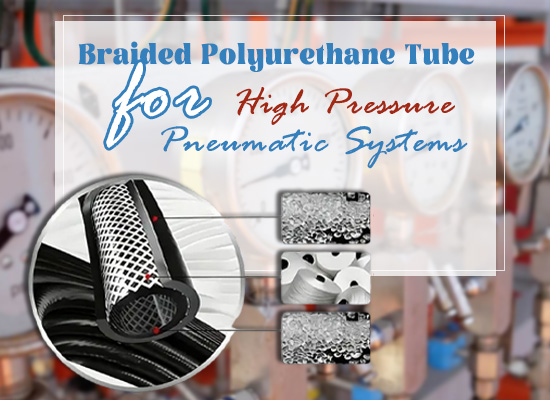 Braided Polyurethane Tube for High Pressure Pneumatic Systems
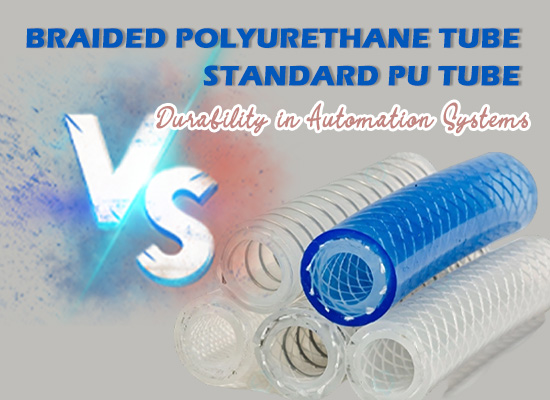 PUB Braided Polyurethane Tube vs Standard PU Tube: Durability in Automation Systems
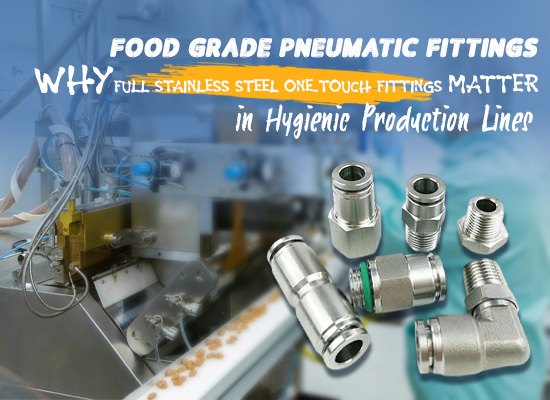 Food Grade Pneumatic Fittings: Why Full Stainless Steel One-Touch Fittings Matter in Hygienic Production Lines
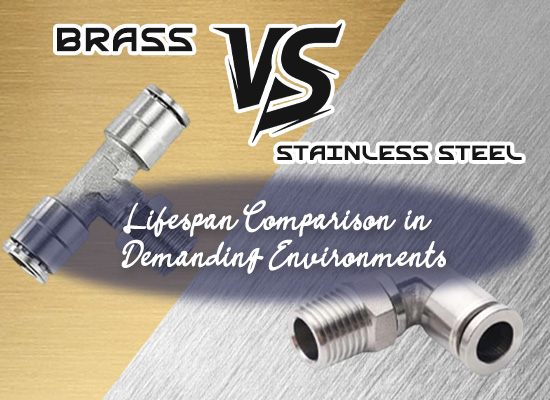 Brass vs Stainless Steel Fittings: Lifespan Comparison in Demanding Environments
You May Interest In
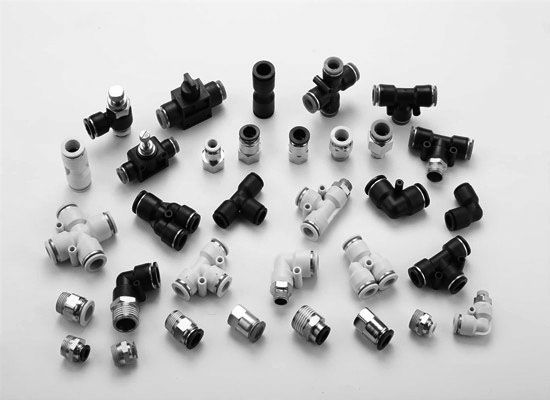
May 07, 2025 Blog
Comprehensive Analysis of Pneumatic Push in Fittings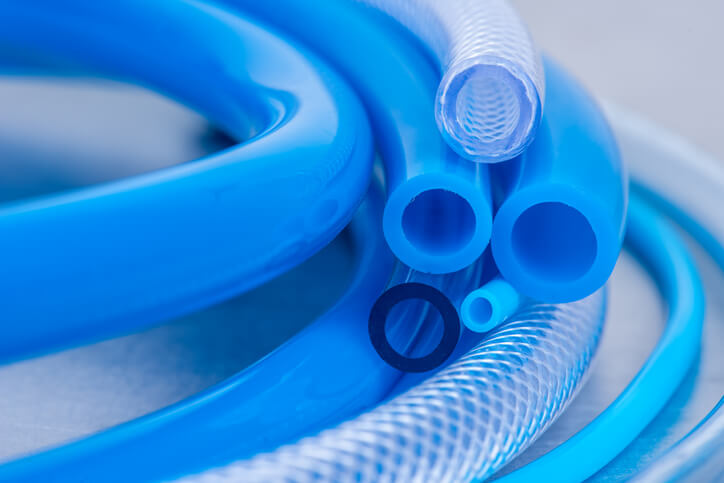
Apr 22, 2025 Blog
Solution for Nylon Tube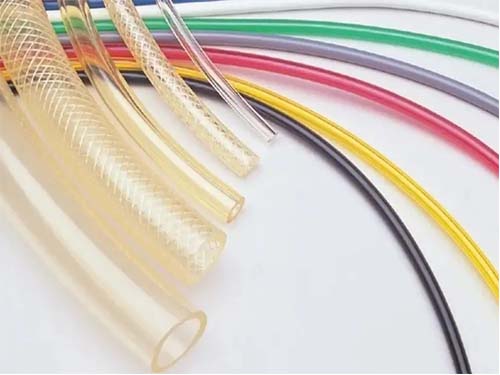
Apr 16, 2025 Blog
PVC Tubing vs. Polyurethane Tubing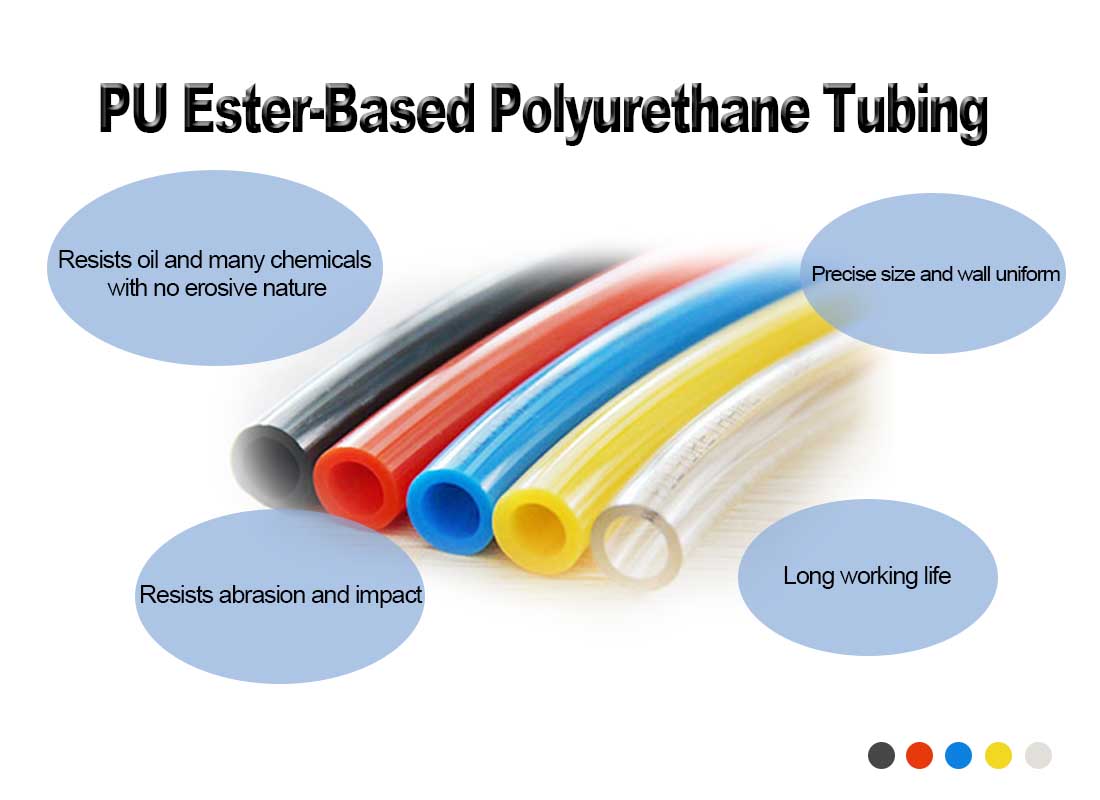
Apr 10, 2025 Blog
What is the difference between pu and pvc
Feb 24, 2025 Blog
How to Identify Hydraulic Quick Couplers?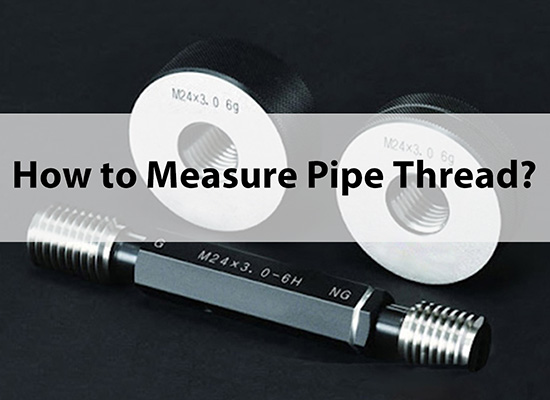
Jan 21, 2025 Blog
How to Measure Pipe Thread?
Jan 16, 2025 Blog
What Is Pipe thread?
Dec 04, 2024 Blog
Application Of Tube Fitting
Jun 26, 2023 Blog
What Is The Difference Between LLDPE And LDPE?
Jan 17, 2023 Blog
What Are The Classification Of Plastics?
Get a free sample

Links: www.fescolo.com(Pneumatic)
FOKCA ©1998-2025 All Rights Reserved Sitemap